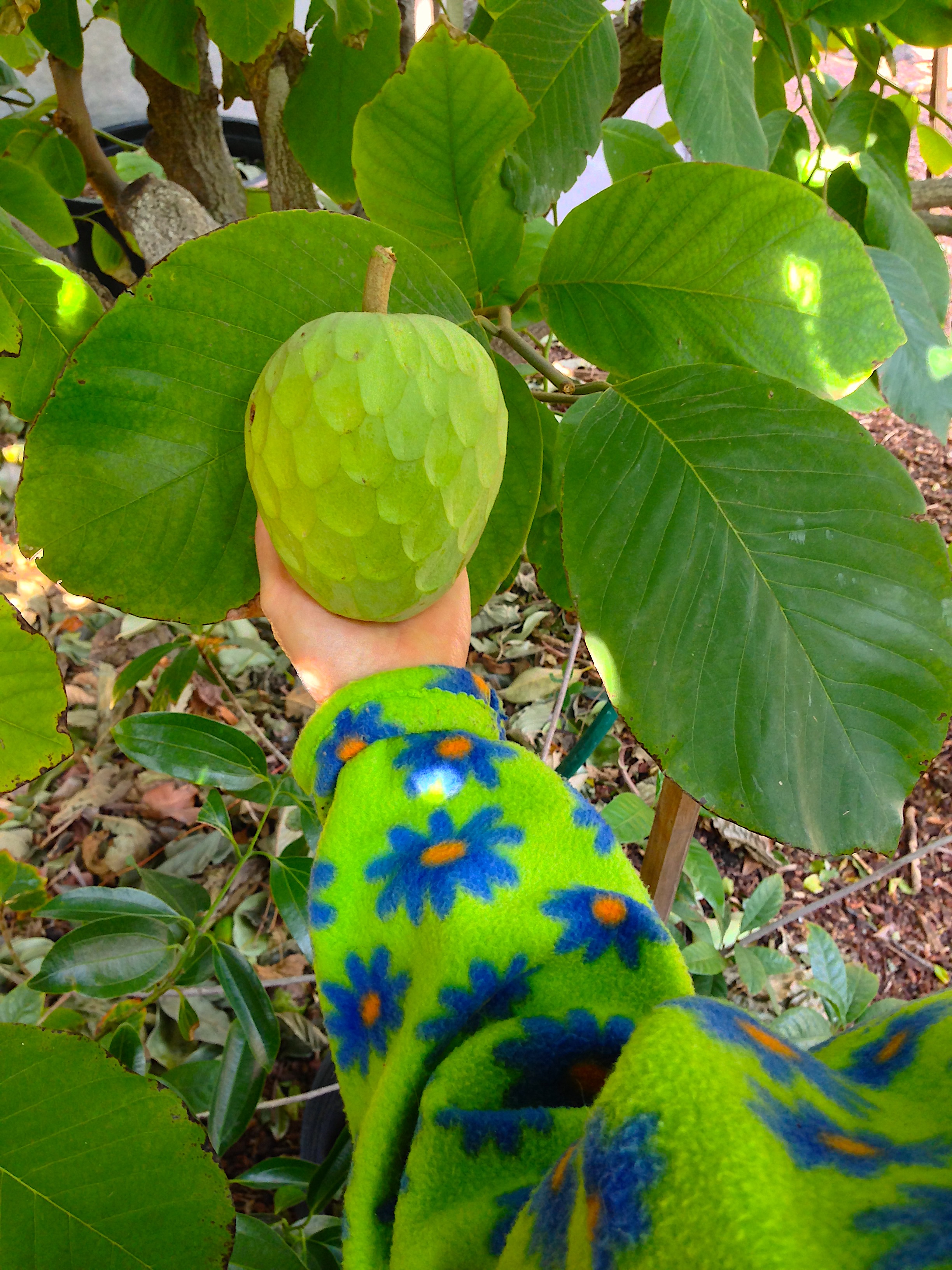
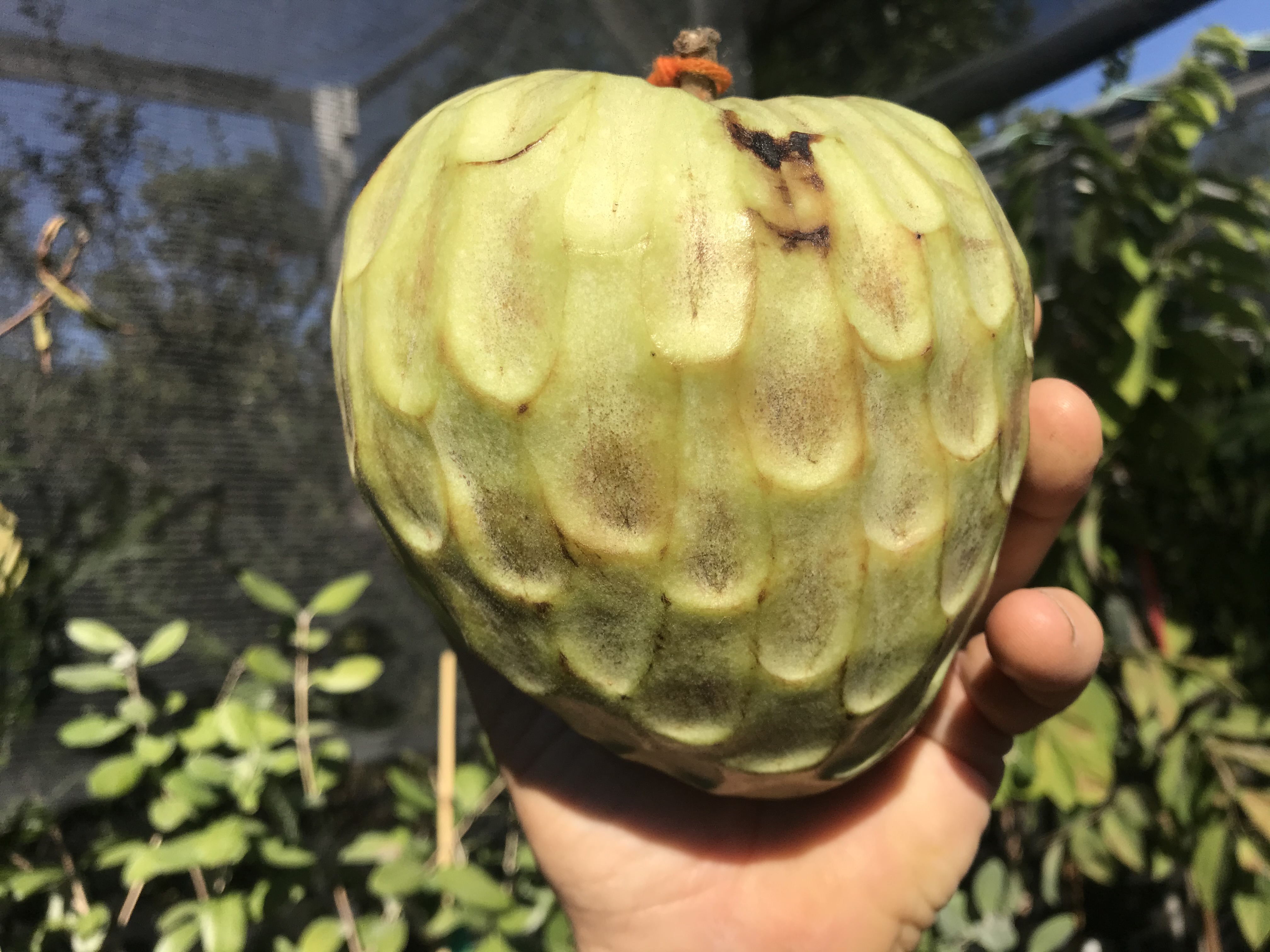
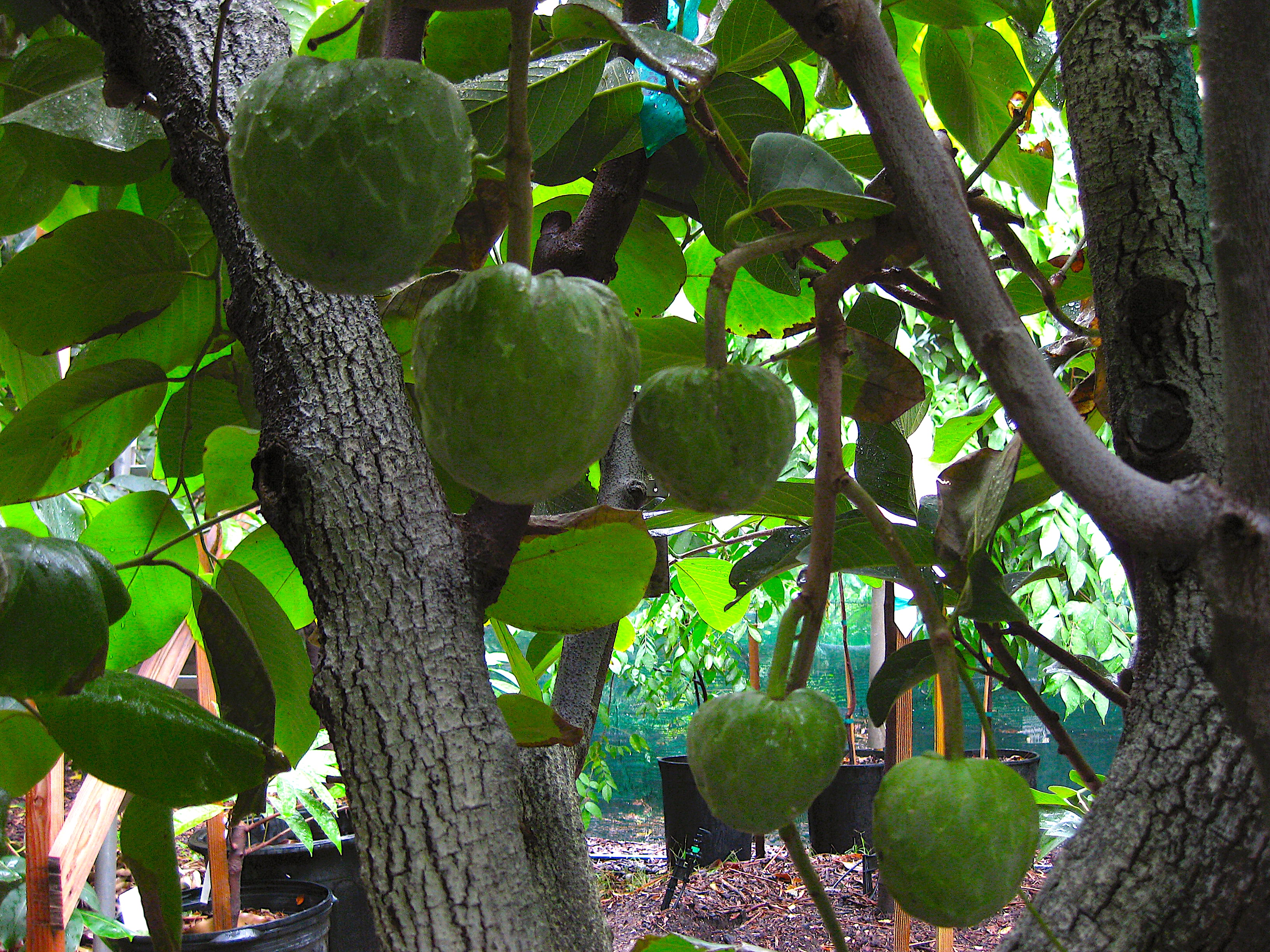
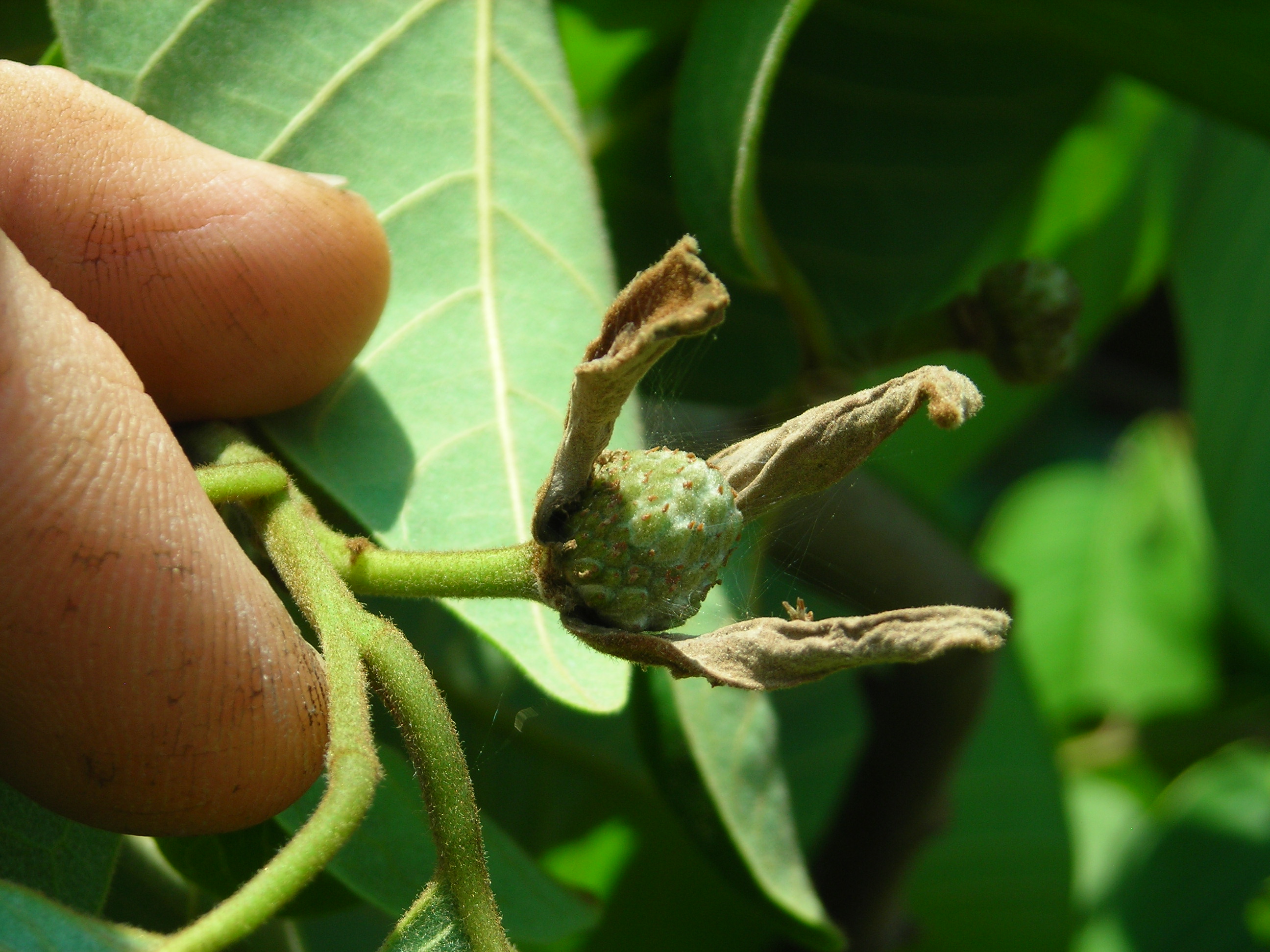
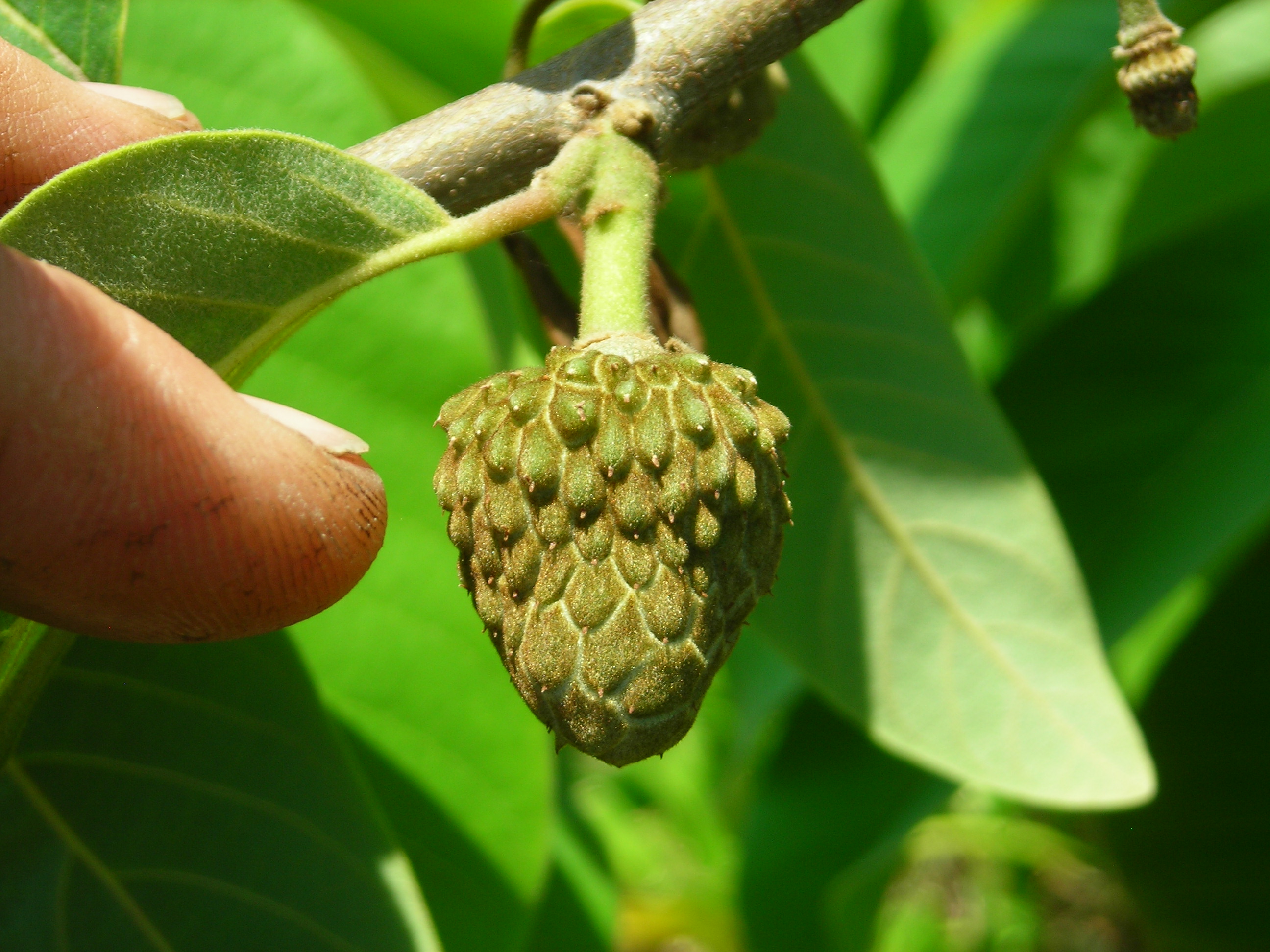
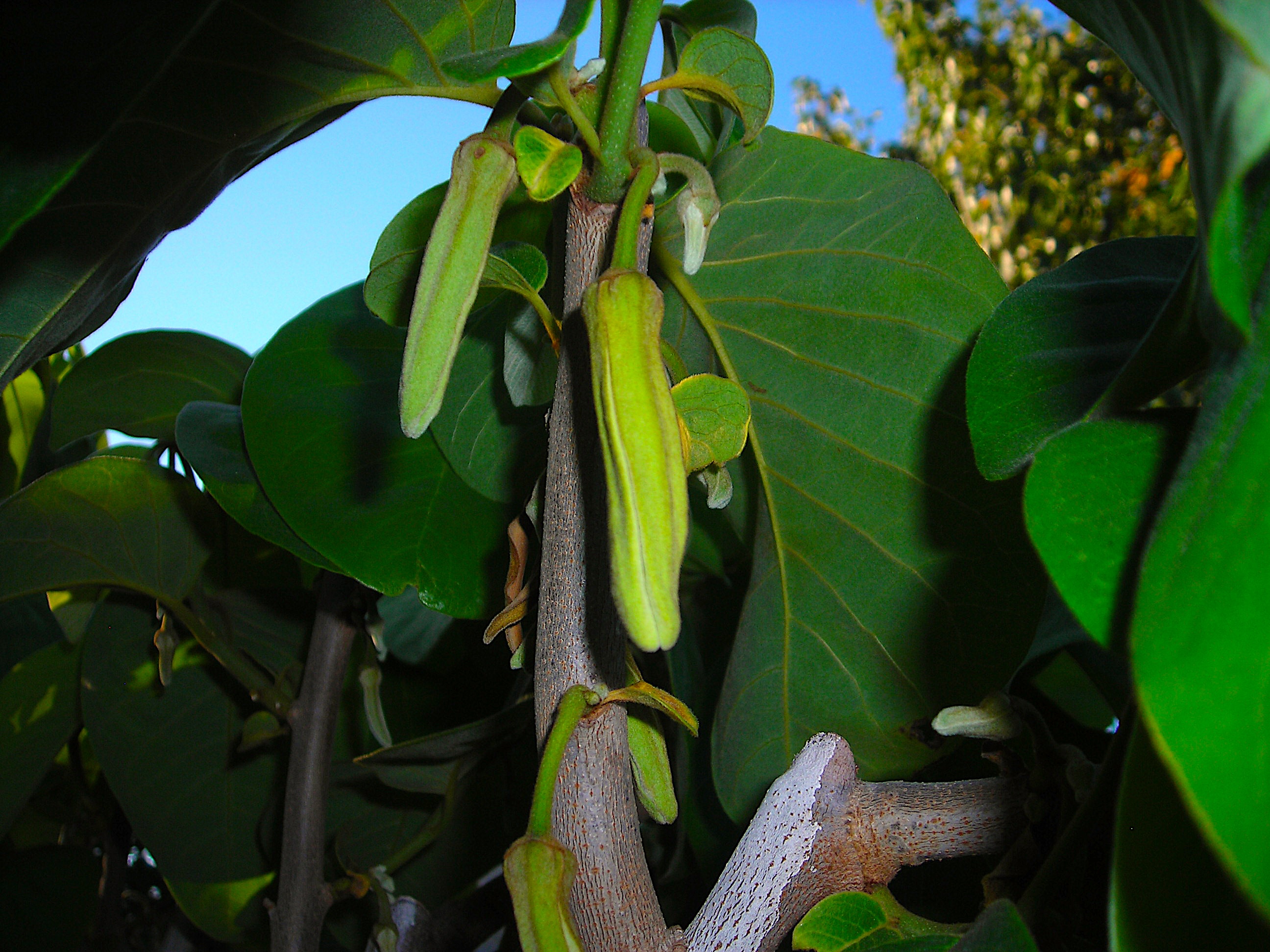
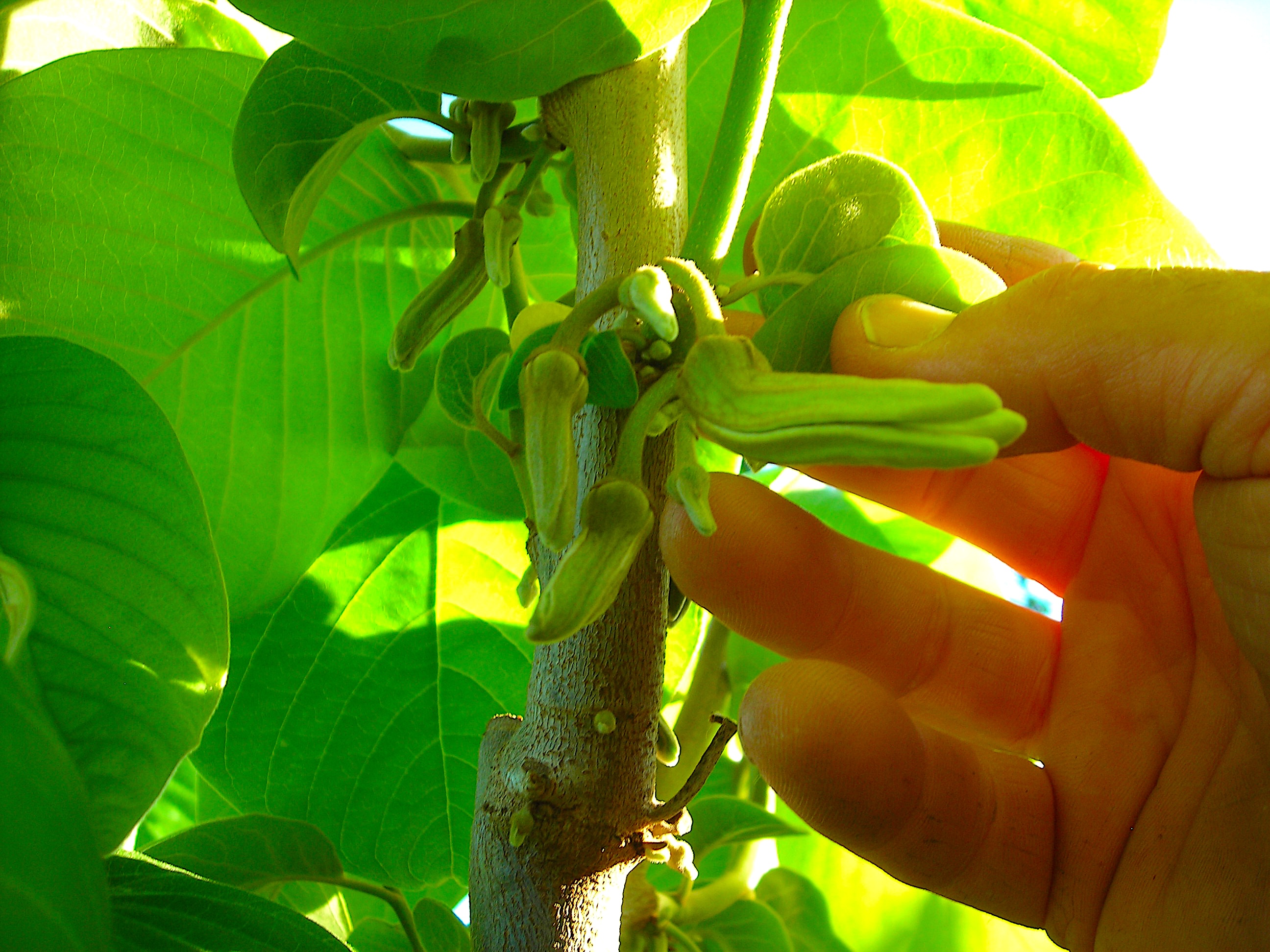
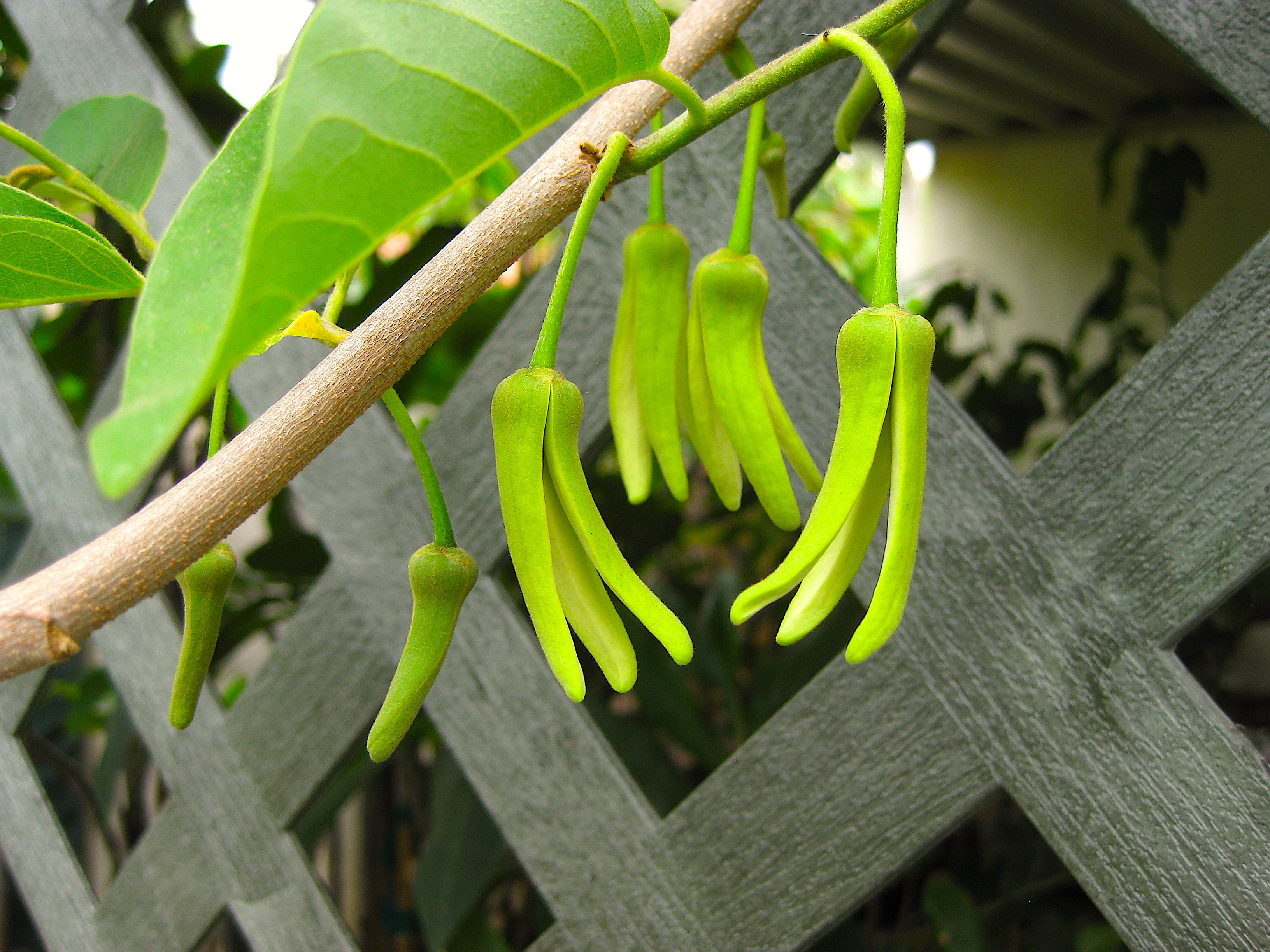
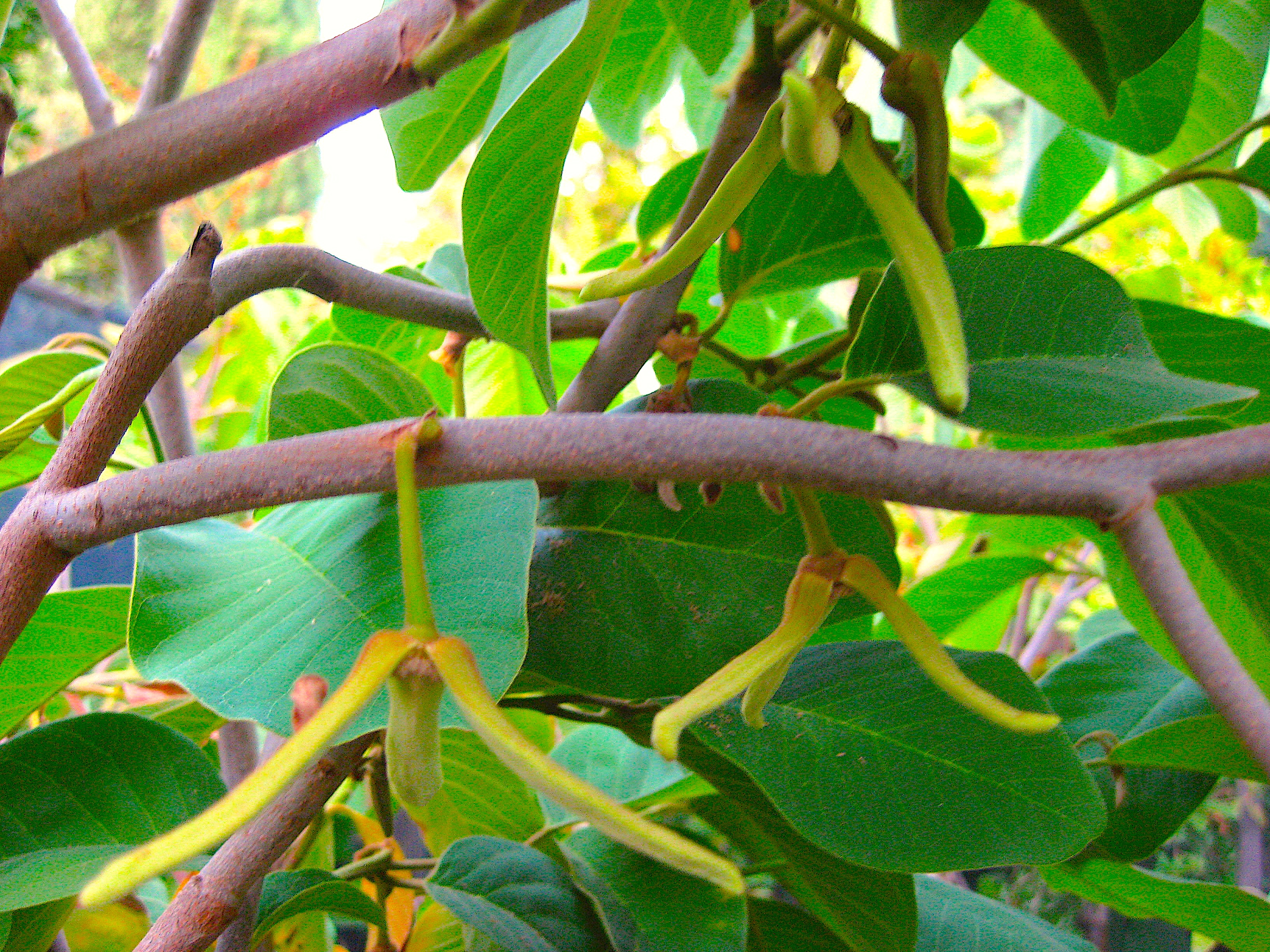
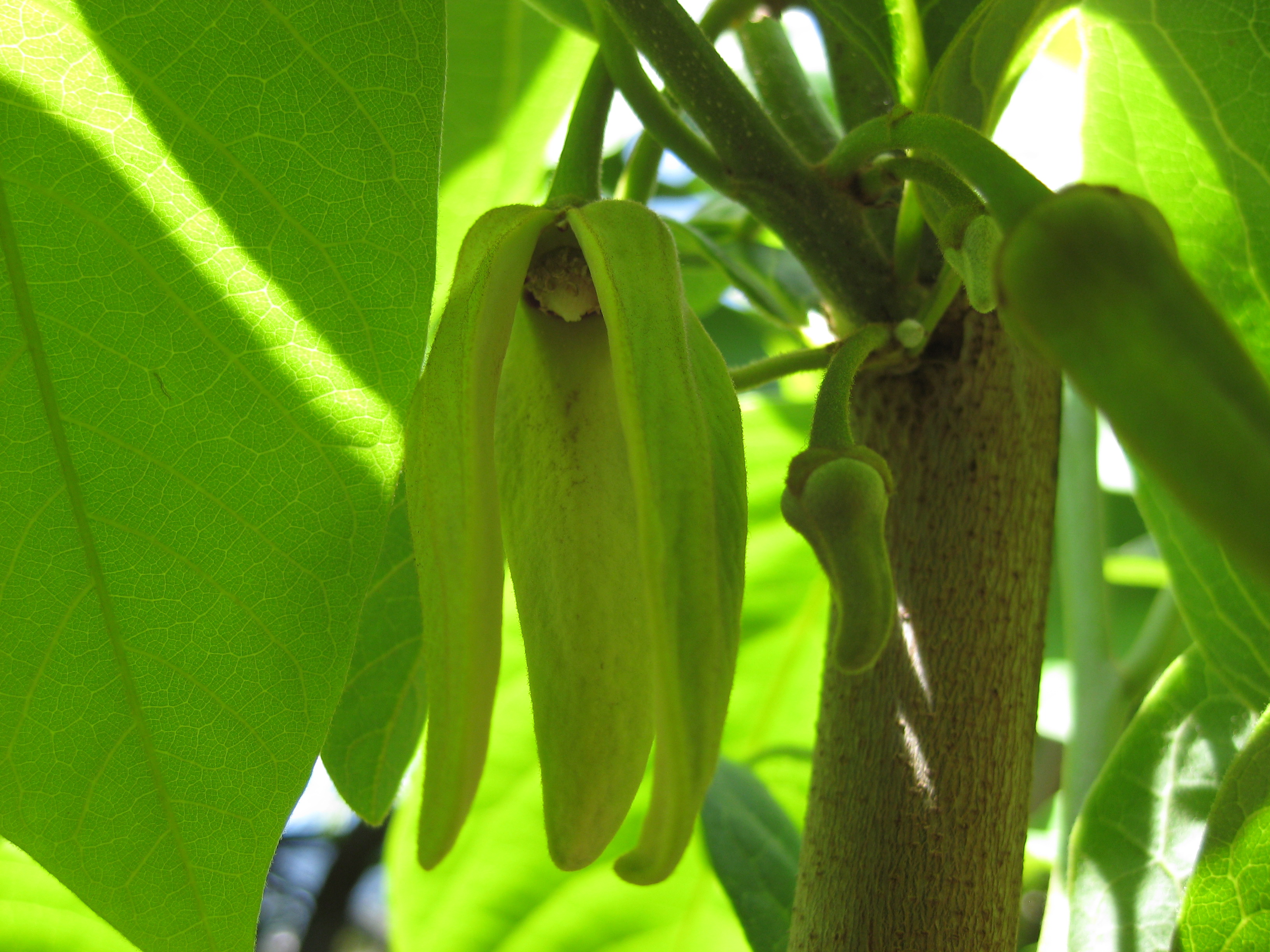
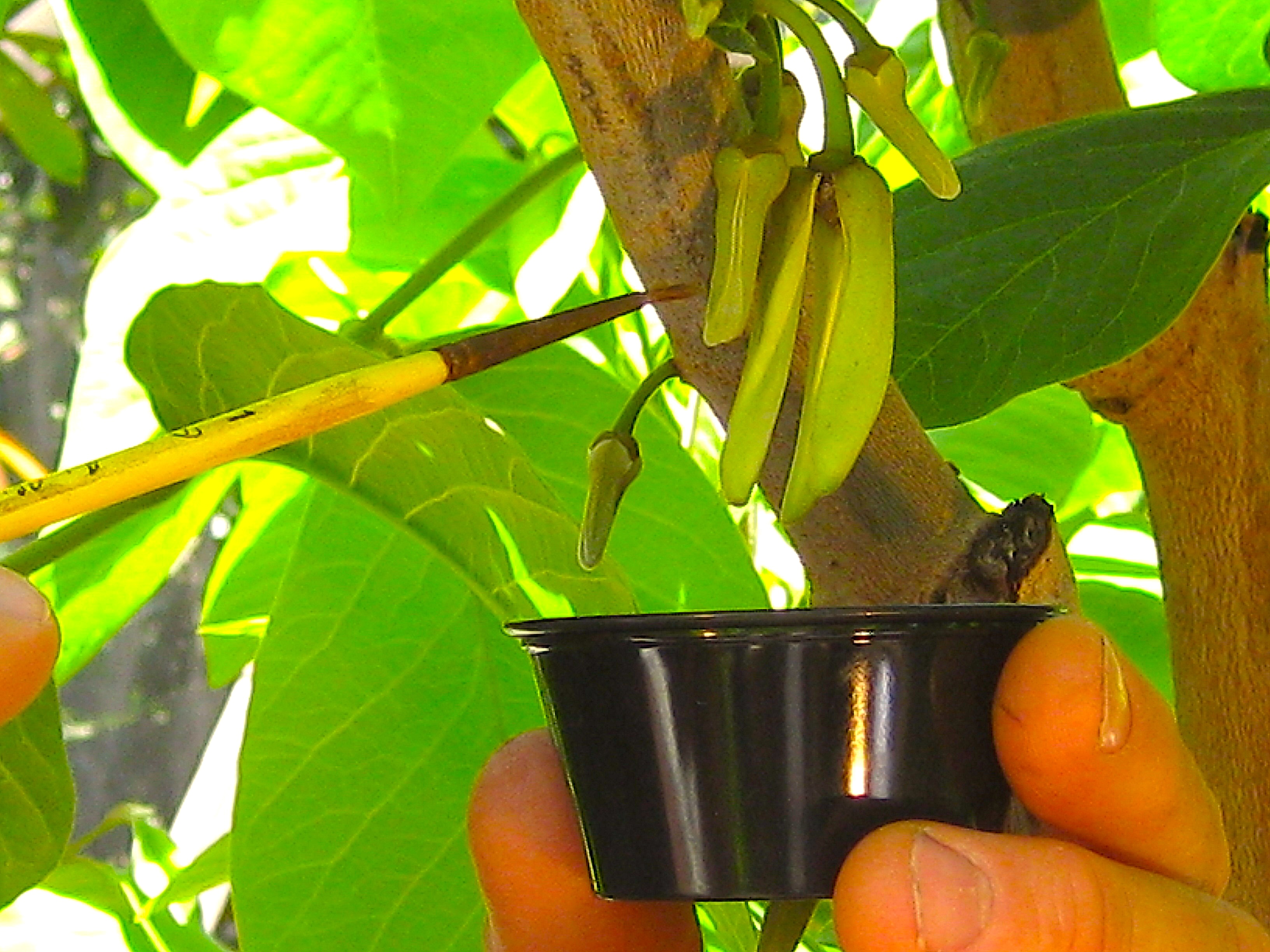
I've noticed that once people sample a properly ripened cherimoya fruit, most agree—allowing for individual taste—that it is a fruit not easily forgotten. On that note, growing exceptional cherimoyas in Southern California's warmer inland valleys often calls for one additional step: hand pollination. Rather than viewing this as an inconvenience, I've come to think of it as one of the most rewarding aspects of growing the tree. I still remember the excitement of discovering my very first successfully hand-pollinated fruit. There's a certain satisfaction in realizing that something as simple as a small artist's brush and a few quiet moments among the blossoms helped make that fruit possible. Over the years I've also found that hand pollination is something families can enjoy together. Children, in particular, seem to approach the task with genuine curiosity and enthusiasm. Perhaps they still retain that innate connection with the natural world that many of us older children have lost touch with as adulthood becomes increasingly demanding. For me, the process has always been surprisingly peaceful. Standing beneath the cool shade of the tree, surrounded by flowers whose fragrance subtly hints at the flavor of the fruit to come, there's an almost therapeutic quality to the experience. Weeks later, the first tiny developing fruits begin to appear, followed months afterward by the simple pleasure of harvesting your very first homegrown cherimoya—a true reward for your patience and care. In today's world, so much of our attention is captured by screens. Hand pollinating a cherimoya offers something entirely different. It invites you to slow down, spend a little time outdoors, and reconnect with nature in a way that's becoming increasingly rare. Sometimes what you find is a quiet afternoon and a welcoming cherimoya tree patiently waiting for you to stop by and say hello
| Common Name | Cherimoya |
| Scientific Name/Synonyms | Annona cherimola |
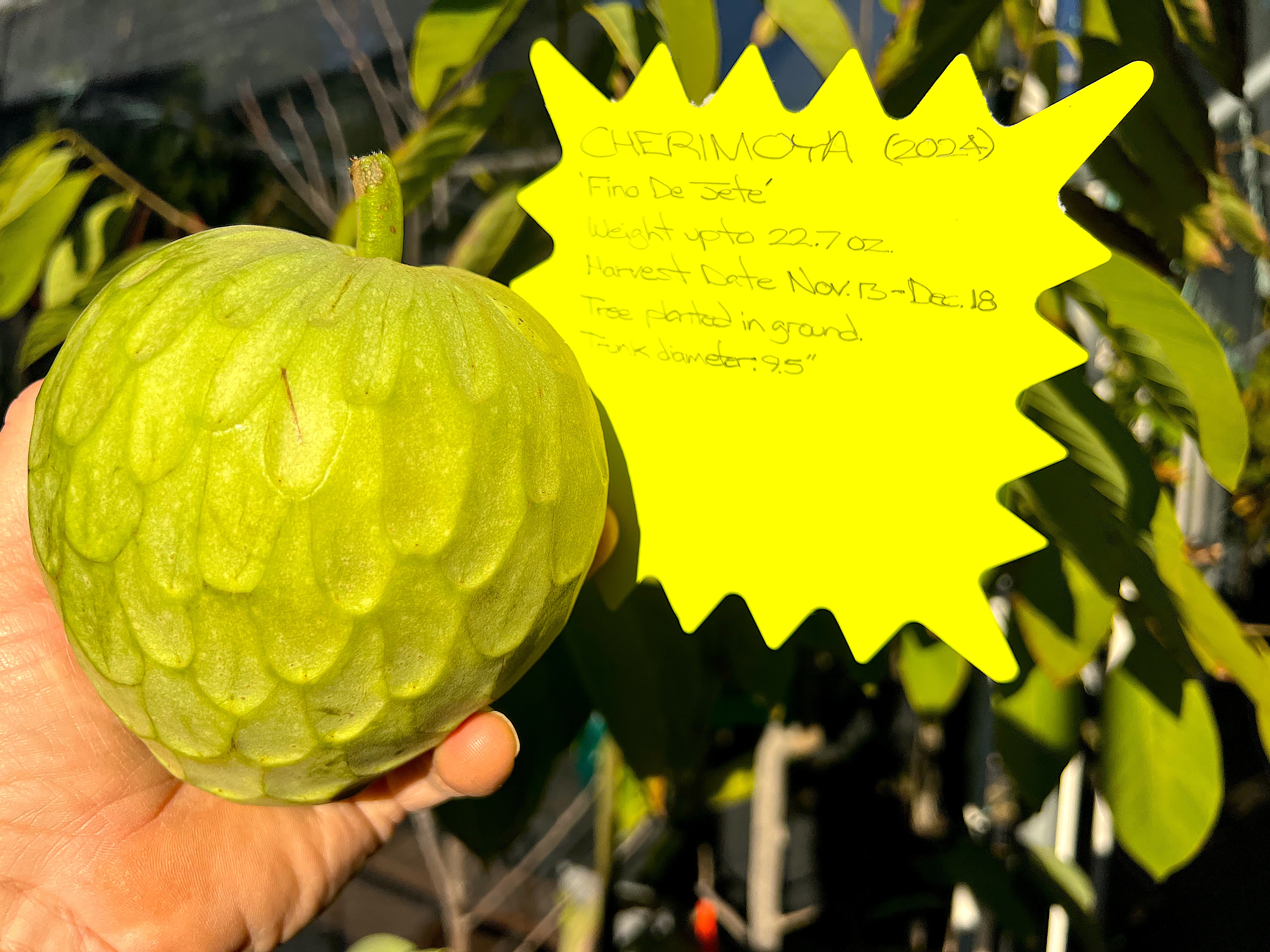
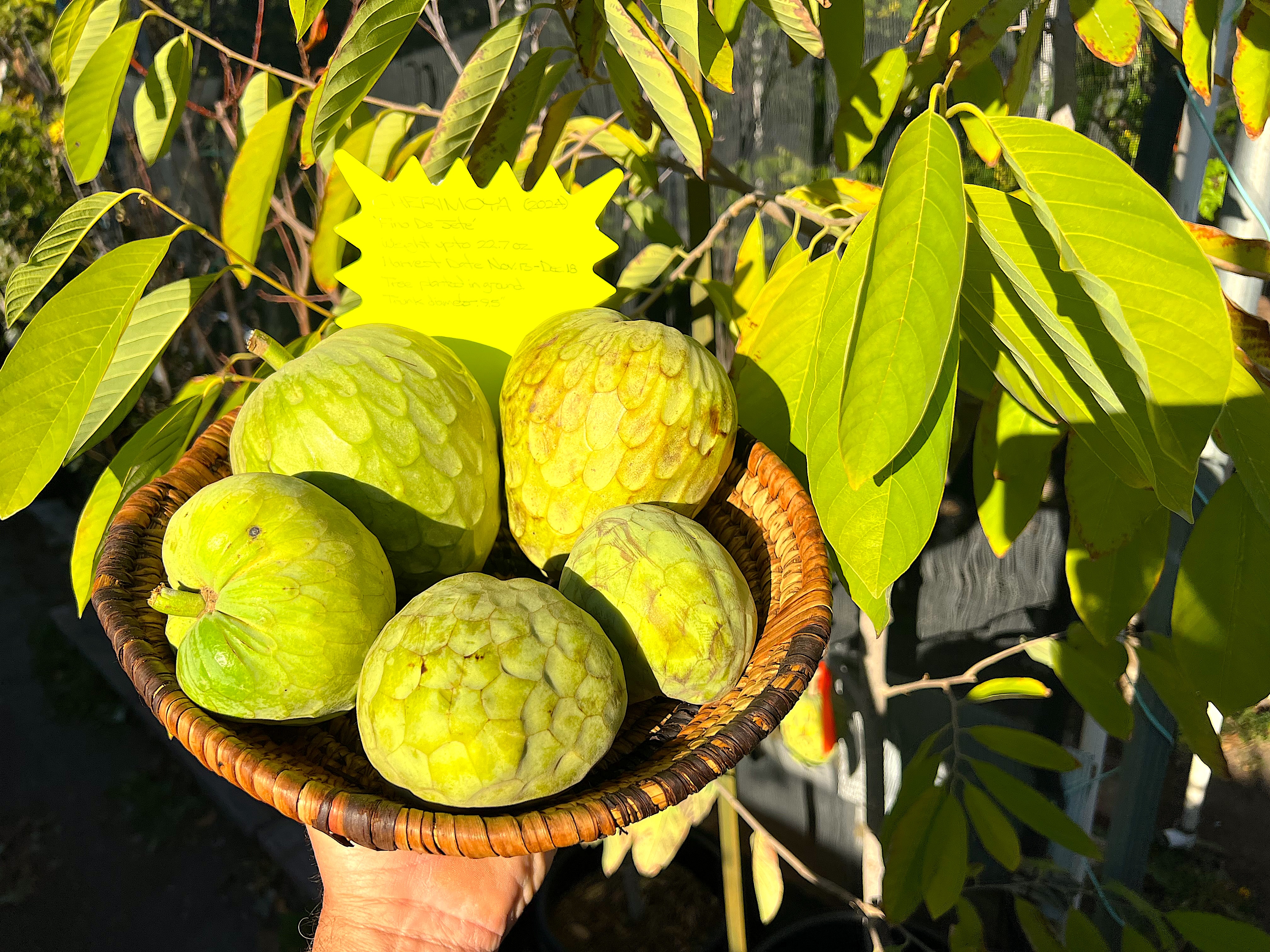
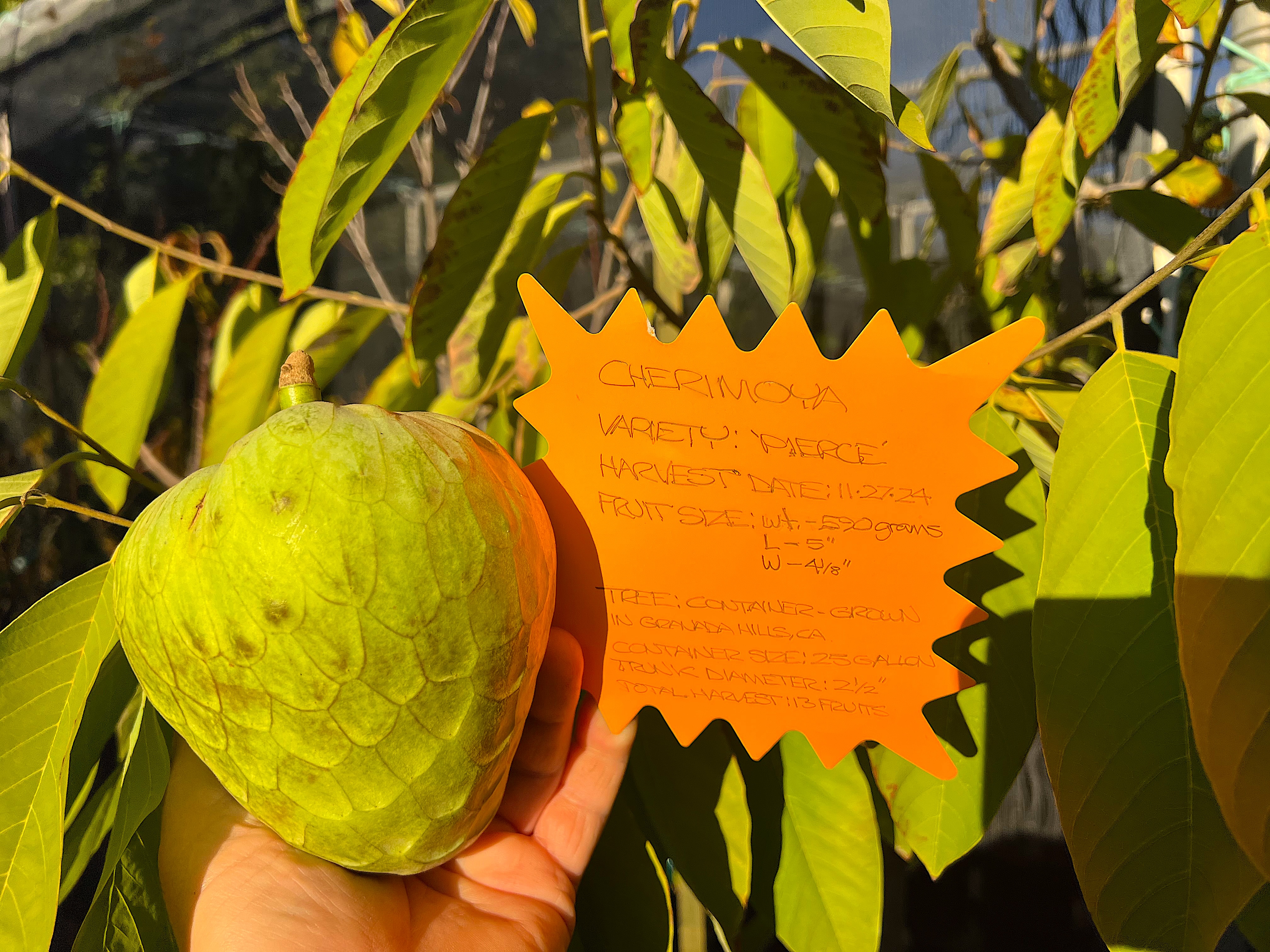
| Cultivars/Varieties | M&N, Pierce, El Bumpo, Booth, Fino de Jete |
| Country of Origin | Peru |
| Native Range | The inter-Andean valleys of Peru and Ecuador |
| Also found in other Regions | Today, cherimoya is cultivated in many subtropical regions of the world, including Spain, Chile, California, Australia, New Zealand, Israel, and parts of Central and South America. |
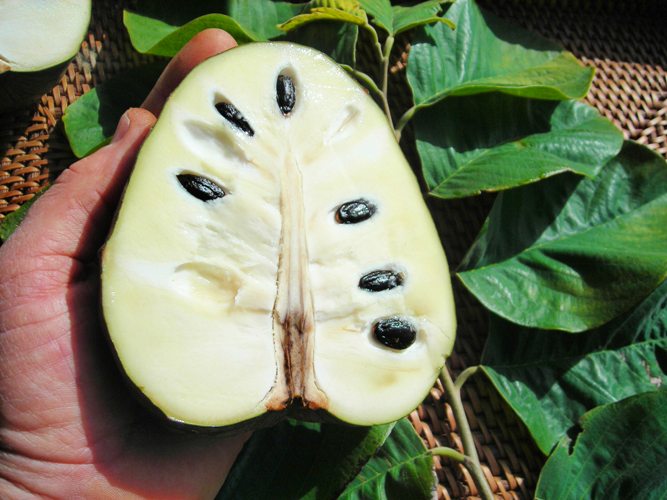
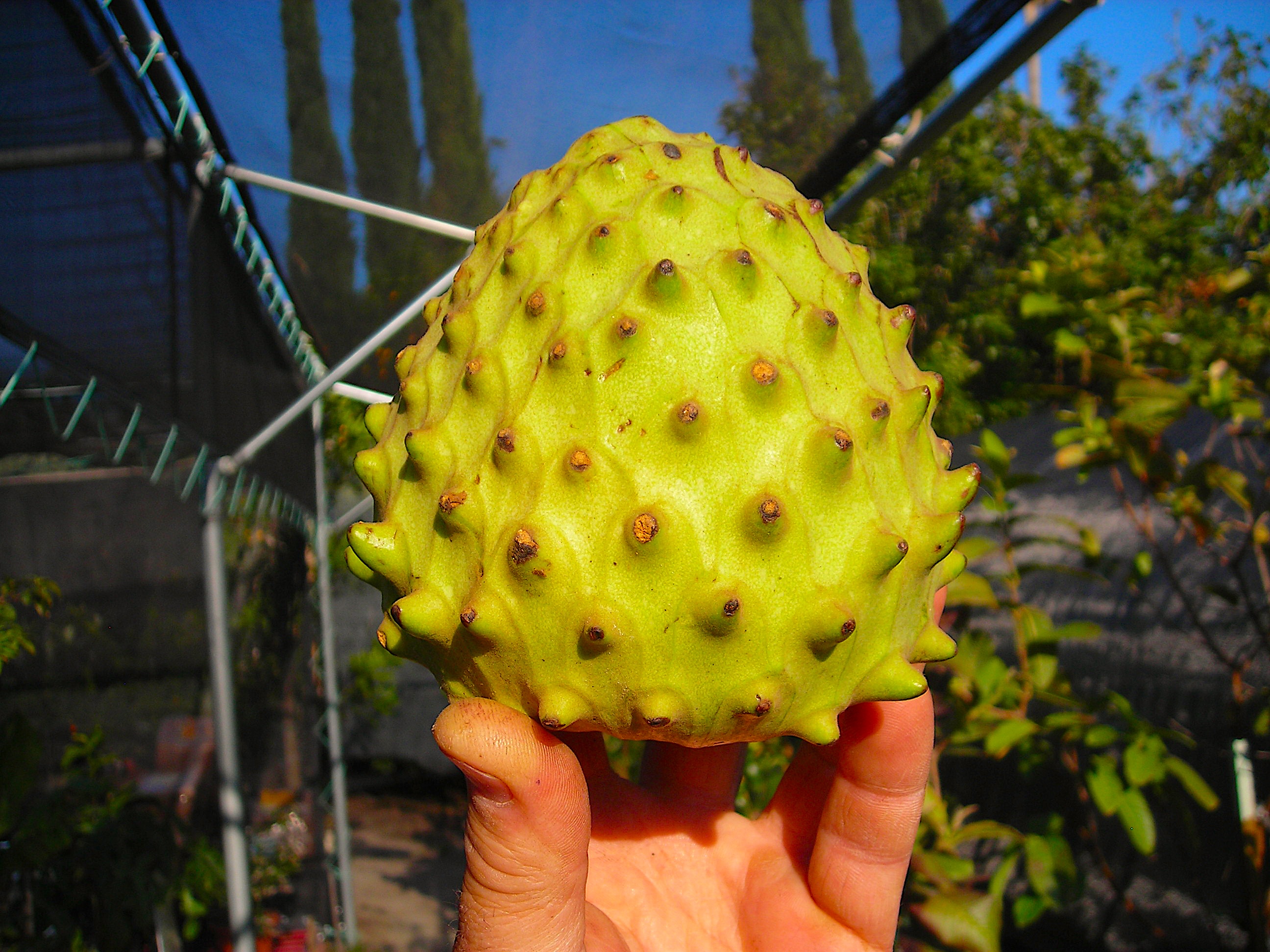
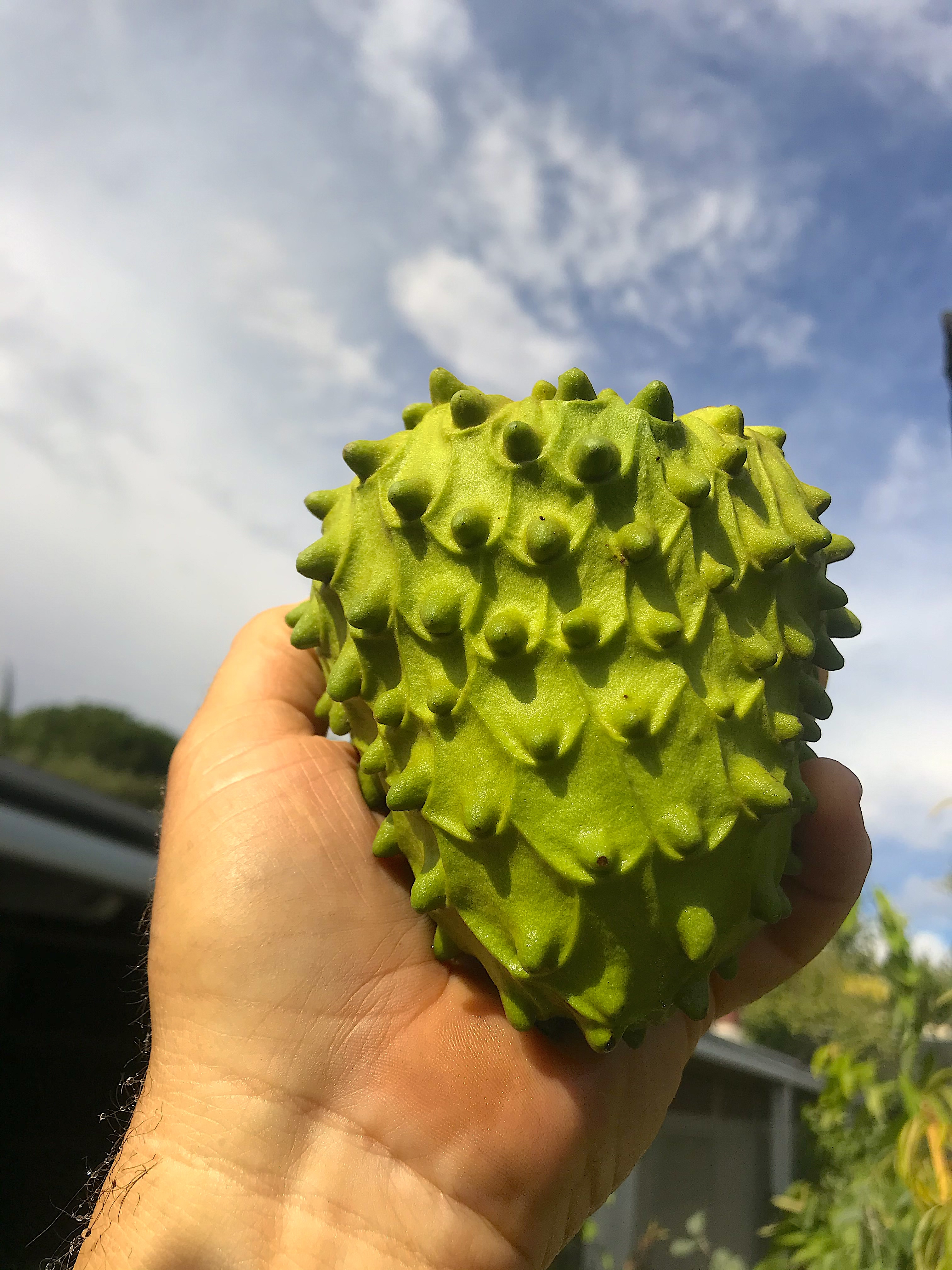
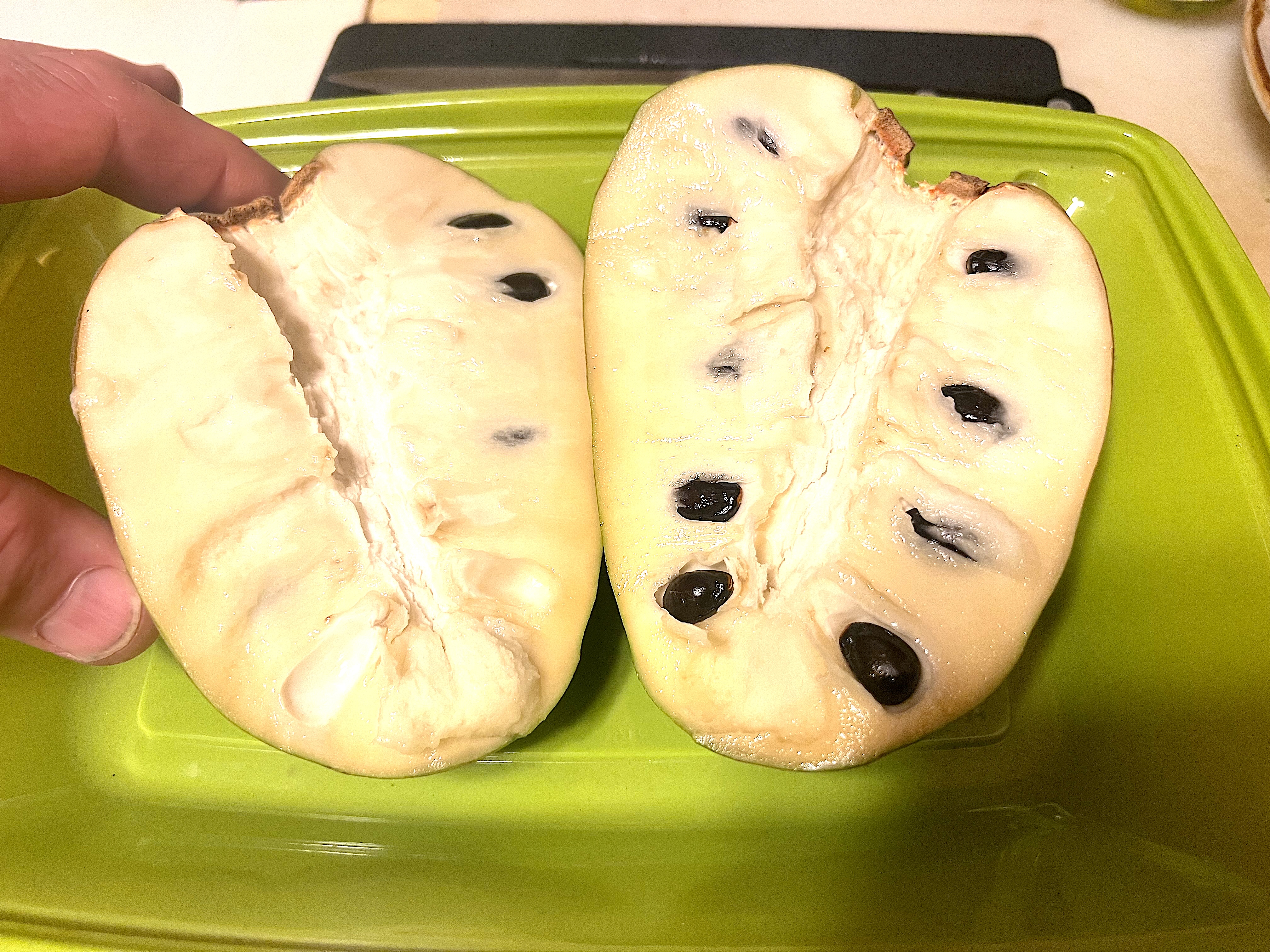
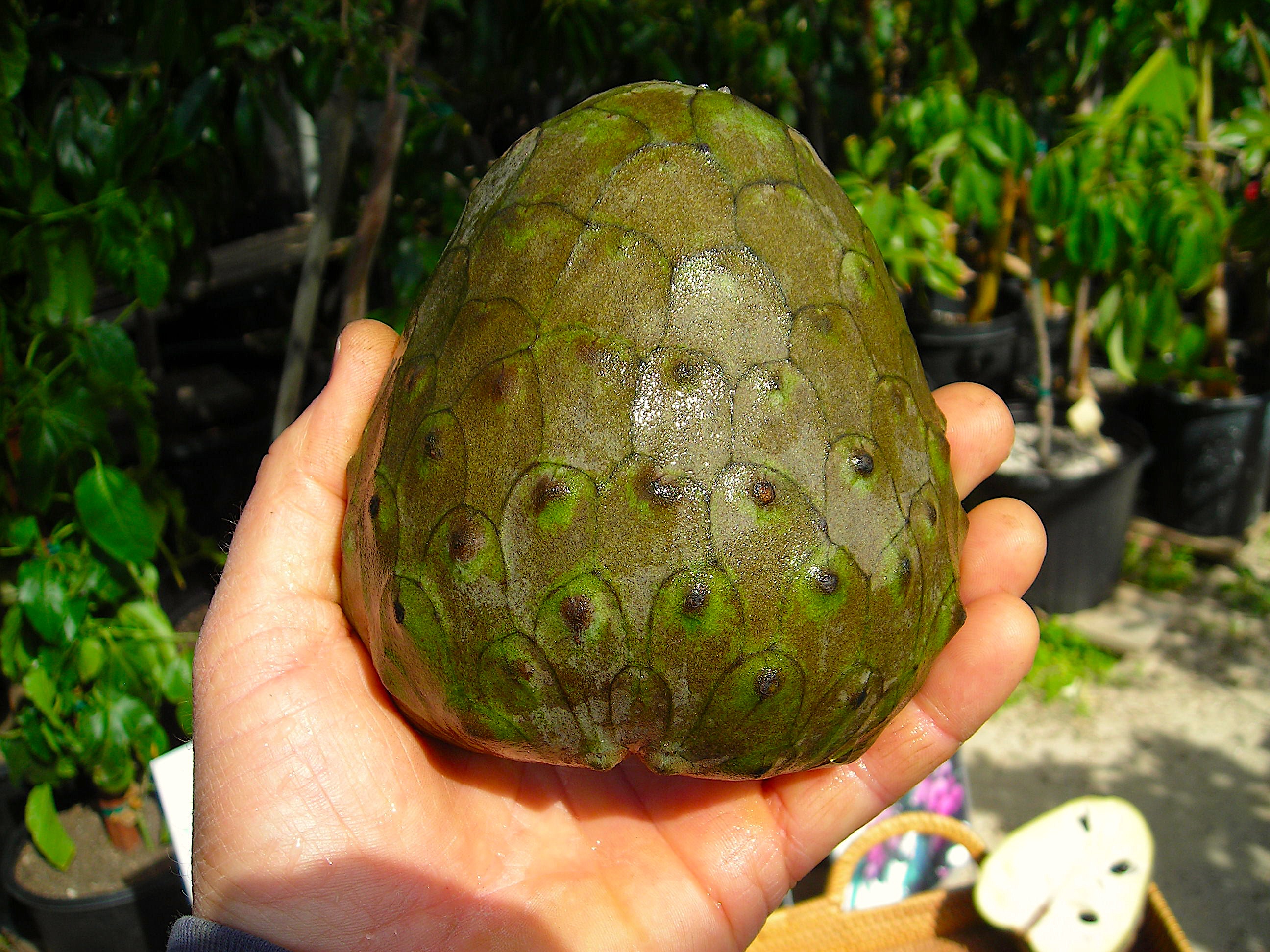
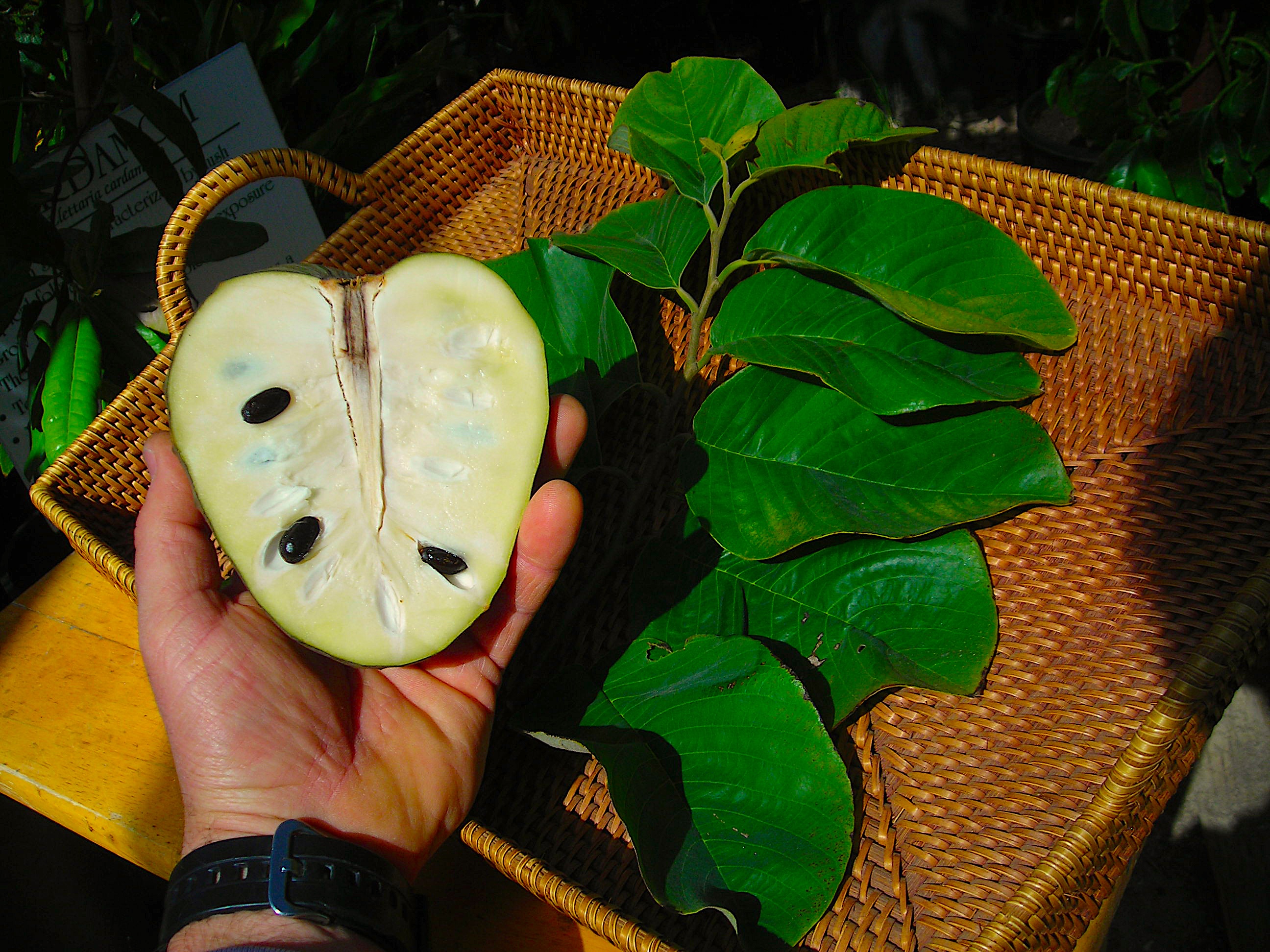
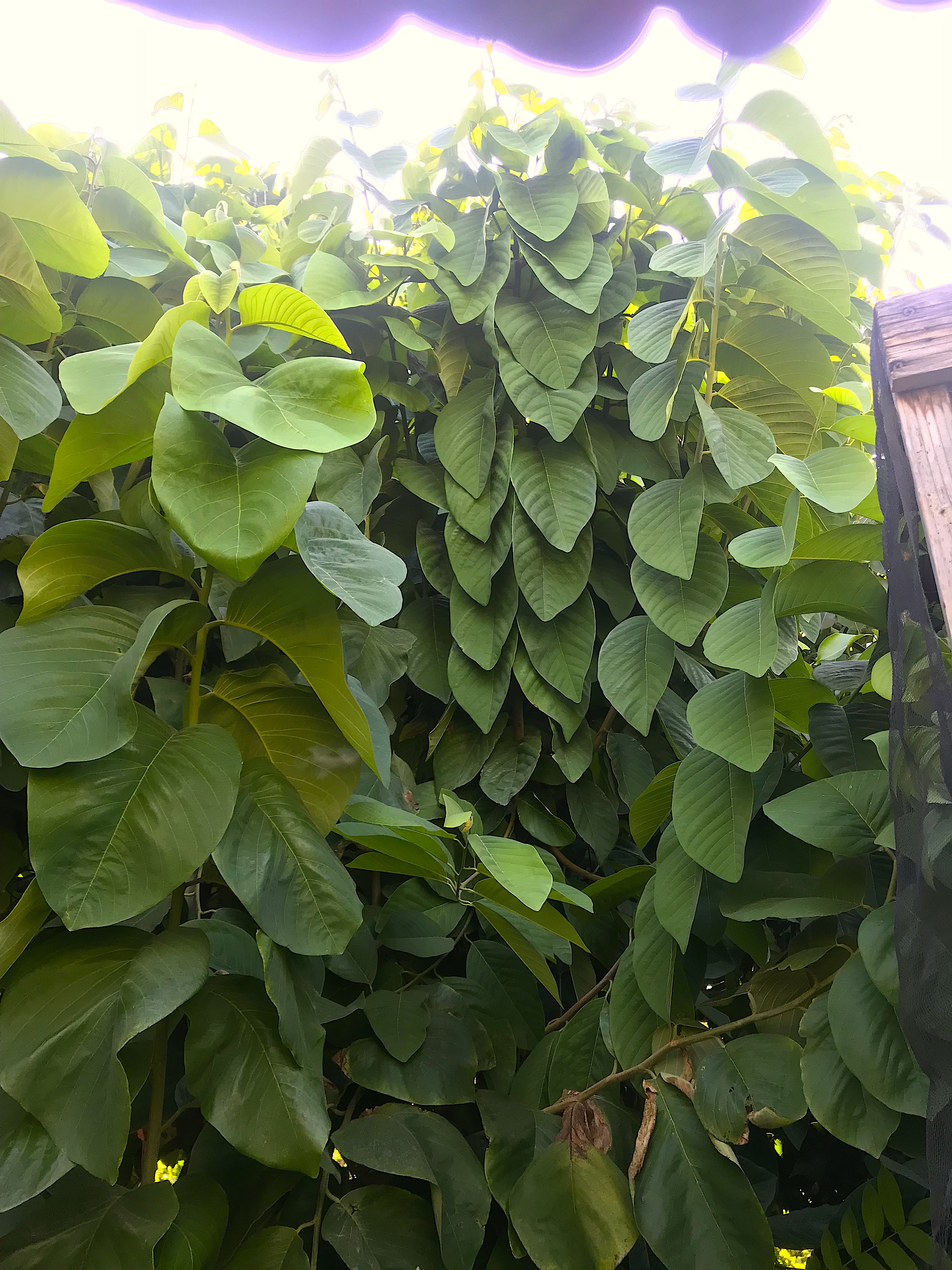
| Description | Cherimoya (Annona cherimola), often referred to as the "Custard Apple," is a semi-deciduous to evergreen tree native to the inter-Andean valleys of Peru and Ecuador, where the species has grown for thousands of years. Although commonly compared with its close relative, the Sugar Apple (Annona squamosa), many fruit enthusiasts consider the cherimoya to possess the finer dessert quality of the two species. The fruit offers a melting, custard-like flesh with a complex flavor often described as a blend of banana, pineapple, mango, and even hints of feijoa (pineapple guava), resulting in a remarkably rich and aromatic dessert fruit. The tree is also attractive in its own right, producing broad, velvety green leaves and unusual flowers whose delicate fragrance is surprisingly reminiscent of the aroma of the ripe fruit itself. Unlike many tropical fruits, cherimoya thrives in Southern California's mild subtropical climate, making it exceptionally well suited to both coastal and many inland valley locations where winter temperatures remain moderate.Despite its exceptional flavor, cherimoya has long faced several marketing challenges. Unlike many fruits, the skin remains green even when fully ripe, while its overlapping scales give the fruit an almost reptilian appearance to the unfamiliar consumer. Depending upon cultivar, individual fruits commonly weigh between one and four pounds, making the retail price($10-$12. per lb), seem surprisingly high when sold by weight. Fortunately, growing public awareness and appreciation for this remarkable fruit have increased over the past several decades, and cherimoyas are now appearing more frequently in larger supermarkets rather than being found only in specialty produce markets and farmers' markets. Samuel Clemens (Mark Twain), after first tasting cherimoya during his 1866 visit to Hawaii, famously described it as "deliciousness itself" and later referred to it as "the most delicious fruit known to men." More than 150 years later, many cherimoya enthusiasts would likely agree that Twain's famous description still captures the experience remarkably well. |
| Evergreen/Deciduous | Semi-deciduous to evergreen, depending on climate |
| Height x Width | 12 – 16 ft. tall × 10 –12 ft. wide |
| Growth Habit | Small to medium-sized, upright tree with a rounded, spreading canopy. |
| Growth Rate | Moderate to fast. |
| Sun Exposure | Full sun in coastal areas; light afternoon shade can be beneficial in hotter inland locations during extreme summer heat. |
| Cold Hardiness | Approximately 28°F (-2°C) once established; young trees should be protected from frost. |
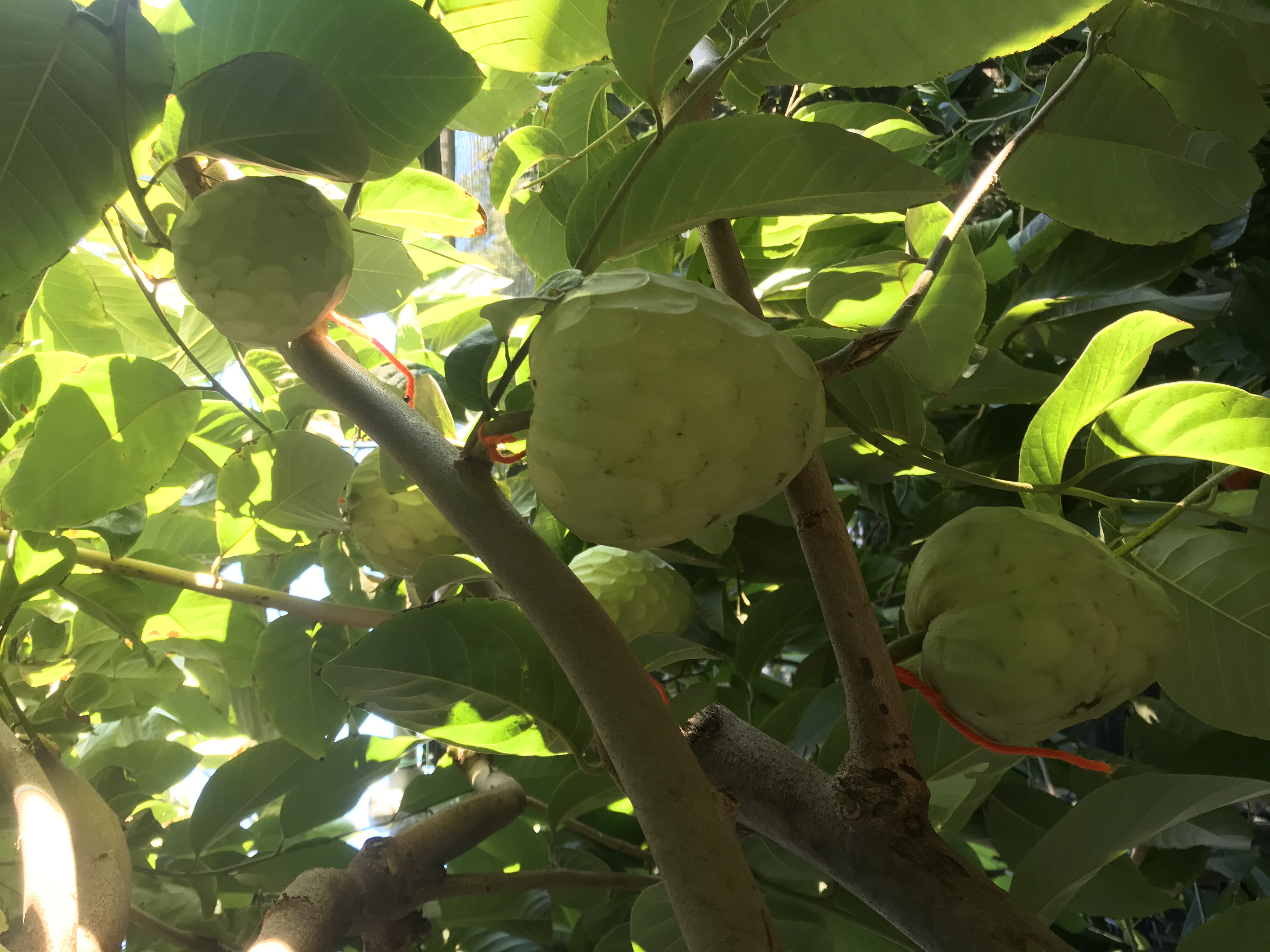
| Fruit Bearing Age/Height | Typically 2–3 years after planting a grafted tree |
| Suitable To Container Culture | Suitable while young, but best grown in the ground for long-term production |
| Harvest Period | Late fall(Inland) through spring(Coastal), depending on climate and cultivar. |
| Video | Coming Soon |
Growing Tip: Every now and then, when the topic of cherimoya tree culture is discussed, someone inquires about hand pollination of cherimoya flowers, expressing their difficulties in doing so. One of the more common challenges mentioned is the absence of both male and female flowers simultaneously. However, it's quite normal for the flowers to appear in cycles of almost exclusively male or almost exclusively female flowers. Nevertheless, there will be periods when both sexes are present together. Additionally, I’ve observed that even when it appears that only one sex is available, if you look closely, you’ll usually find the opposite sex (albeit in low numbers) just enough to pollinate a few flowers. If you would like to know more, please review the video on the subject located at www.papayatreenursery.com.