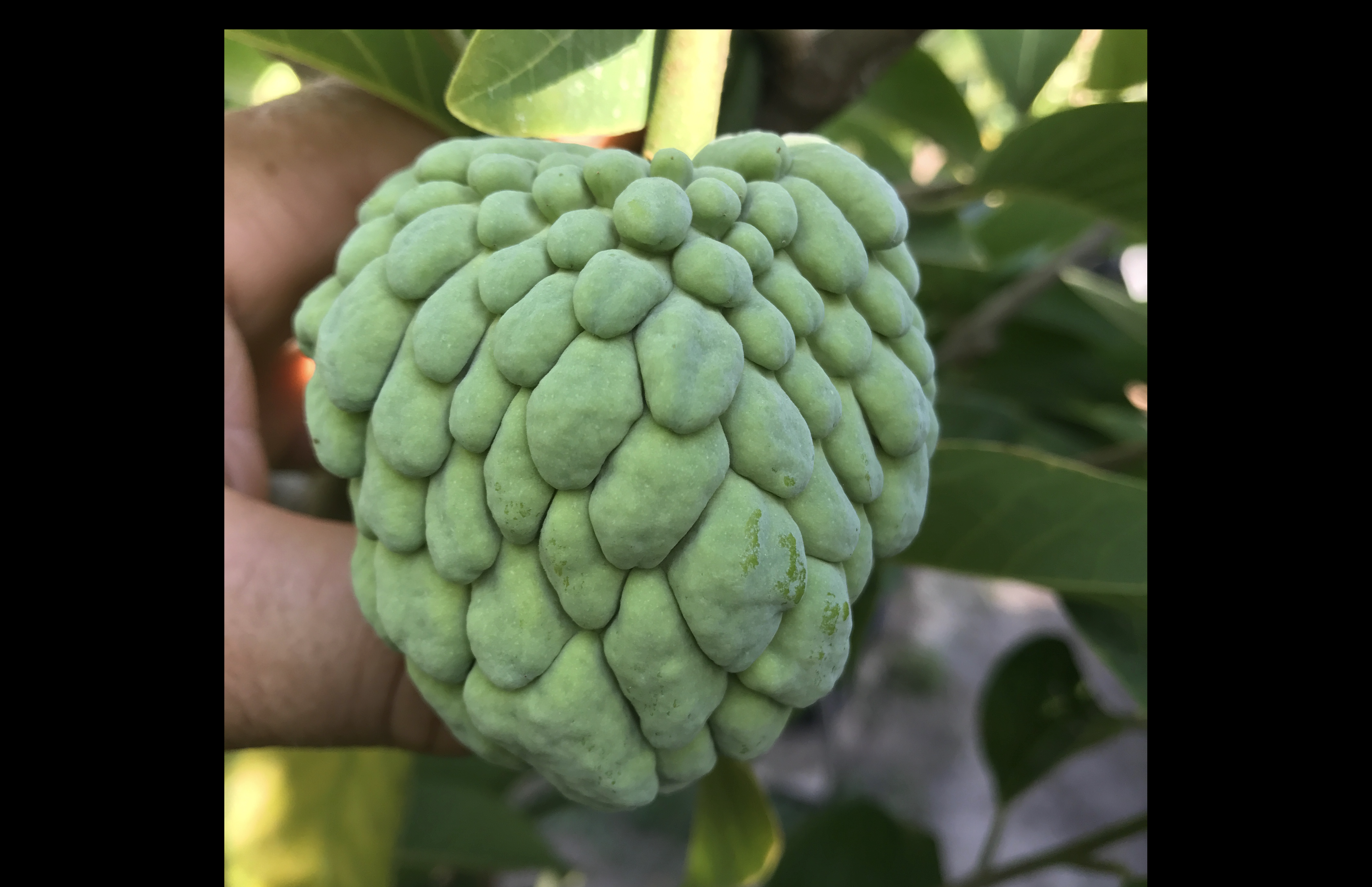
| Common Name | Sugar Apple / Sweetsop / Custard Apple / Anon / Annona / Atis / Fruta Do Conde / Noinah / Sharifa / Sitafal / Tsu Ja |
| Scientific Name/Synonyms | Annona squamosa |
| Cultivars/Varieties | 'Kampong Mauve', 'Thai - Lessard', 'Giant' |
| Country of Origin | Mexico (Southern) |
| Native Range | Southern Mexico → Tropical America |
| Also found in other Regions | Bahamas, Bangladesh, Brazil, Cambodia, Cayman Is., South & Southeast China, Cook Is., Cuba, Dominican Rep., Ecuador, Ethiopia, French Guiana, Haiti, India, Jamaica, Laos, Mauritius, Nepal, Puerto Rico, Queensland, Rwanda, SriLanka, Suriname, Taiwan, Thailand, Venezuela, Vietnam |
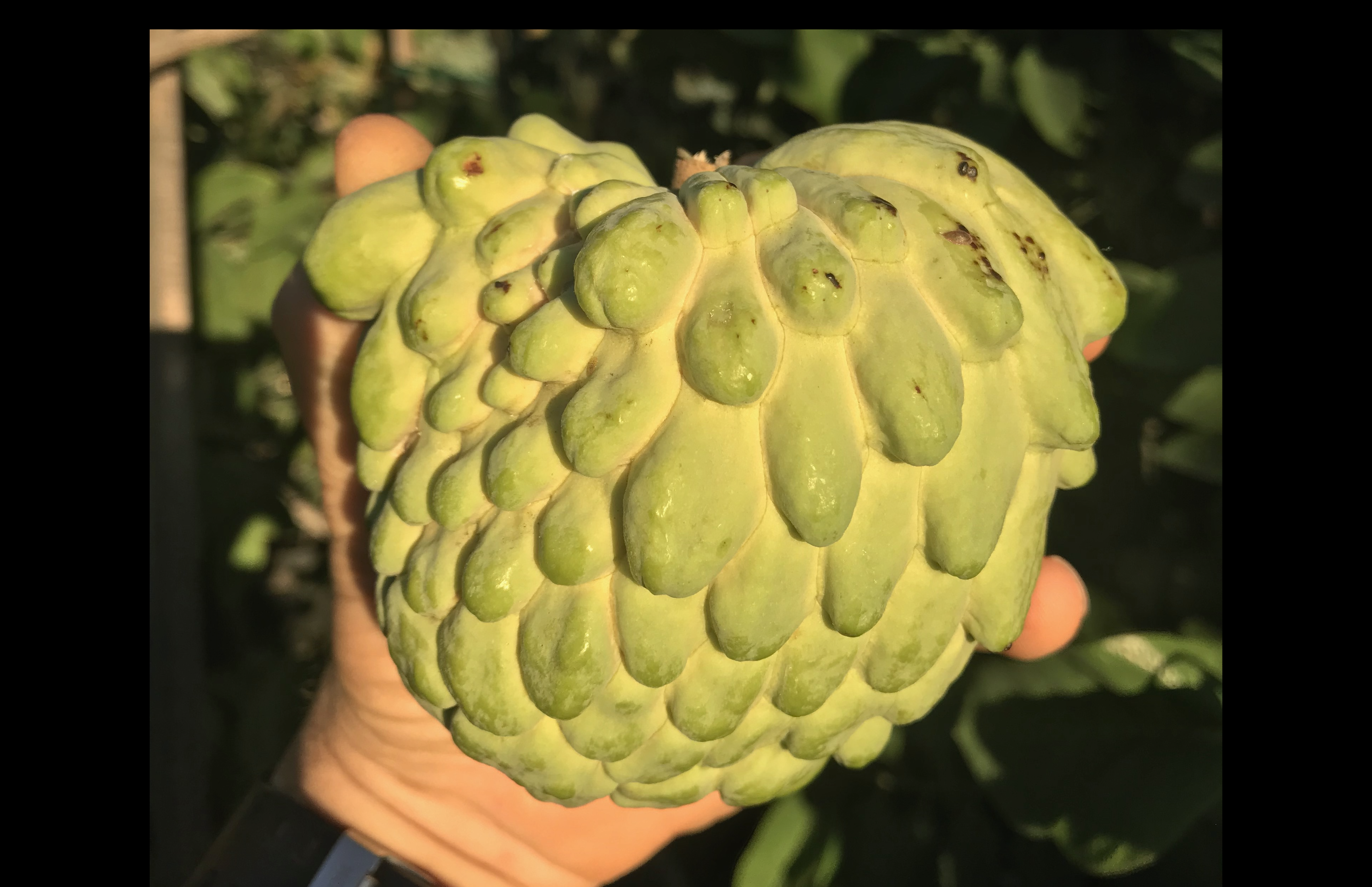
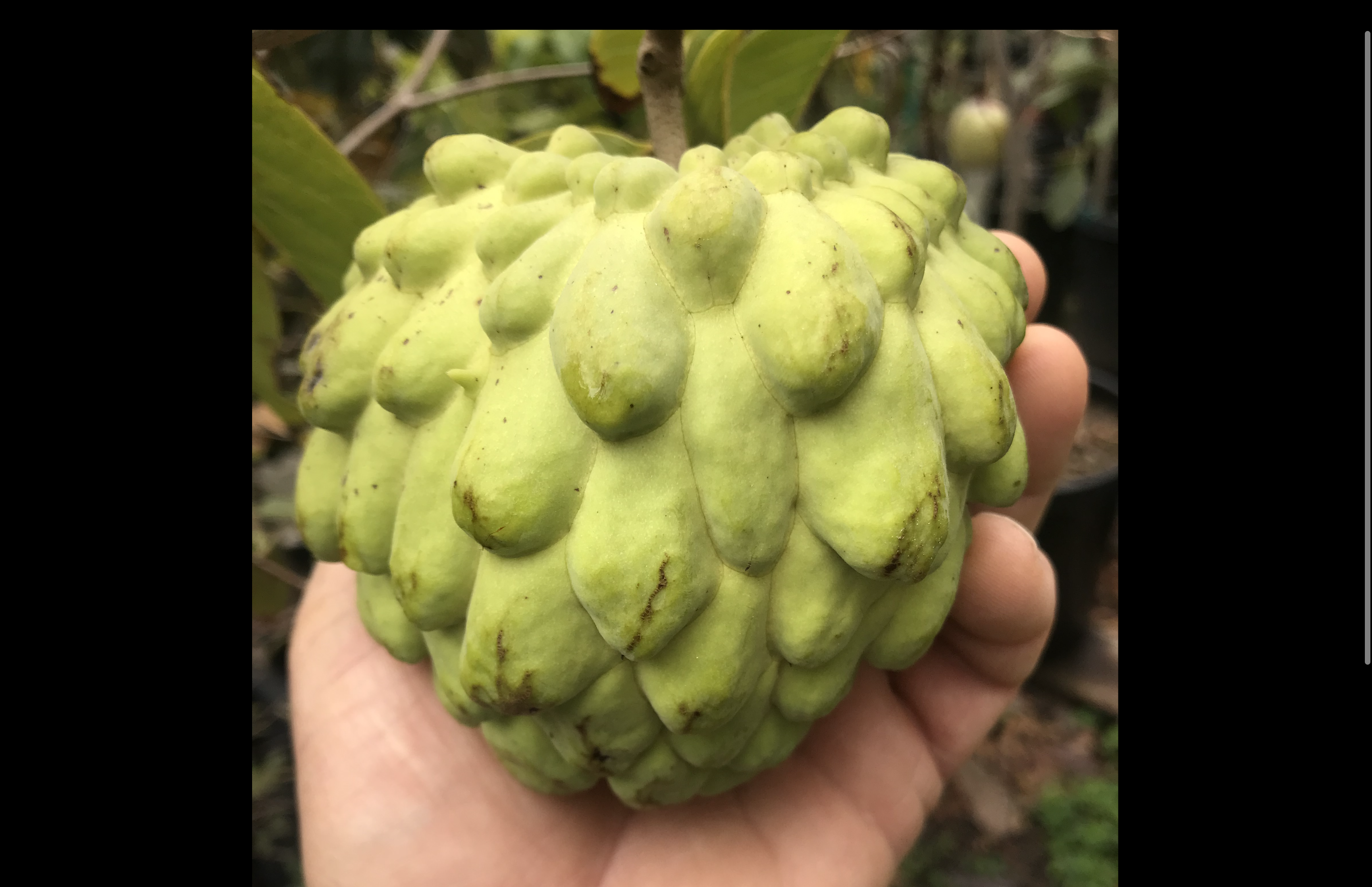
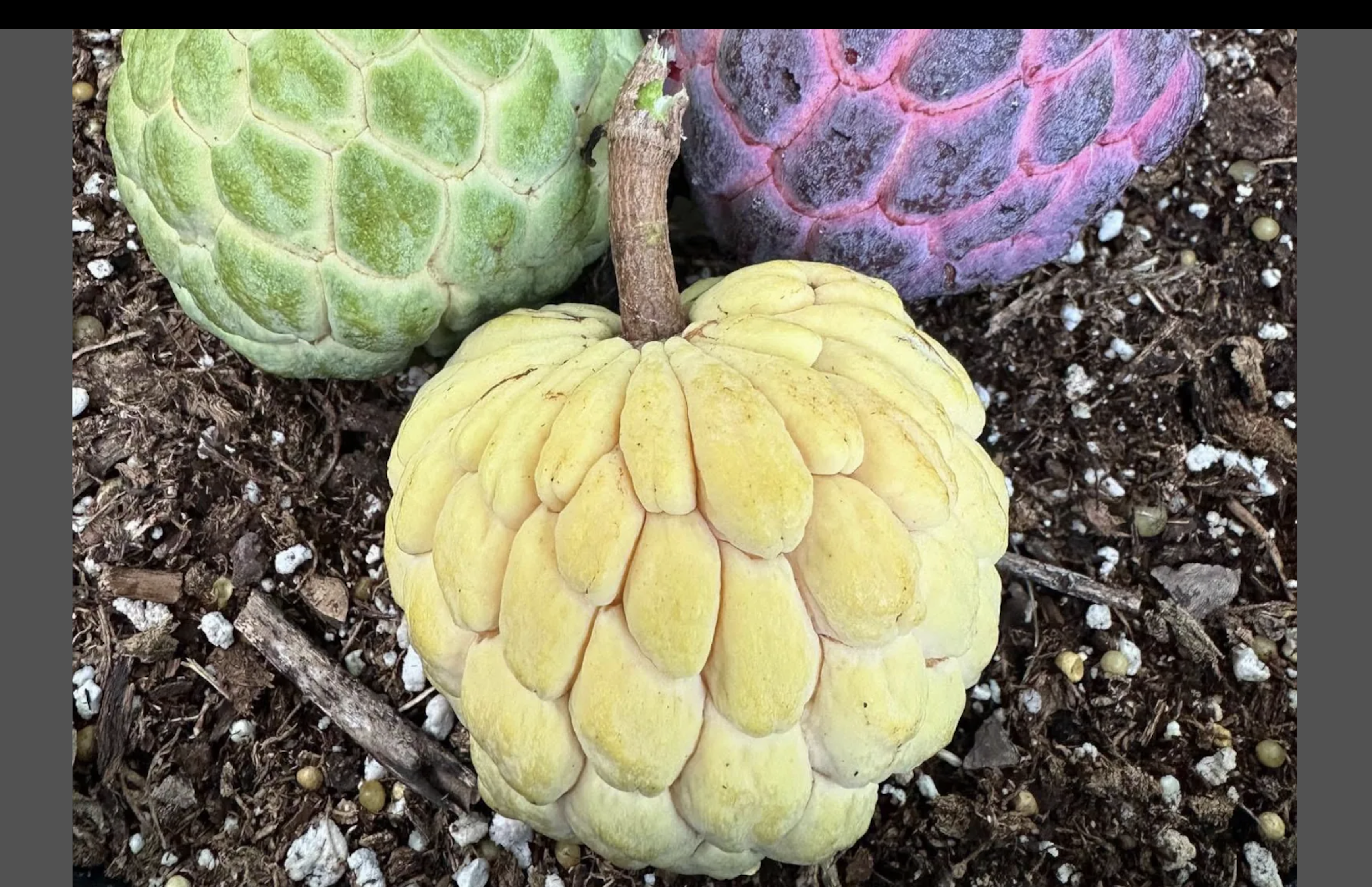
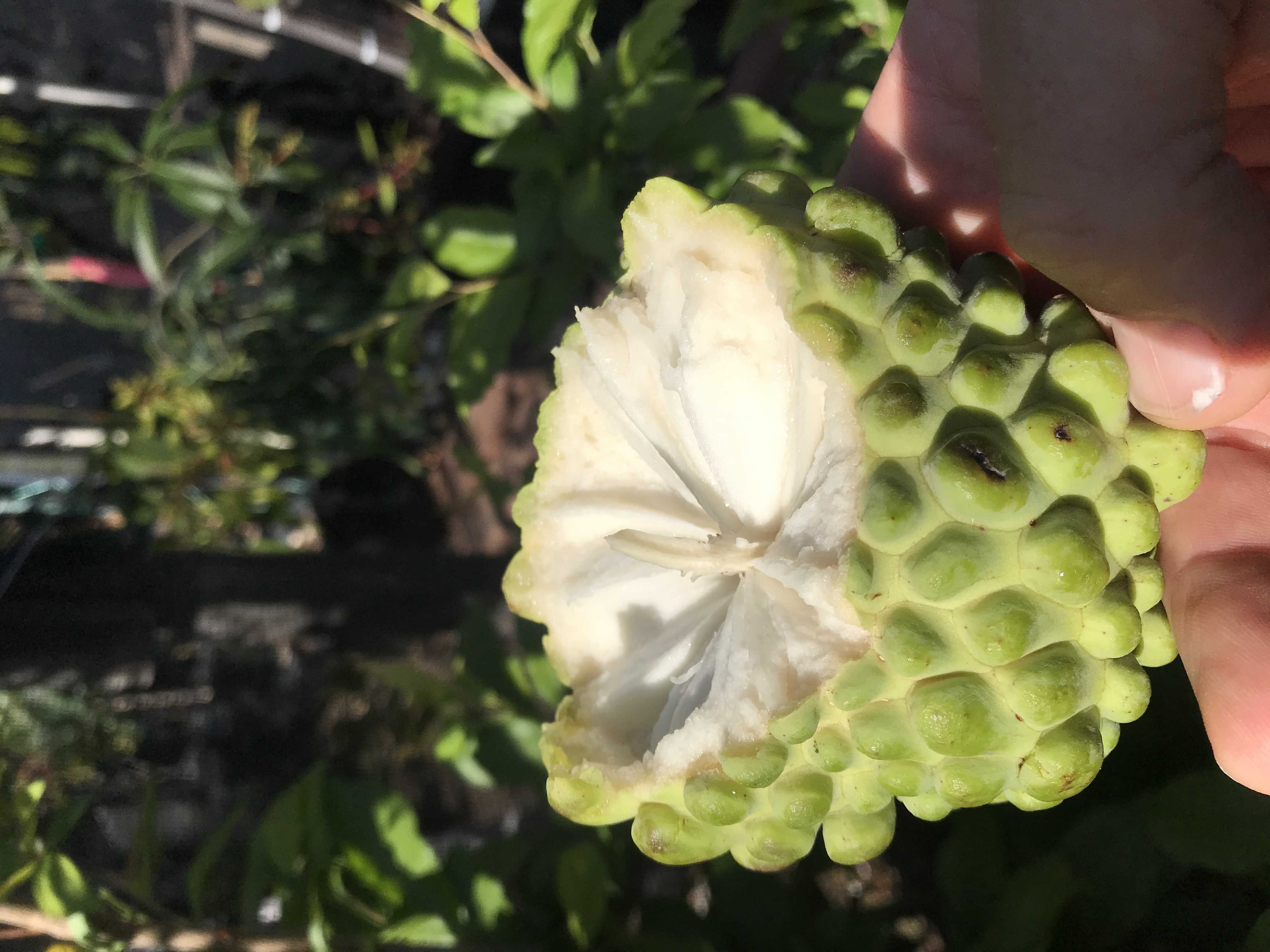
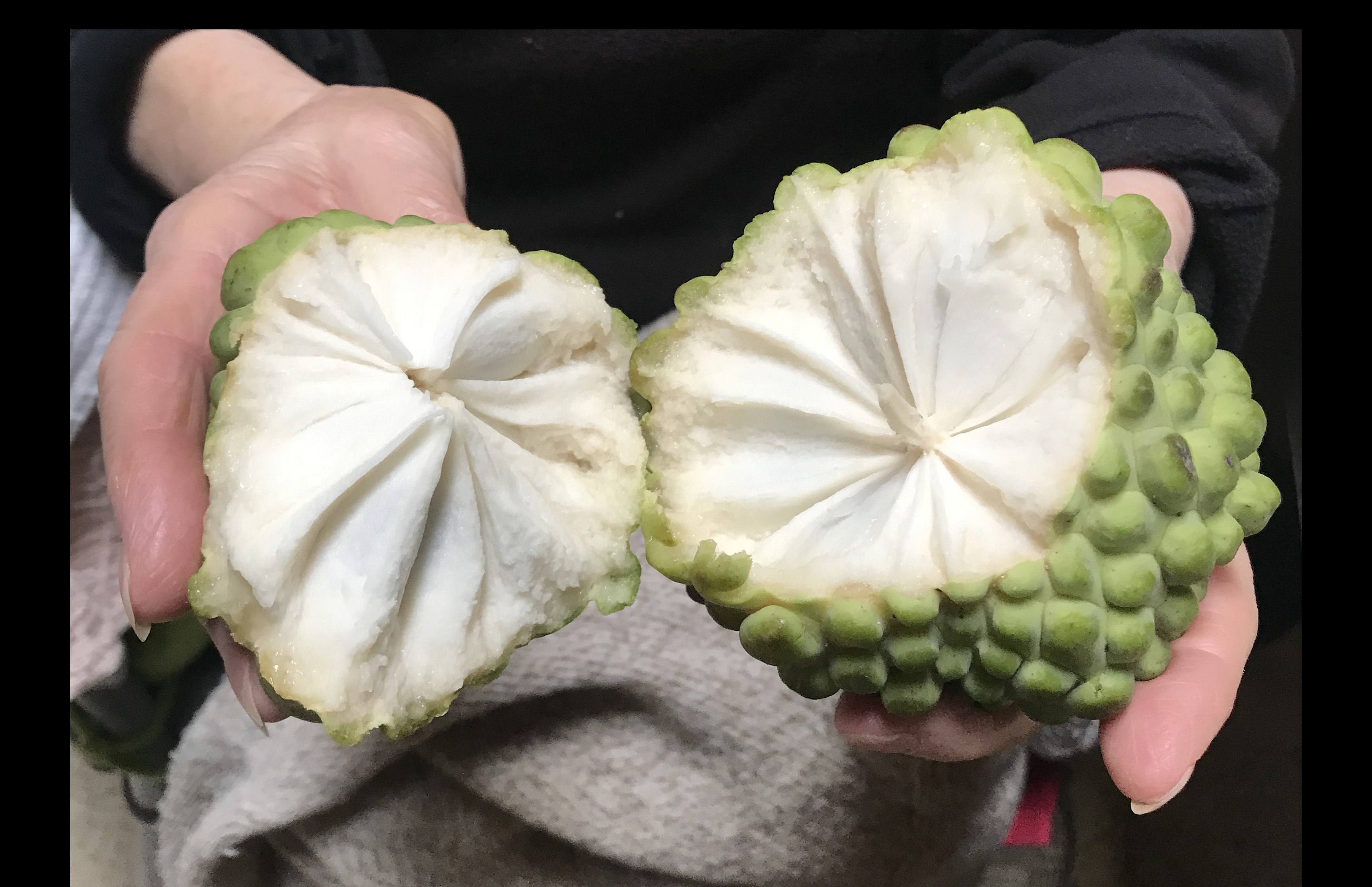
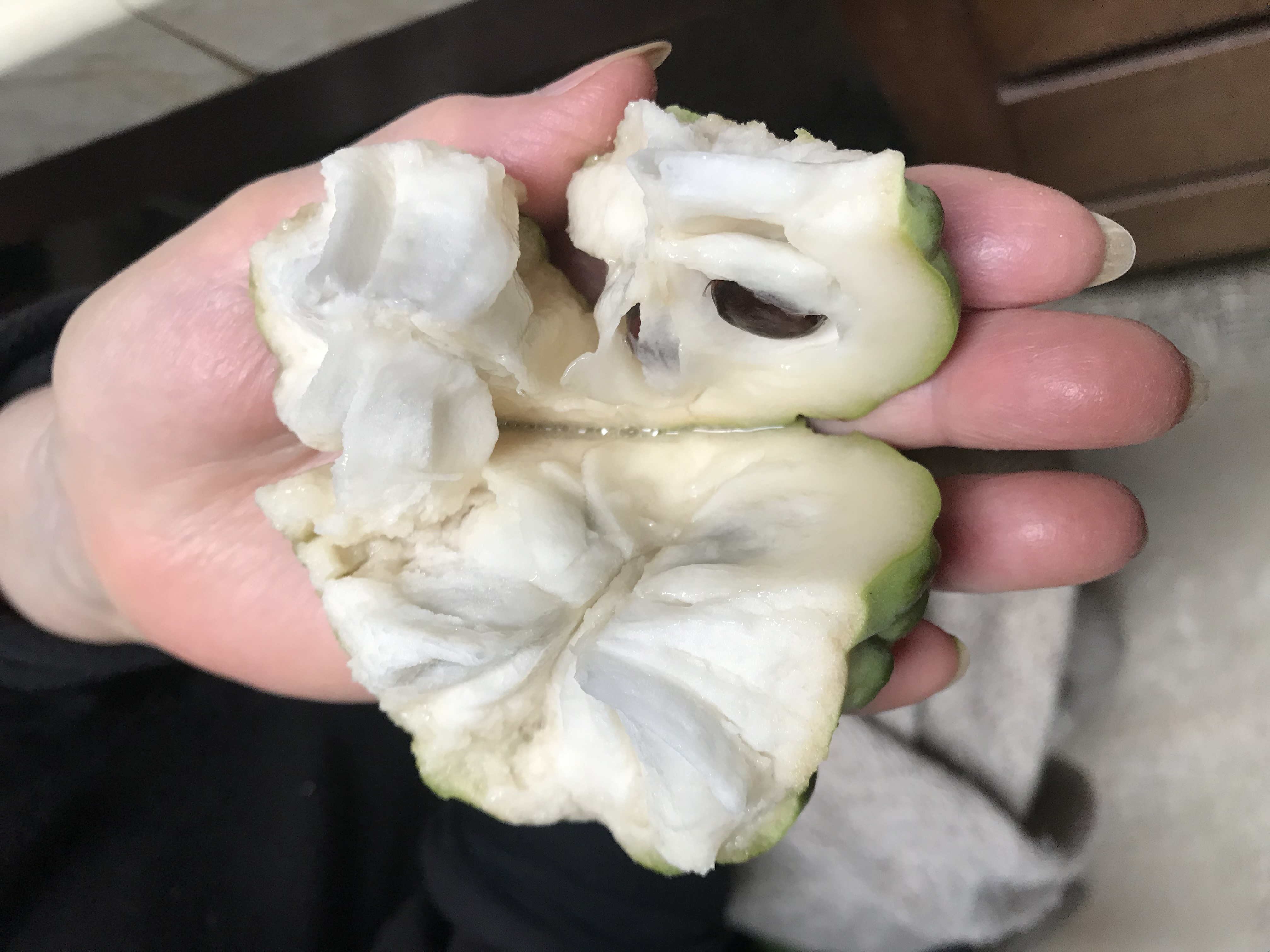
| Description | The Sugar Apple is a relatively small, tropical fruit tree belonging to the Annonaceae family that also includes the cherimoya, atemoya, soursop and a few other related species. It is thought to have a native range beginning as far west as Baja California and extending throughout Mexico, all of Central America and Colombia. It has since been distributed from the tropical West Indies, into tropical Africa, Saudi Arabia, India, Southern China, Southeast Asia and as far as northern Australia. To this day the fruit has cultural significance and is particularly popular in tropical South America, India, the Philippines, Thailand and Vietnam. For the deliciously sweet and juicy fruit itself, I thought to include a point of clarification regarding common names; the fruit of the sugar apple tree is also commonly referred to as "Custard Apple" and while that common name does seem to reasonably describe both the sugar apple's fruit texture(Custard) and fruit size(Apple), that common name belongs to the closely-related A. reticulata (aka, "Bullock's Heart"), which, to makes things somewhat more confusing, is a fruit that closely shares the appearance(only) of the A. cherimola yet lacks the flavor complexity of the cherimoya. The appearance of properly ripened, fully developed sugar apple fruit is both eye-catching and exotic with a surface skin texture consisting of large, knobby protrusions separated by deep valleys suggesting a segmented fruit just below the surface. The size of this spherically shaped fruit typically ranges from 2 1/2" - 4" in diameter. Unfortunately, it is a relatively seedy fruit yet most people that grew up consuming it do not seem to mind the less than desirable seed-to-flesh ratio. A curious characteristic of the true Sugar Apple fruit is that it can, interestingly, fall apart when allowed to remain on the tree too long, becoming overripe. Given its relatively tropical nature combined with its tendency to defoliate during winter, the wild version of sugar apple can be challenging to successfully grow in less than ideal tropical environments. Yet fortunately, there have been improved selections in recent times offering trees with growth characteristics that are more adaptable to a wider range of growing conditions, providing significantly improved chances of success. If you are up to the challenge, this one is worth the effort. |
| Evergreen/Deciduous | Deciduous |
| Height x Width | 8'- 10' x 6'- 8' |
| Growth Habit | Shrub - like, small tree |
| Growth Rate | Medium / Fast |
| Sun Exposure | Full Sun / Partial Shade |
| Cold Hardiness | Tolerant to 33°F |
| Fruit Bearing Age/Height | Five to Six Feet |
| Suitable To Container Culture | Yes |
| Harvest Period | August - October |
| Video | Coming Soon |