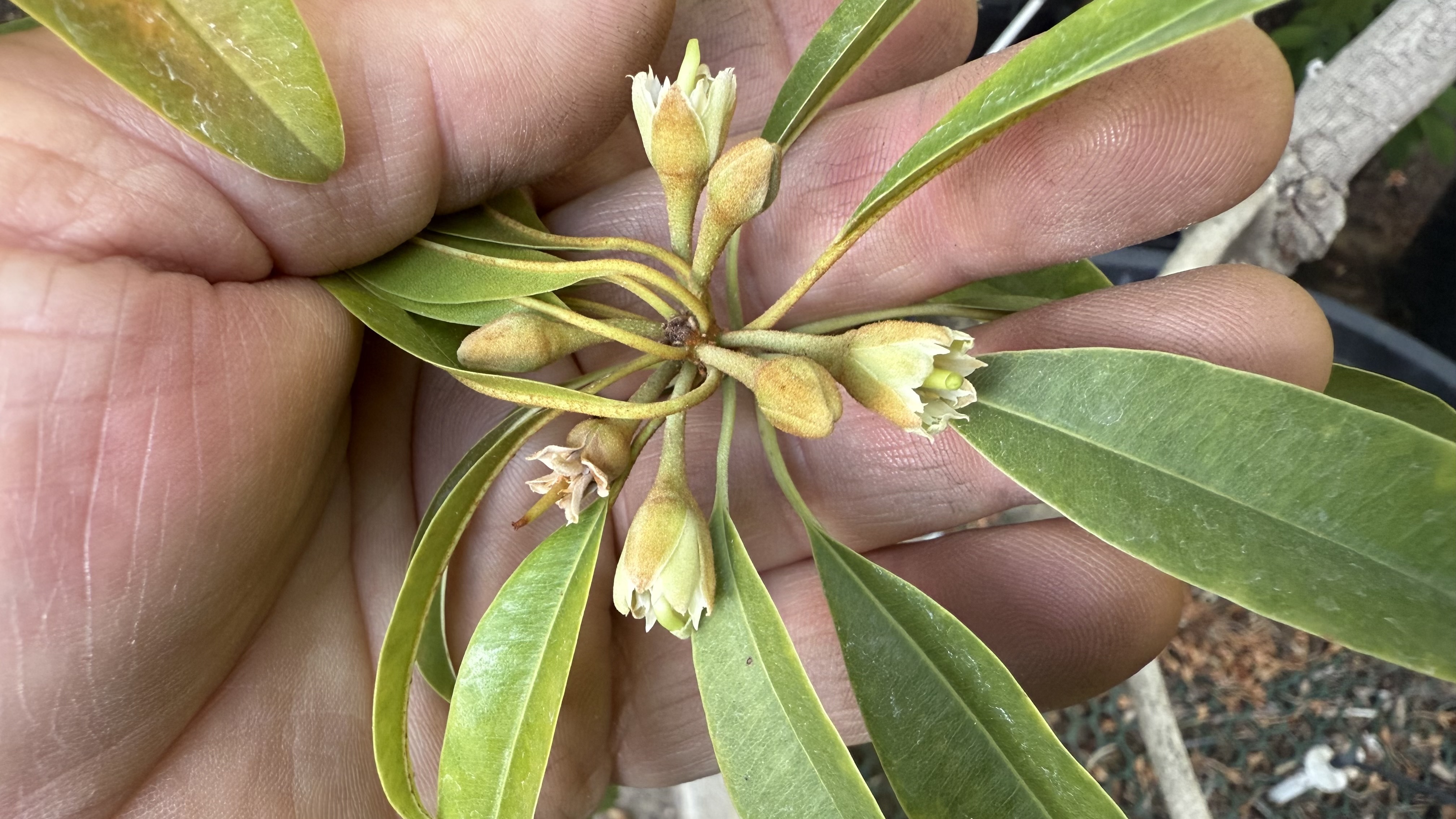
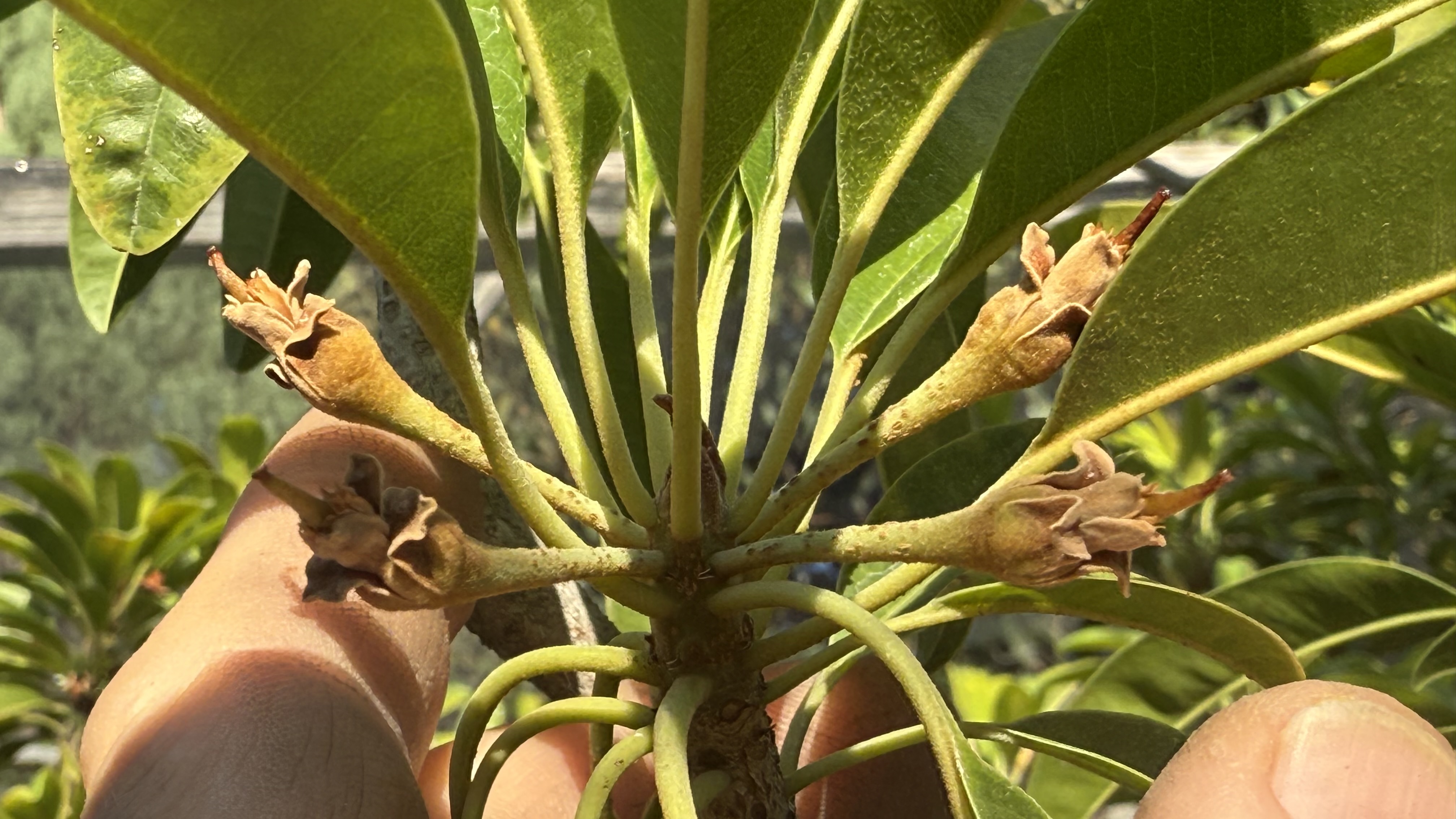
| Common Name | Sapodilla / Chiku / Chico / Naseberry / Niśpero / Sapota |
| Scientific Name/Synonyms | Manilkara zapota / syn. Achras zapota, Lucuma zapota, Manilkara achras |
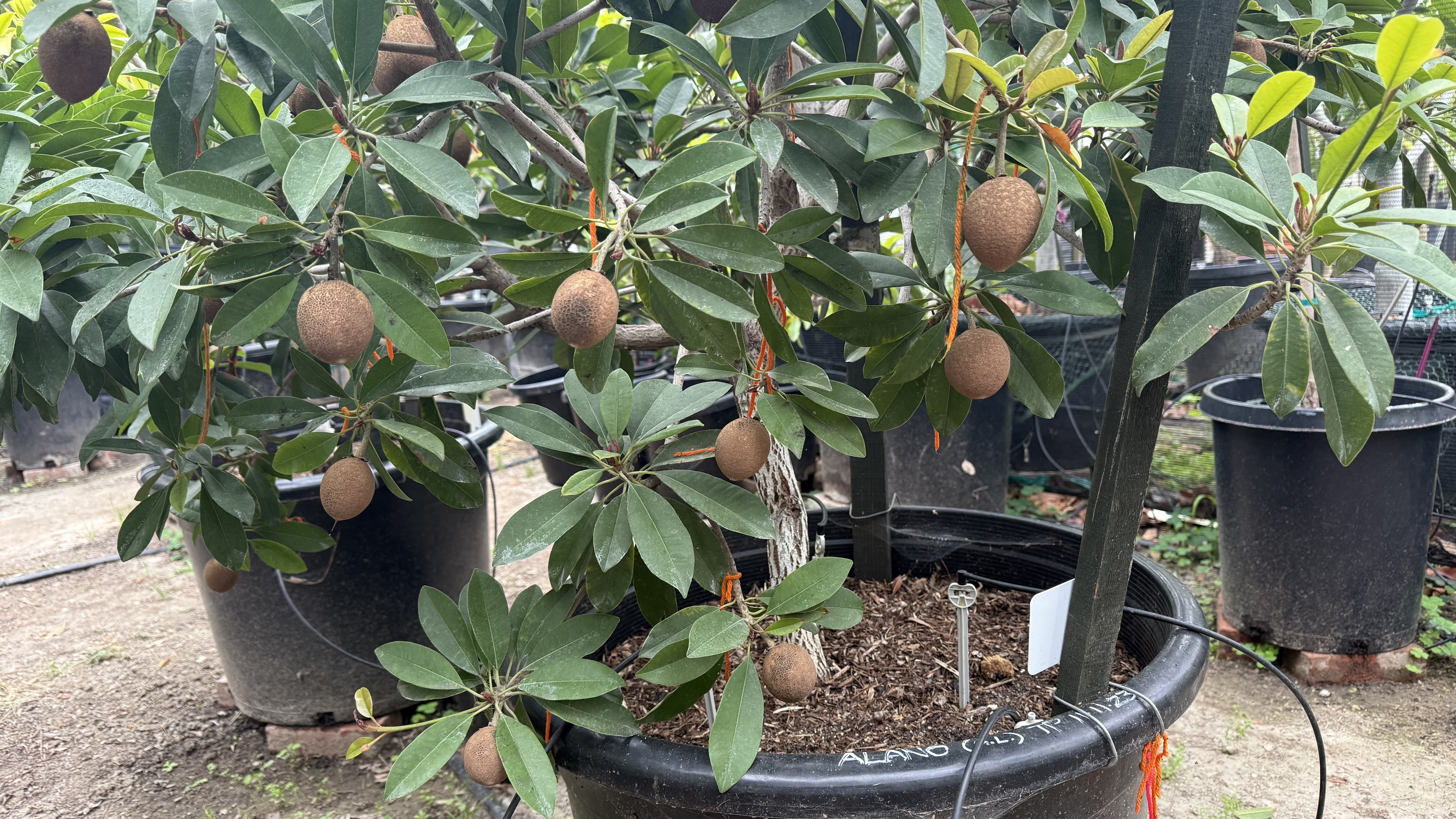
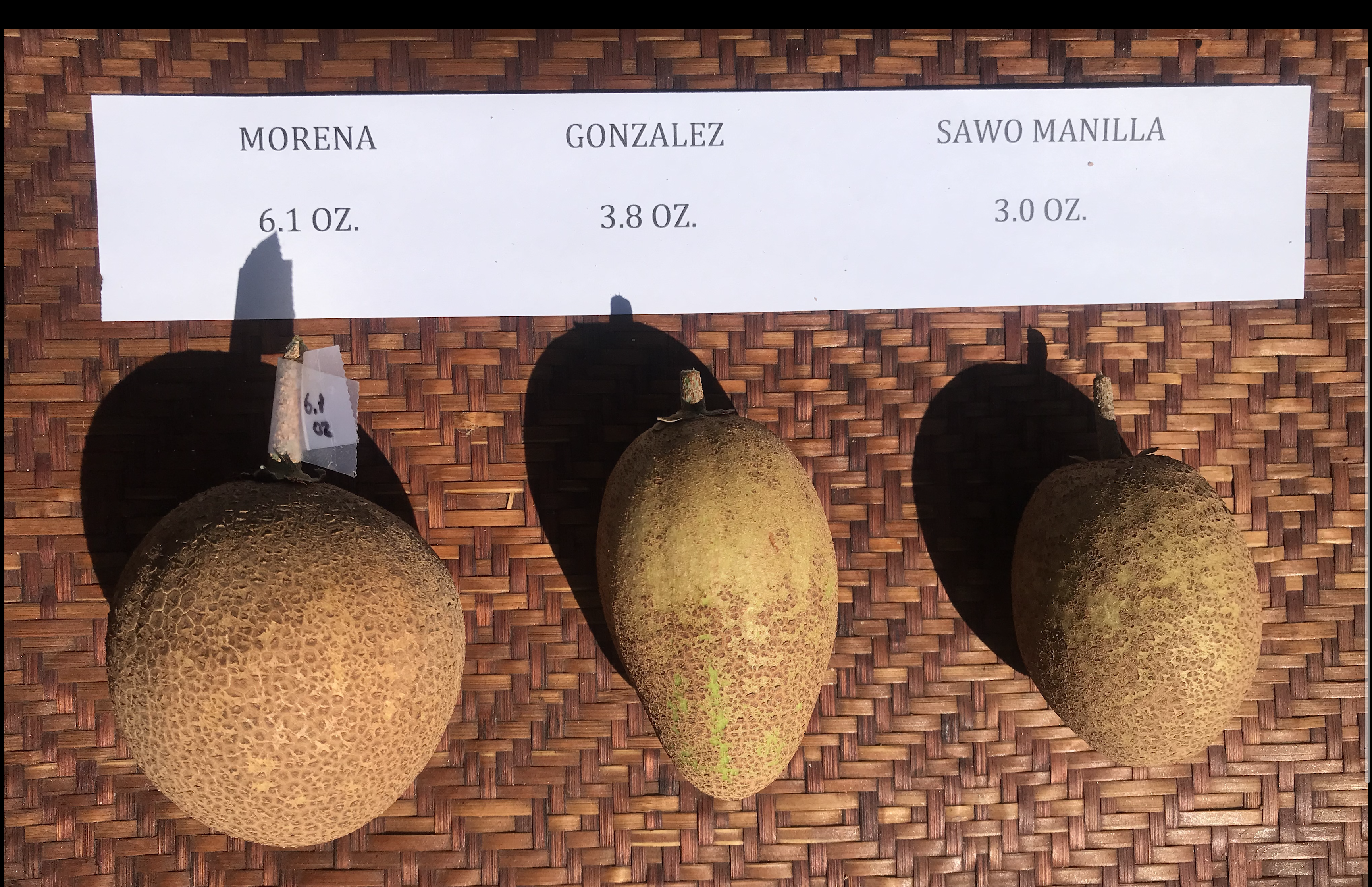
| Cultivars/Varieties | Six Proven, Self-Fruiting Cultivars + 'Alano', 'Gonzalez', 'Makok', 'Molix', 'Moreno', 'Ponderosa', 'PTN#1', 'Sawo Manilla' |
| Country of Origin | Mexico |
| Native Range | Southern Mexico → Central America |
| Also found in other Regions | Bahamas, Bangladesh, Cuba, Dominican Republic, California, Florida, Haiti, Jamaica, Puerto Rico,Trinidad -Tobago and Venezuela |
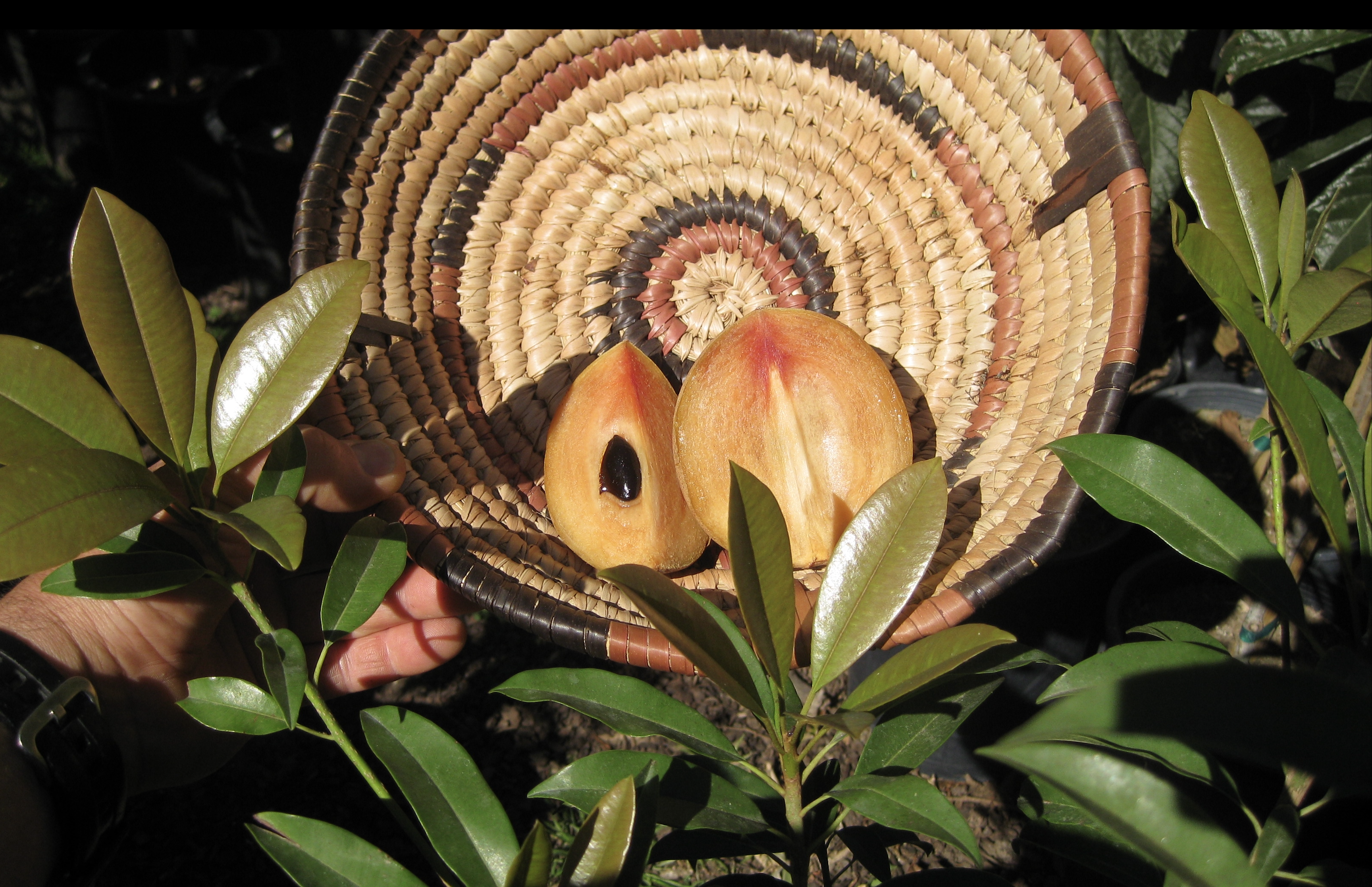
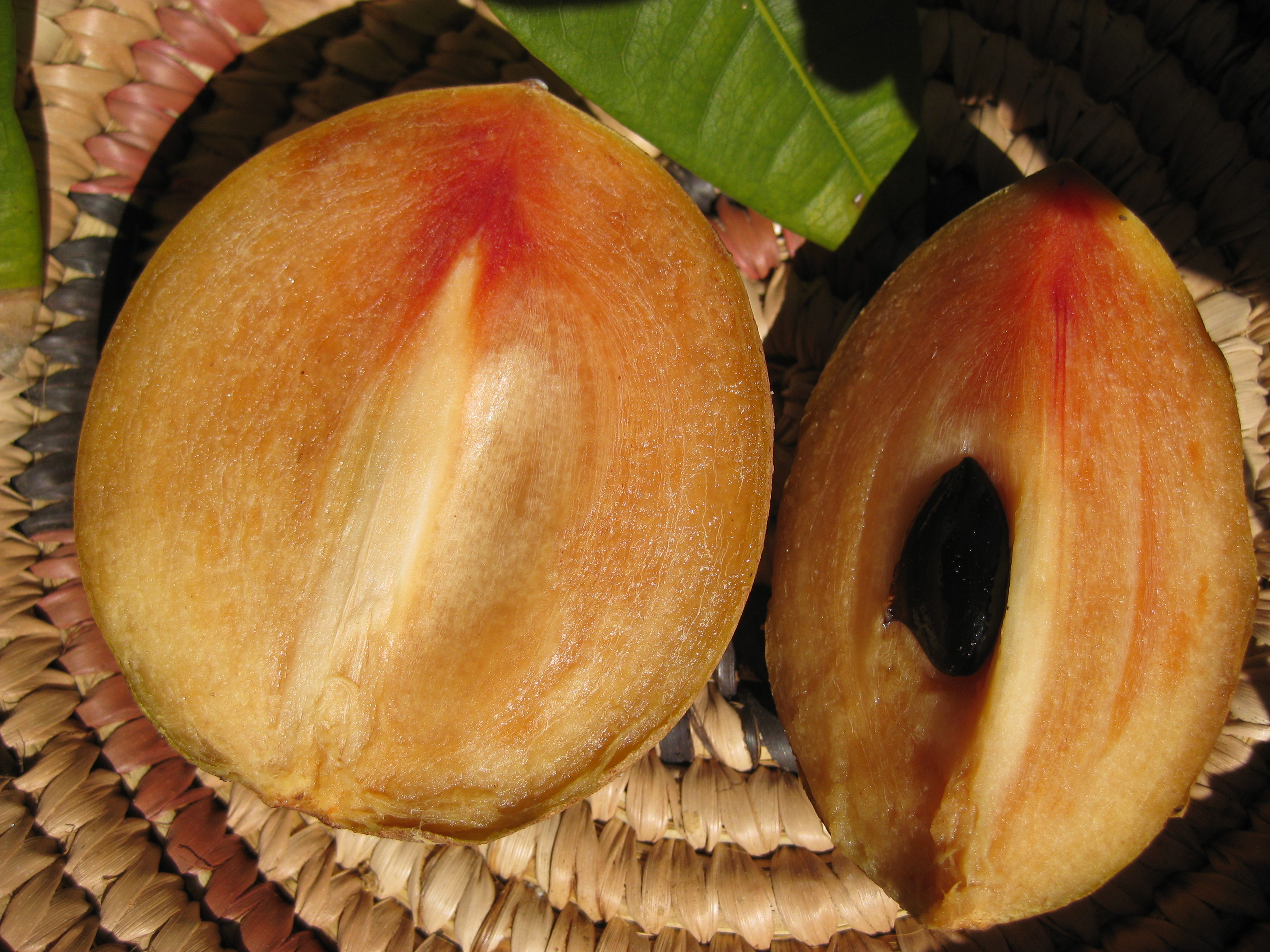
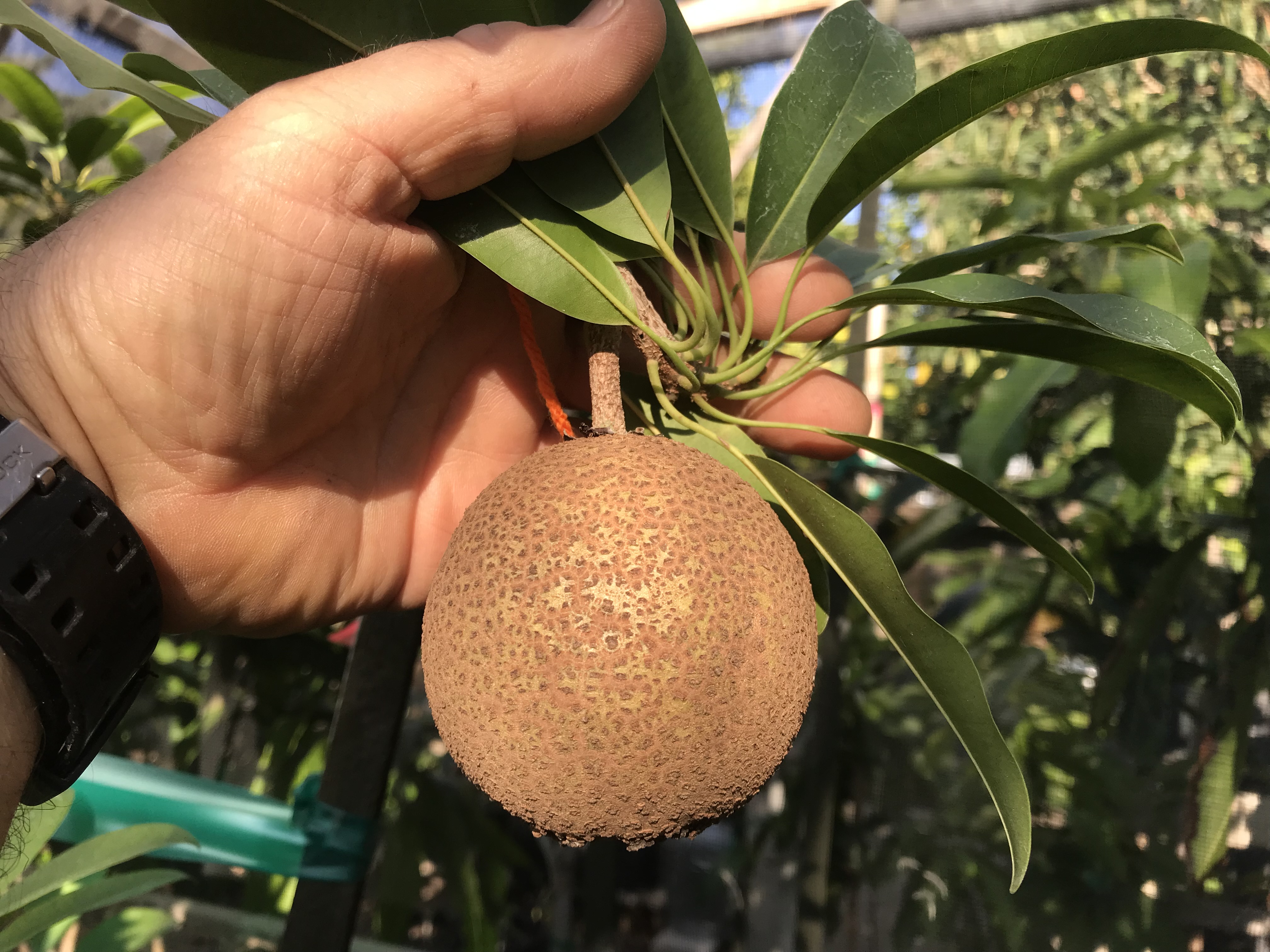
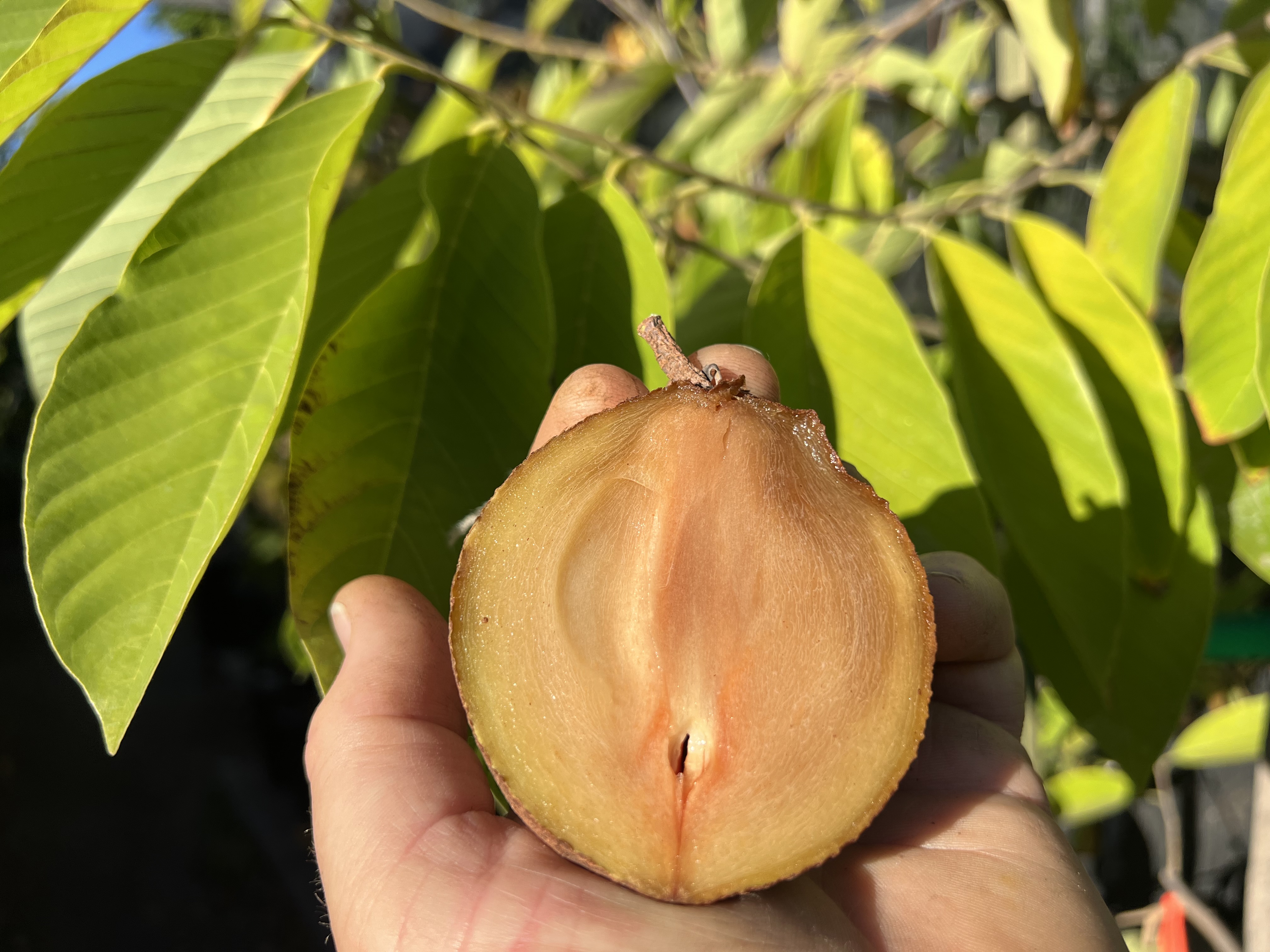
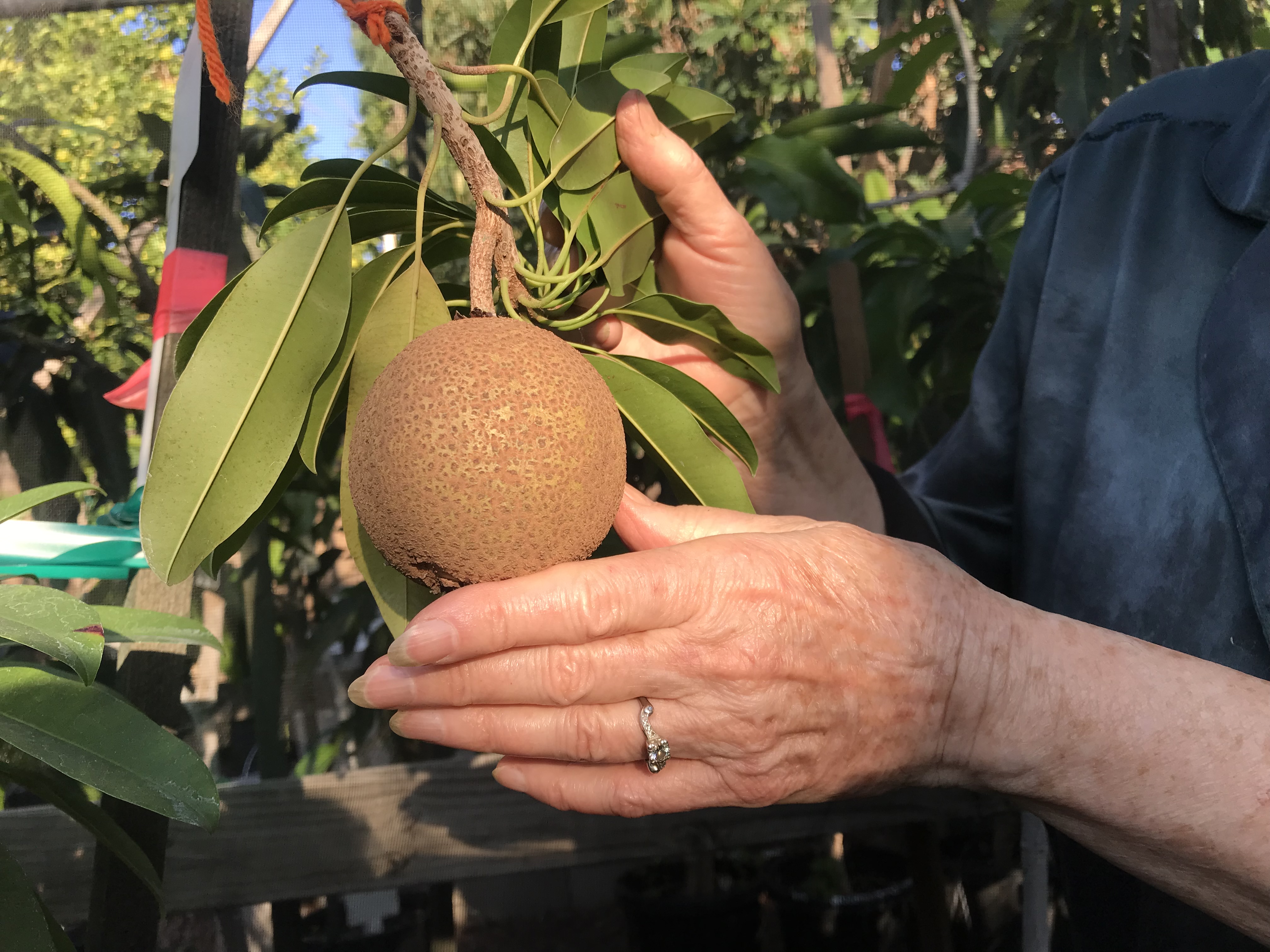
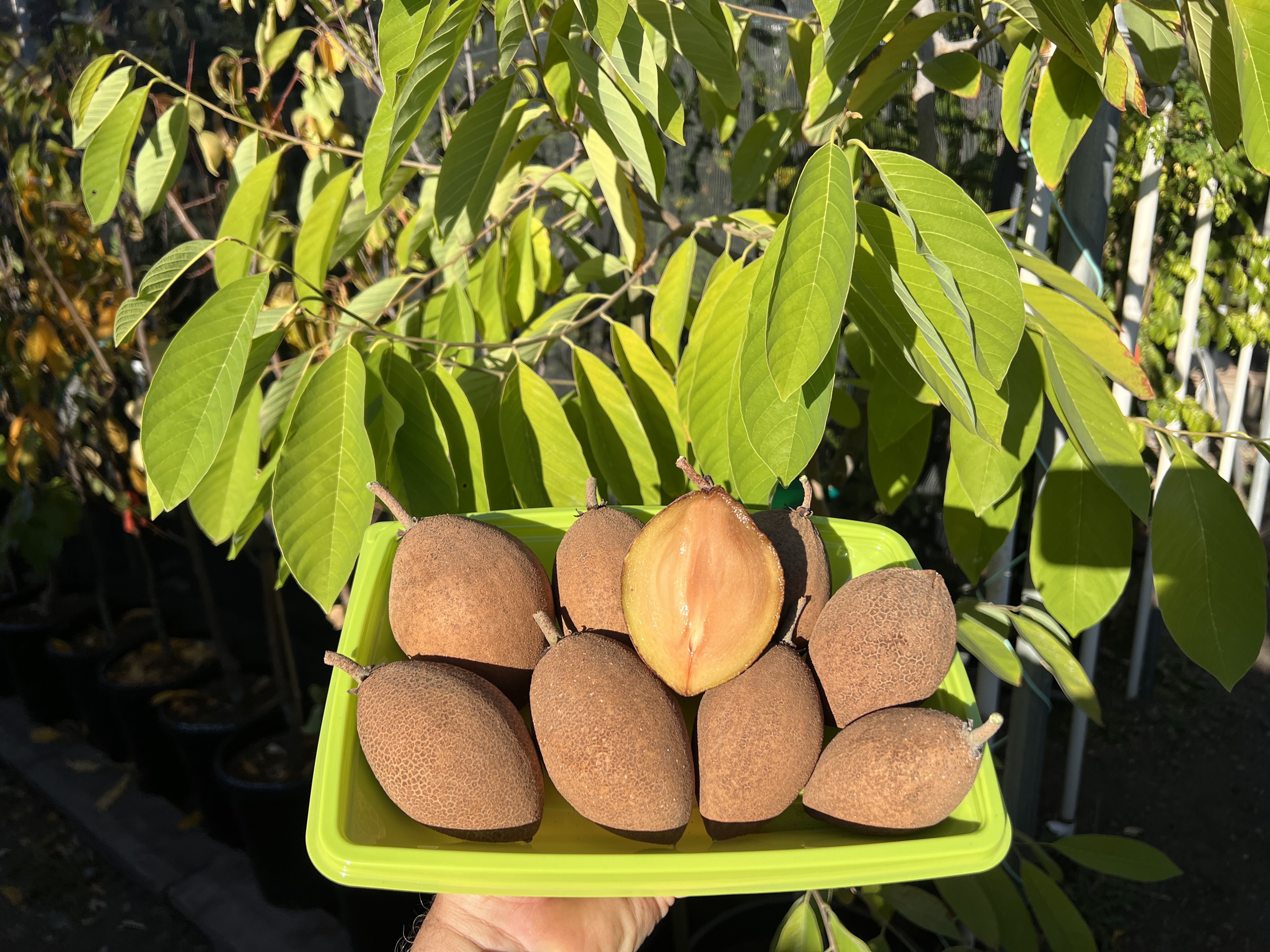
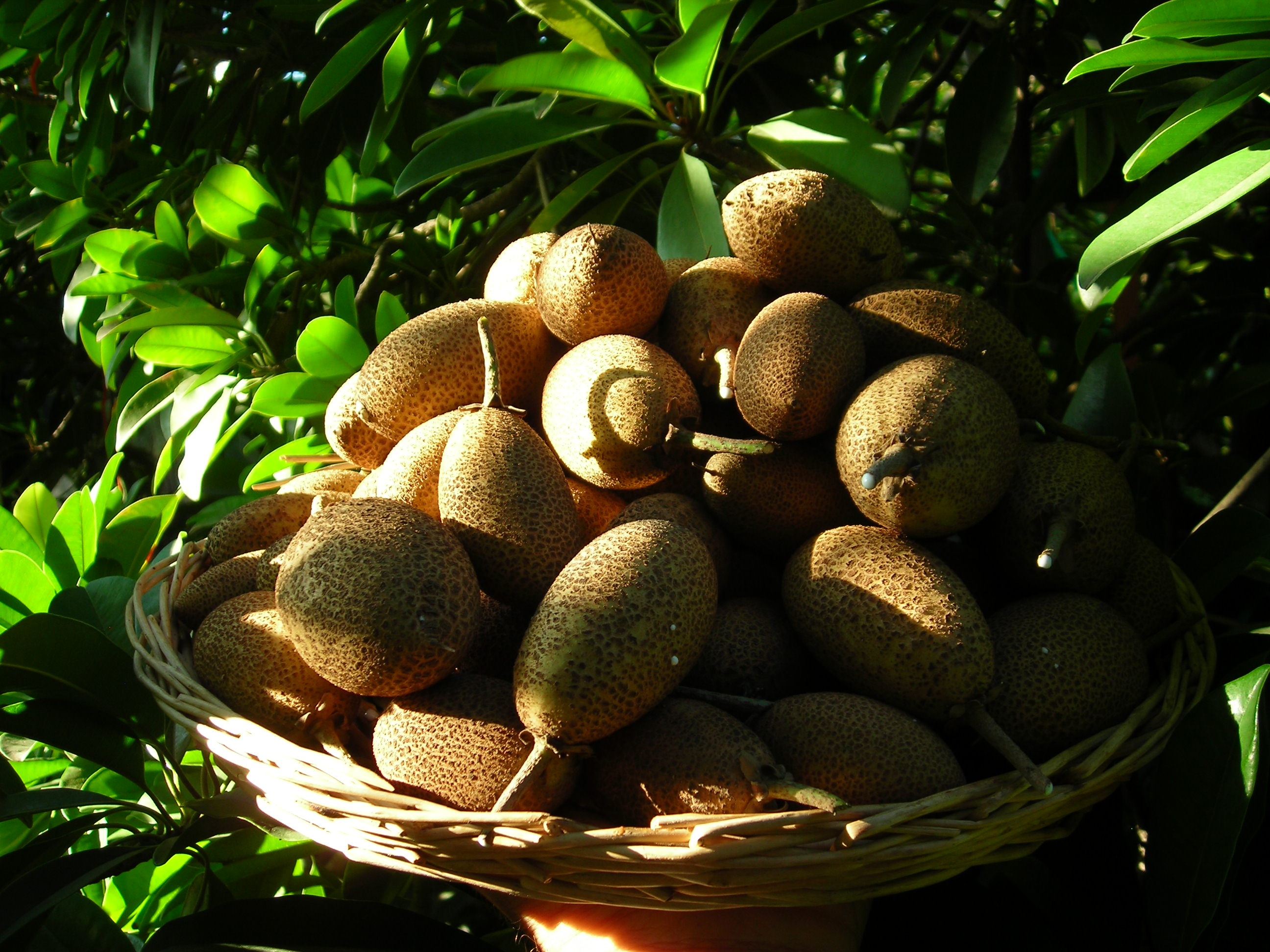
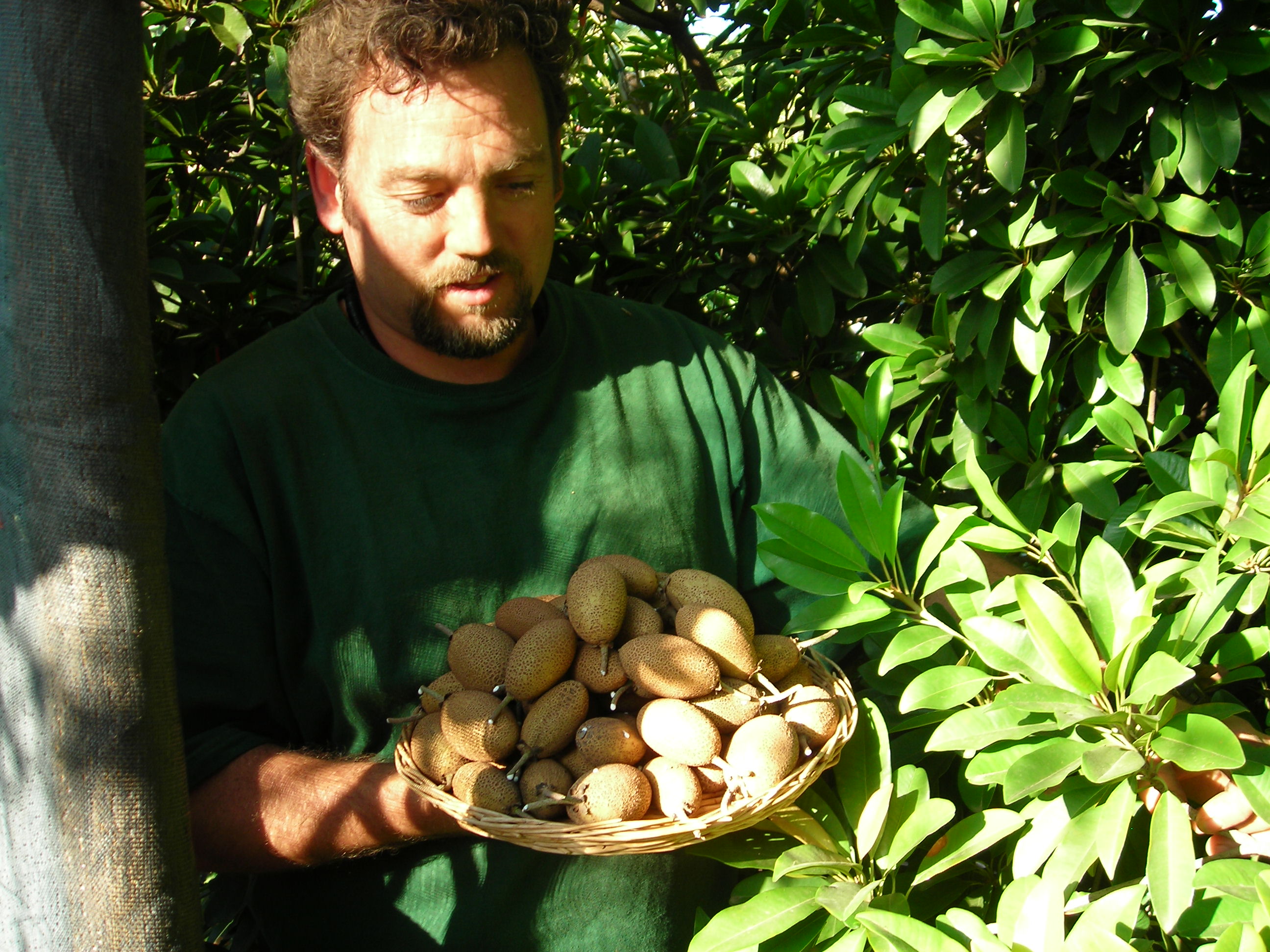
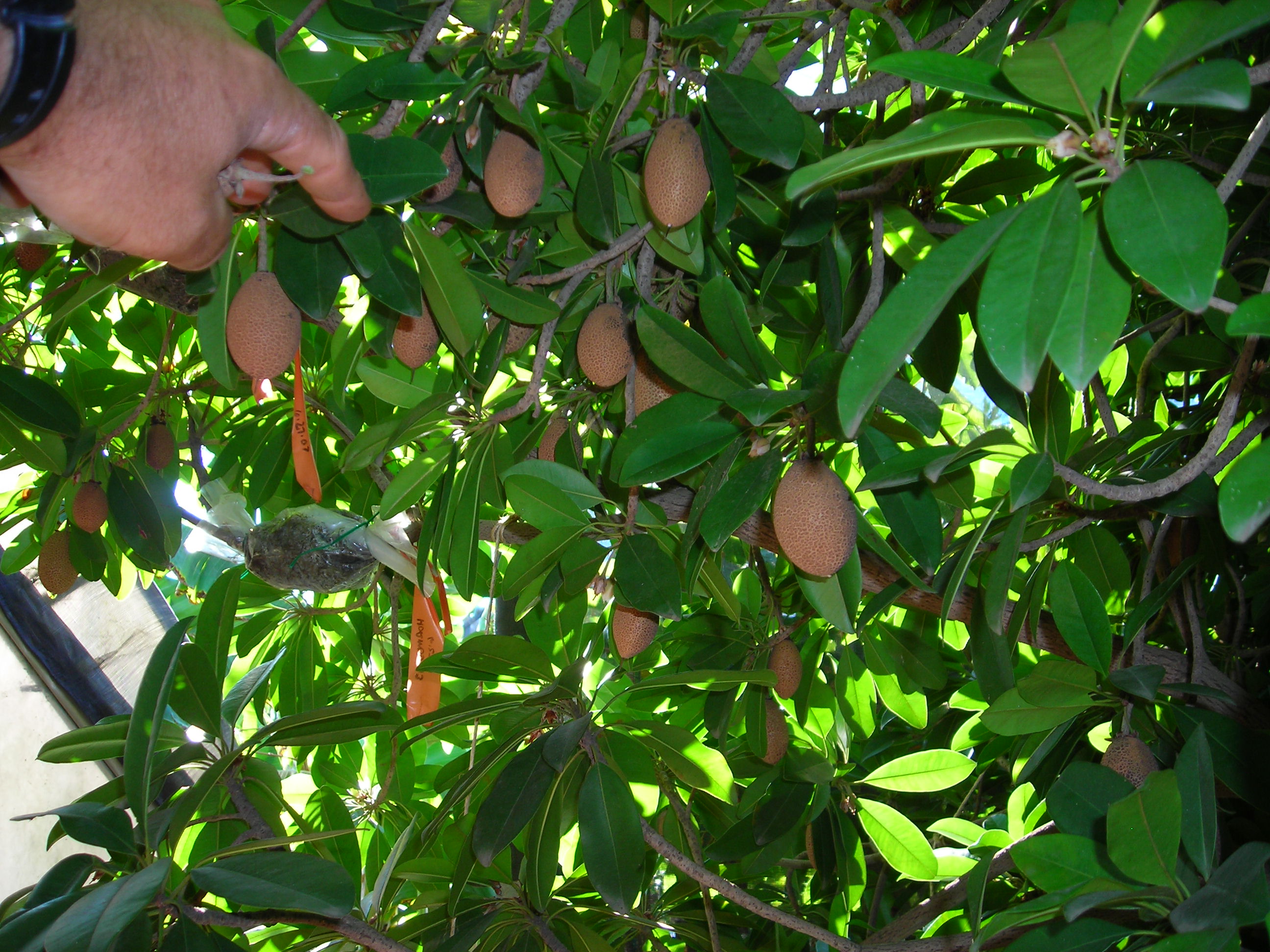
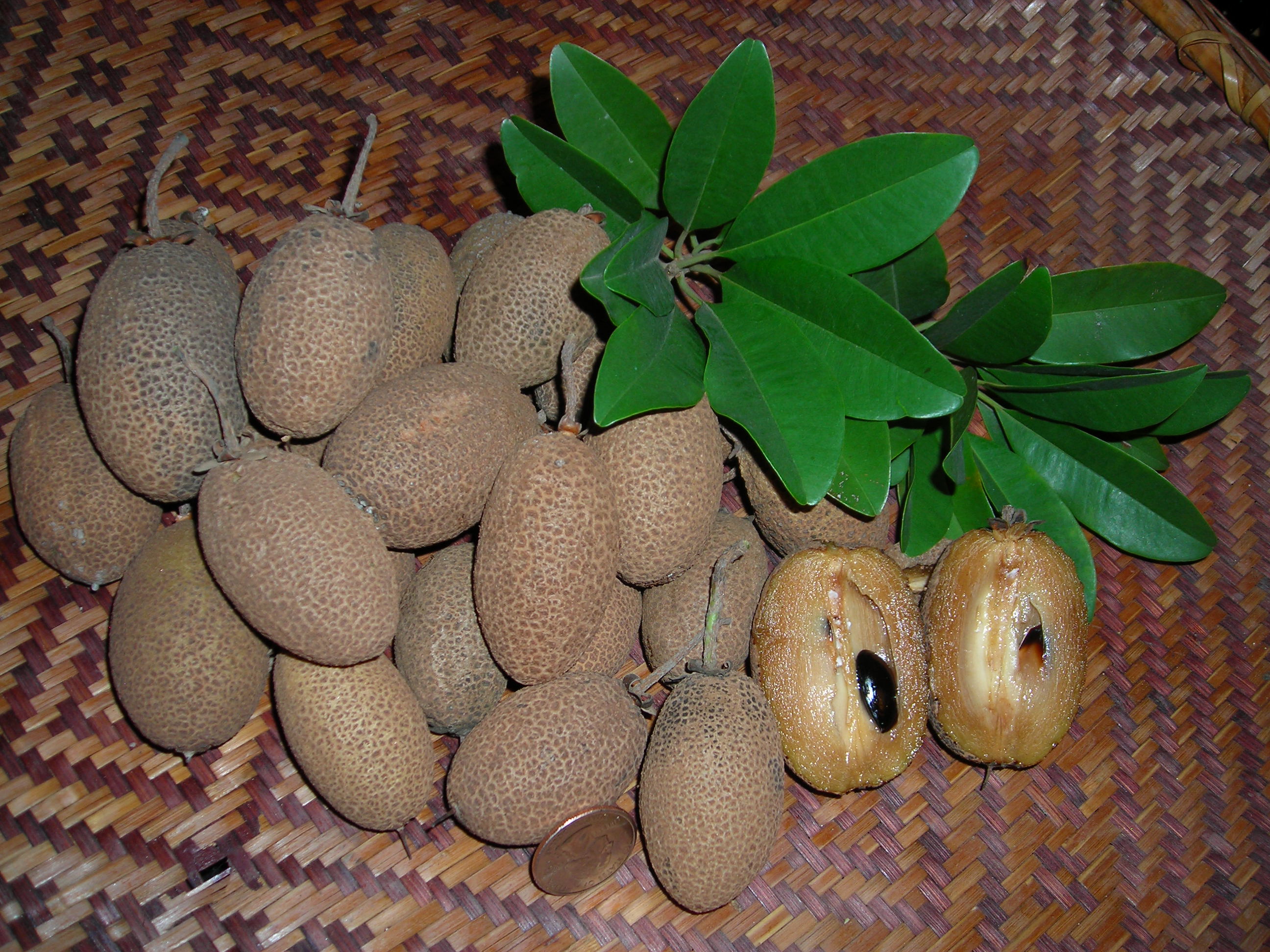
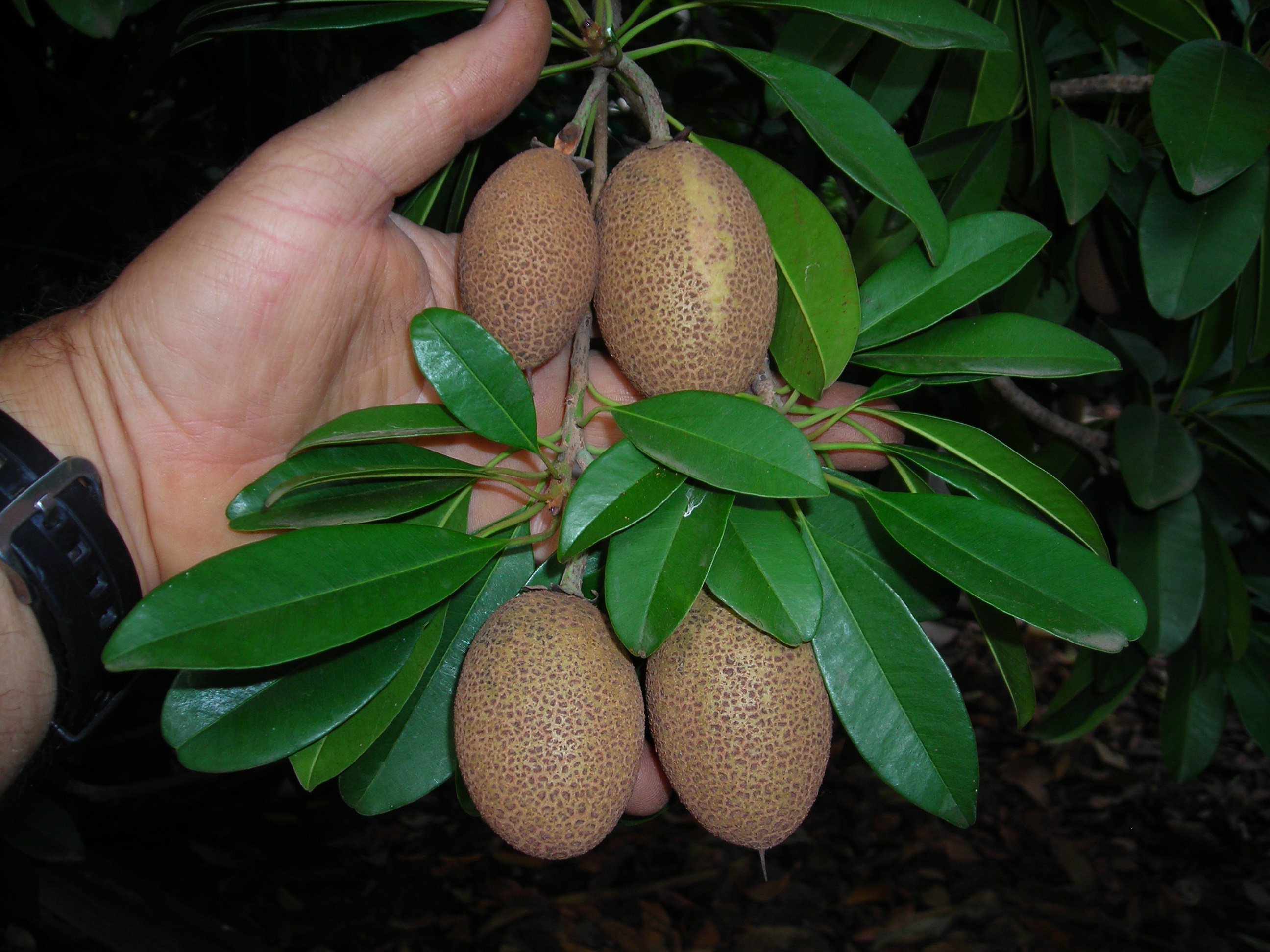
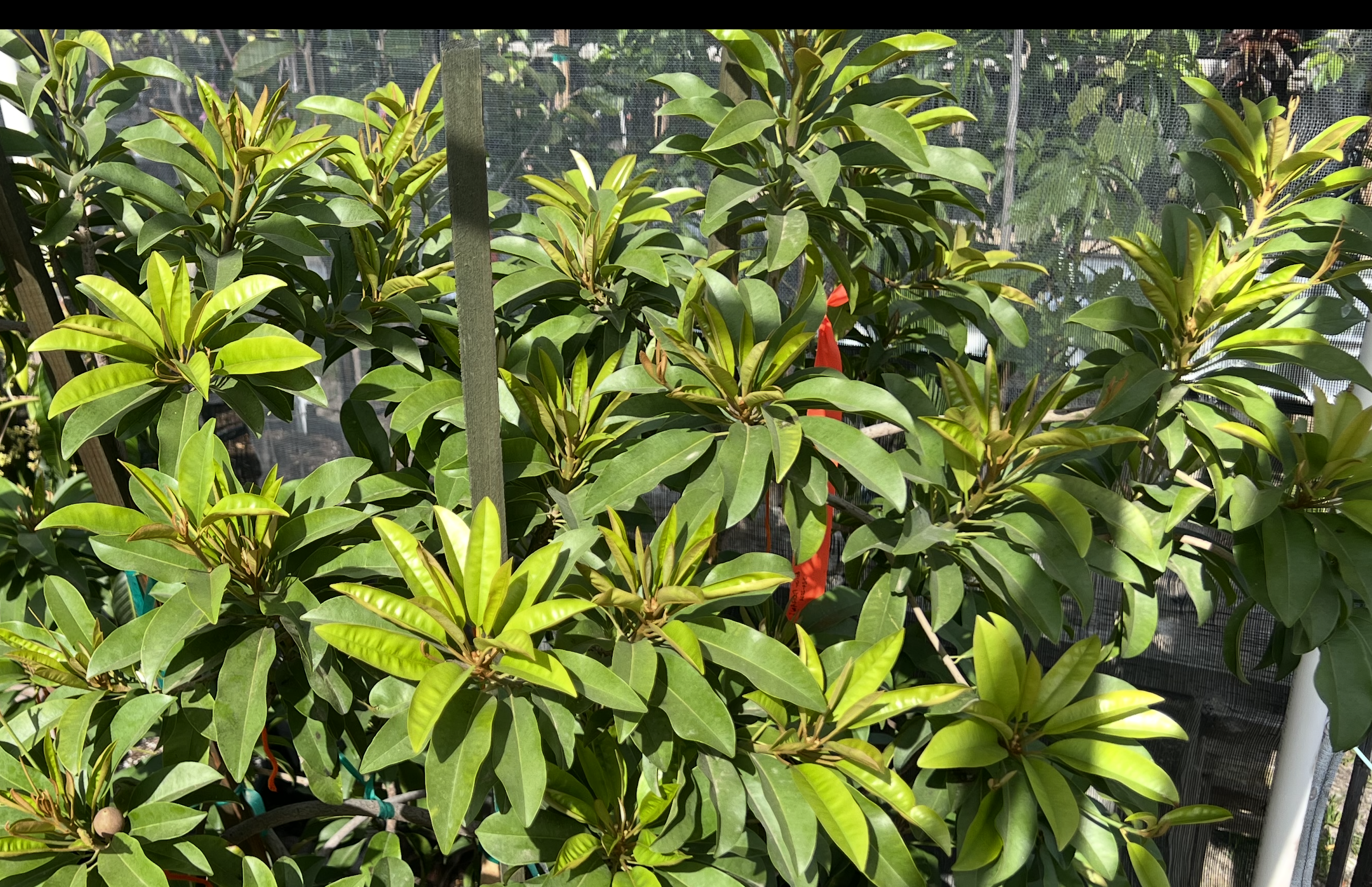
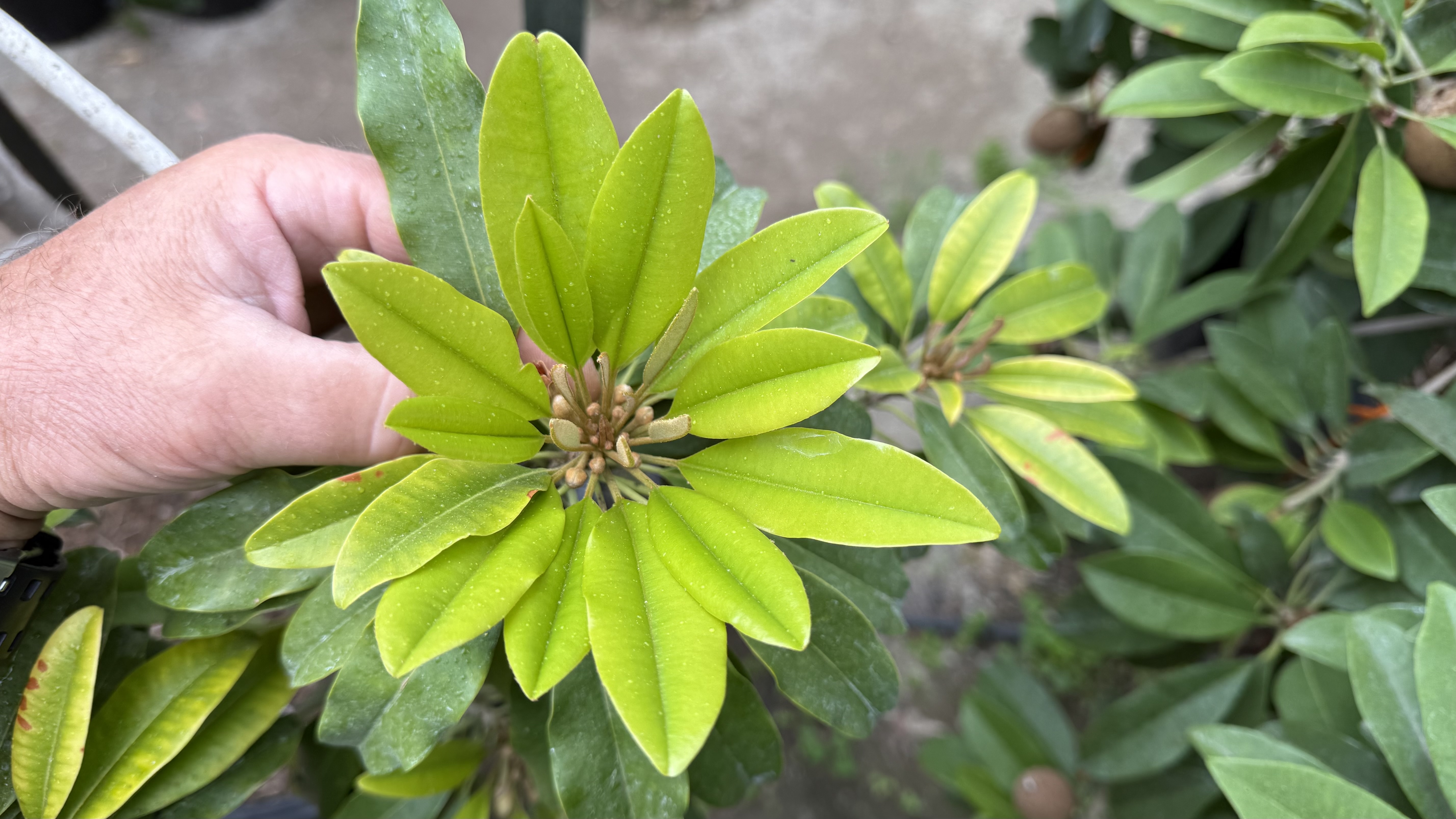
| Description | The Sapodilla is a handsome, tropical, evergreen fruit tree with a native range from southeastern Mexico extending all throughout Central America and Colombia. Though categorized as tropical, it is surprisingly adaptable to the subtropical, Mediterranean, and other relatively temperate growing conditions ranging in elevation from sea level in the Philippines, all the way up to the capital of Ecuador at approximately 9,200 ft. high in the Andes mountains. It is such a successful species that at one time, there were over one hundred million trees growing both wild and cultivated in the forests of Central America! The strong and durable timber from these wild trees was used in the construction of Mayan temples, and in modern times still used as railway crossties, flooring, cabinet work, furniture, and tool handles to name a few. The origin of modern chewing gum owes part of its name from the white-colored latex that was tapped from the sapodilla tree. The name of this latex is called "chicle" and the name of one of the early chewing gum companies was similarly named "Chiclets" and still available to this day. The wild version of this tree can be 60' -100'+ tall but fortunately, named, grafted cultivars can be maintained at only 10' tall and begin producing fruit when only three feet tall. The popularity of this species is not too surprising given the candy-like quality of the fruit being similar in flavor to that of a European pear soaked in maple syrup for a week. There is much variation in both the fruit size and shape yet all have relatively similar brown to tan-colored skin. The fruit is considered delicious when consumed fresh out of hand but can also be used in baked goods, ice creams, milkshakes, syrups, jams, dried, as a liqueur infusion and even wine. So if interested in a tree that doesn't take up much space and produces fruit like nature's candy, consider a proven, self-fruiting variety of sapodilla to include in the home landscape. |
| Evergreen/Deciduous | Evergreen |
| Height x Width | 12' x 8' |
| Growth Habit | Upright tree, uniform branching structure |
| Growth Rate | Slow / Medium |
| Sun Exposure | Full sun / Partial shade |
| Cold Hardiness | Tolerant to 28°F |
| Fruit Bearing Age/Height | Three to Four Feet |
| Suitable To Container Culture | Yes |
| Harvest Period | July - November |
| Video | Coming Soon |