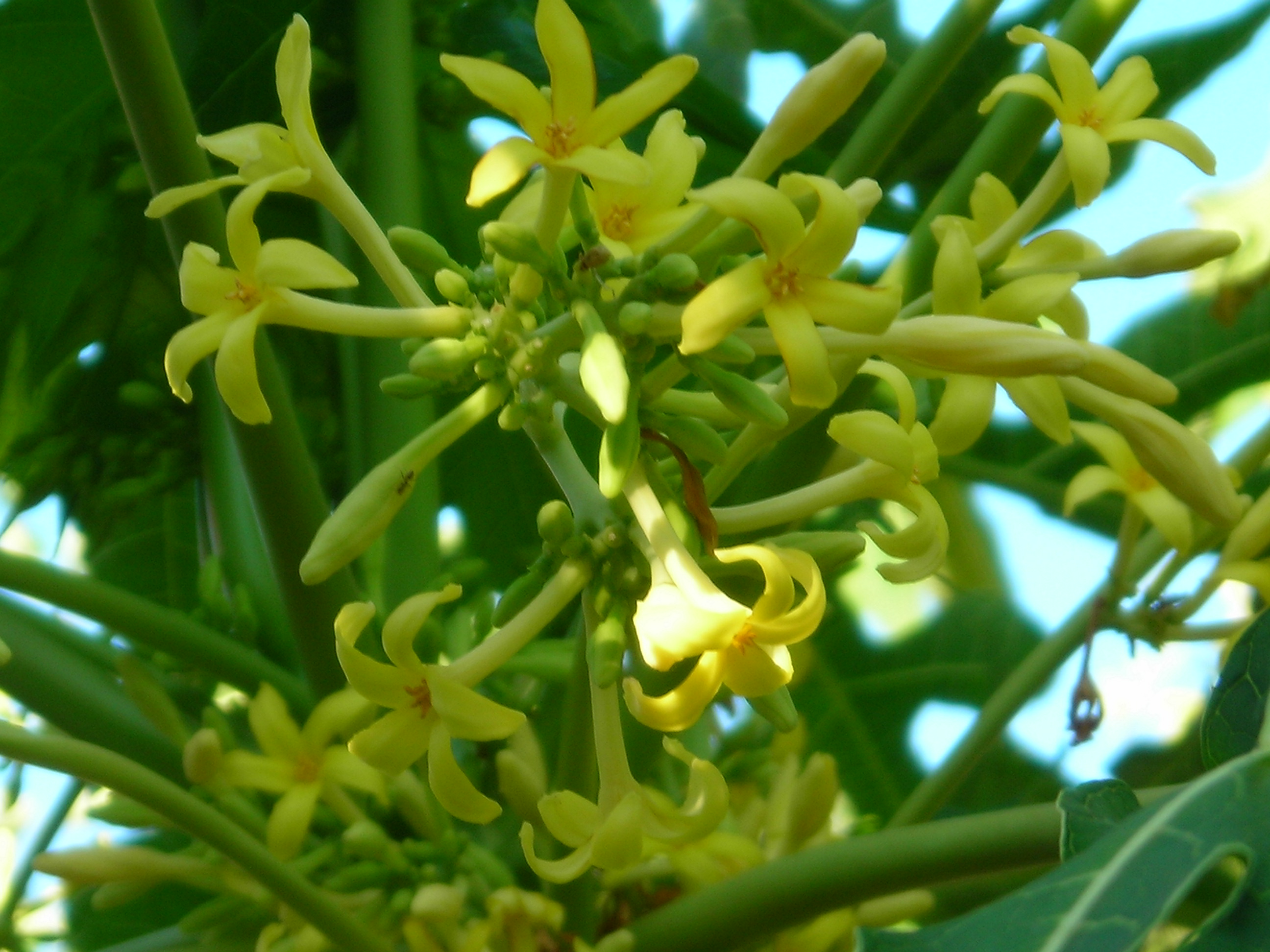
| Common Name | Papaya |
| Scientific Name/Synonyms | Carica papaya |
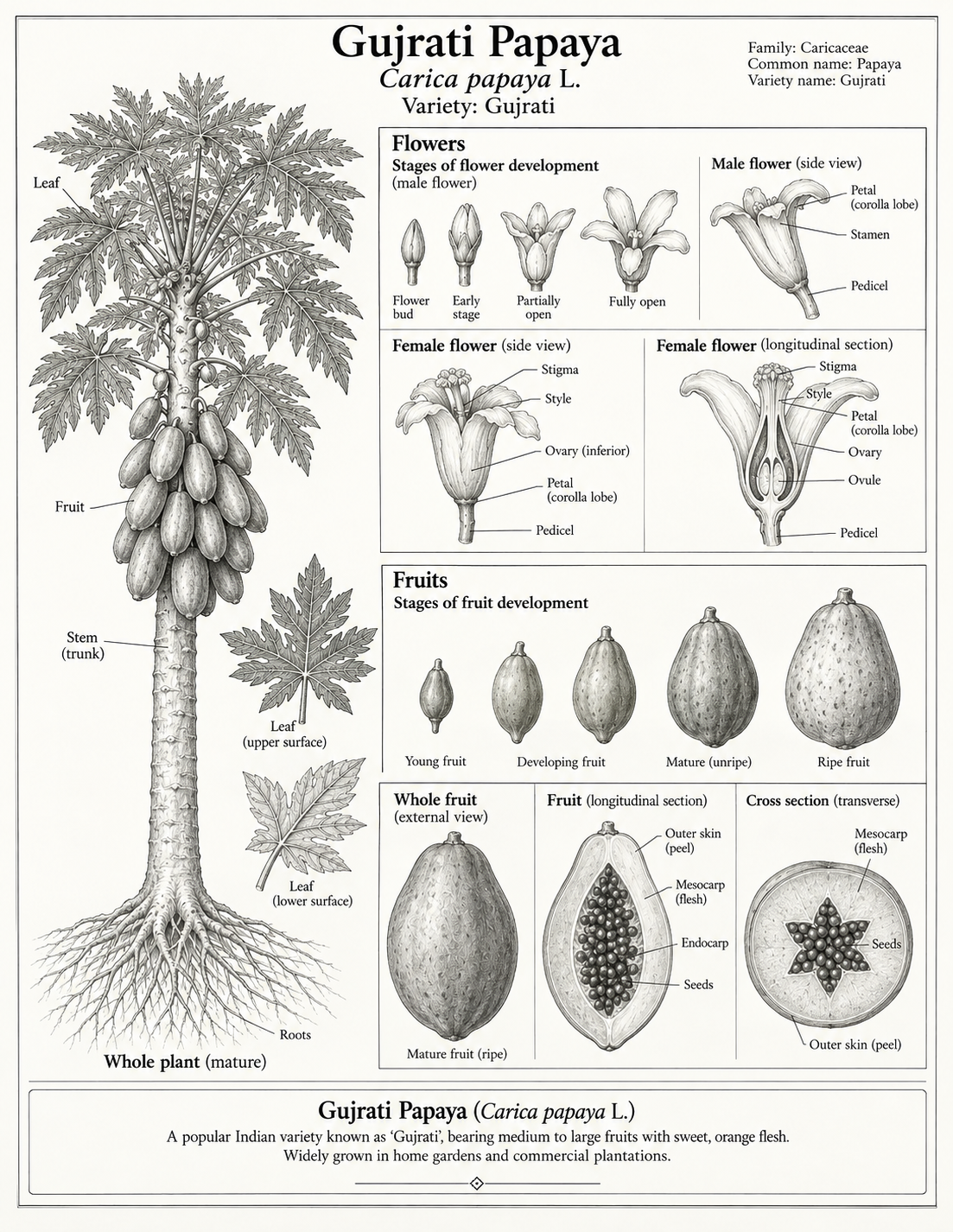
| Cultivars/Varieties | 'African Gold', 'Dwarf Brazilian', 'Dwarf Gujarati Red', 'Dwarf Maradol Red', 'Tainung #1' |
| Country of Origin | Mexico |
| Native Range | Southern Mexico → Central America |
| Also found in other Regions | Argentina, Brazil, Cambodia, Central Africa, Cuba, Ecuador, Ethiopia, Fiji, Galápagos, Haiti, California, Hawaii, Florida, India, Jamaica, Peru, Puerto Rico, Samoa, Solomon Is., Sri Lanka, Thailand, Vietnam, Western Australia... |
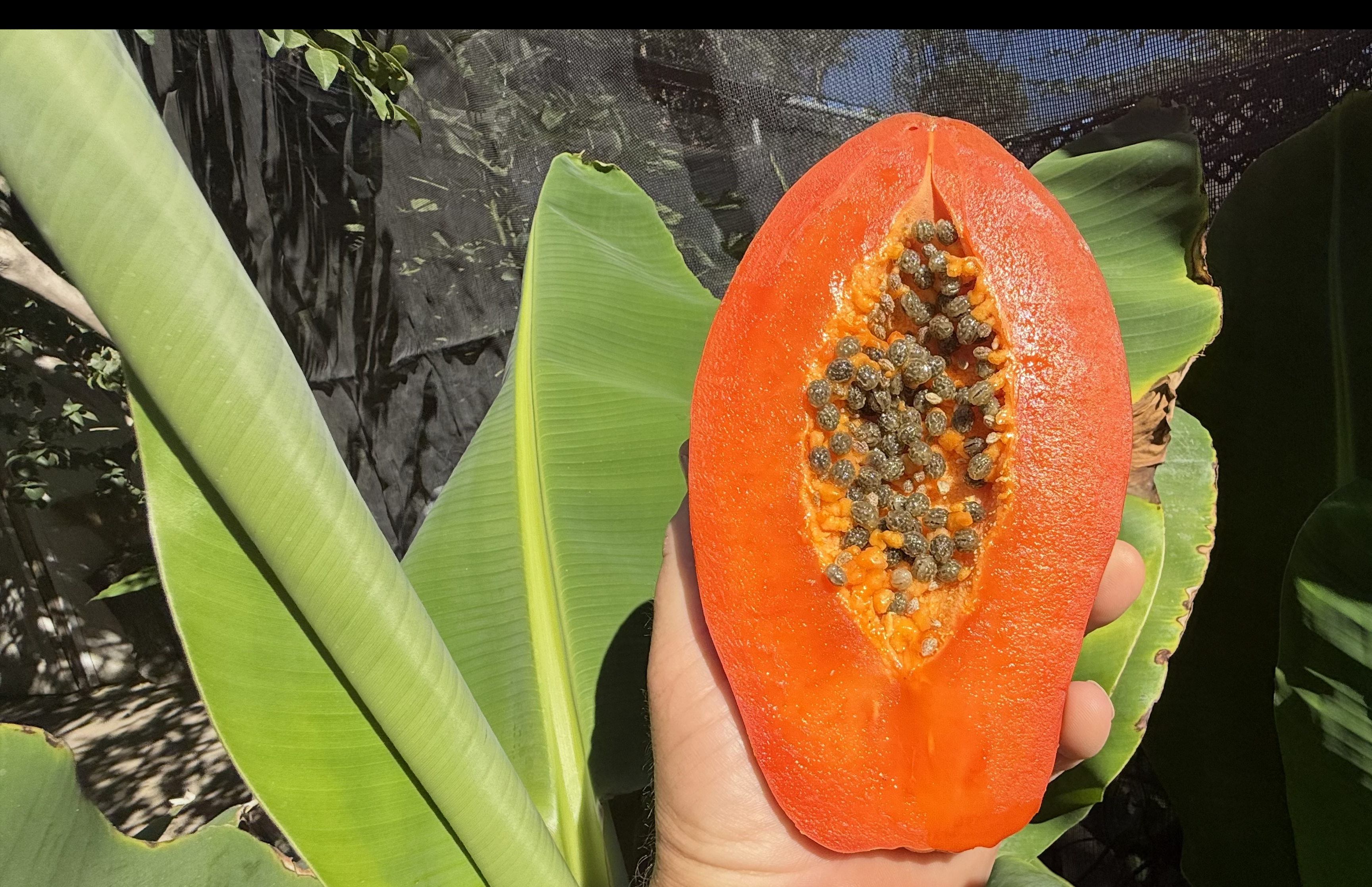
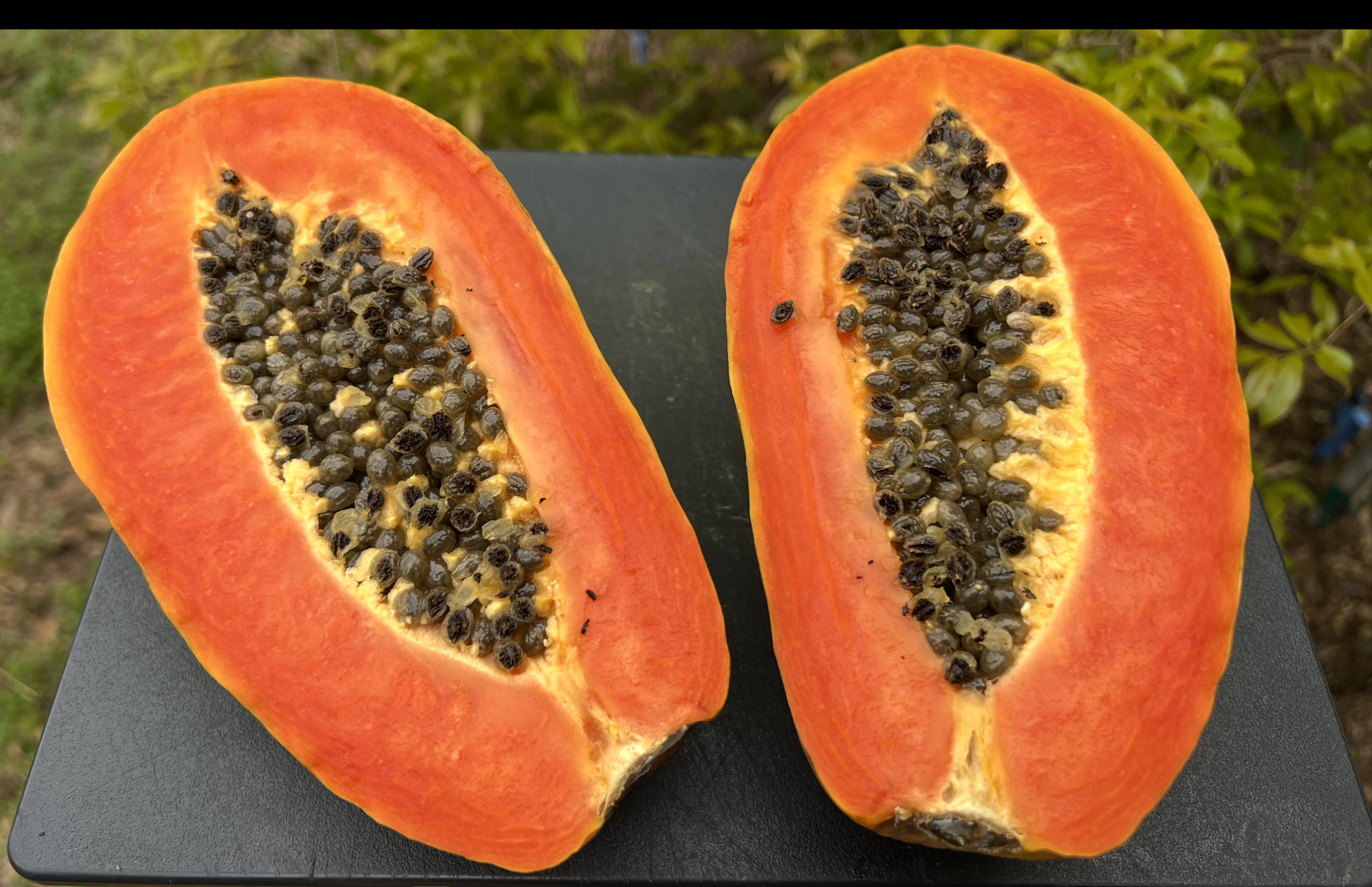
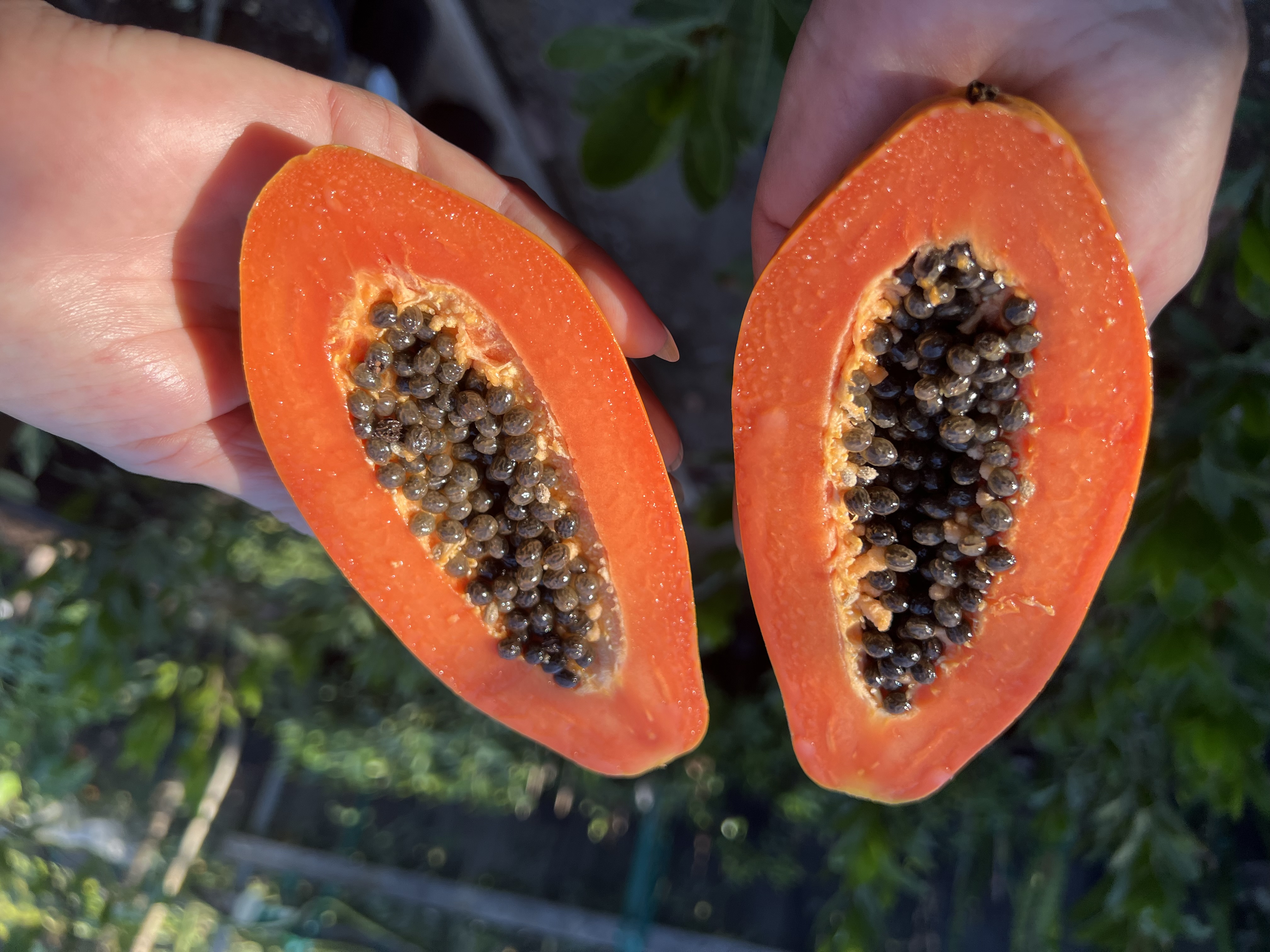
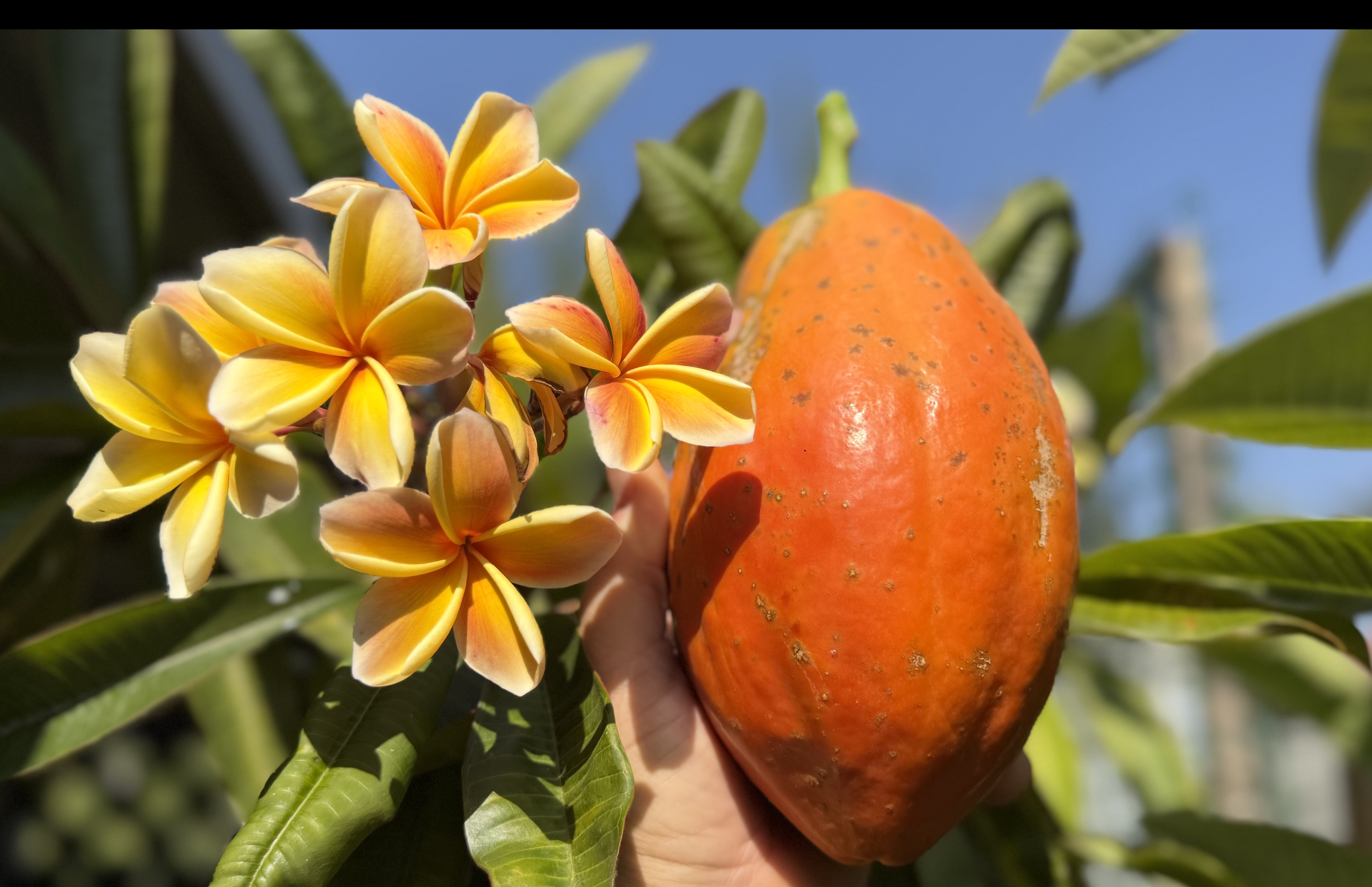
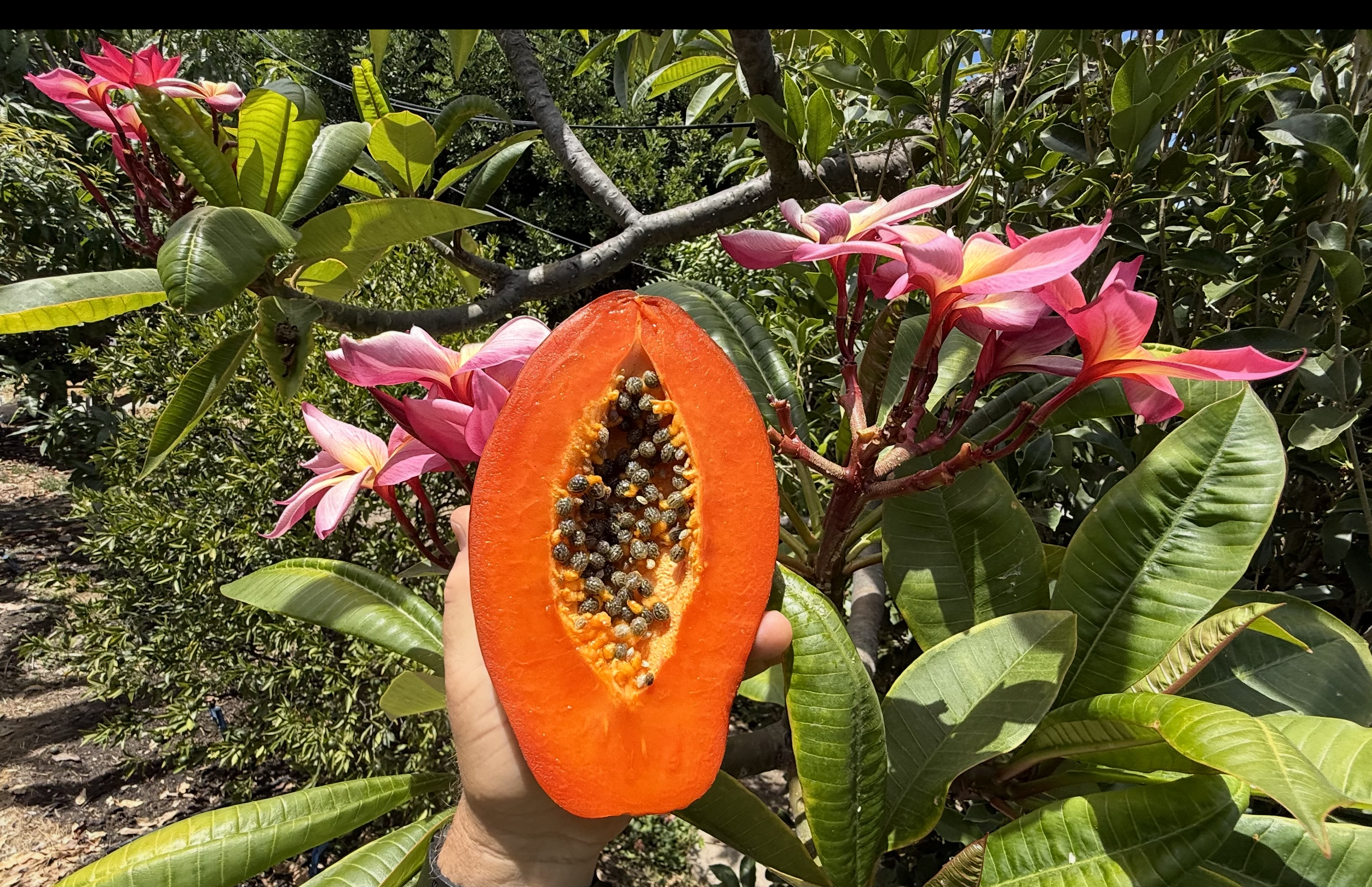
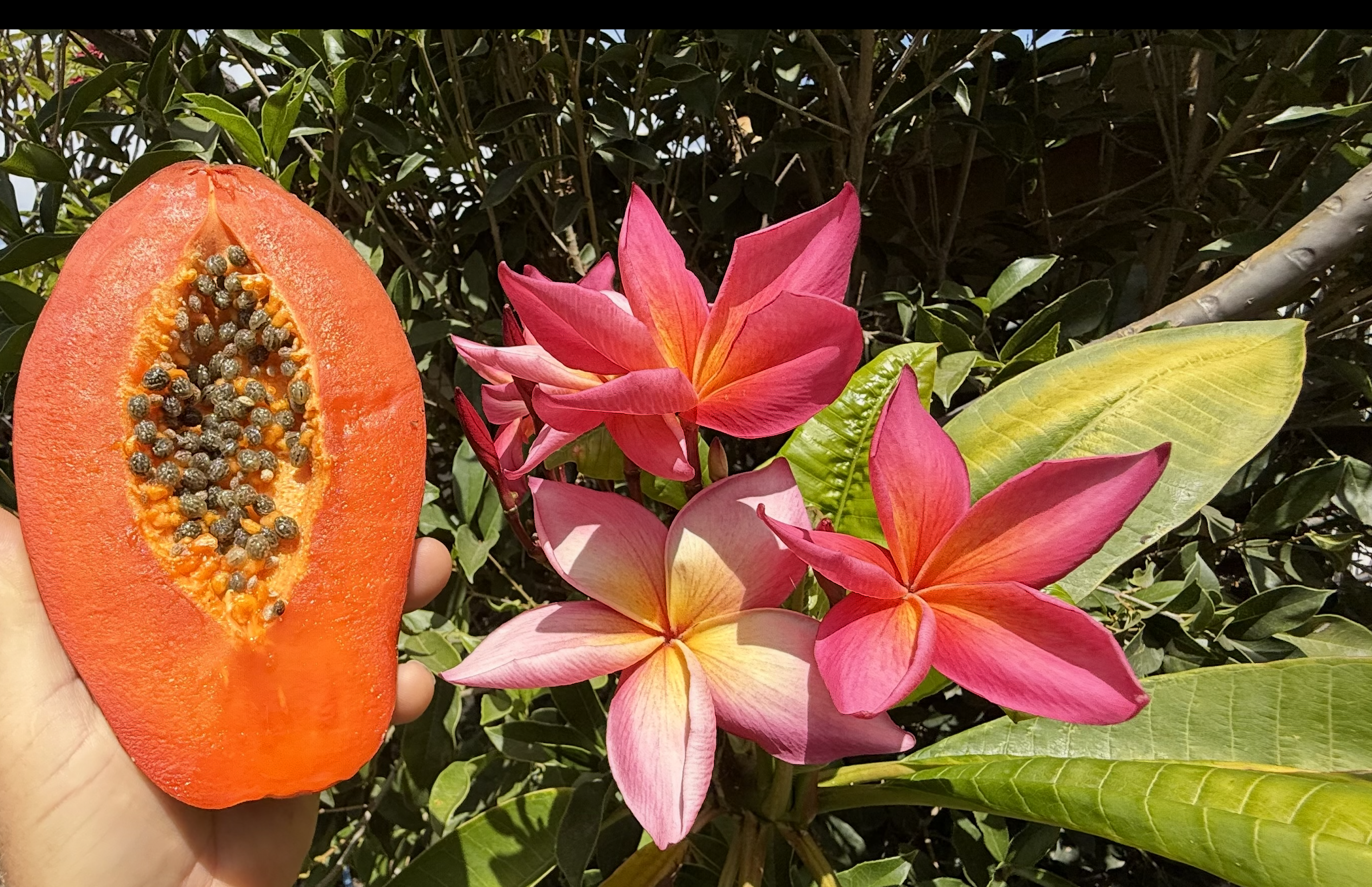
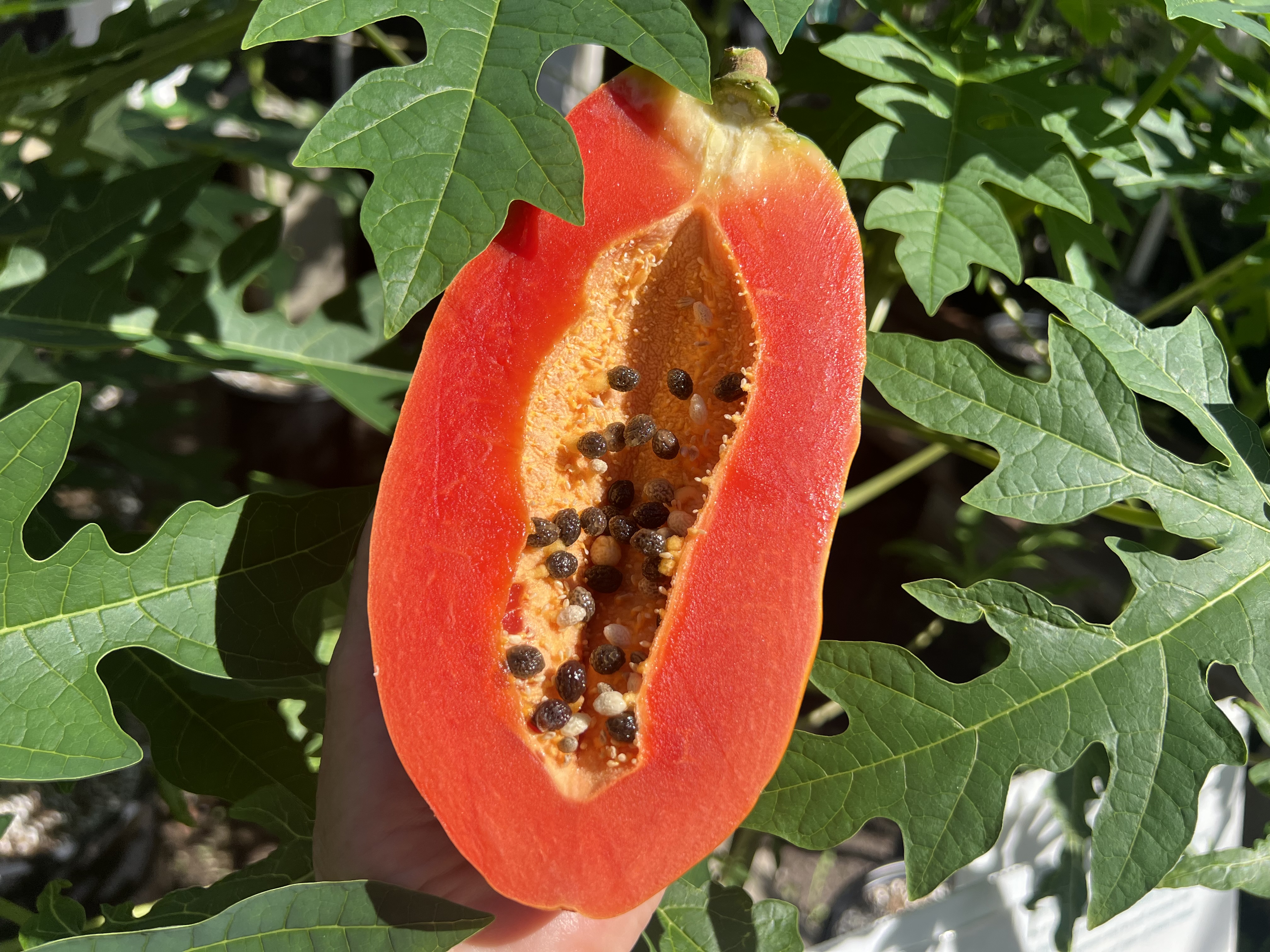
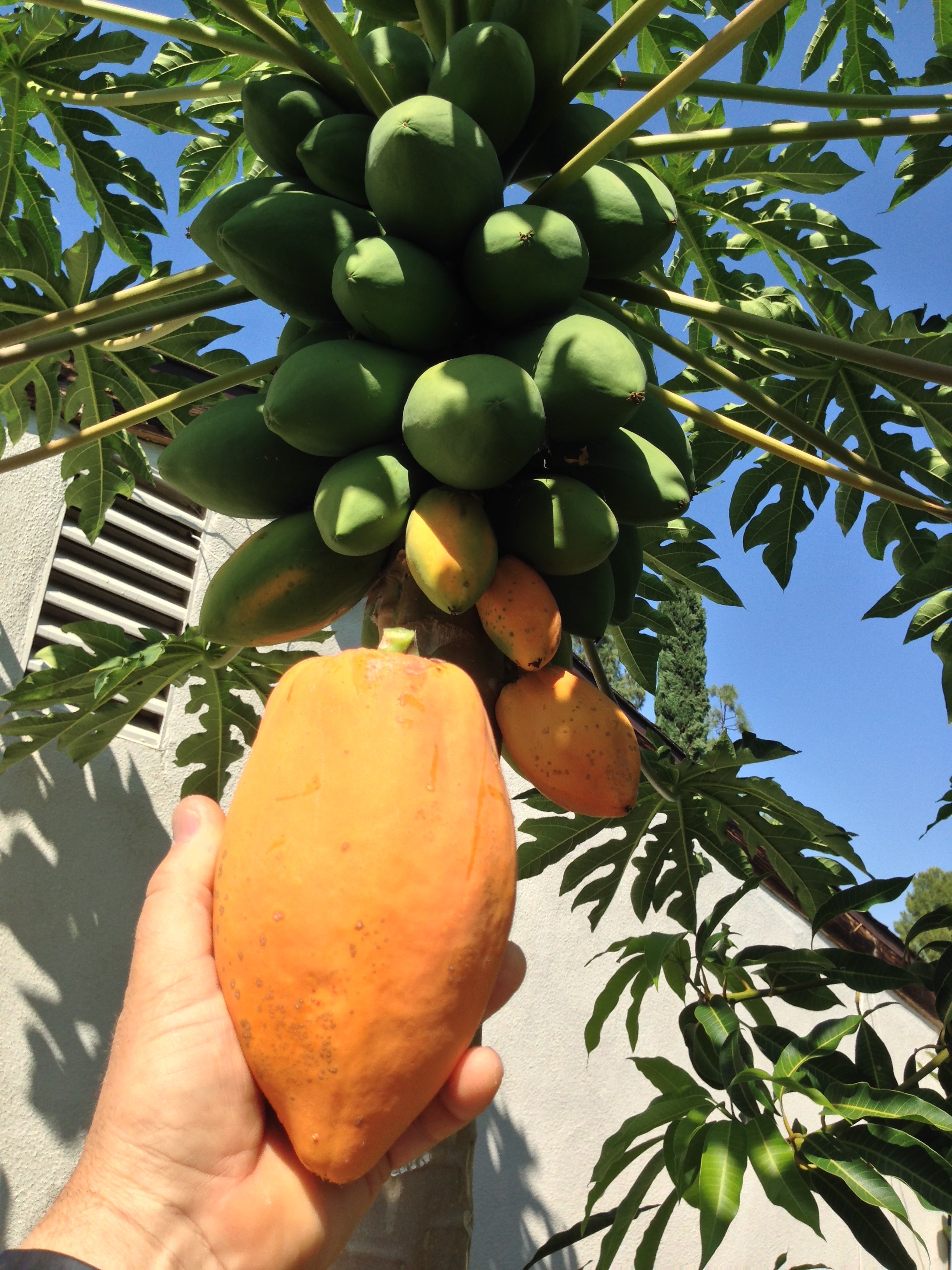
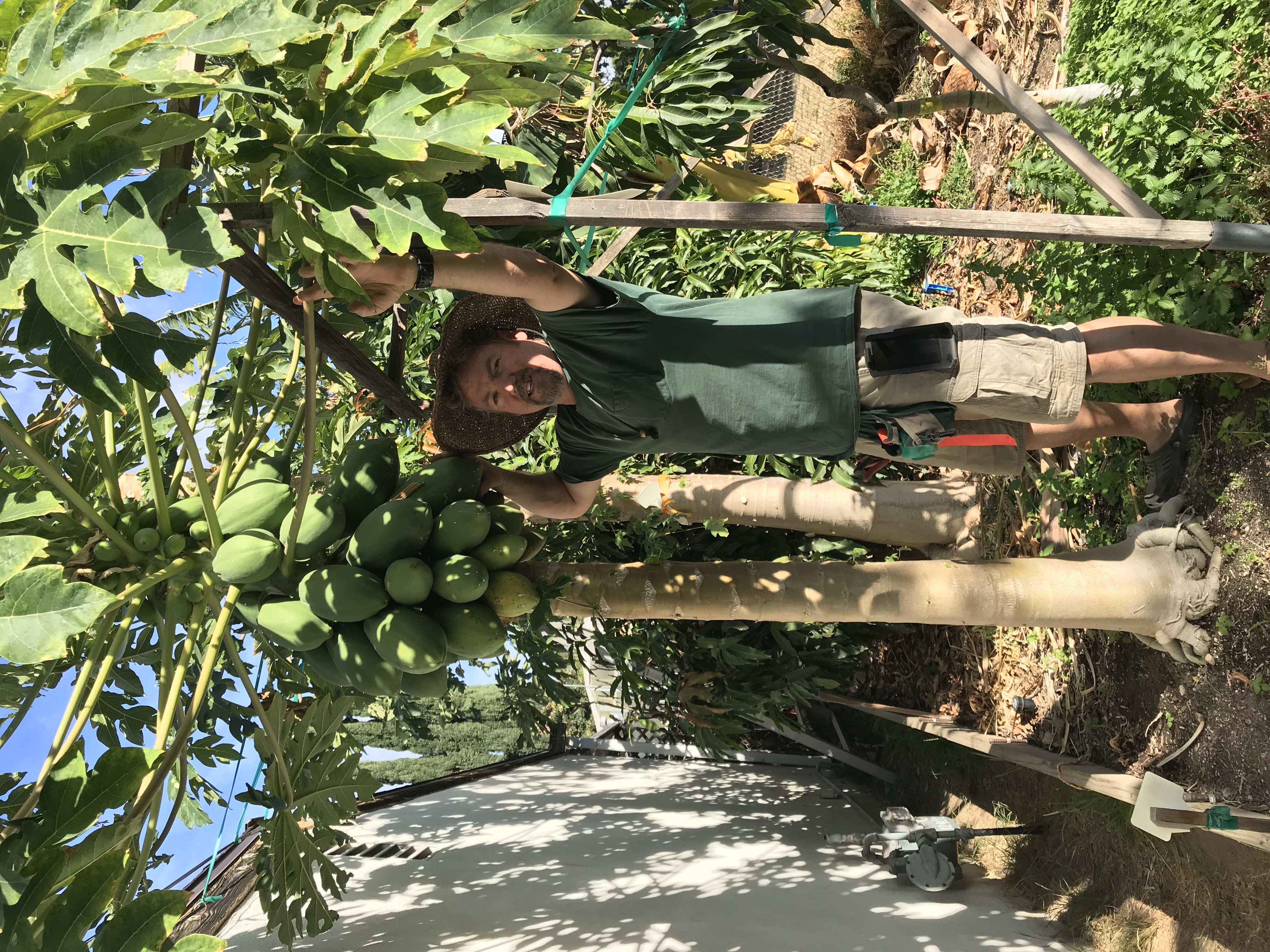
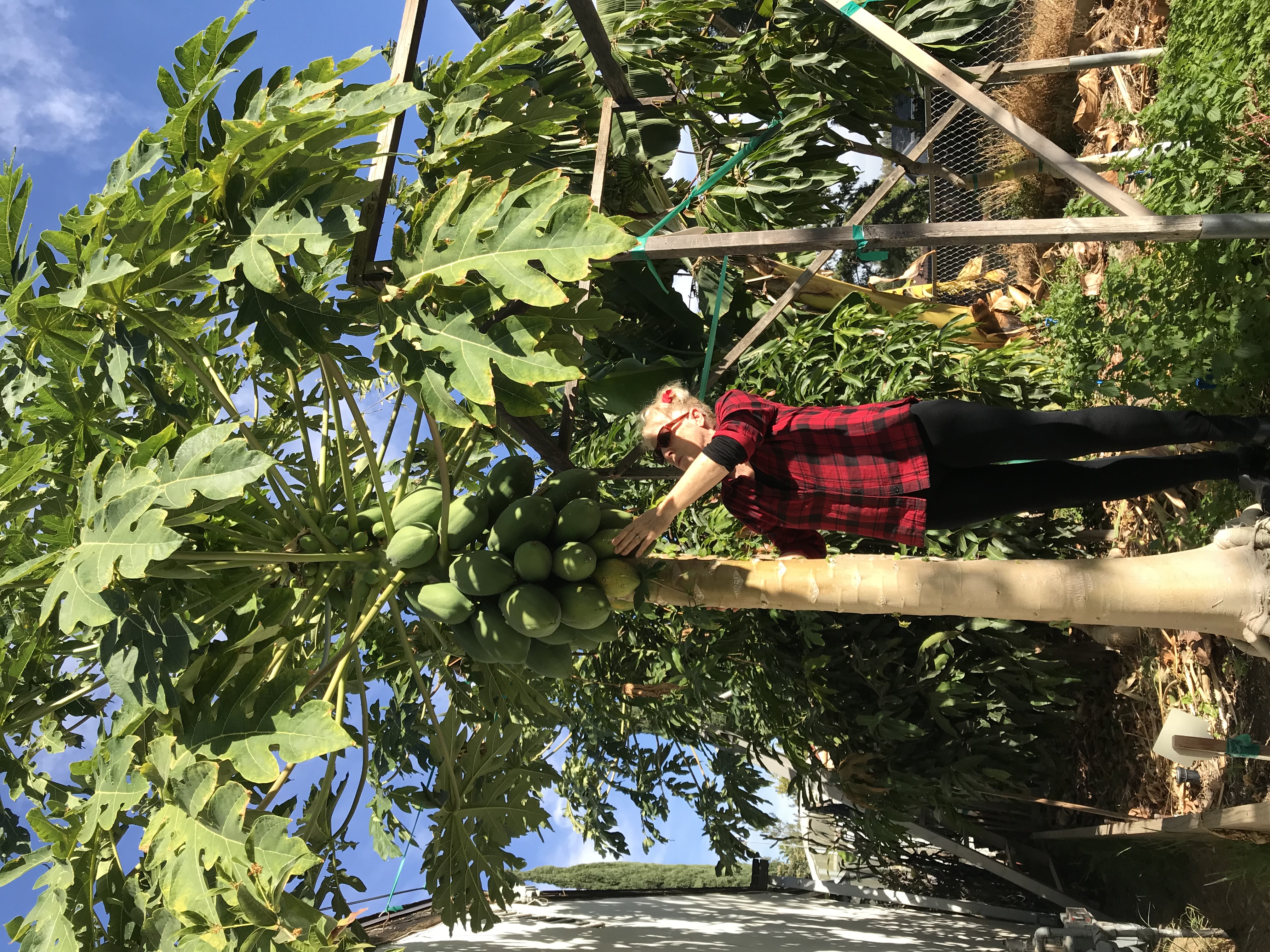
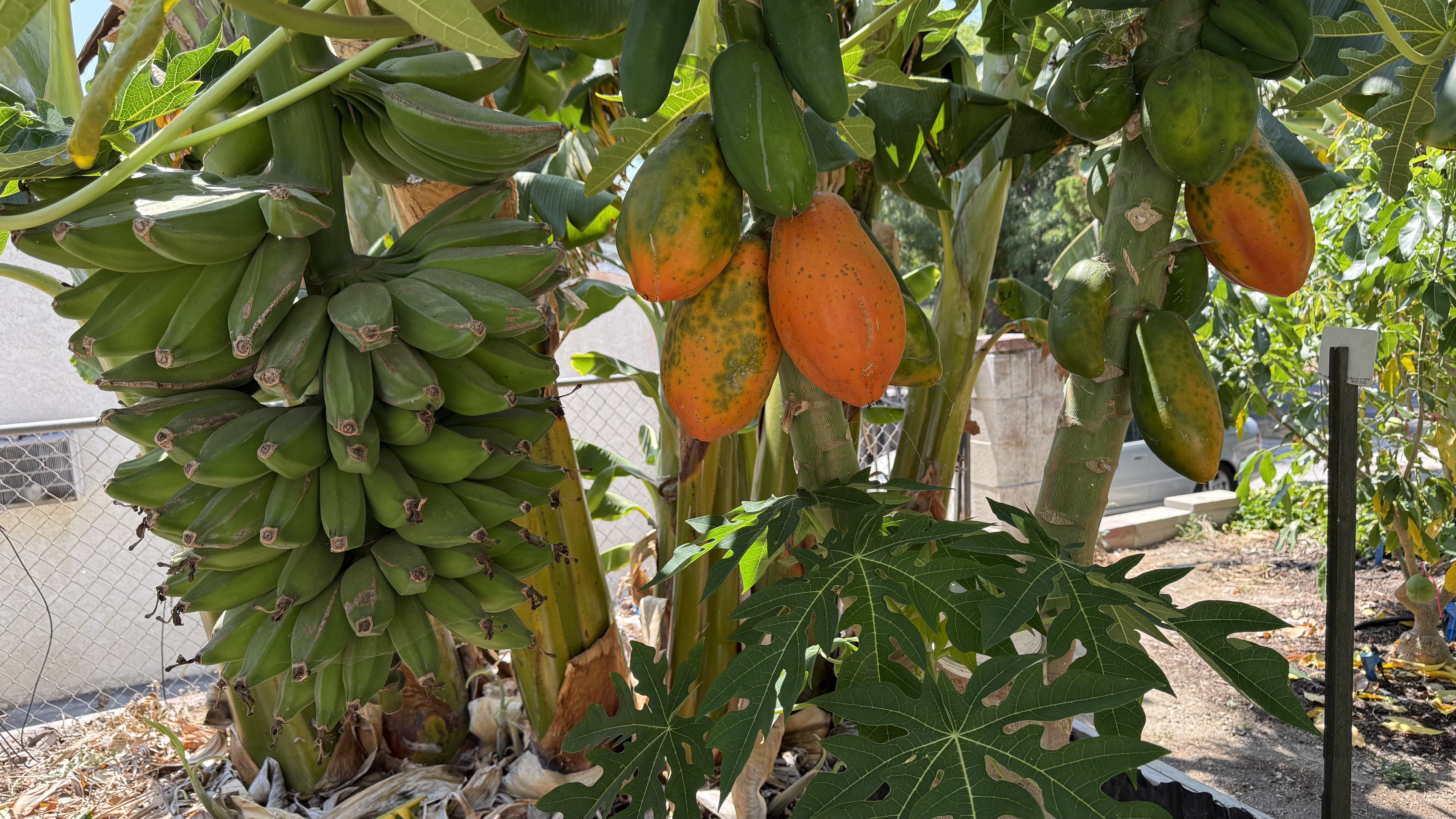
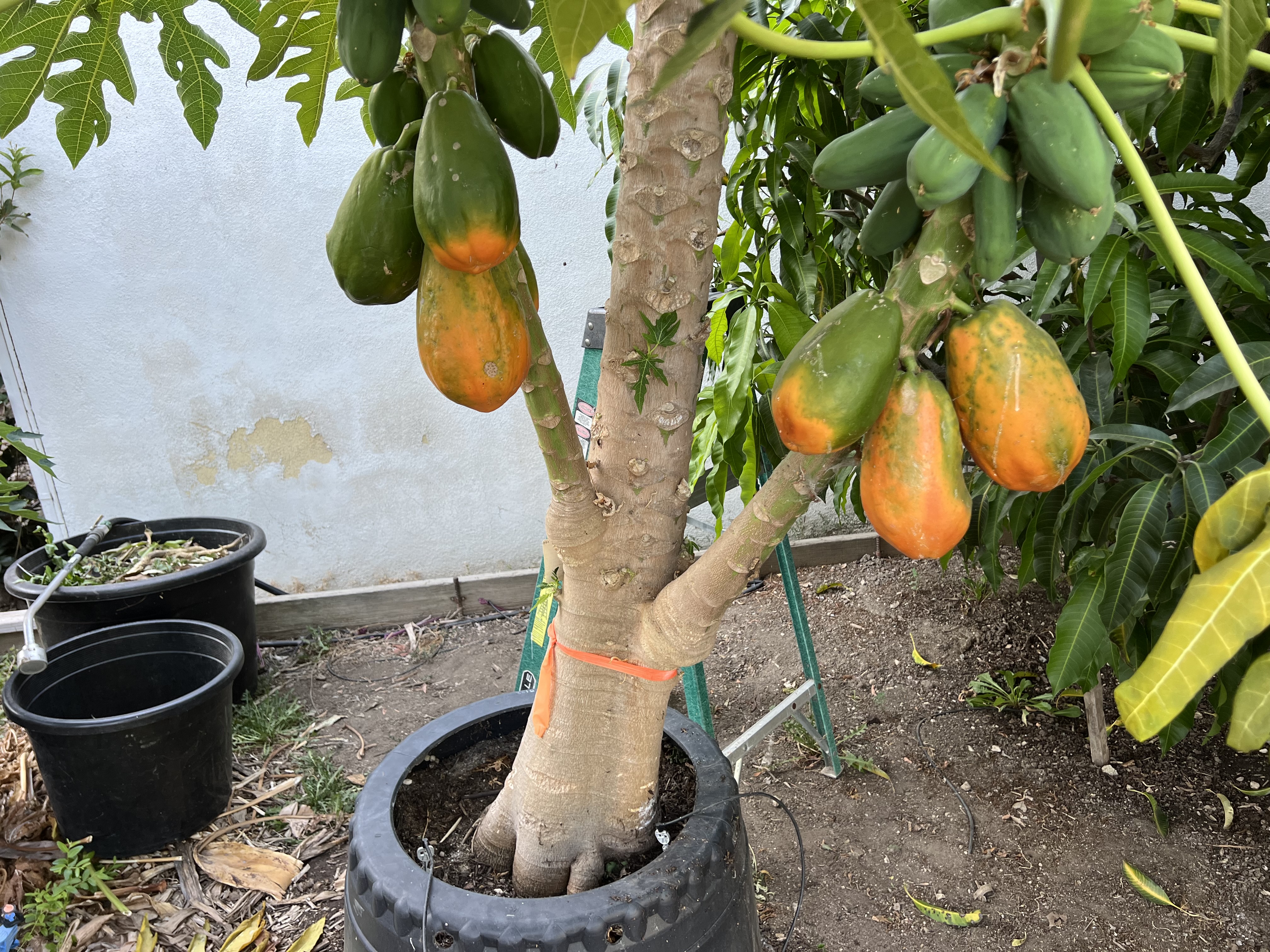
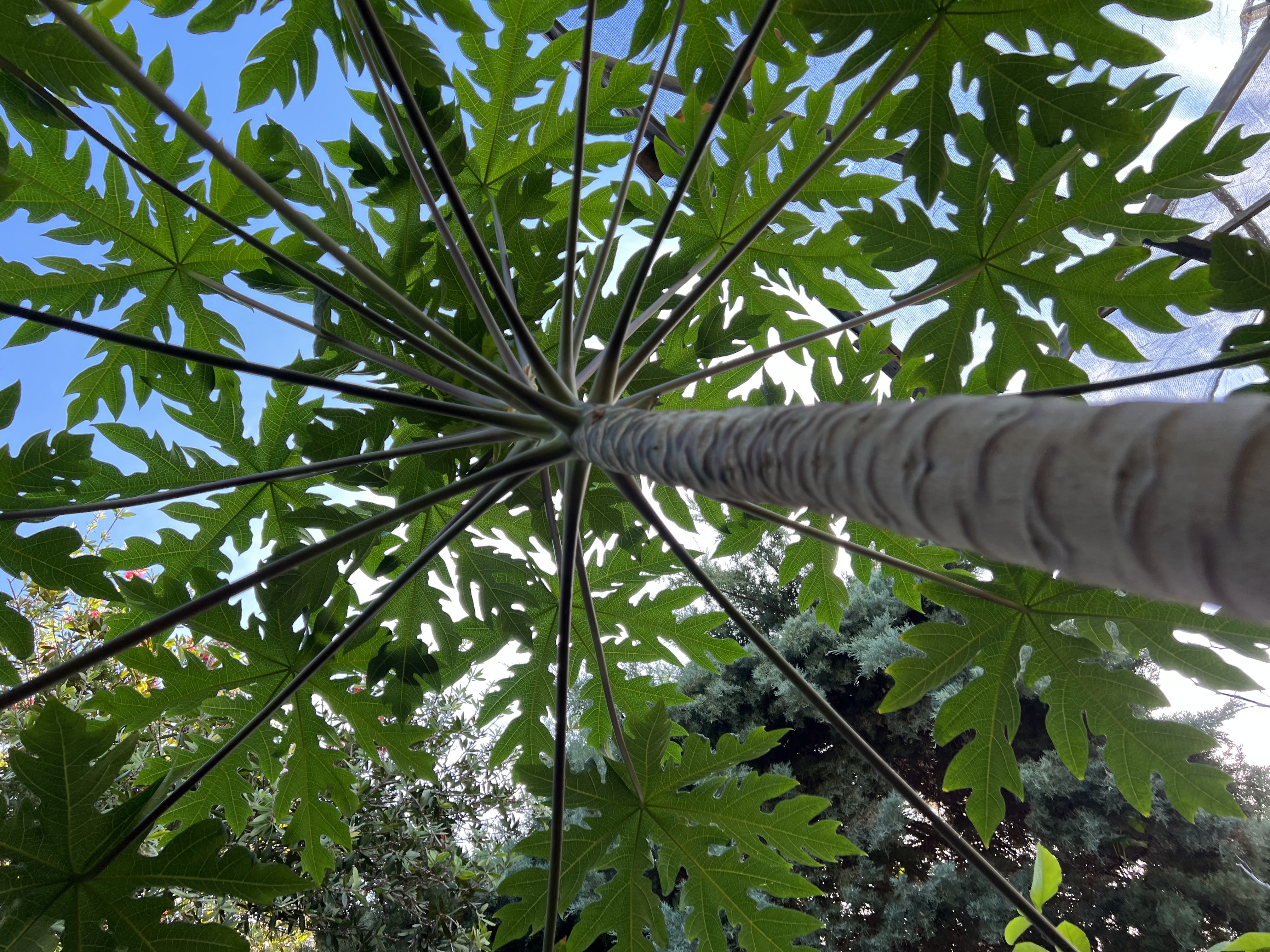
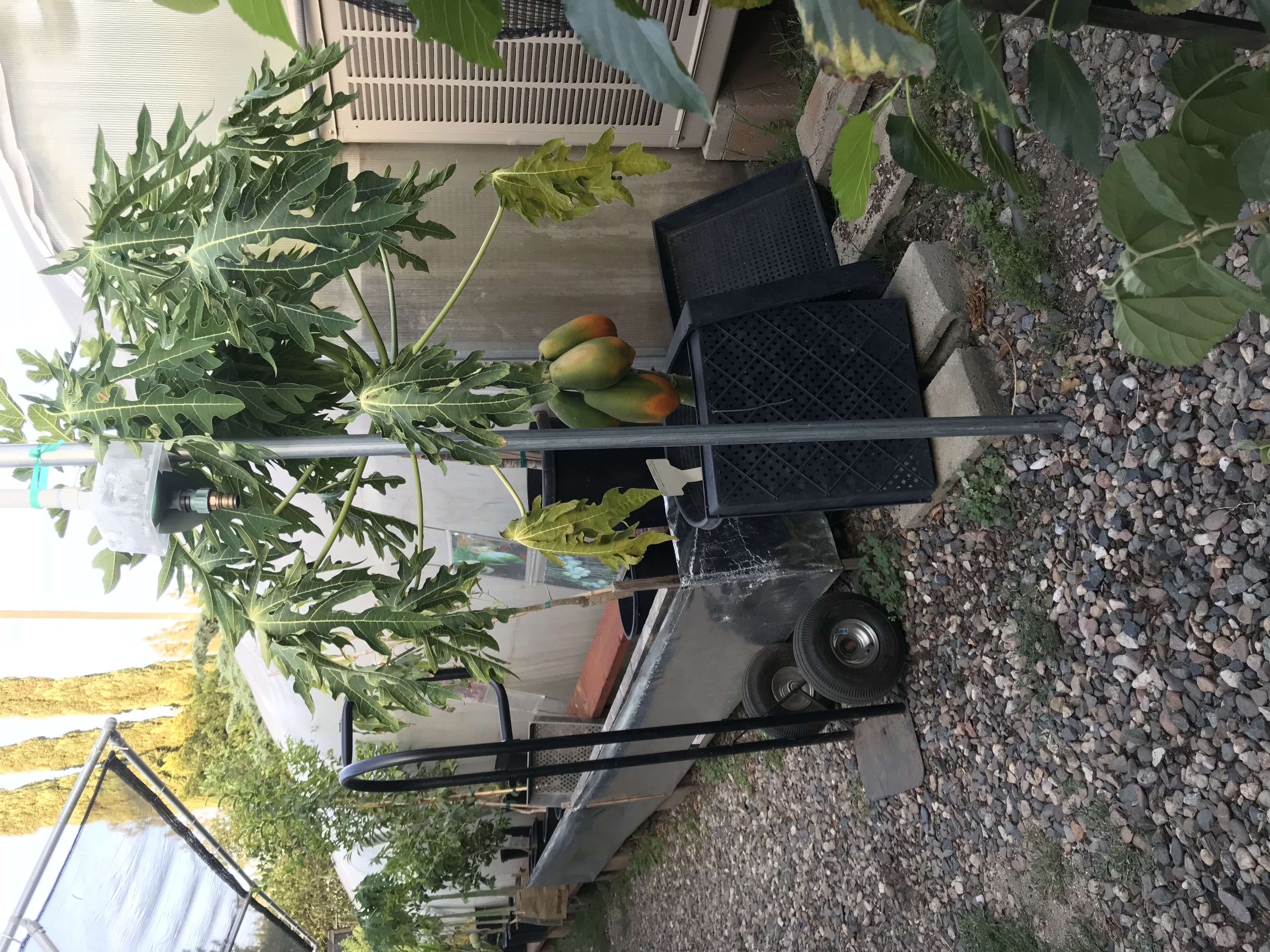
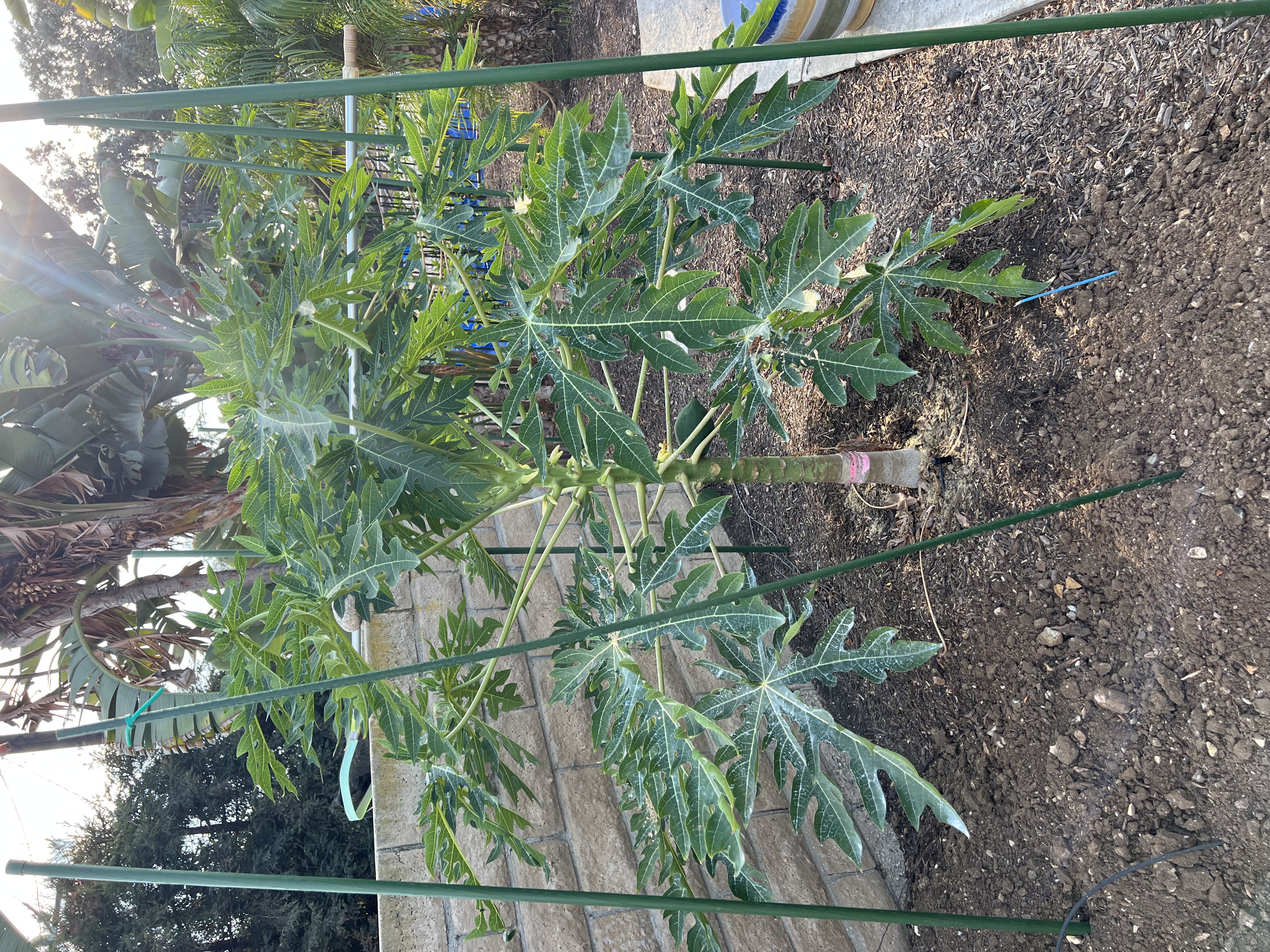
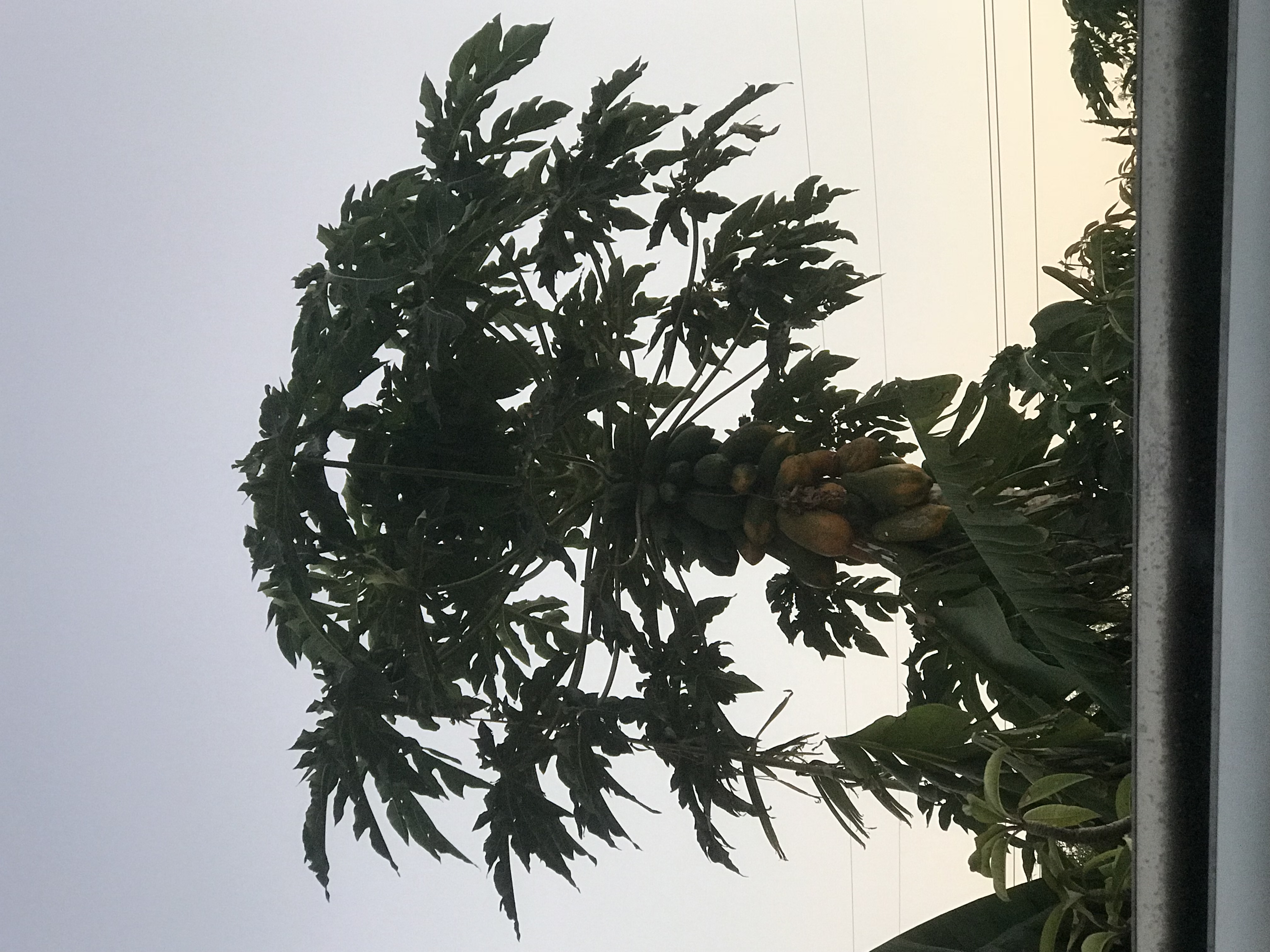
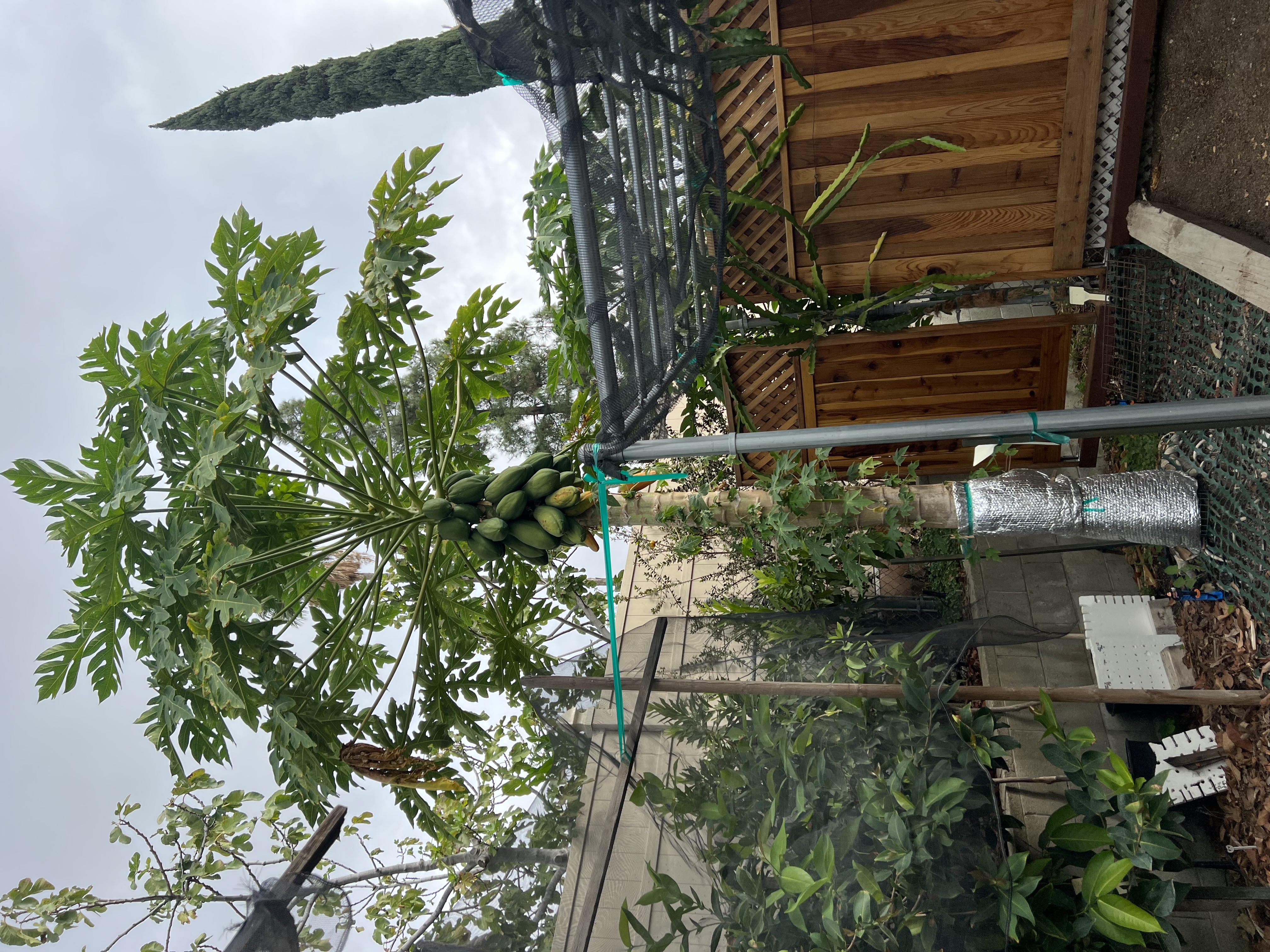
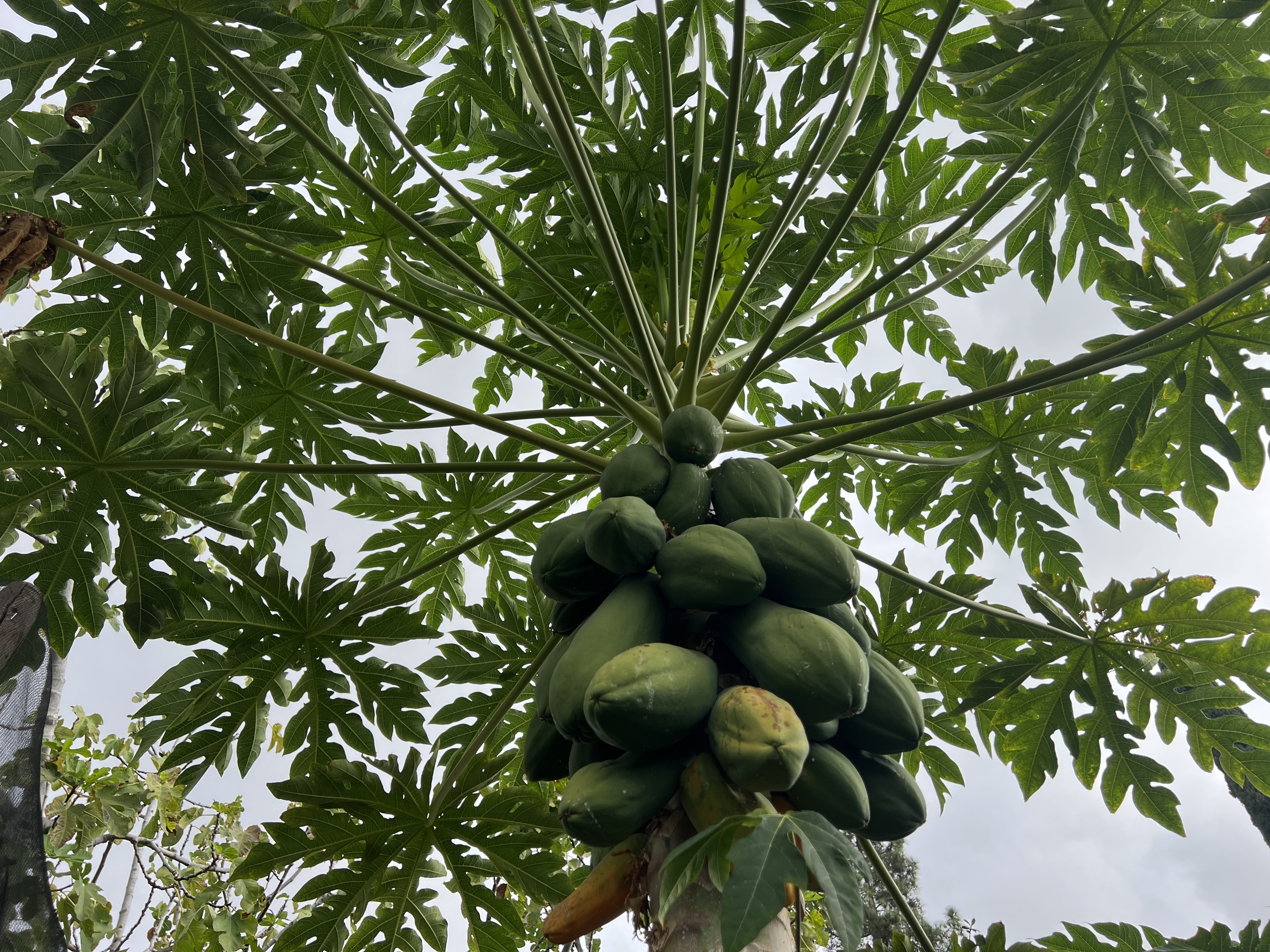
| Description | The Papaya is one of those widely recognized edible, fruiting plant species that is an iconic representation of the tropics. It is native to the regions of Southwest and Southeast Mexico, as well as along the Mexican Gulf, all of Central America, and both Colombia and Venezuela. Amazingly, this plant has since been distributed from a broad range of locations both north and south of the equator, including but not limited to, Northern Mexico, the majority of South America, coastal and central Africa, India and as far as Western Australia! The fruit itself is typically borne towards the top of the stem, being somewhat similar in appearance to a coconut palm. Some papaya plant varieties attain a height of 25 feet, making the act of harvesting a challenge; however, depending on the variety of papaya plant chosen, the fruit can be located as low as only one foot from the ground. The color of the pulp can be yellow, light orange, deep orange, pink, and an eye-catching deep red. The size range of individual papaya fruits (again, depending on the variety chosen)can also vary dramatically from weighing as little as 14 ounces to as much as 13 pounds! The flavor and texture of the sweet fruit will, of course, also vary. Typically, the relatively soft pulp is easy to scoop out and eat fresh out-of-hand. Additionally, it is used to make juices, sweet fruit salads with lime juice, milkshakes, ice cream sundaes, cooked in pies, or made into jams, to name a few. Two of my favorite uses for this fruit are as a savory vegetable in it's unripe, light-green colored form. Both methods require carefully peeling the skin. One method requires cooking bite-sized chunks in a Filipino soup named Chicken Tinola. The other method uses the green fruit raw yet requires thinly cutting it julienne- style and used in a refreshing Southern Thai dish named Som Tum or Green Papaya Salad. So whether you enjoy this relatively healthy offering as a sweet fruit or as a savory vegetable, the papaya might deserve your consideration to include it in the edible landscape. |
| Evergreen/Deciduous | Evergreen |
| Height x Width | 8-15' x 8' |
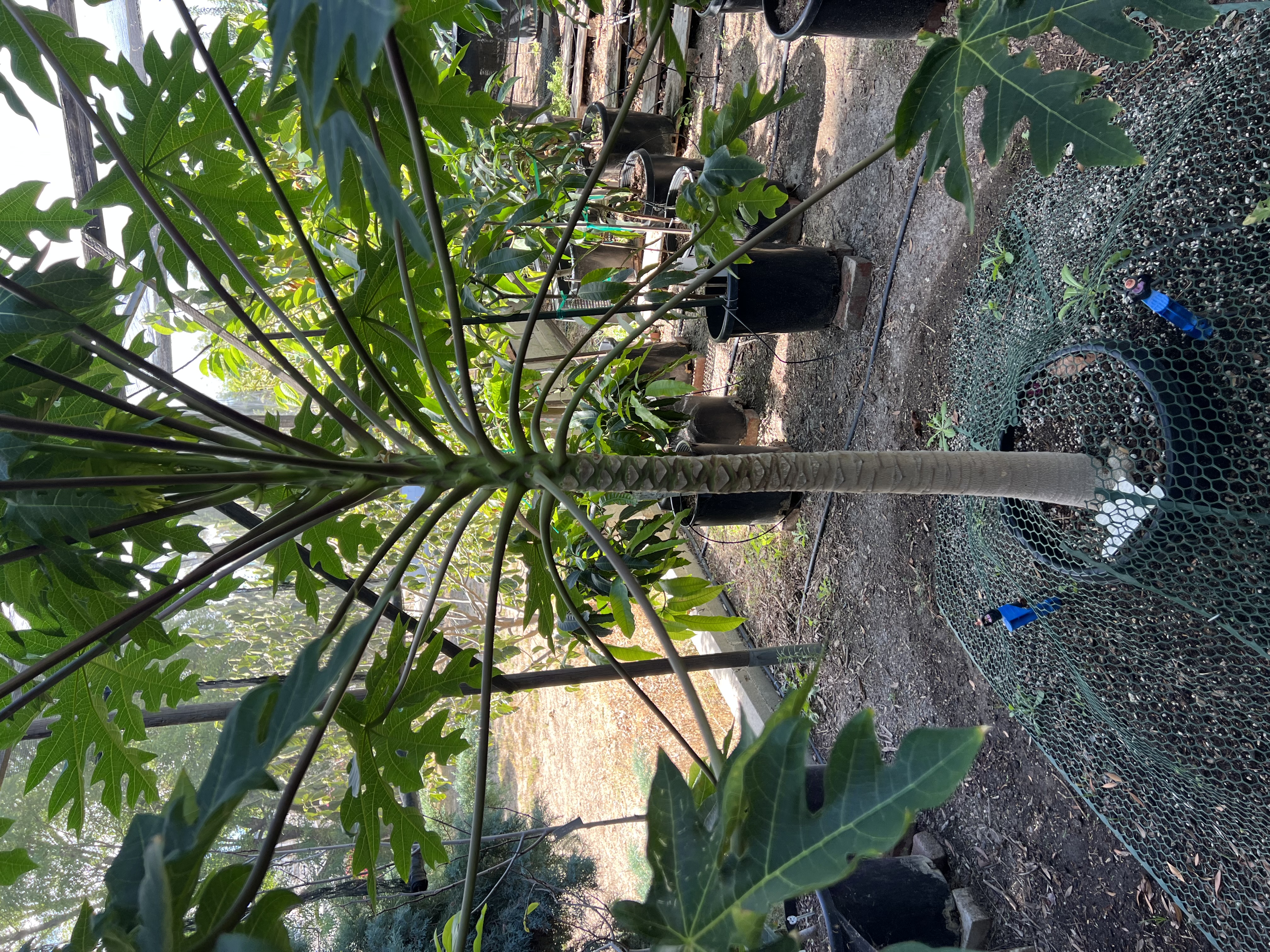
| Growth Habit | Tree-like, single stem |
| Growth Rate | Fast |
| Sun Exposure | Full Sun |
| Cold Hardiness | Tolerant to 33°F |
| Fruit Bearing Age/Height | Four to Six Feet |
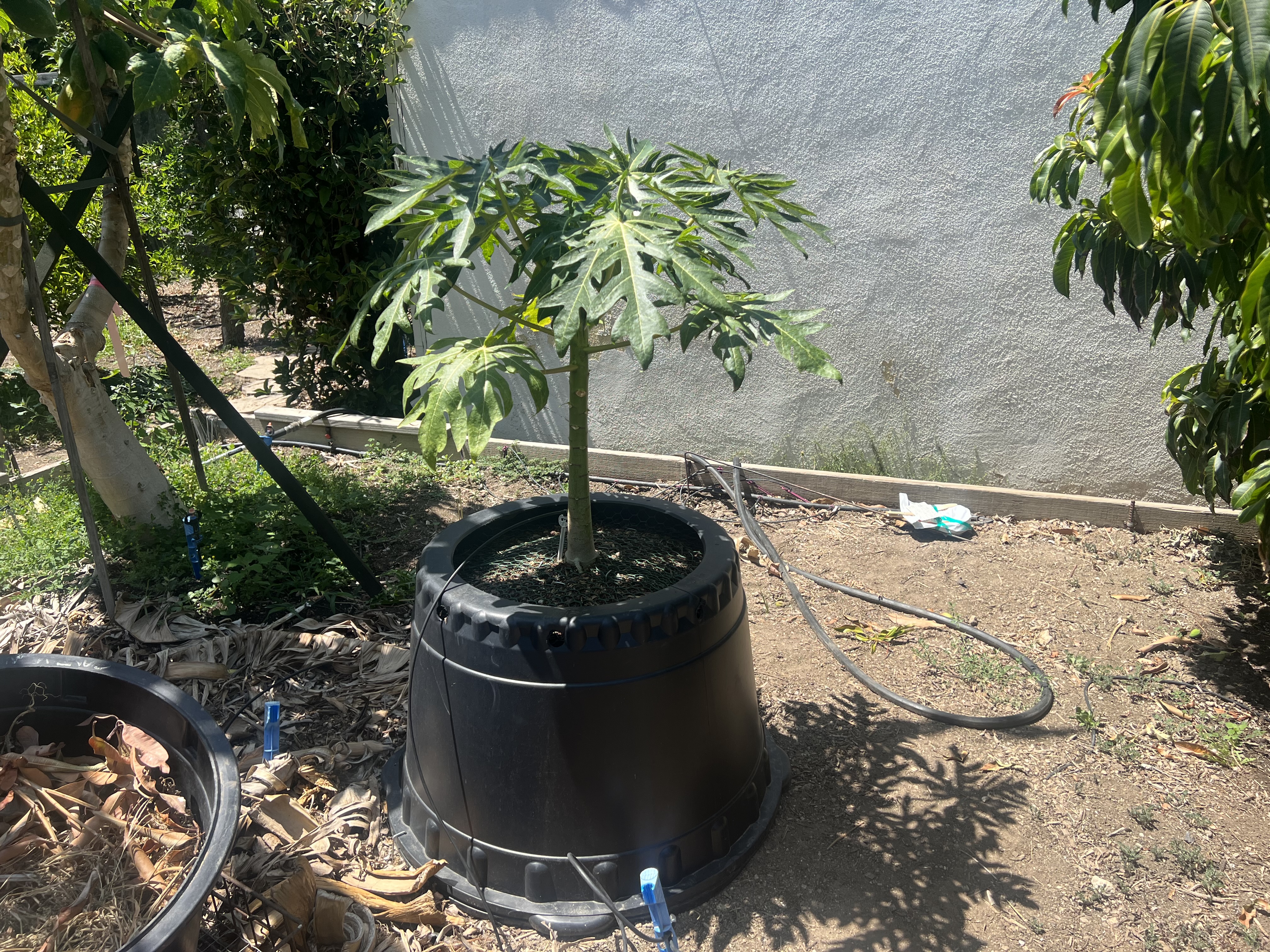
| Suitable To Container Culture | Yes |
| Harvest Period | June-November |
| Video | Coming Soon |