| Common Name | Mamey Sapote / Mamey / "Sapote Colorado" |
| Scientific Name/Synonyms | Calocarpum sapota / syn. Pouteria sapota |
| Cultivars/Varieties | 'Magaña', 'Pantin' |
| Country of Origin | Mexico |
| Native Range | Southern Mexico → Central America |
| Also found in other Regions | Colombia, Cuba, Ecuador, Haiti, Venezuela |
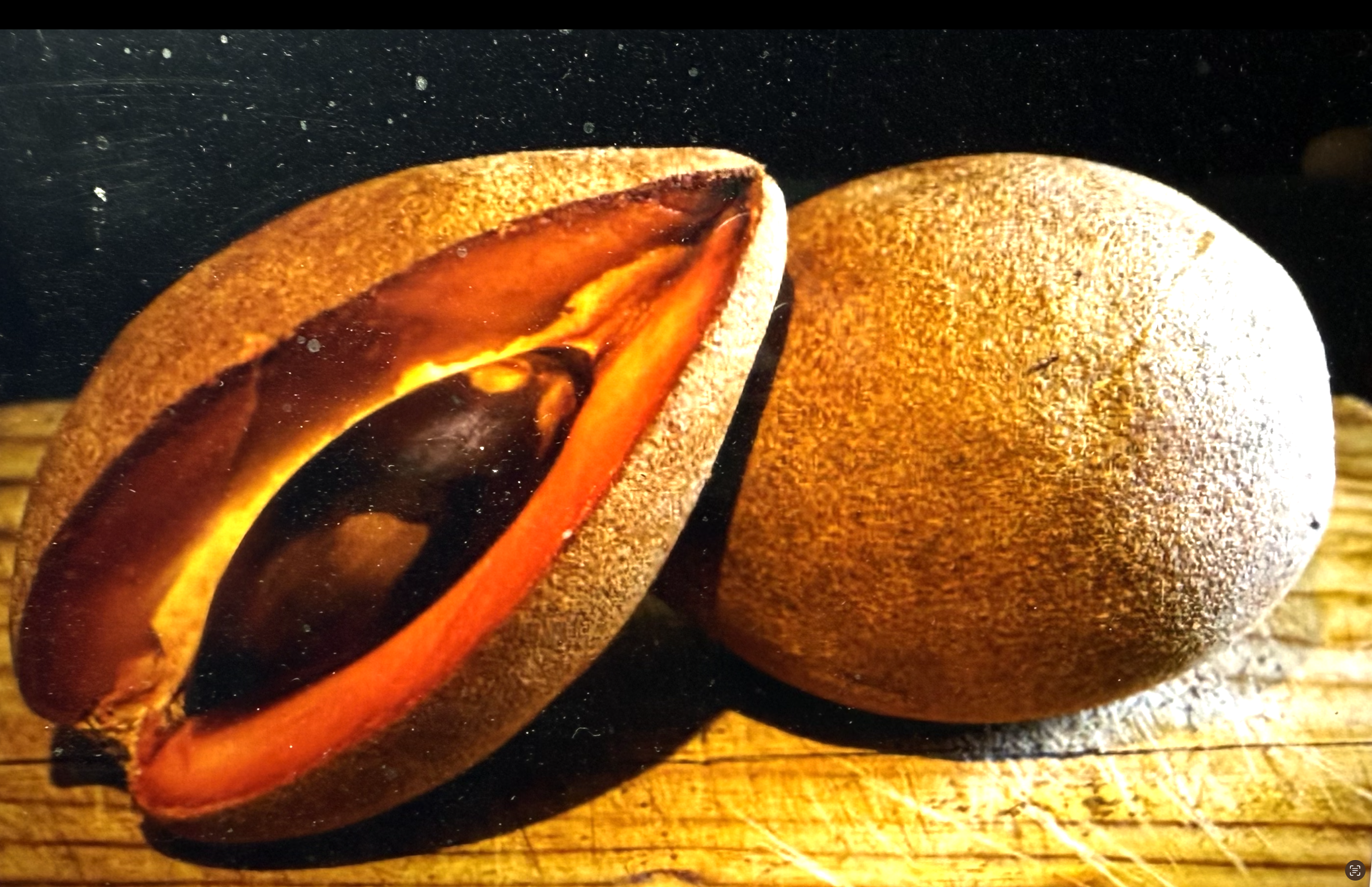
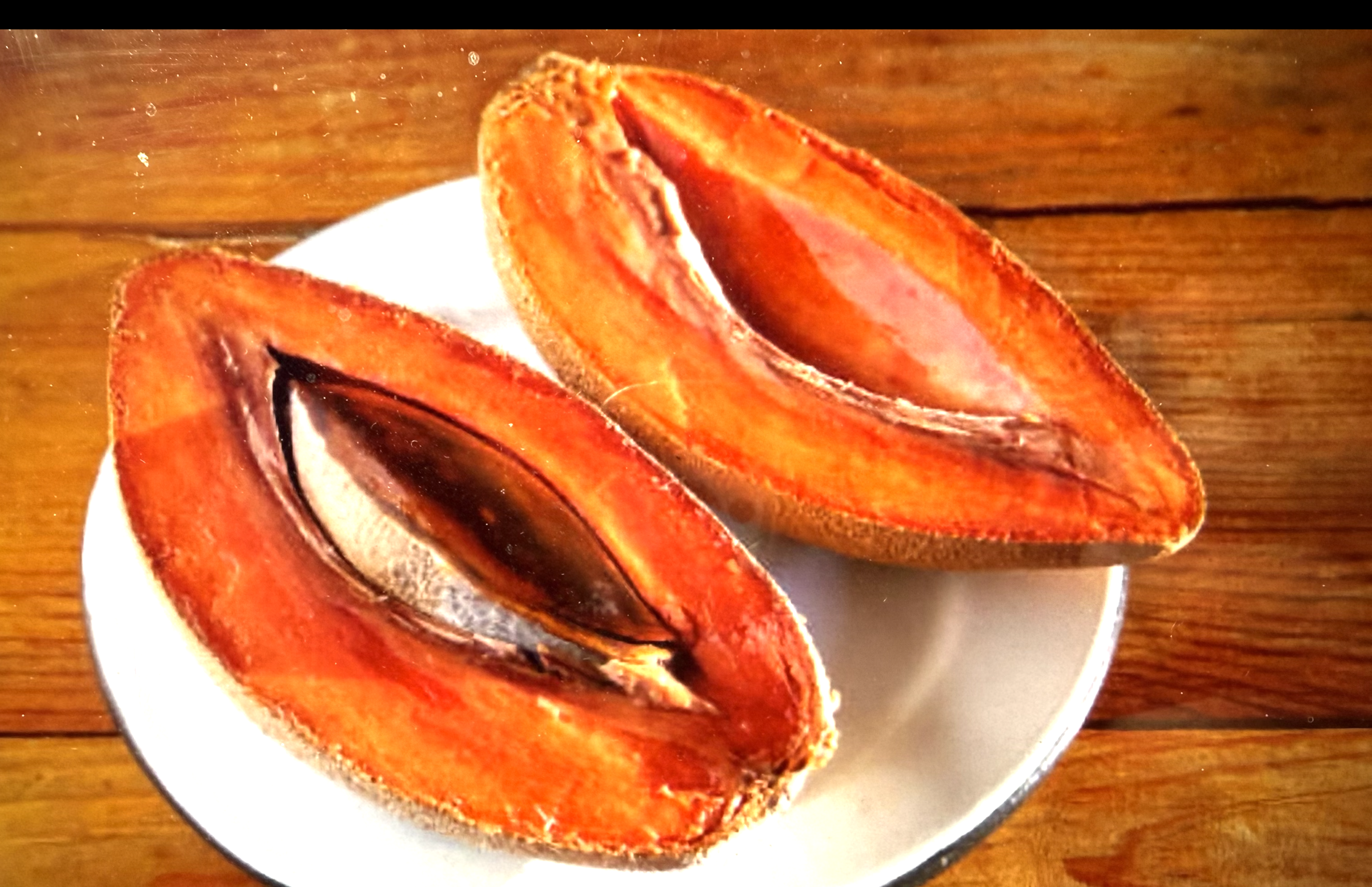
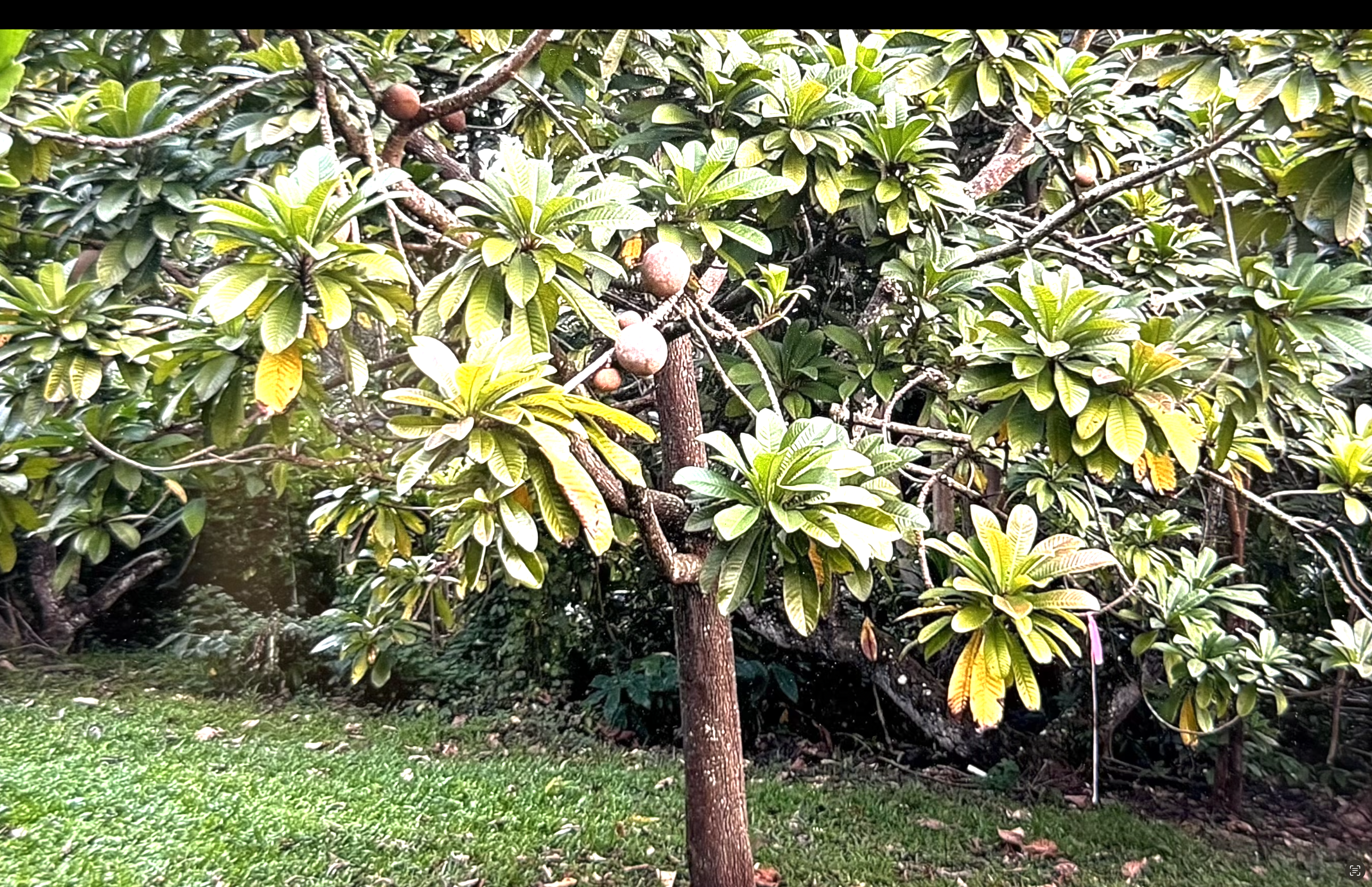
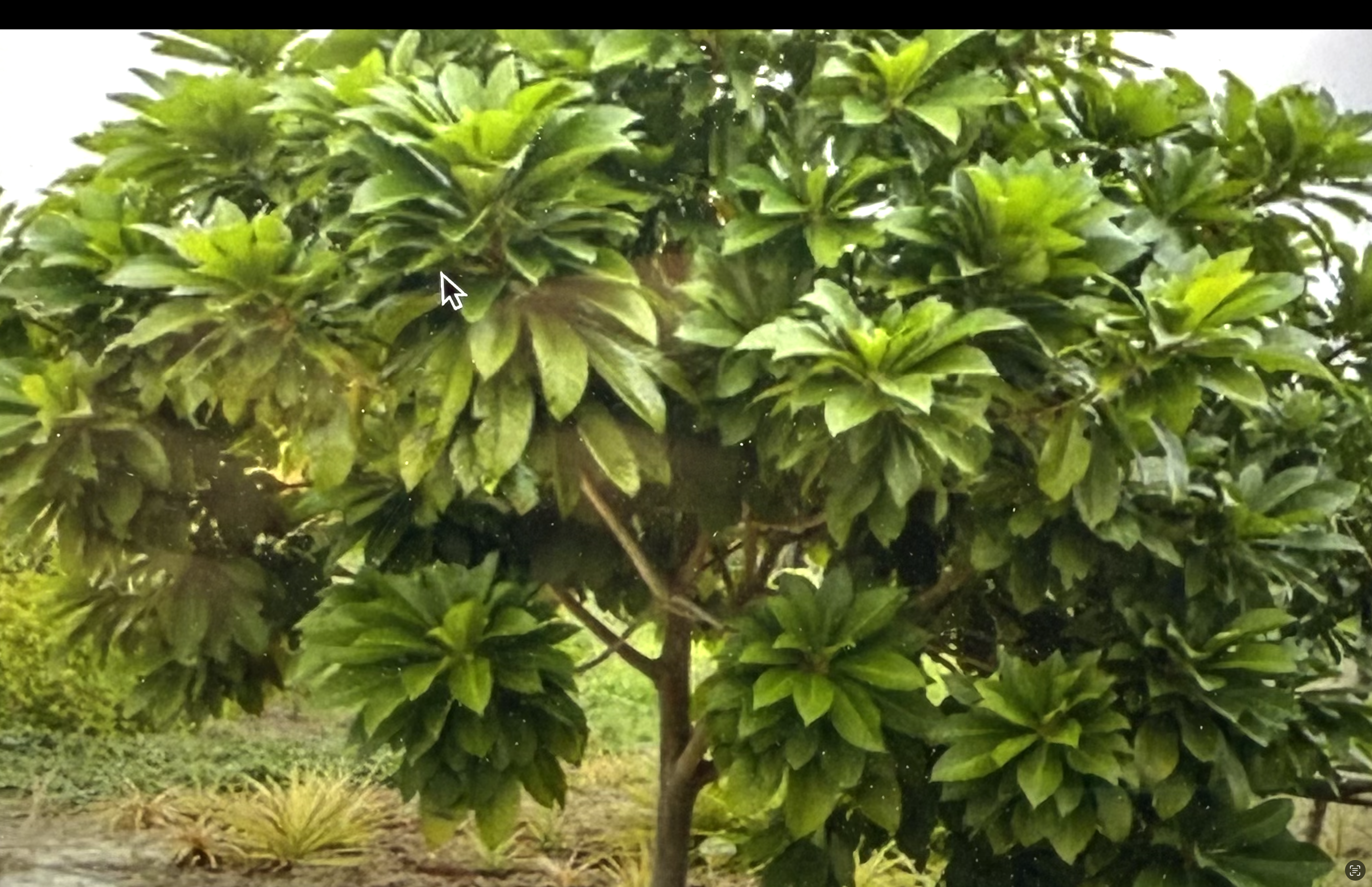
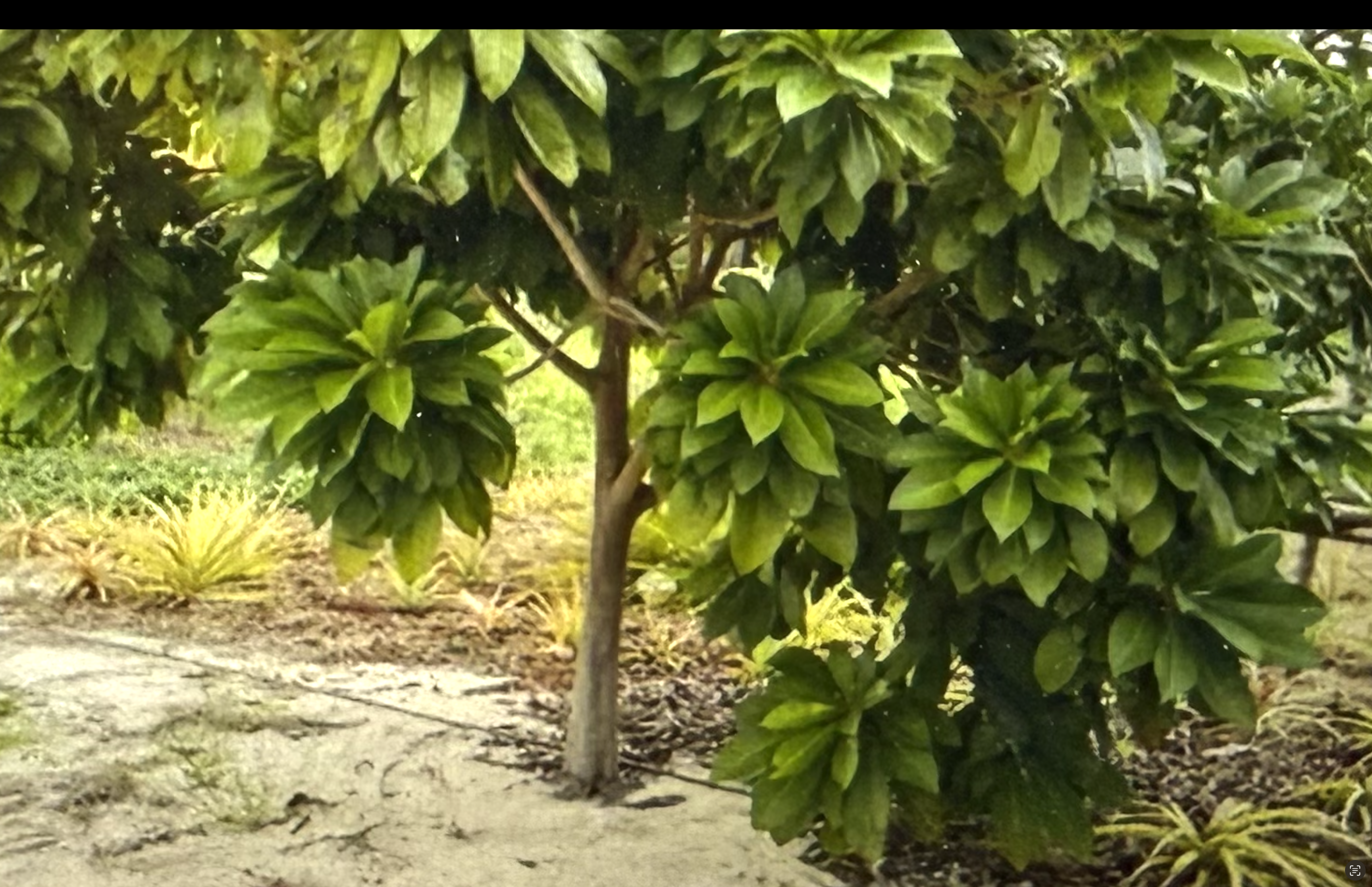
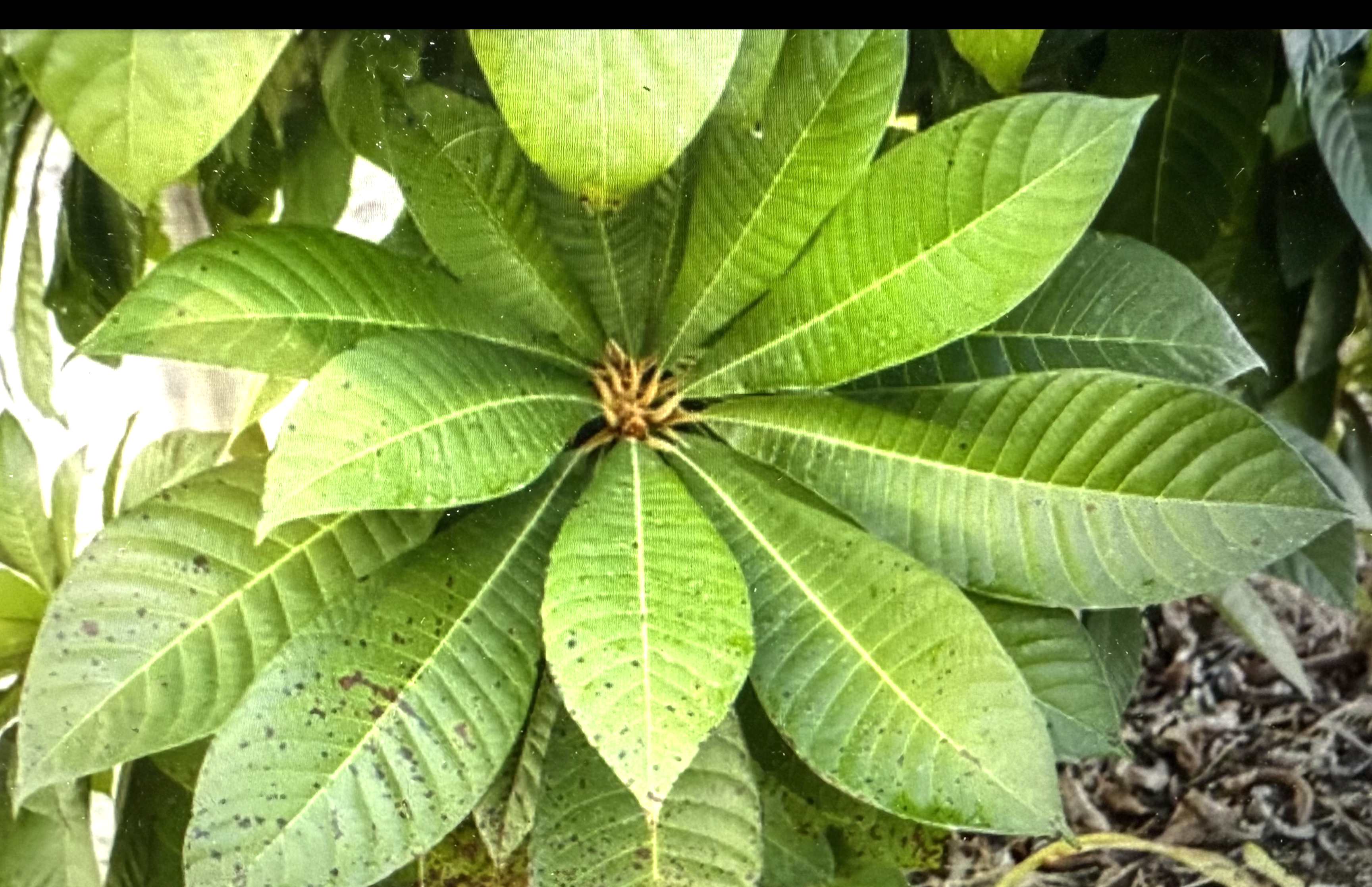
| Description | The Mamey Sapote is an evergreen tropical tree native to Mexico and all of Central America. The wild versions of this particular species can attain a height of over 100' but fortunately, named, grafted versions are often only 10' - 15' tall. The foliage is similar in appearance to that of the much more common loquat yet typically larger. While the named, grafted versions are slower growing and considerably smaller at maturity, they can surprisingly begin producing fruit when only 5 feet tall. There are increased reports of the Mamey sapote producing fruits when planted outdoors in various locations throughout Southern California! The outward appearance of the fruit is similar to the closely related Sapodilla, having a dark-brown skin color and a relatively rough surface, yet the internal pulp color is bright orange red to deep red, unlike the brown pulp color of it's relative. Also, the fruit size is typically 2 to 5 times larger than the sapodilla, ranging in weight from one to 3 pounds, and with one particular variety, potentially producing fruit that weigh up to 5 pounds! The very sweet flavor of the melting pulp is similar to that of baked sweet squash or pumpkin pie without the spices. The fruit is typically consumed fresh, out-of-hand or used to make jams, sorbets, or milkshakes. This beautiful evergreen tree is one to consider for the sub-tropical landscape. |
| Evergreen/Deciduous | Evergreen |
| Height x Width | 10' x 8' |
| Growth Habit | Small sized tree, open branching structure |
| Growth Rate | Slow / Medium |
| Sun Exposure | Full Sun / Partial Shade |
| Cold Hardiness | Tolerant to 33°F |
| Fruit Bearing Age/Height | Four to Six Feet |
| Suitable To Container Culture | Yes |
| Harvest Period | September - November |
| Video | Coming Soon |