One thing I've learned over the years is that many first-time mango growers harvest their fruit either too early or too late. Learning the proper stage at which each variety should be picked is every bit as important as selecting the right cultivar. Once you become familiar with the ripening characteristics of each variety, you'll discover why fresh, tree-ripened mangoes are considered among the finest fruits in the world. There is simply no comparison between a properly ripened homegrown mango and one that has been picked early for commercial shipping.
| Common Name | Guava / Tropical Guava |
| Scientific Name/Synonyms | Psidium guajava |
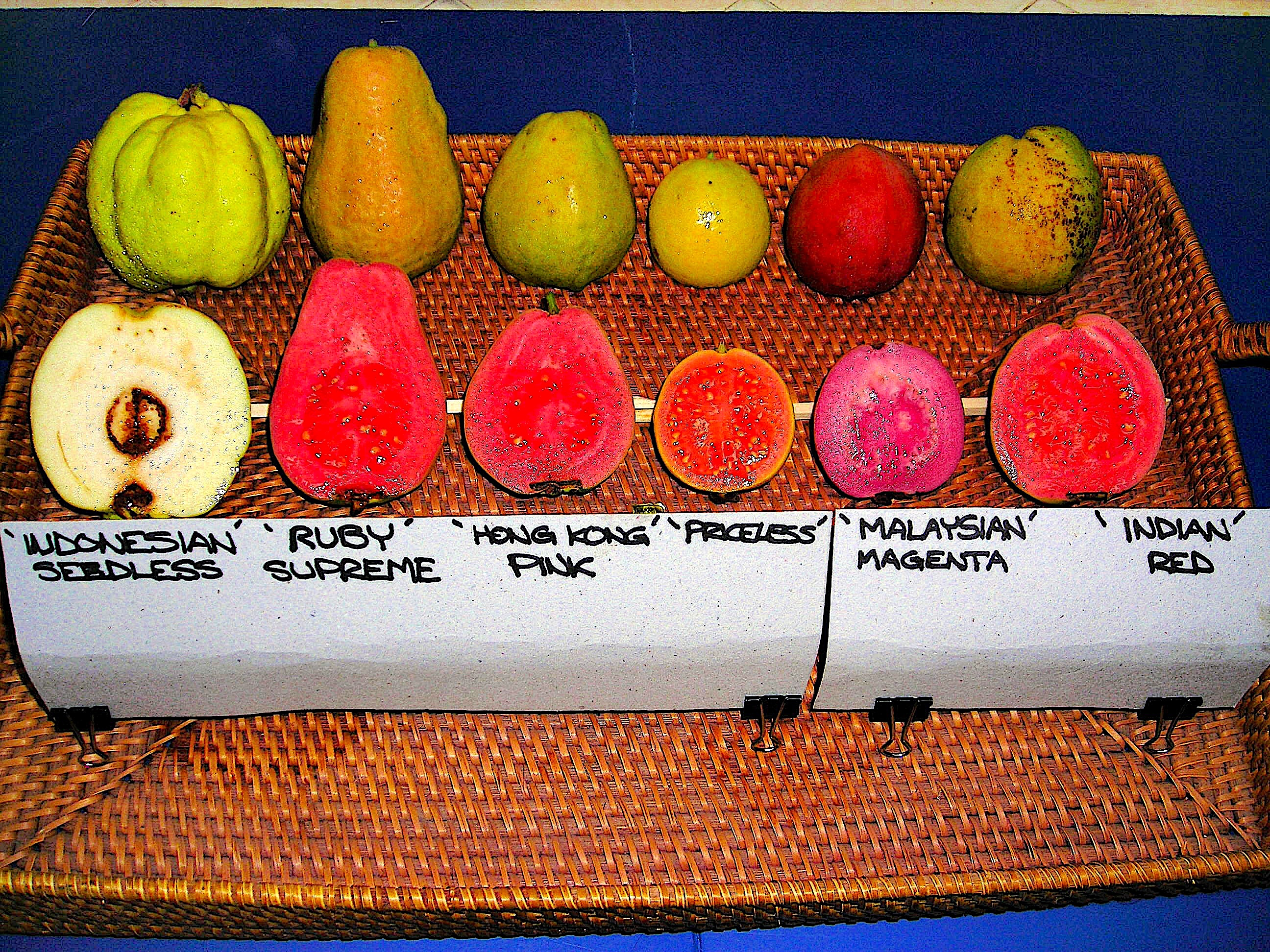
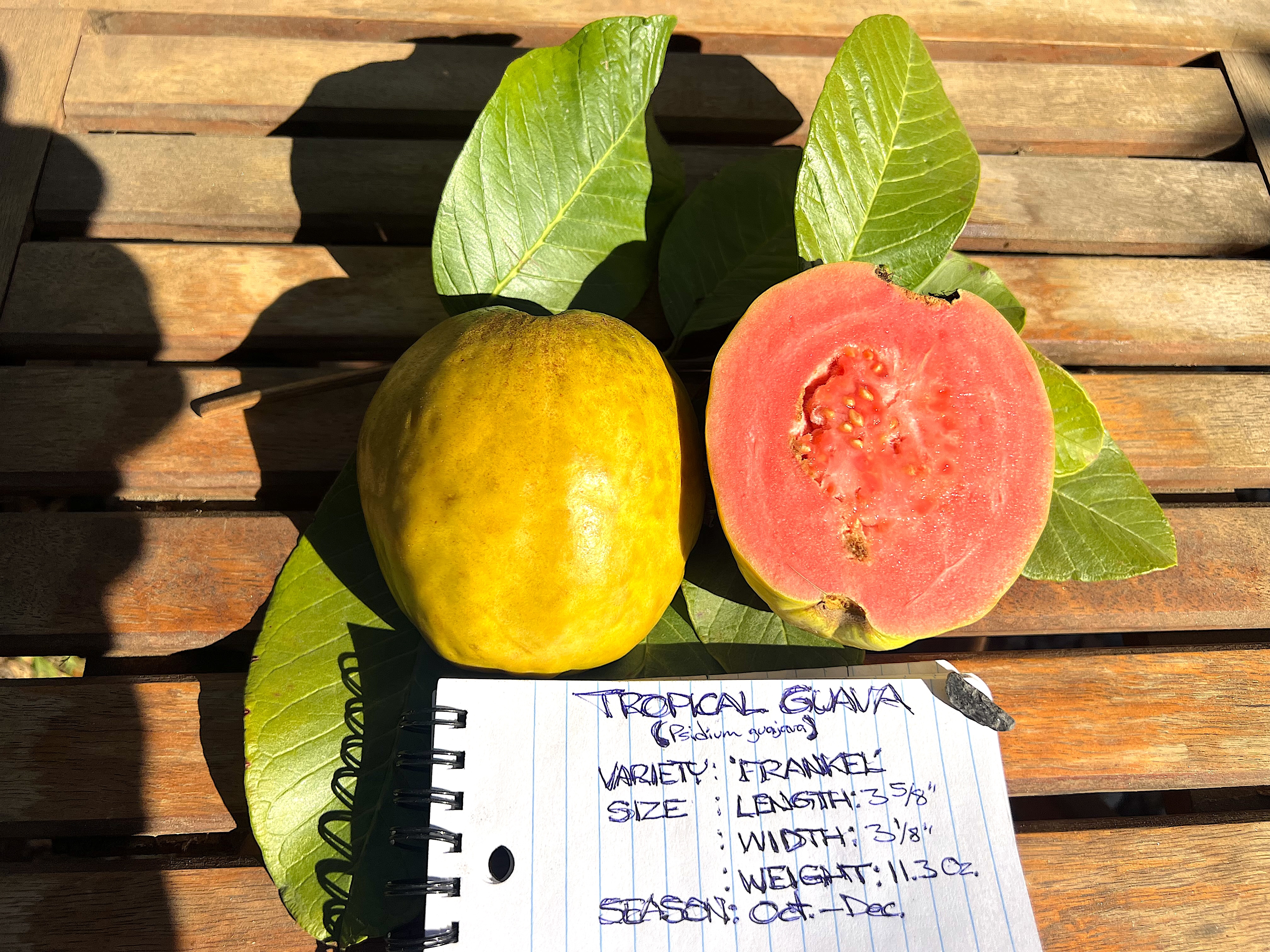
| Cultivars/Varieties | Egyptian, Frankel, Indian Red, True Indonesian Seedless, Malaysian Magenta, Red Thai Apple Hyb., True Ruby Supreme, Taiwan Pearl, True Turnbull Giant, Vietnamese King |
| Country of Origin | Mexico |
| Native Range | Mexico → Central America |
| Also found in other Regions | The Caribbean, South America, Southeast Asia, Tropical Africa, India, Florida, Hawaii, Southern California |
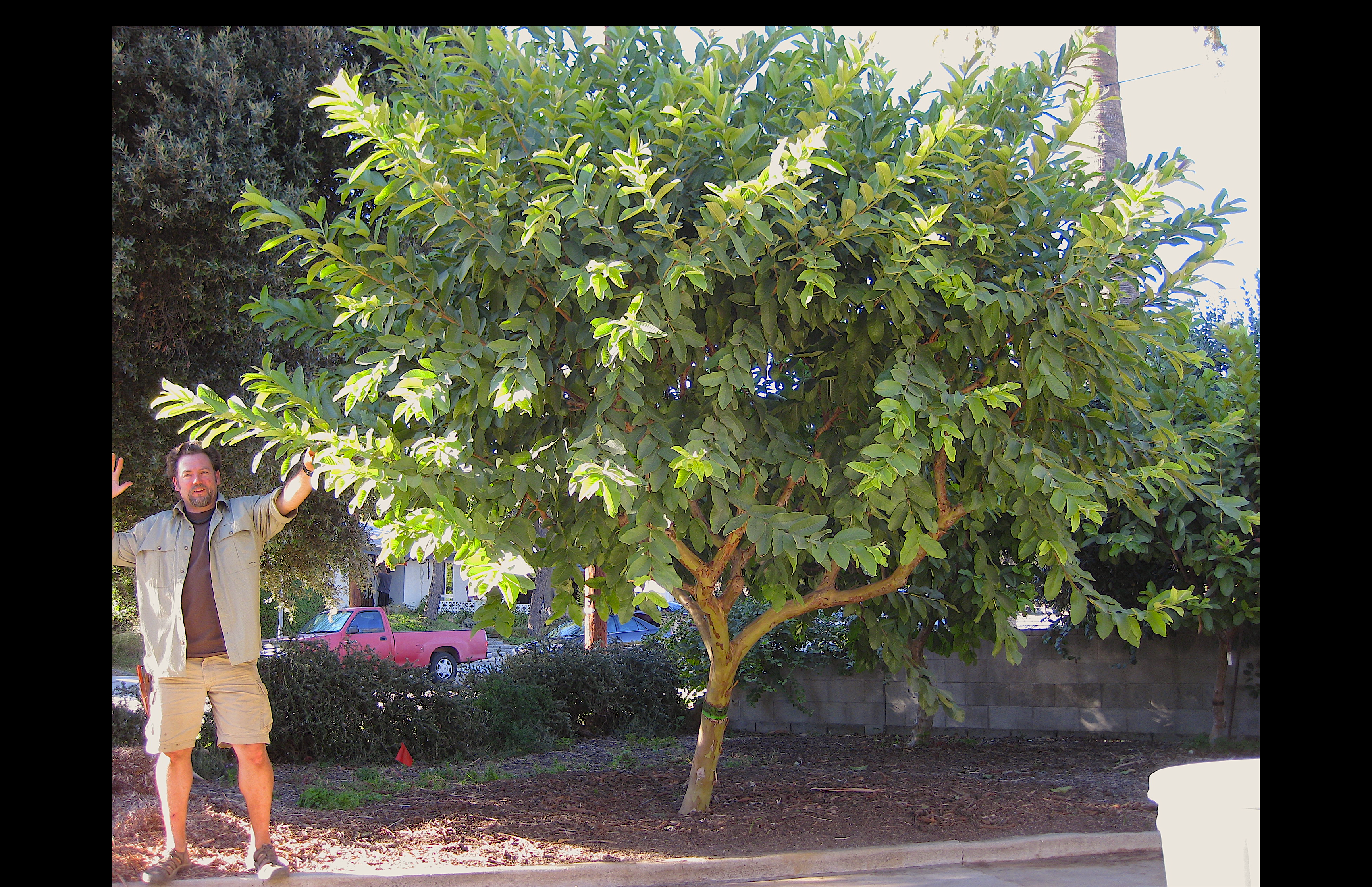
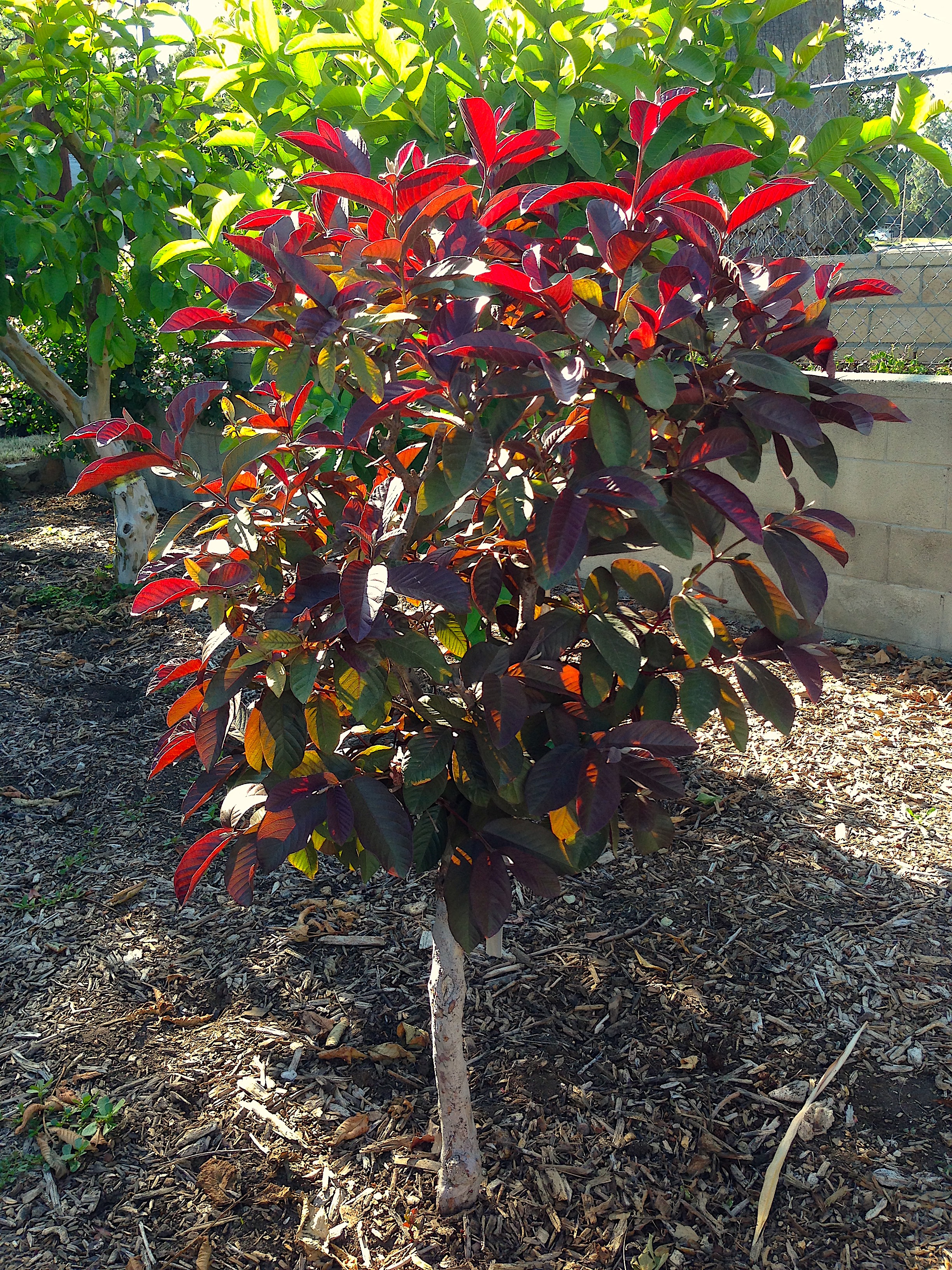
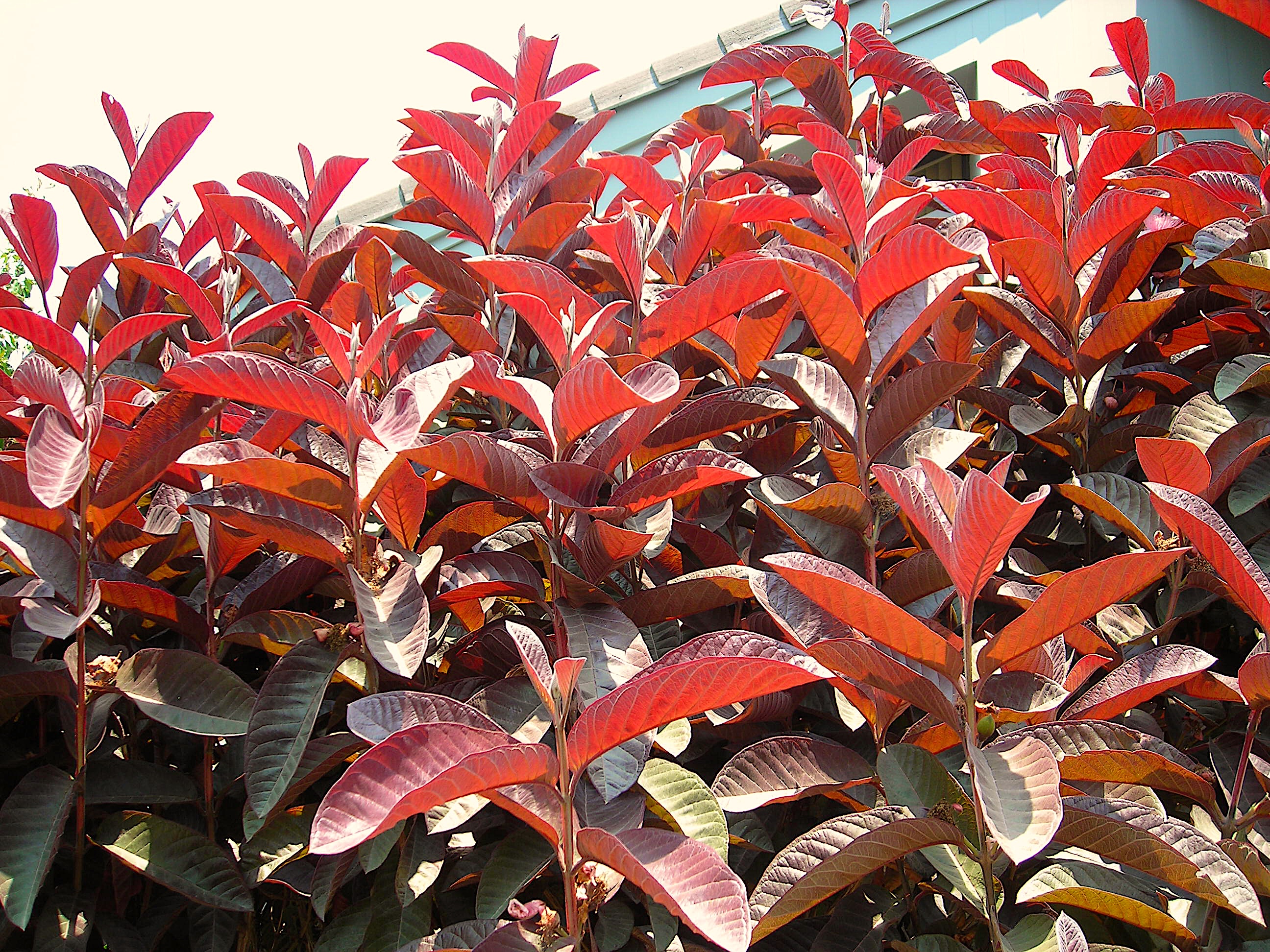
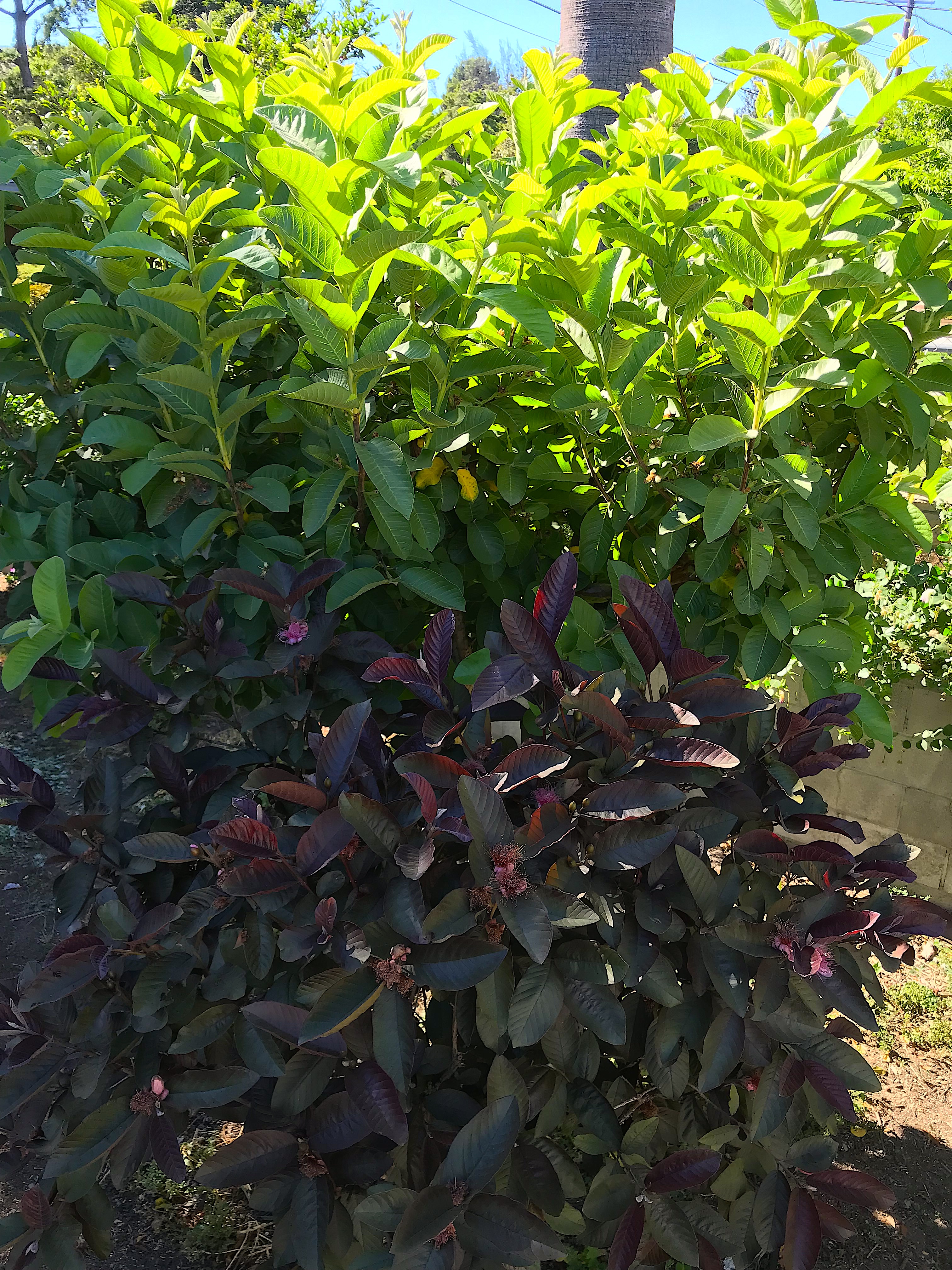
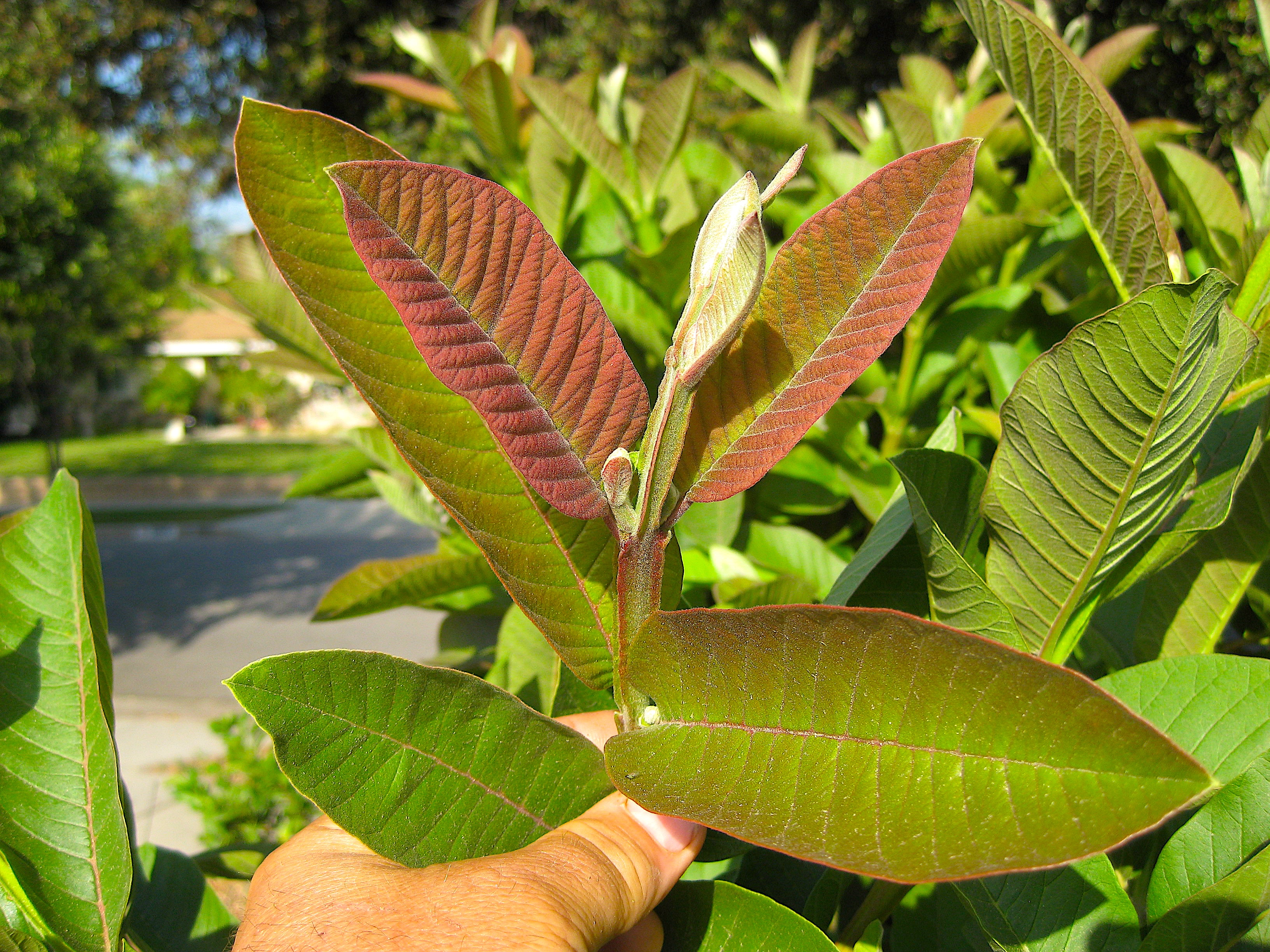
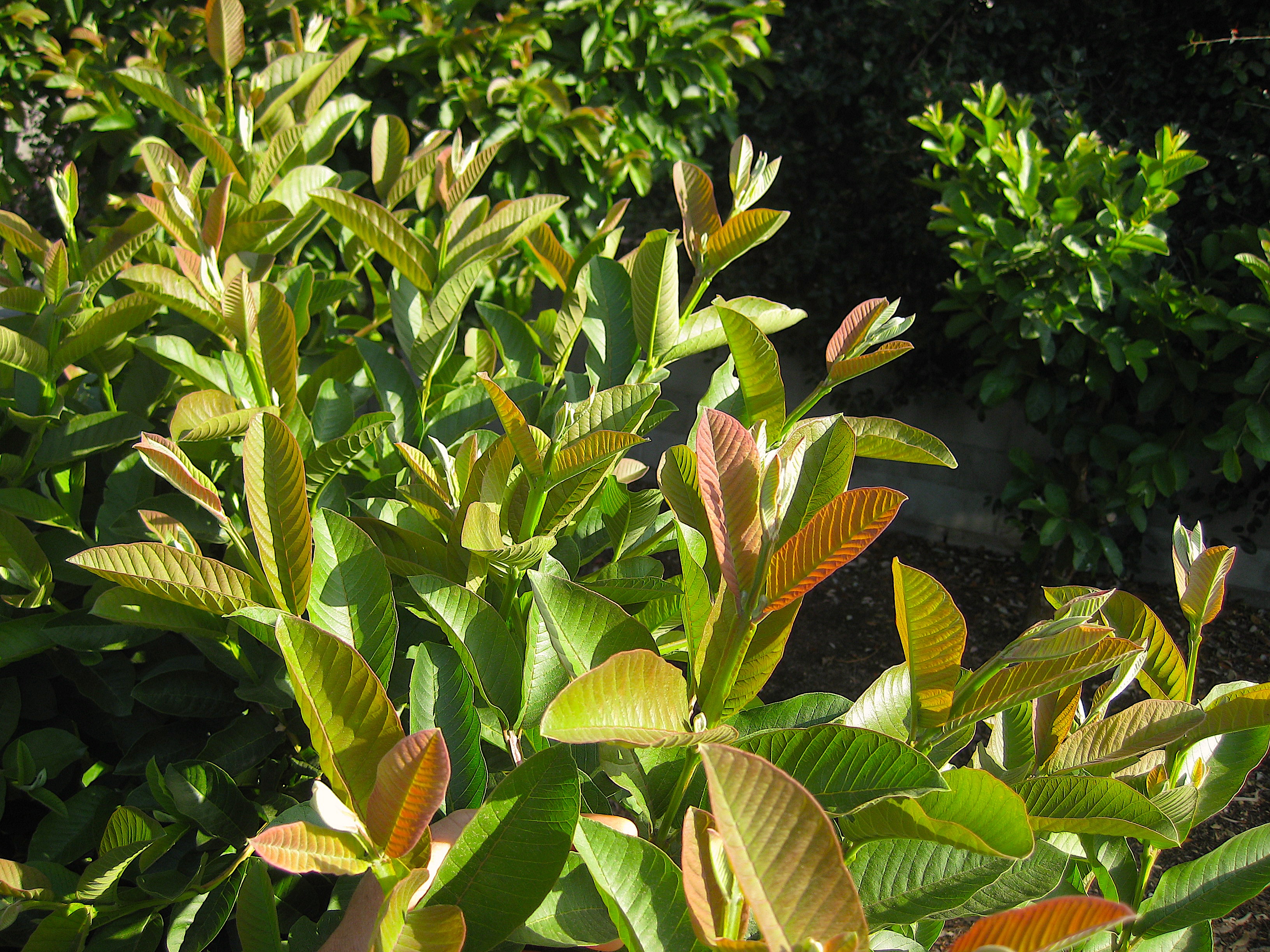
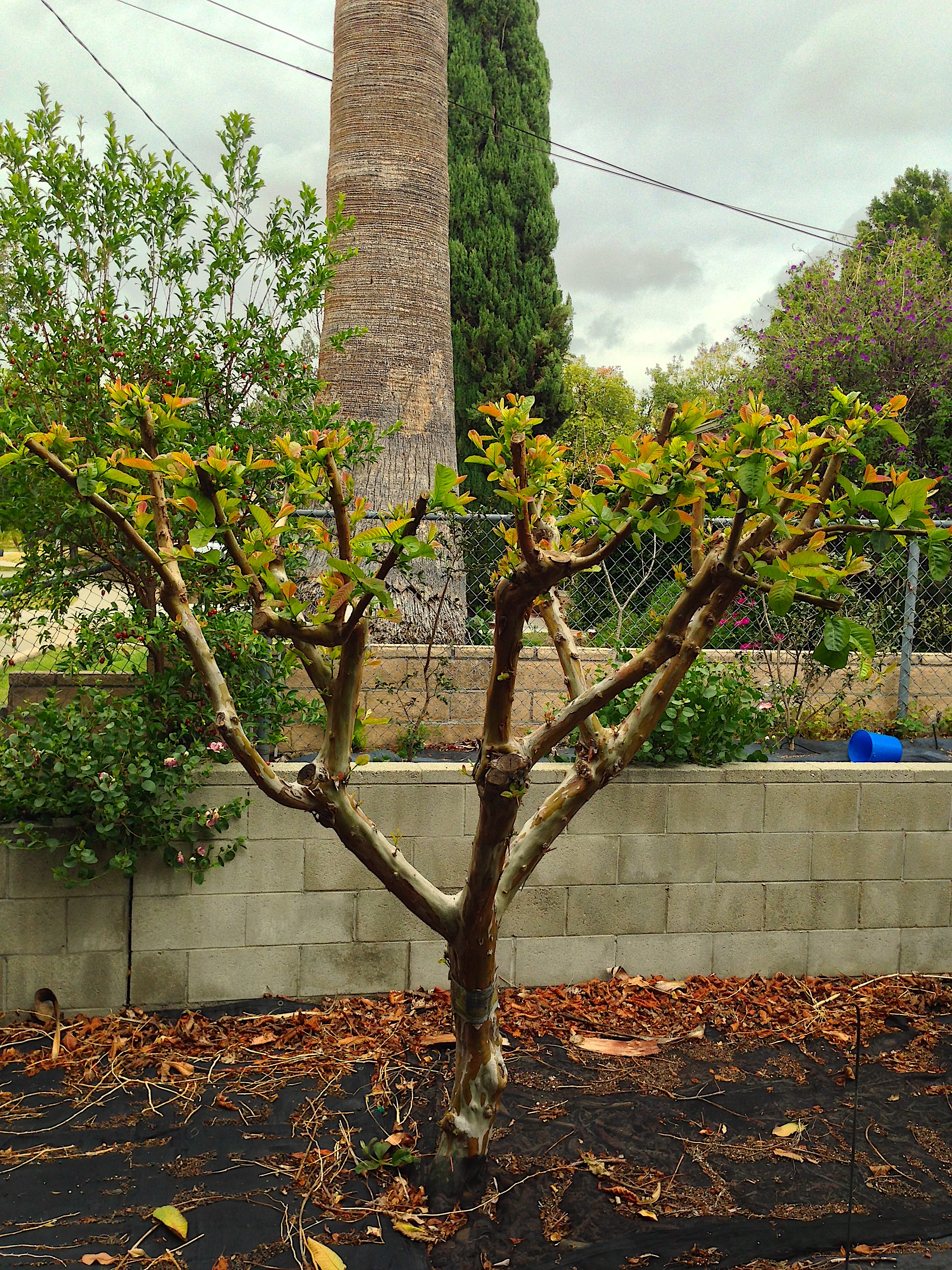
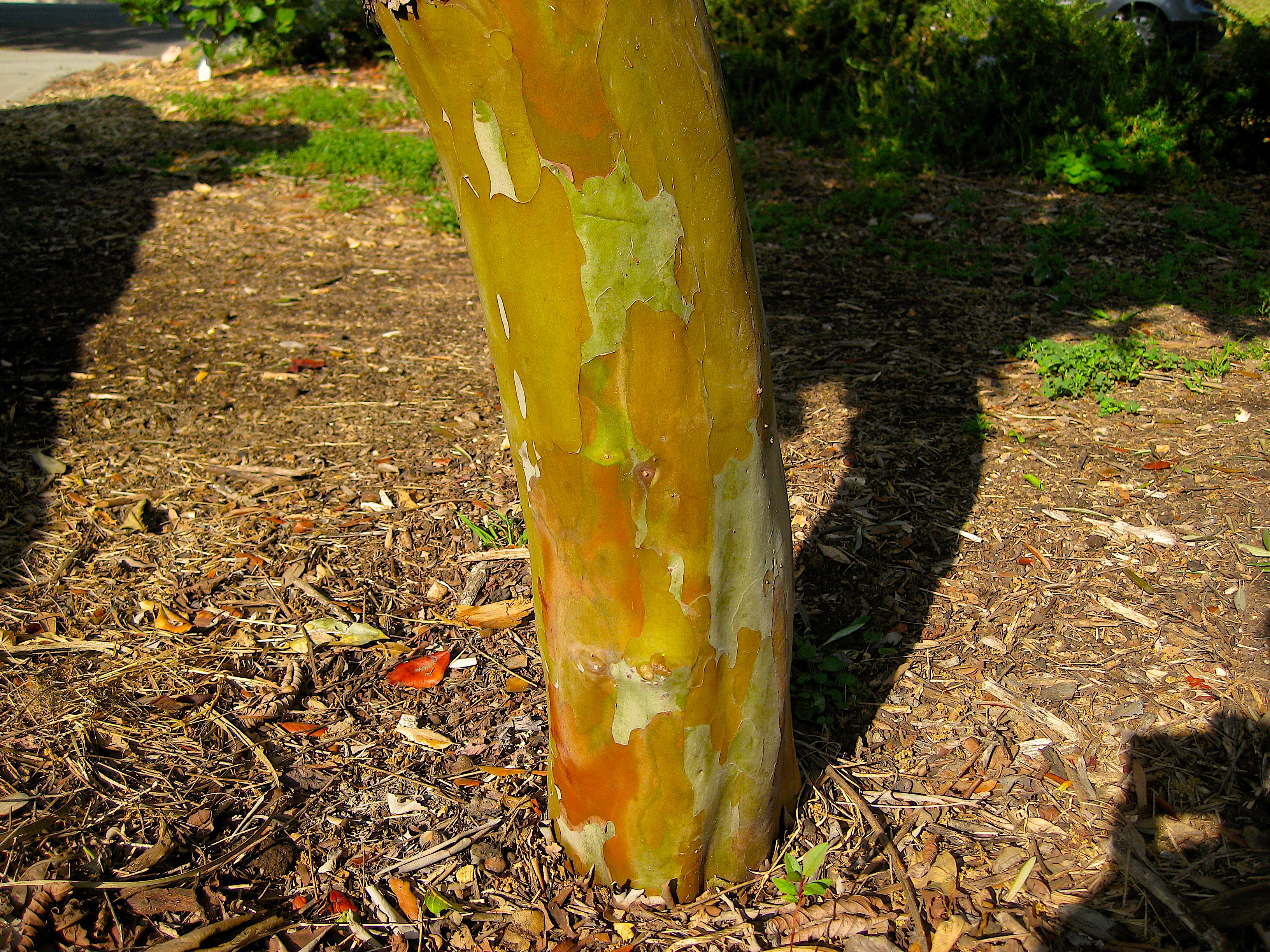
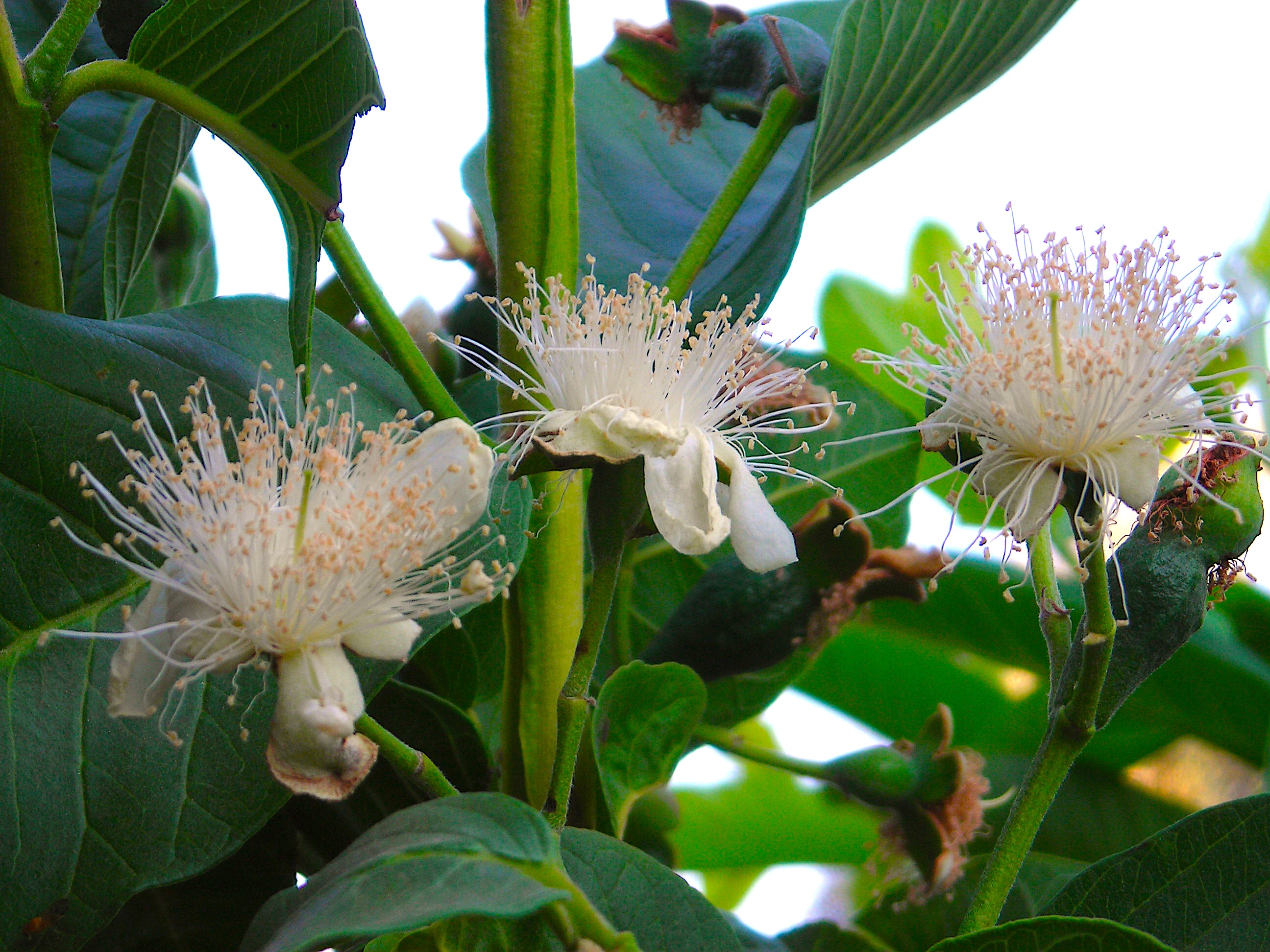
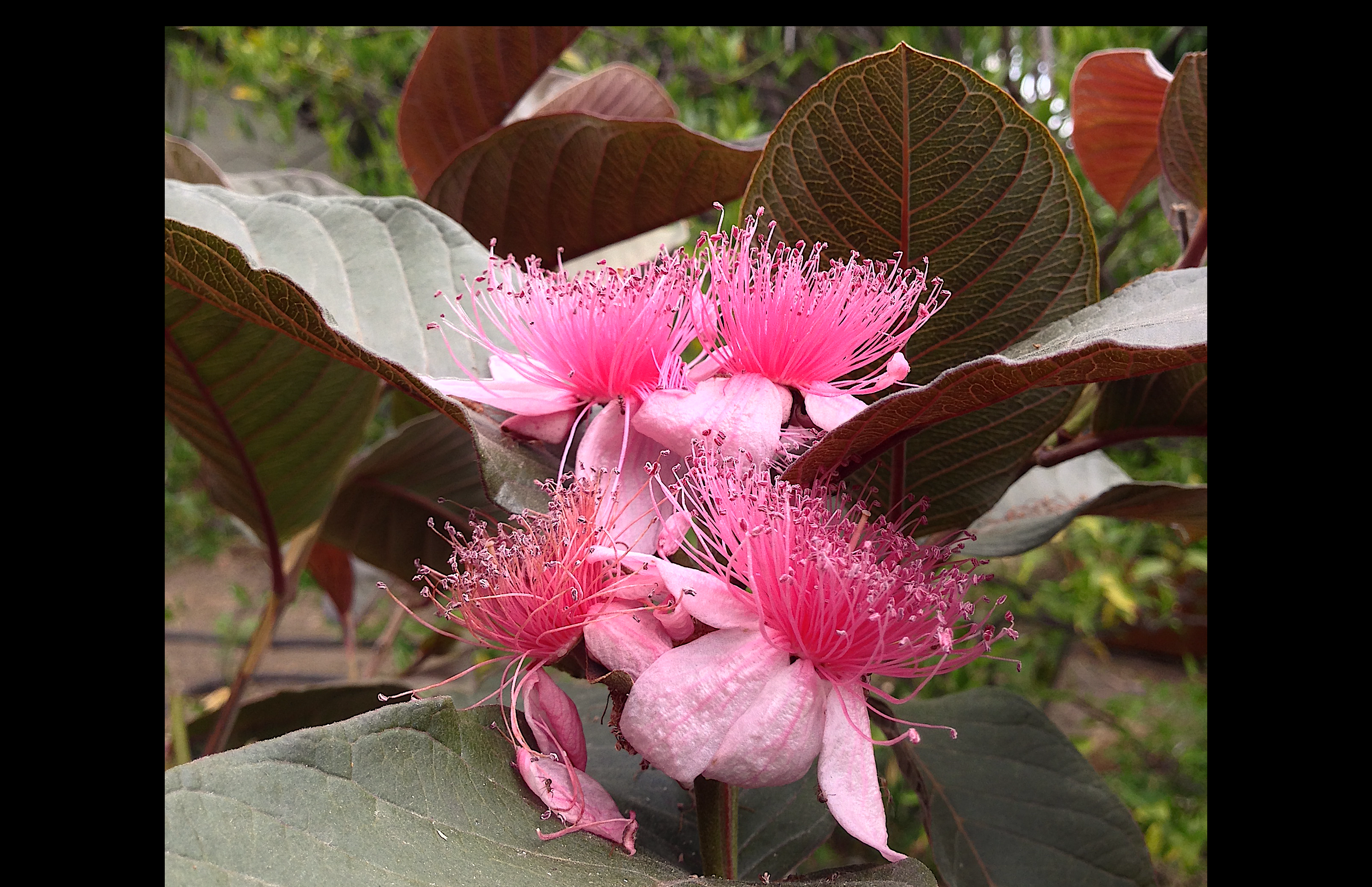
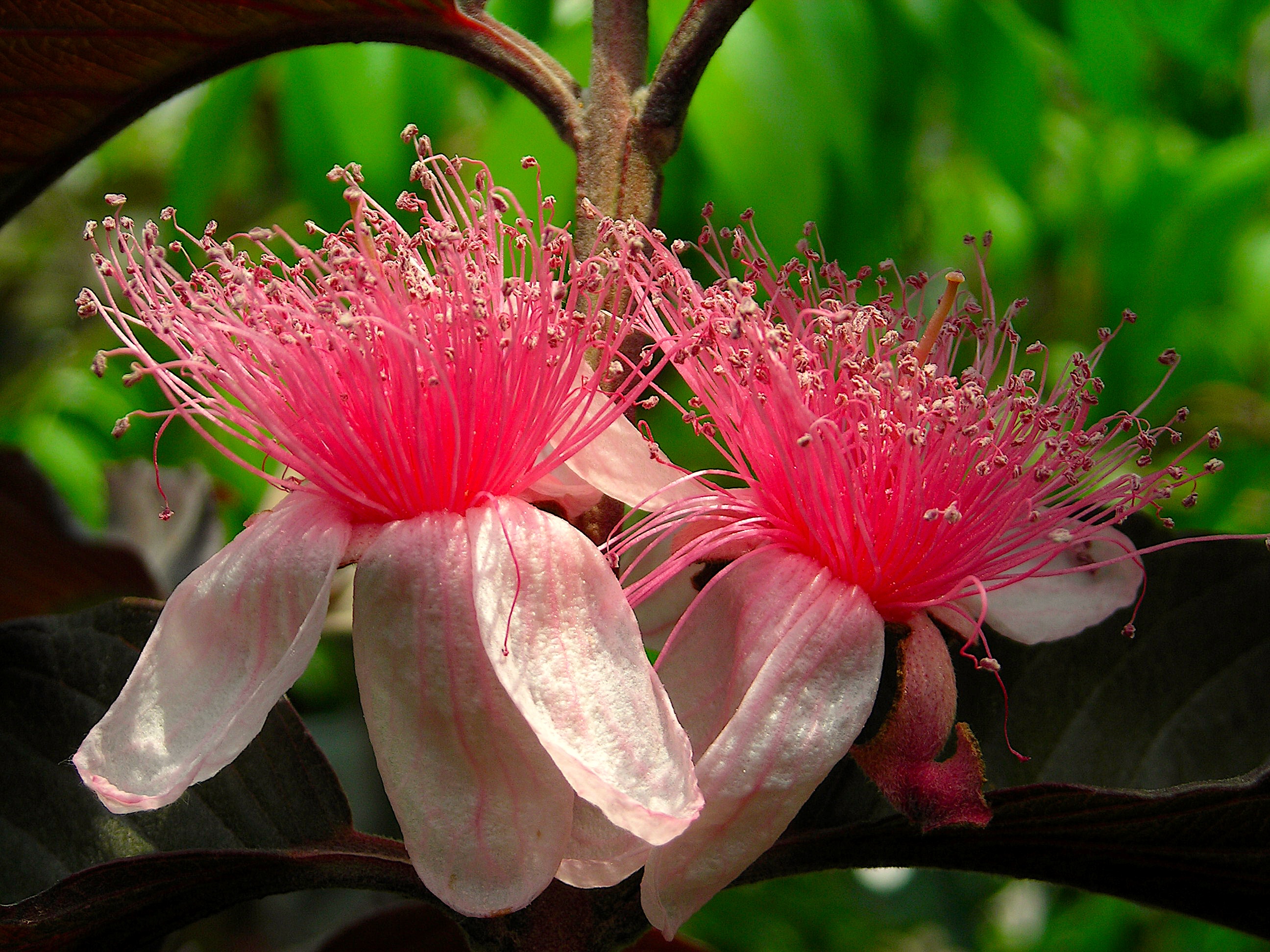
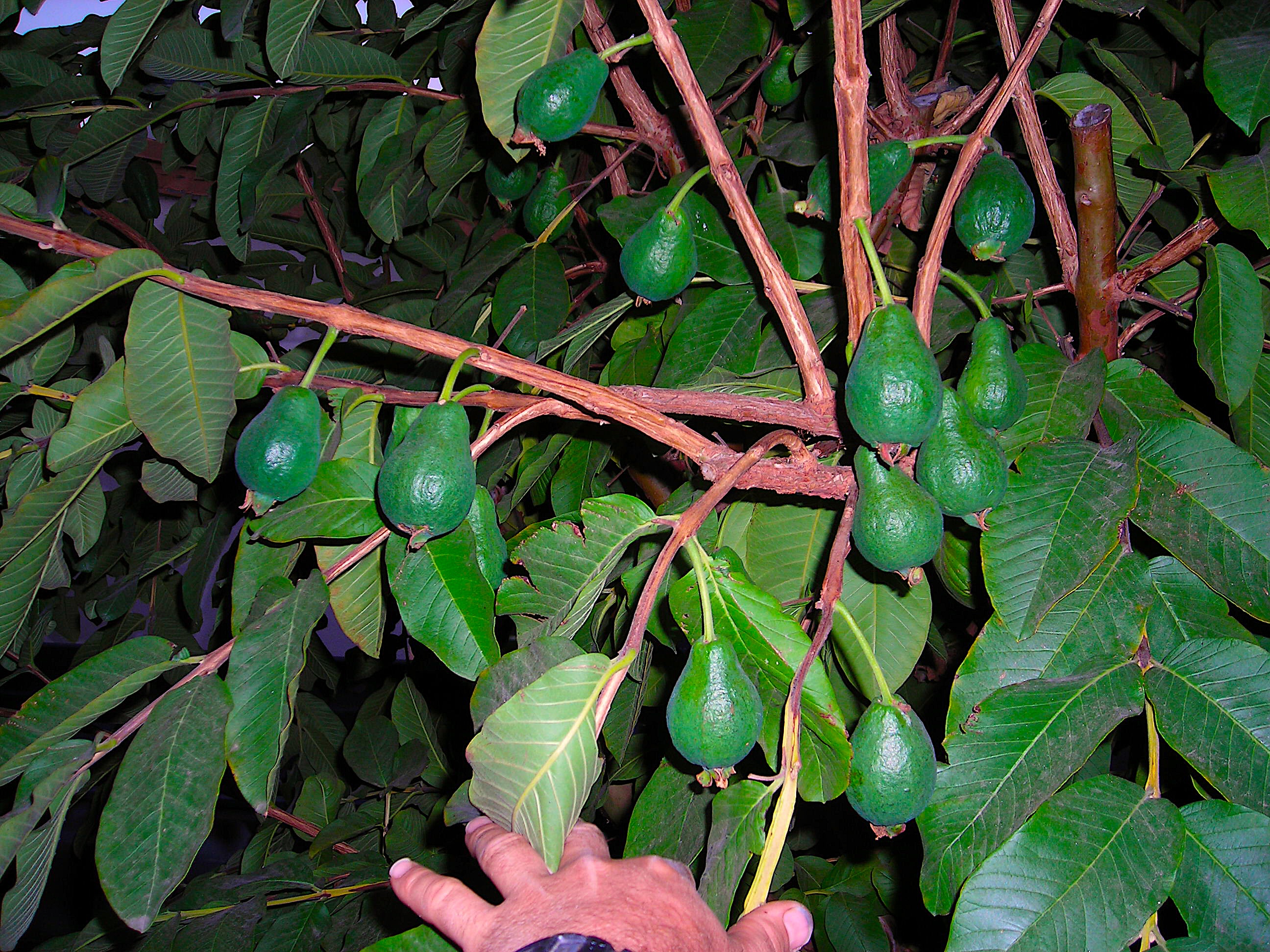
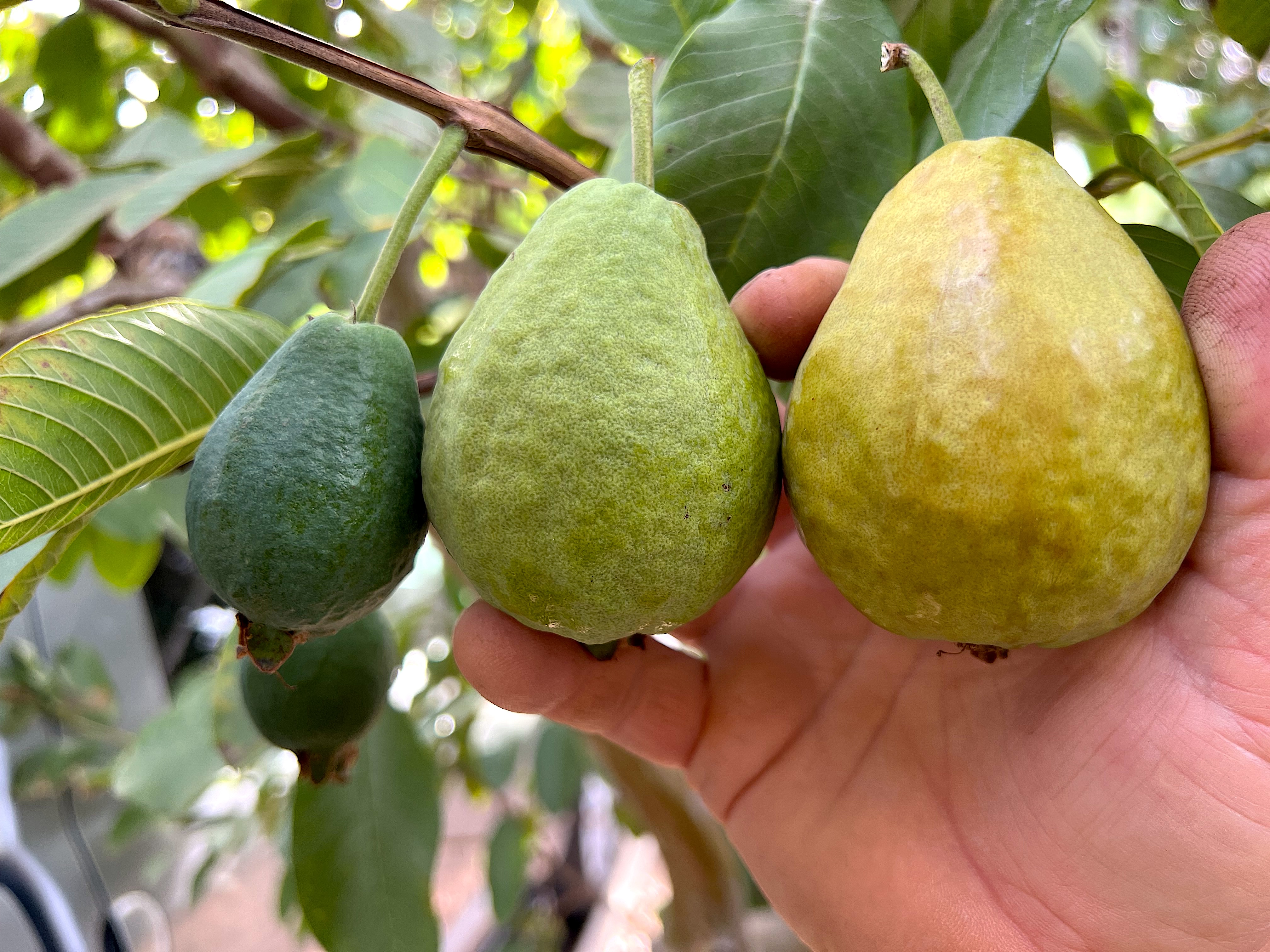
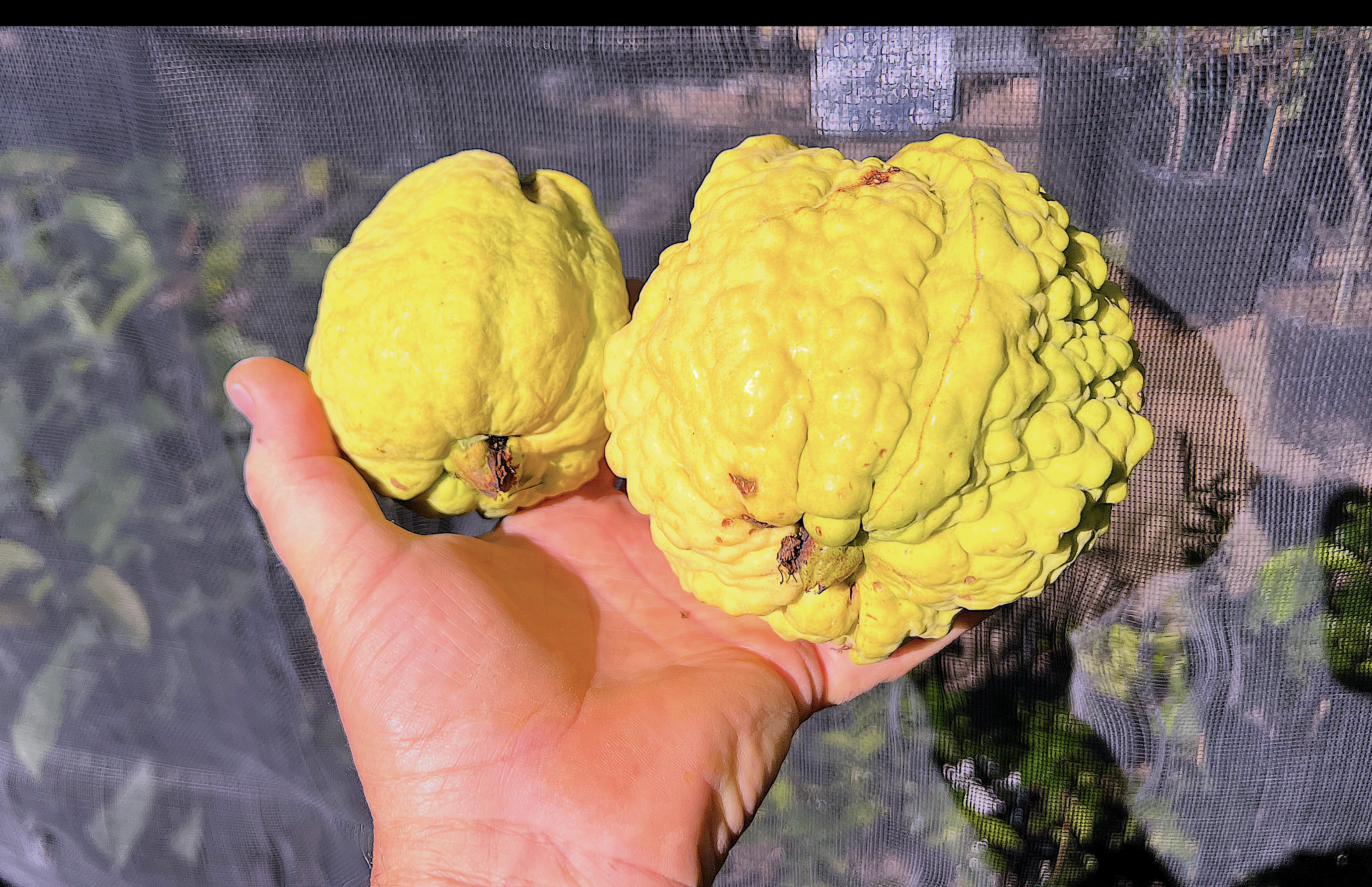
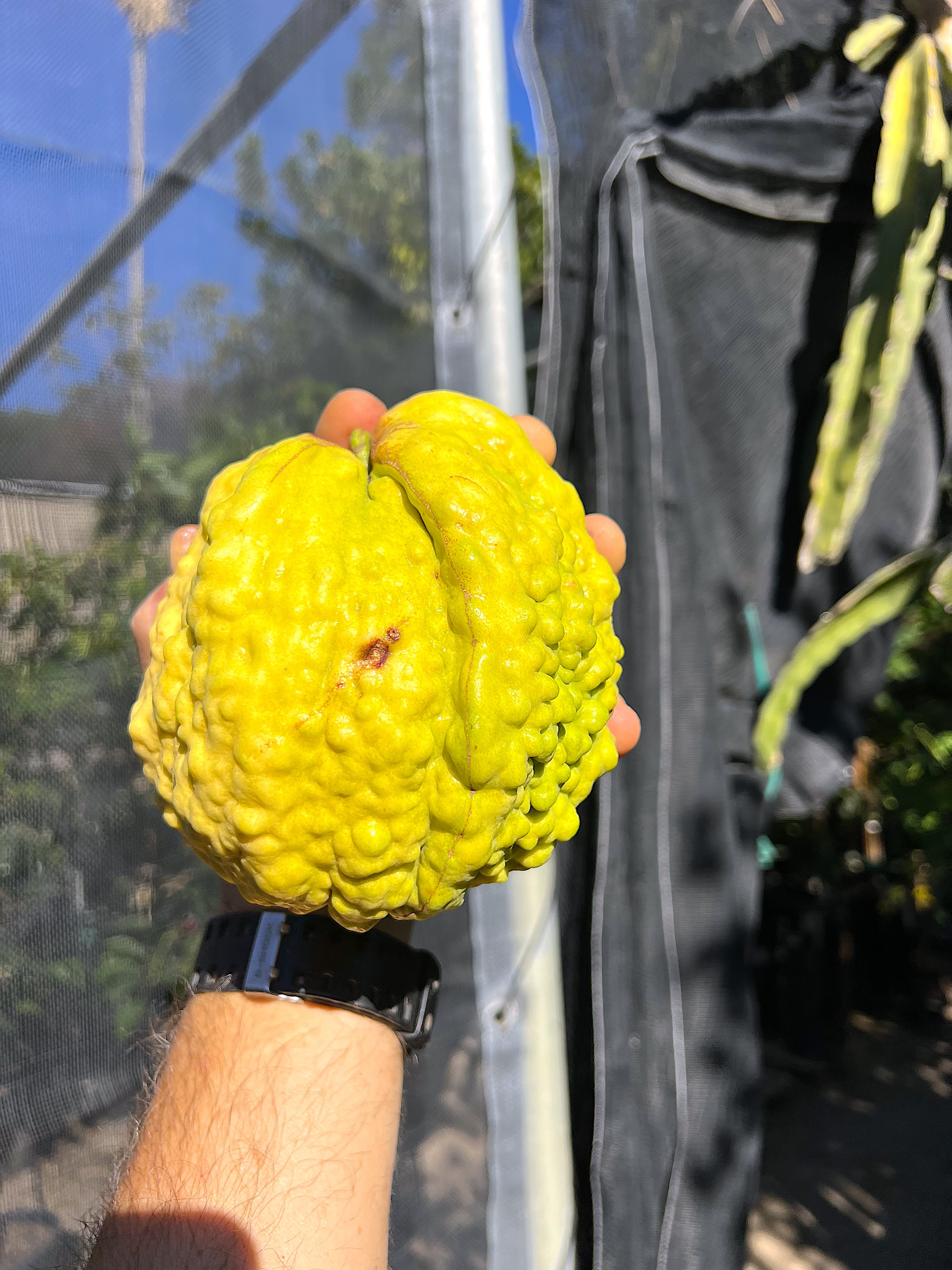
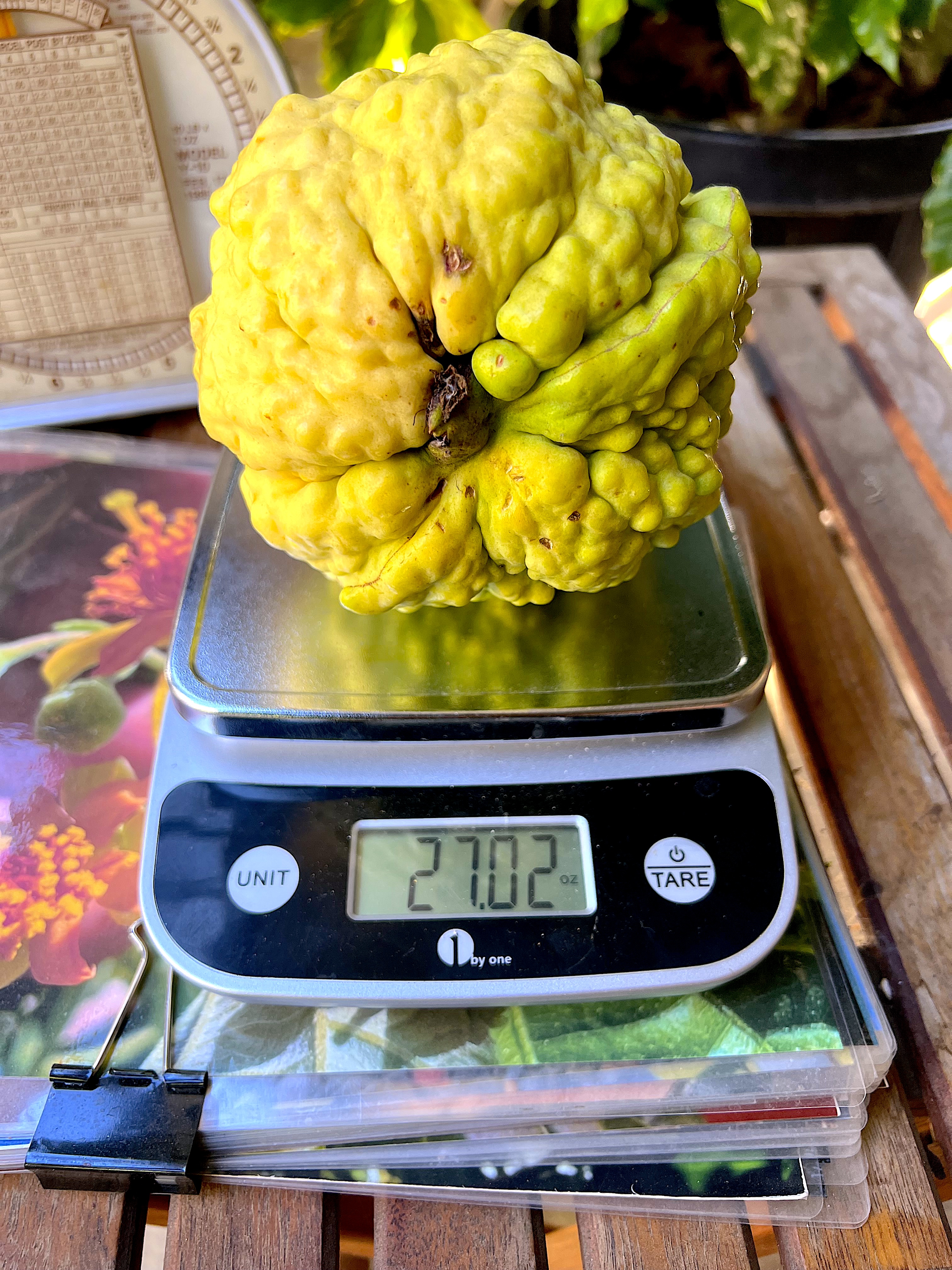
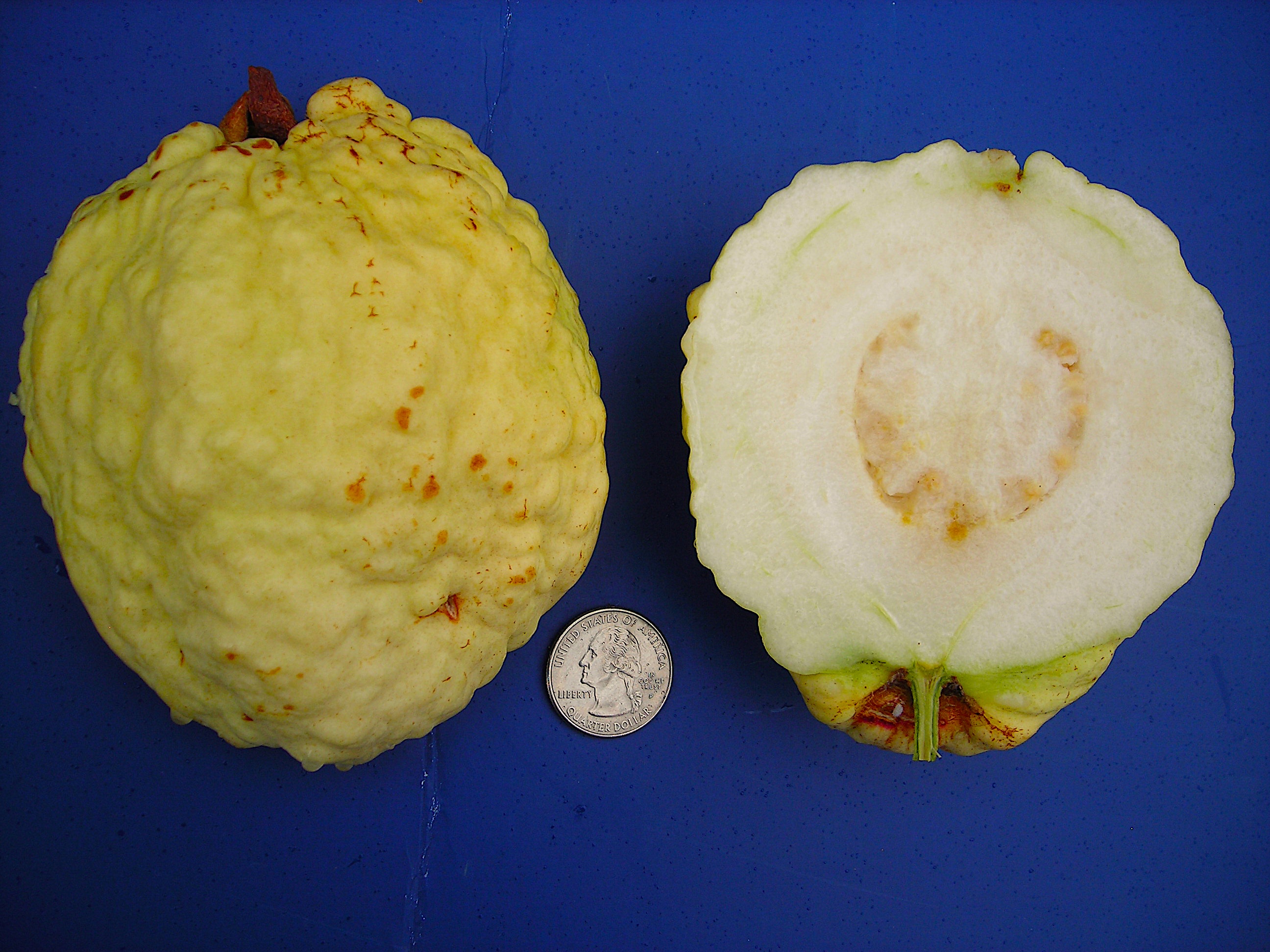
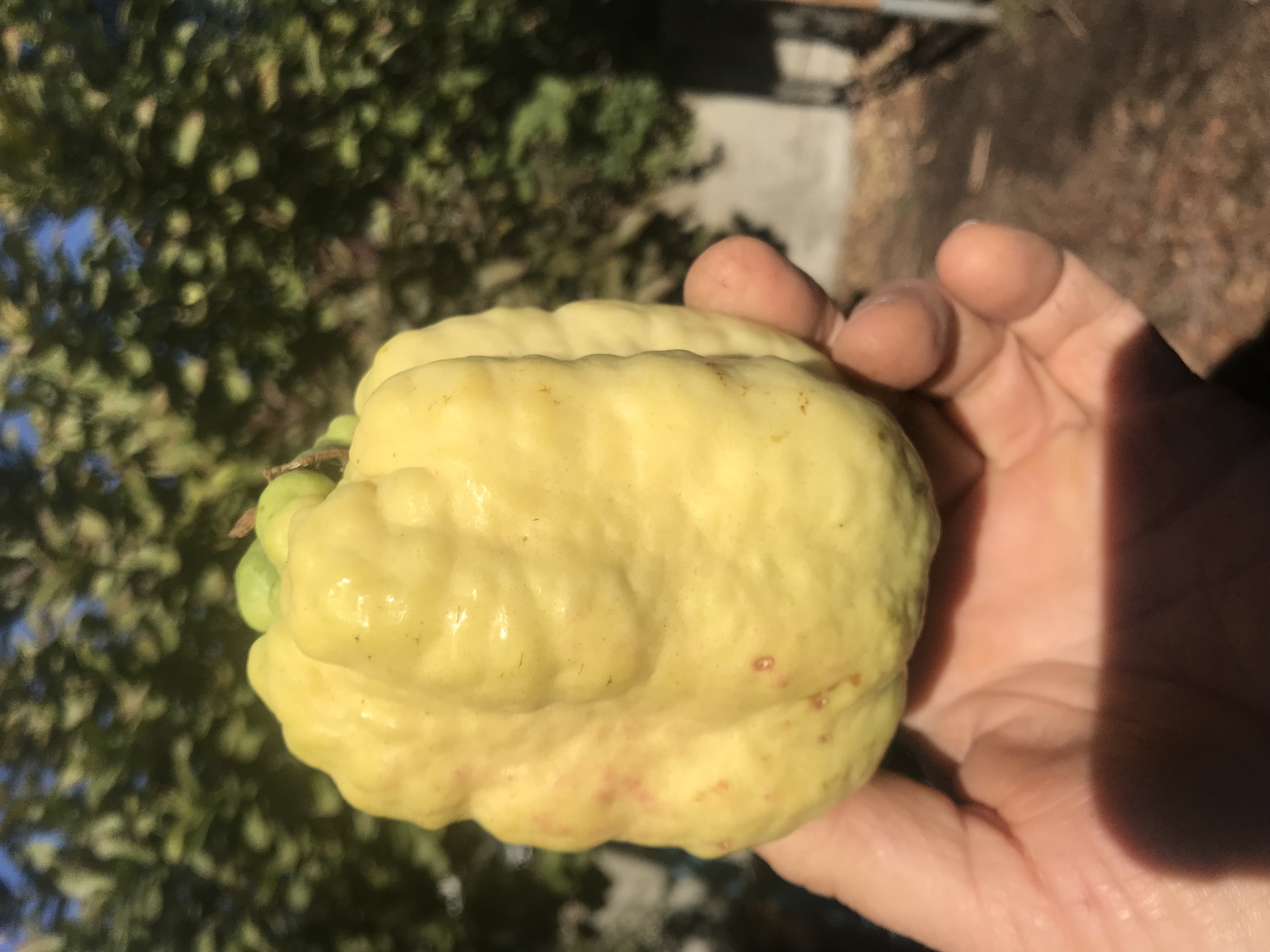
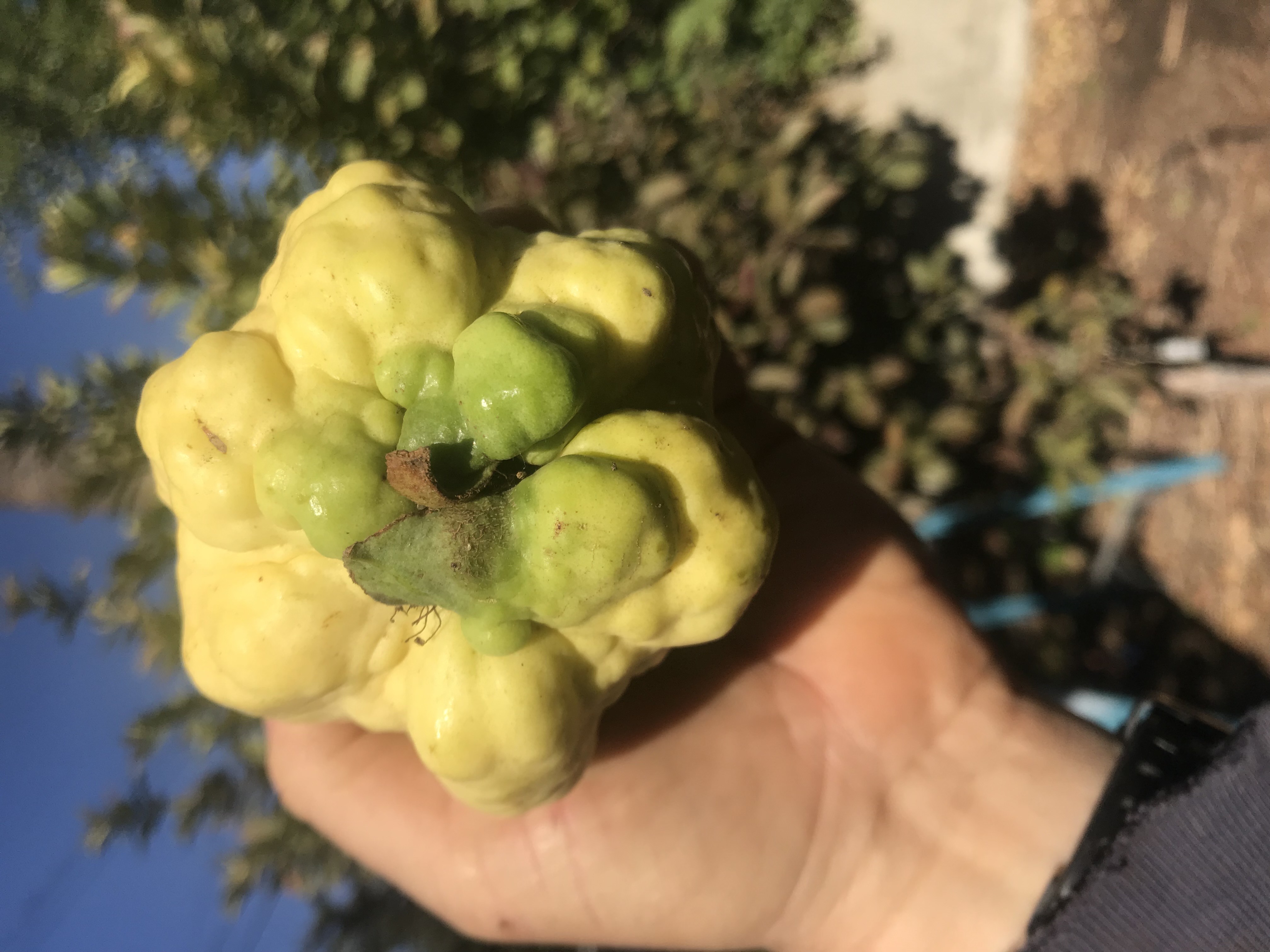
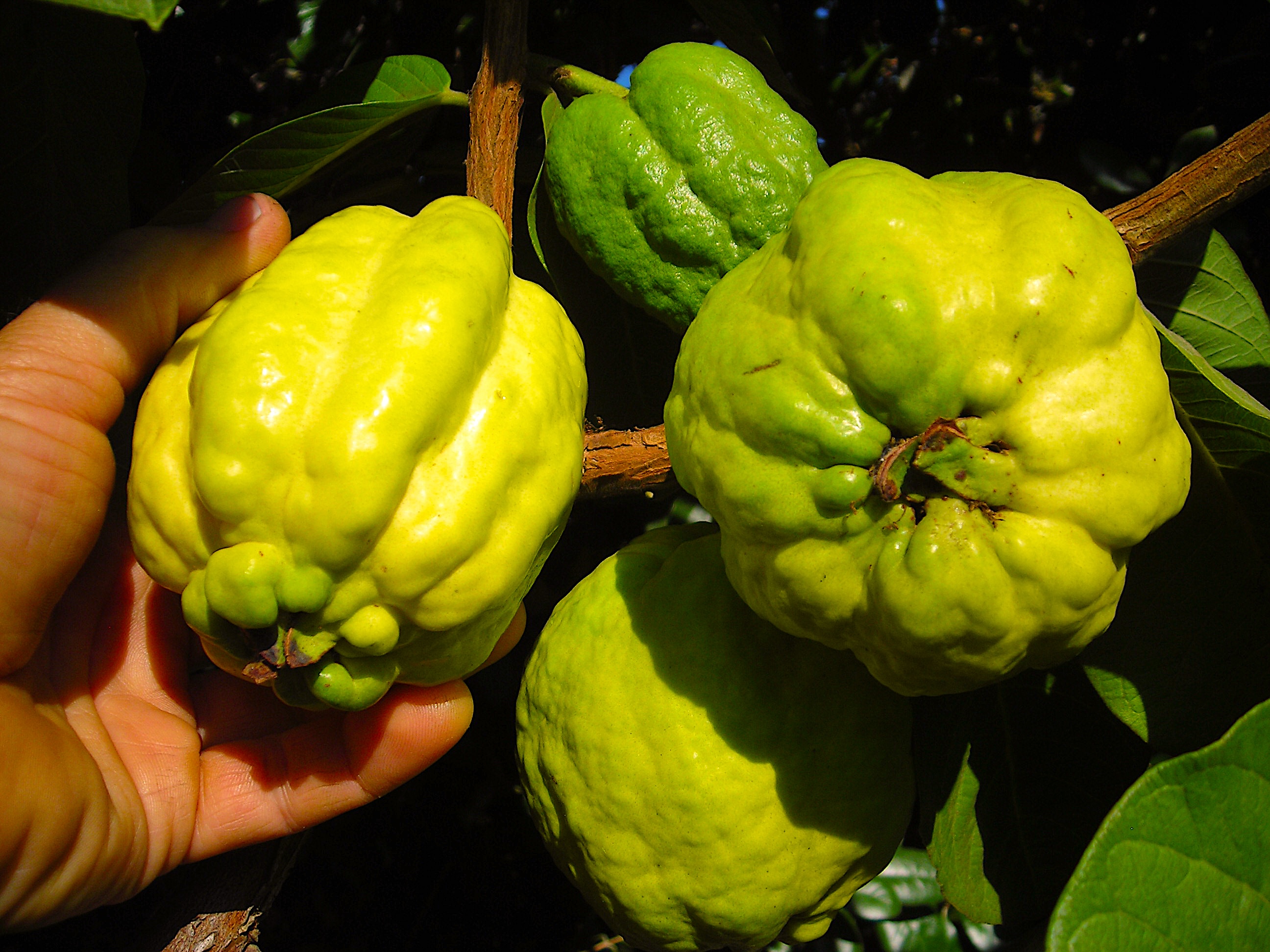
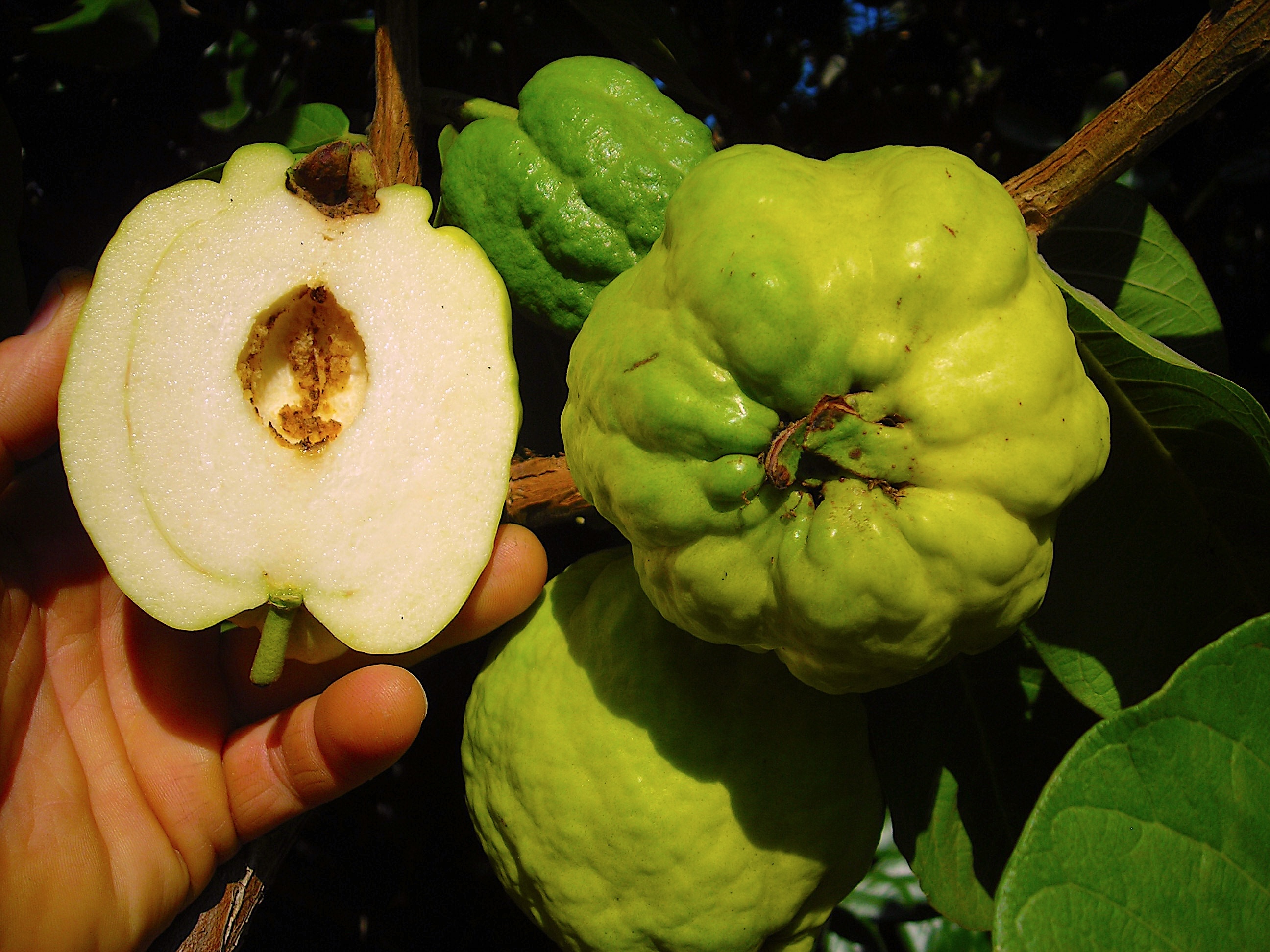
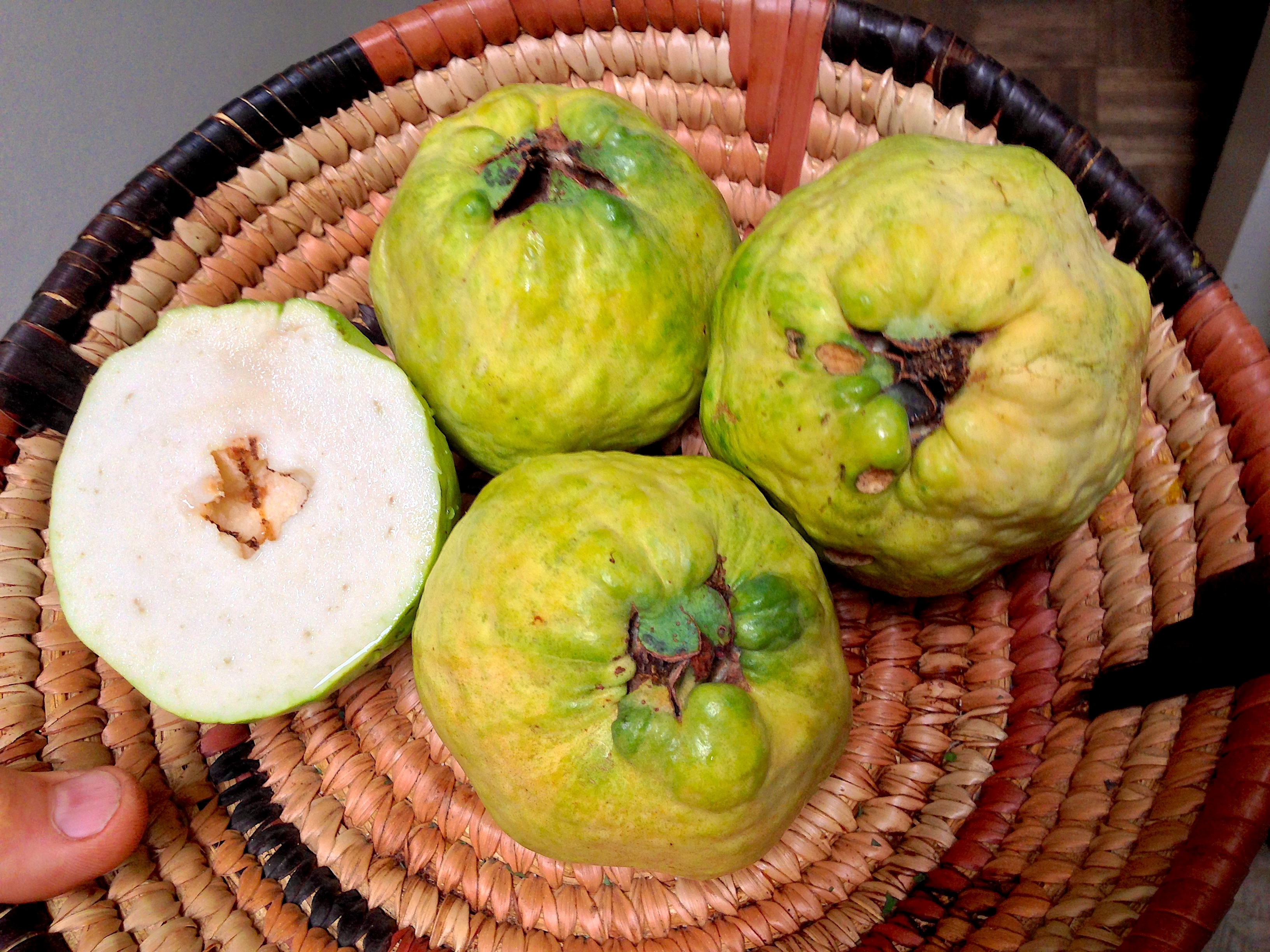
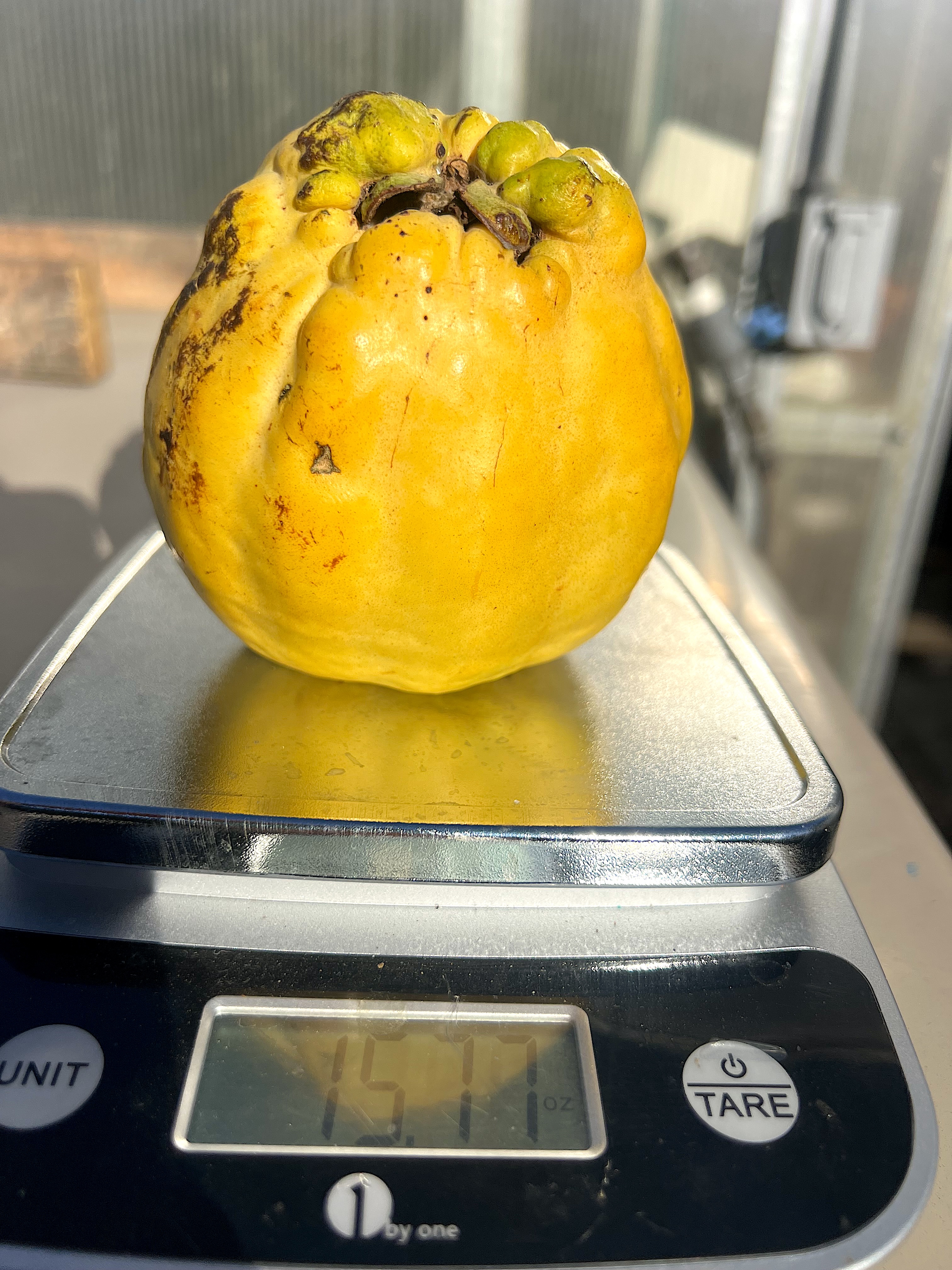
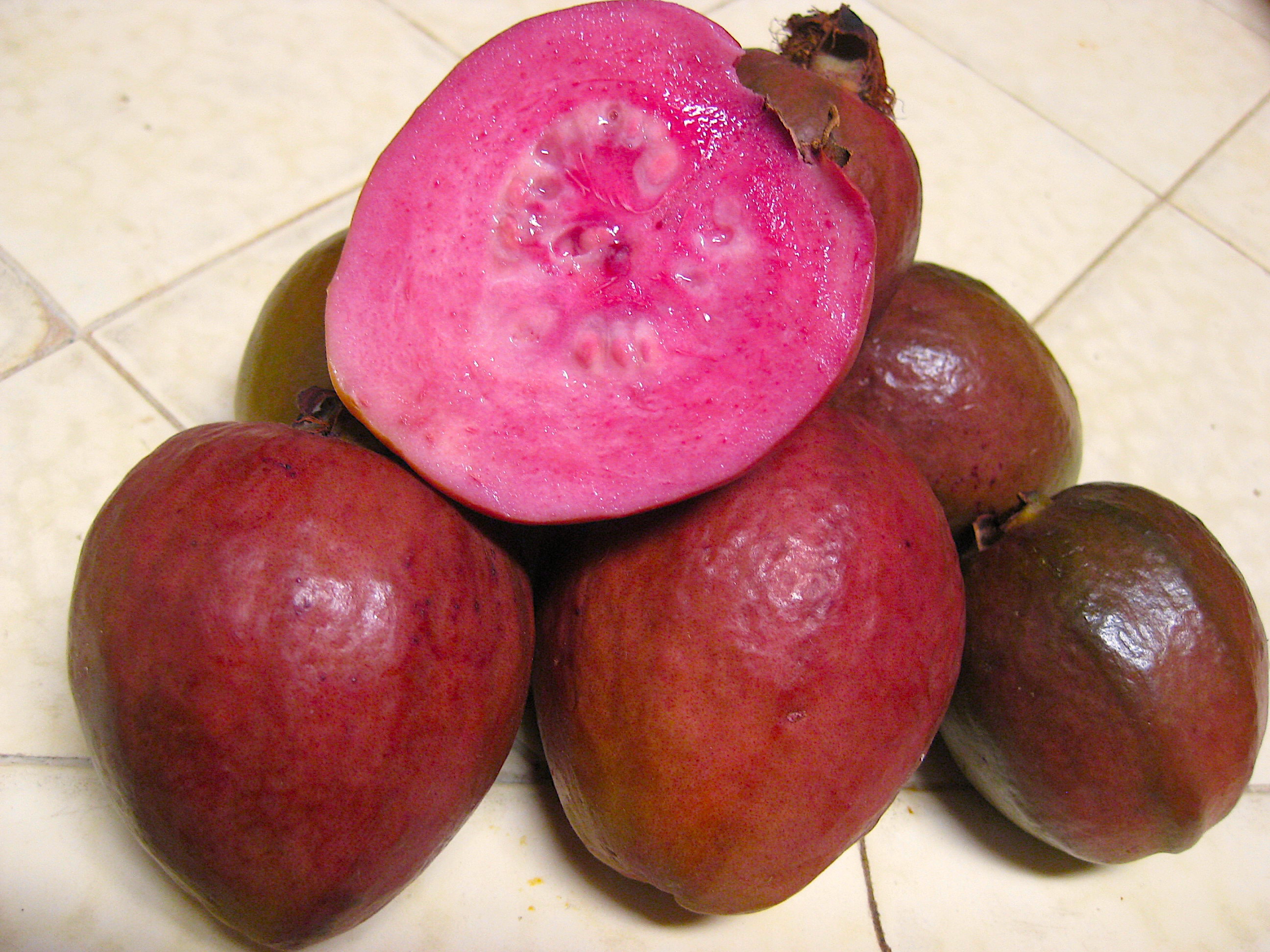
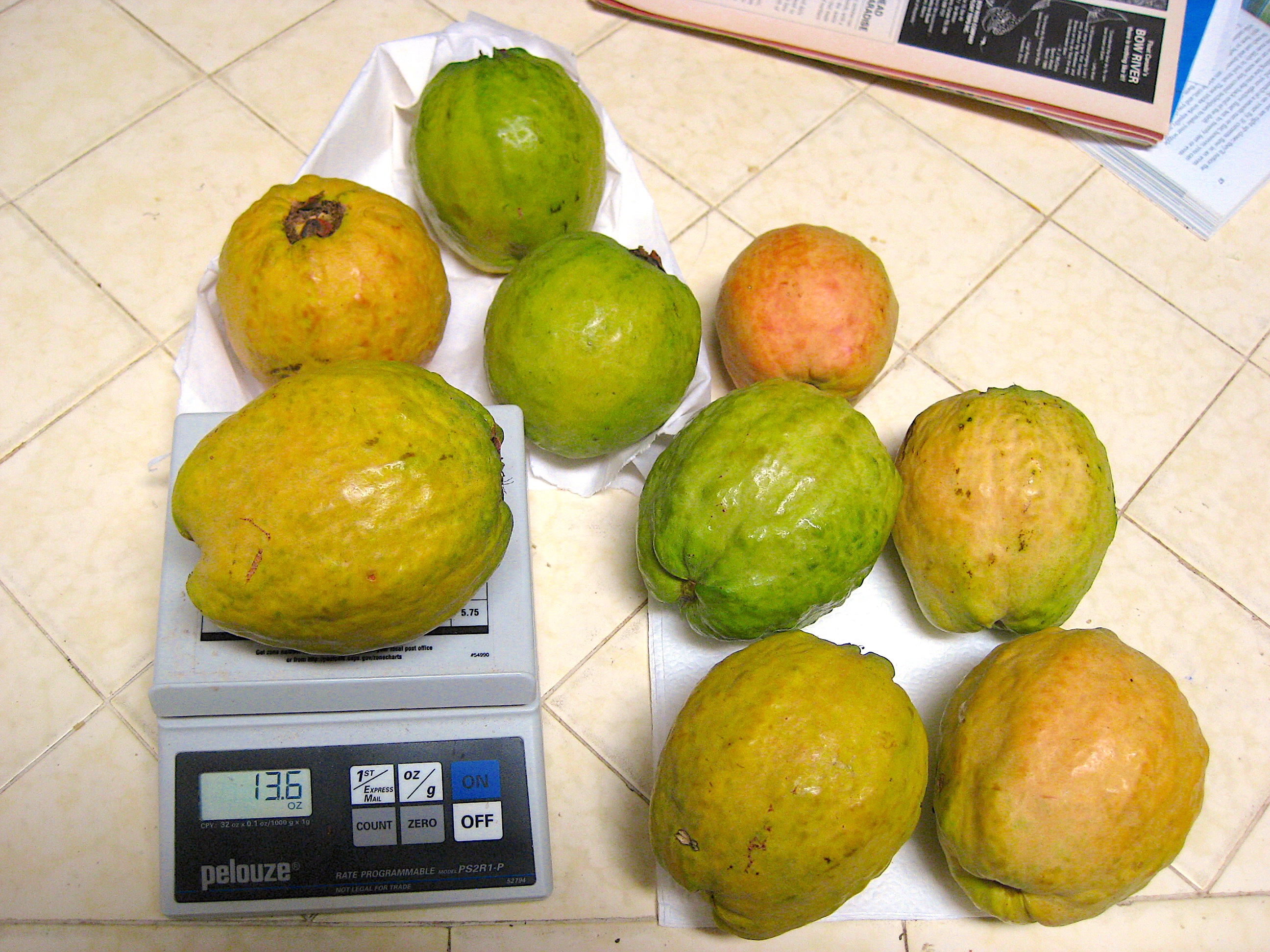
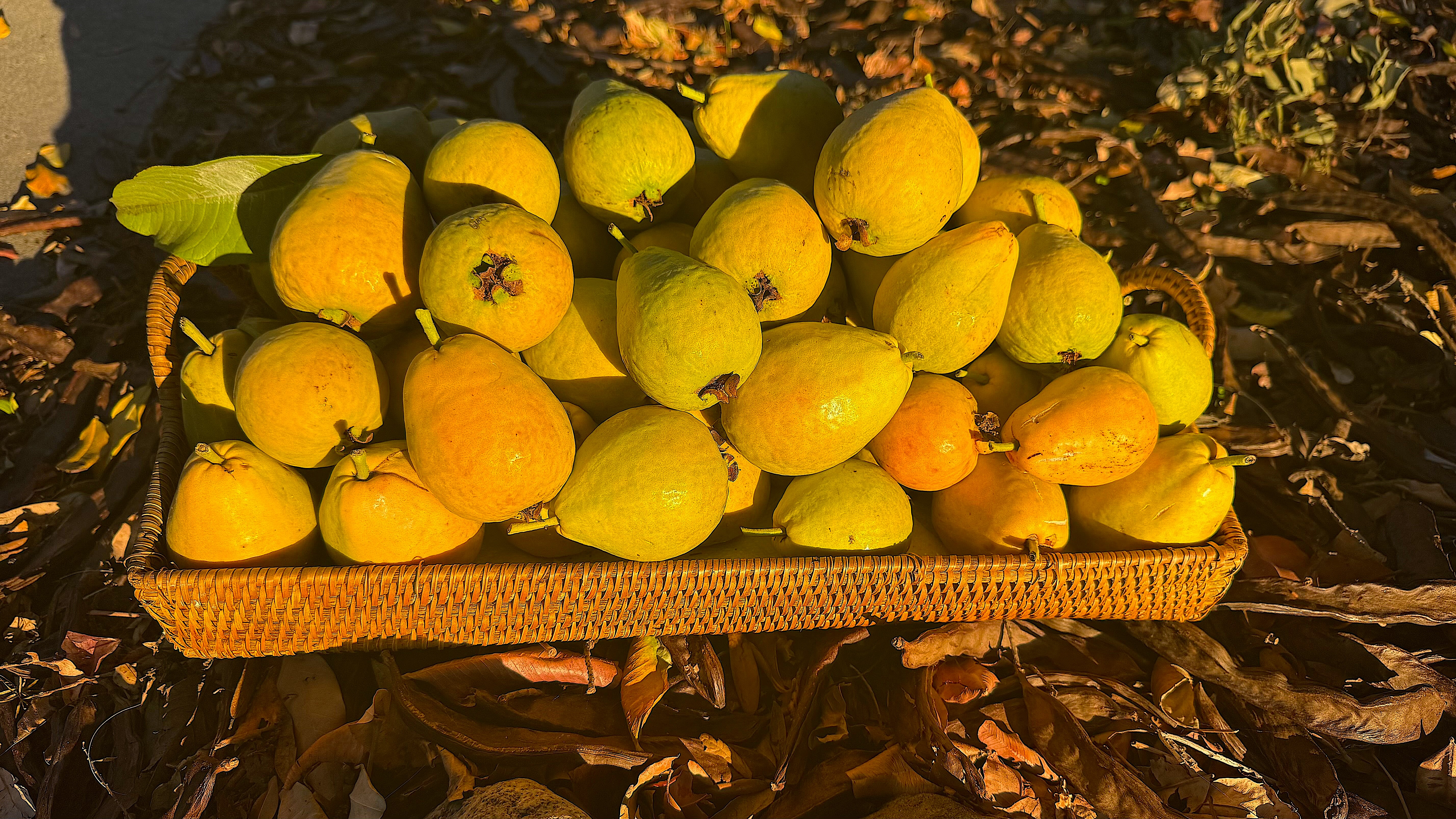
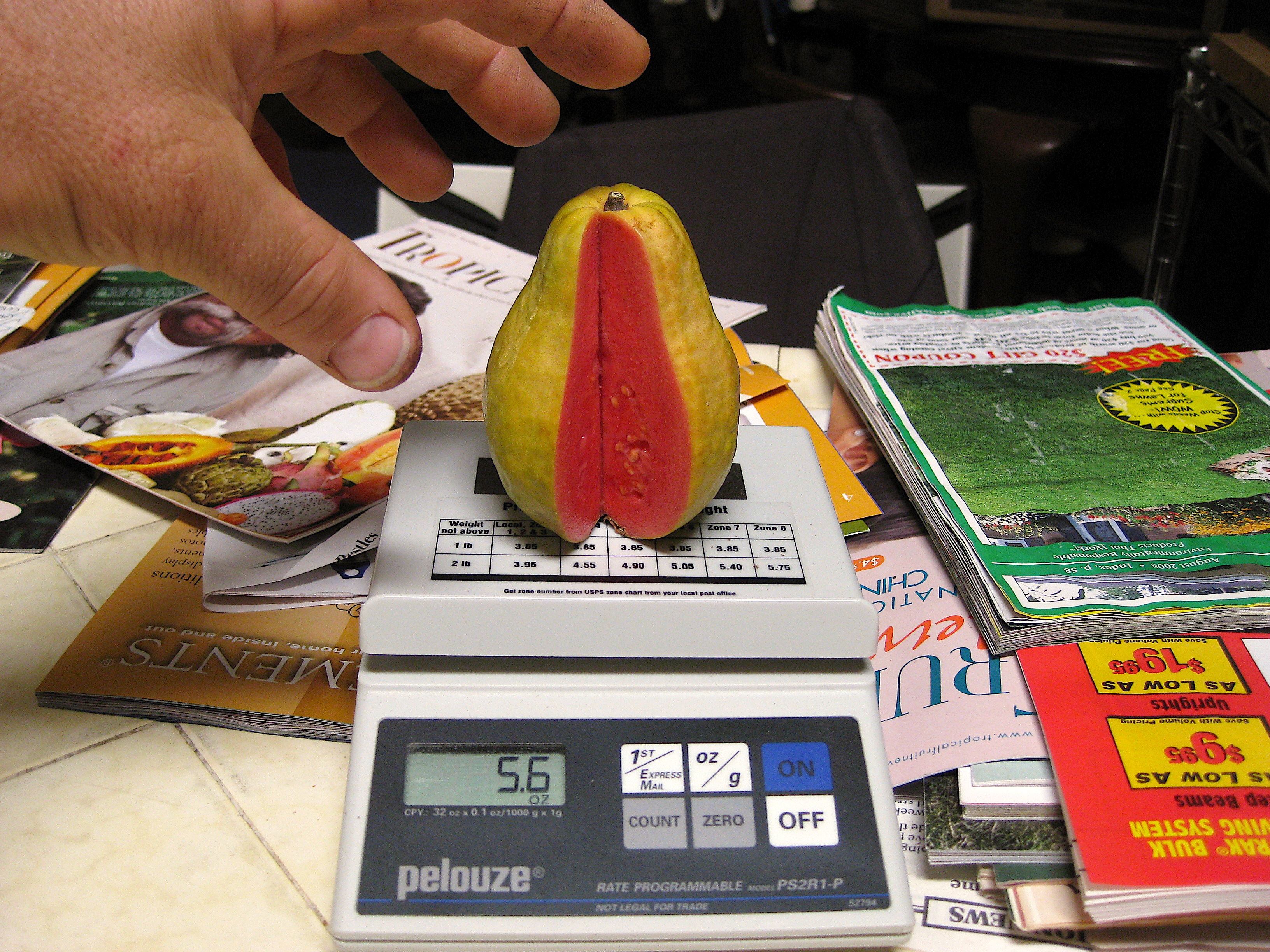
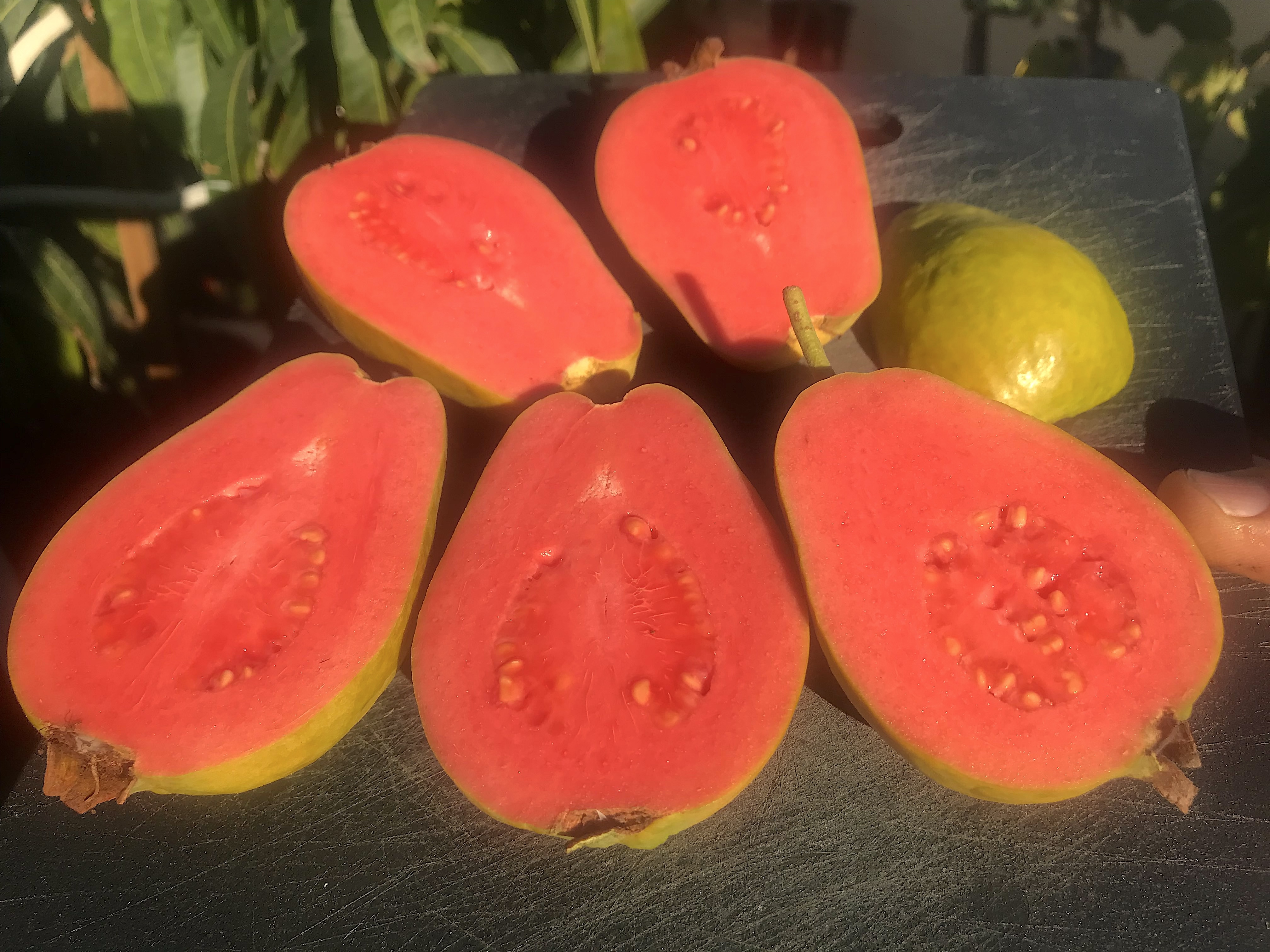
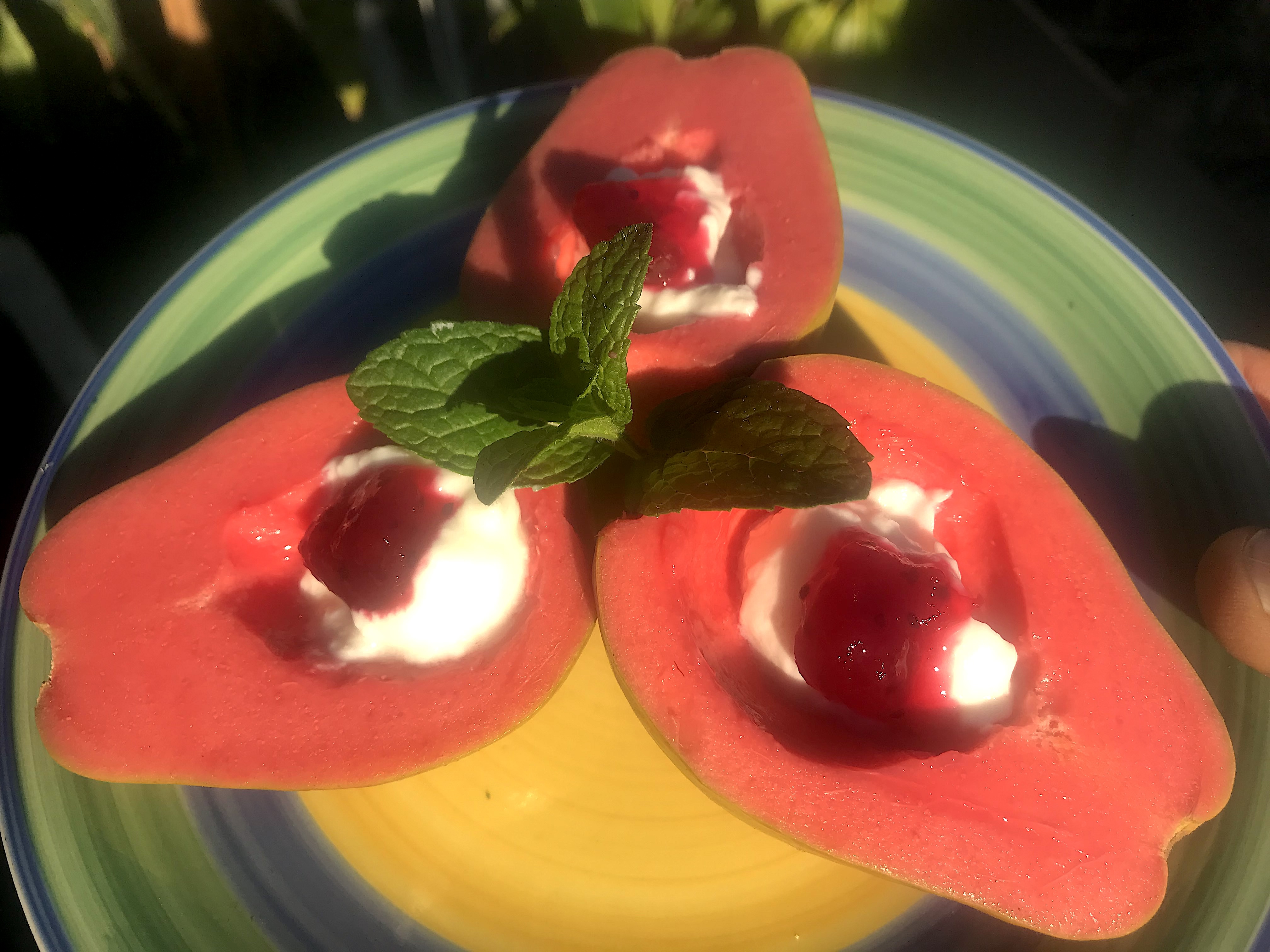
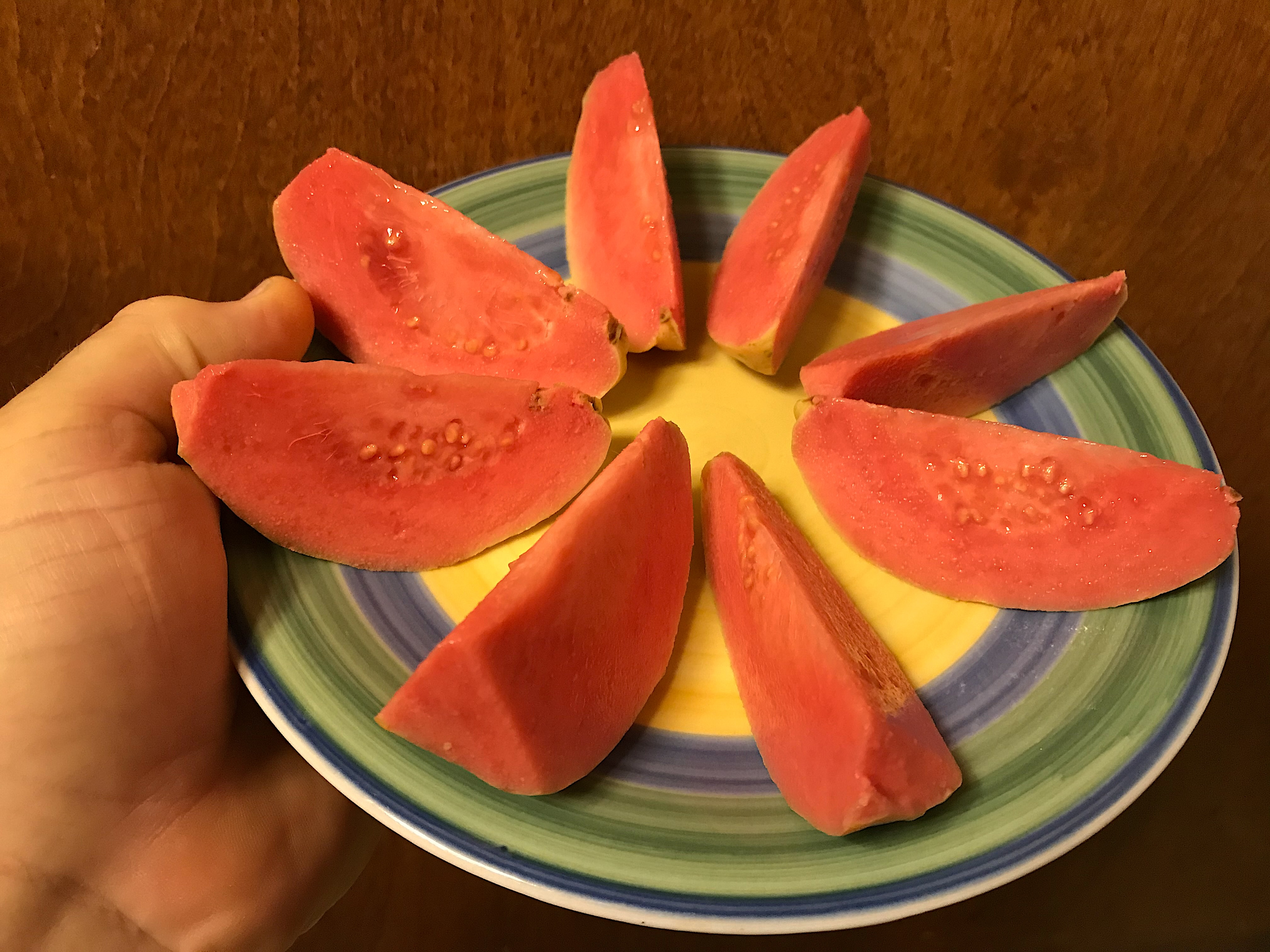
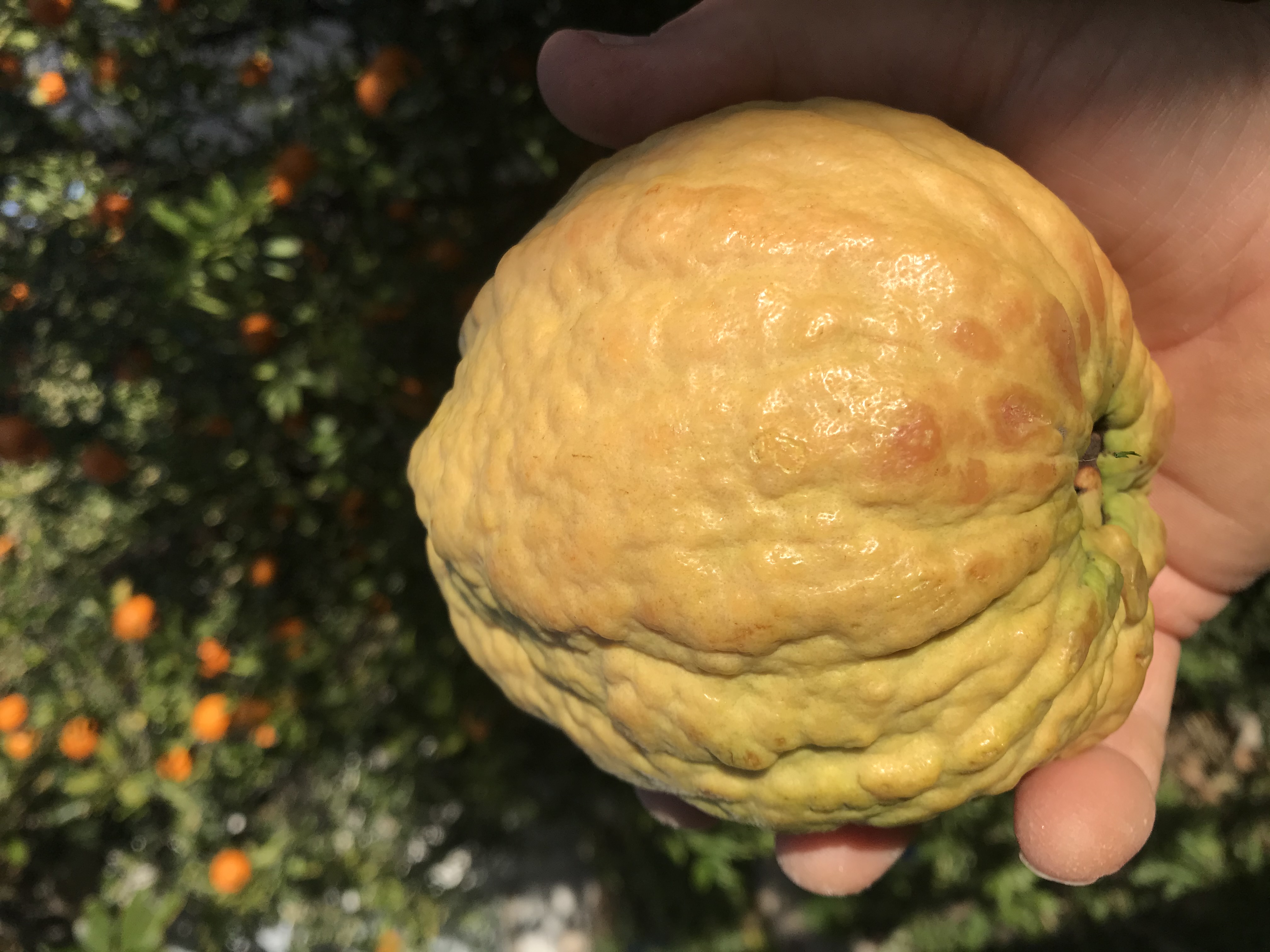
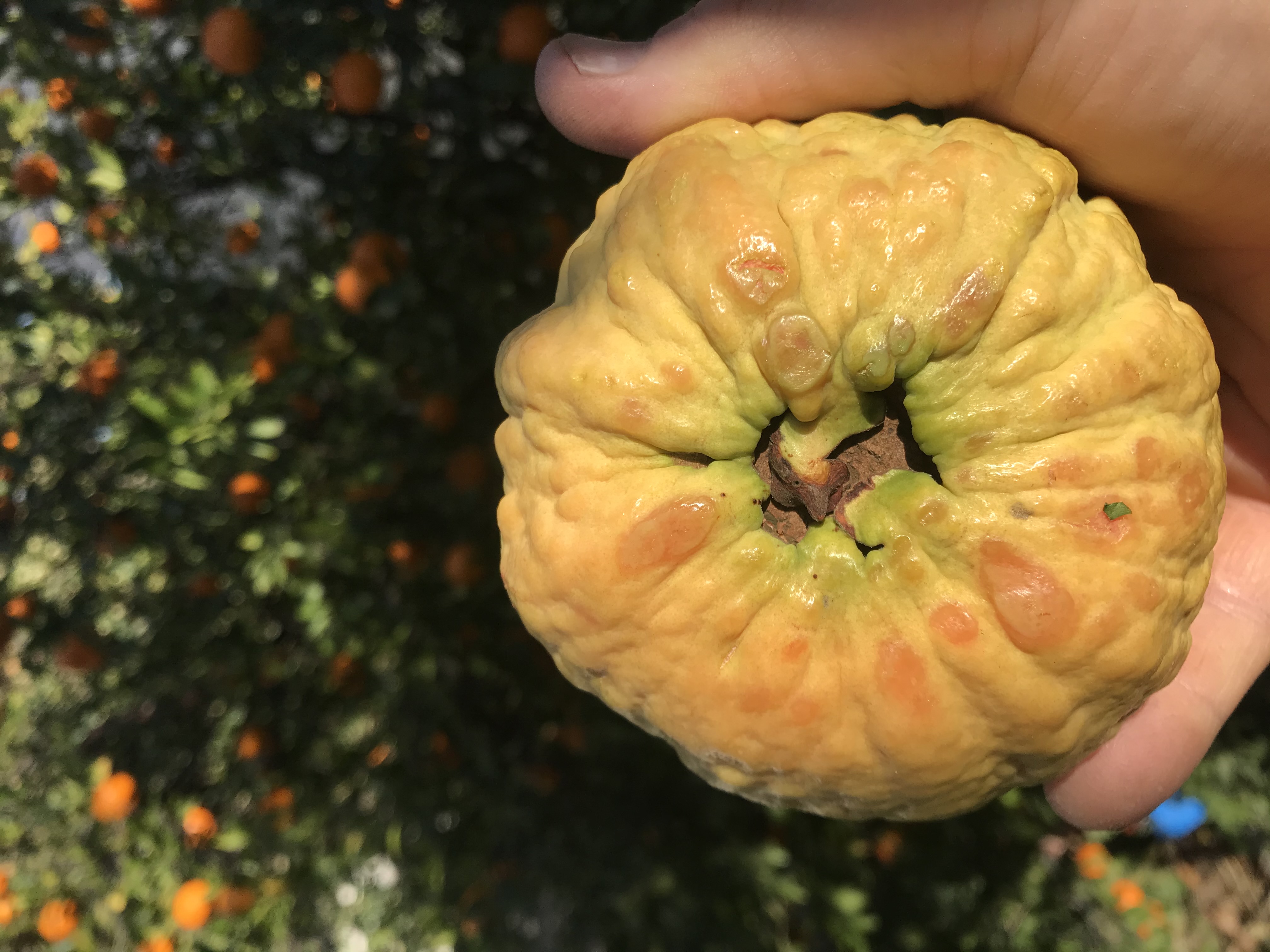
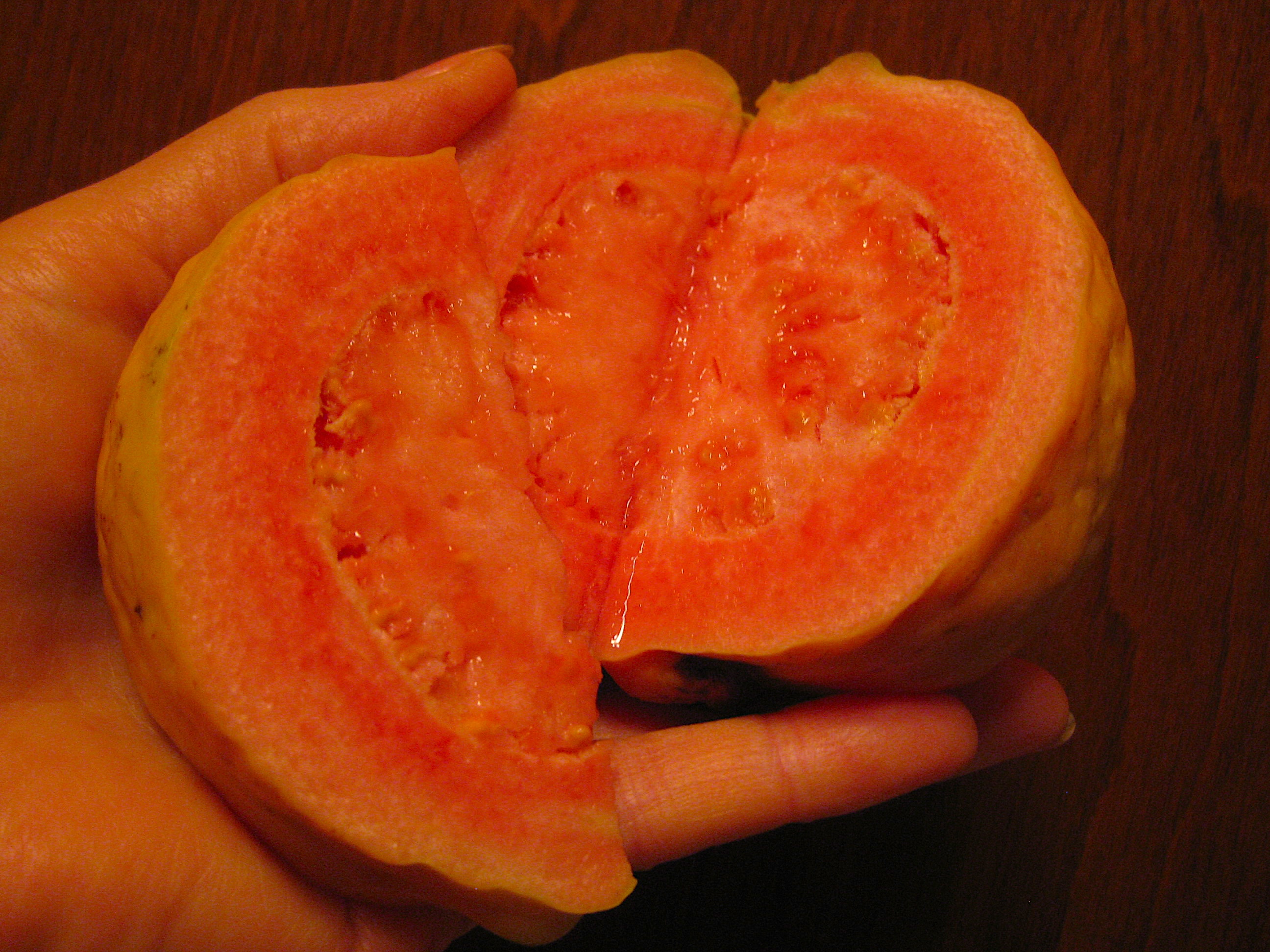
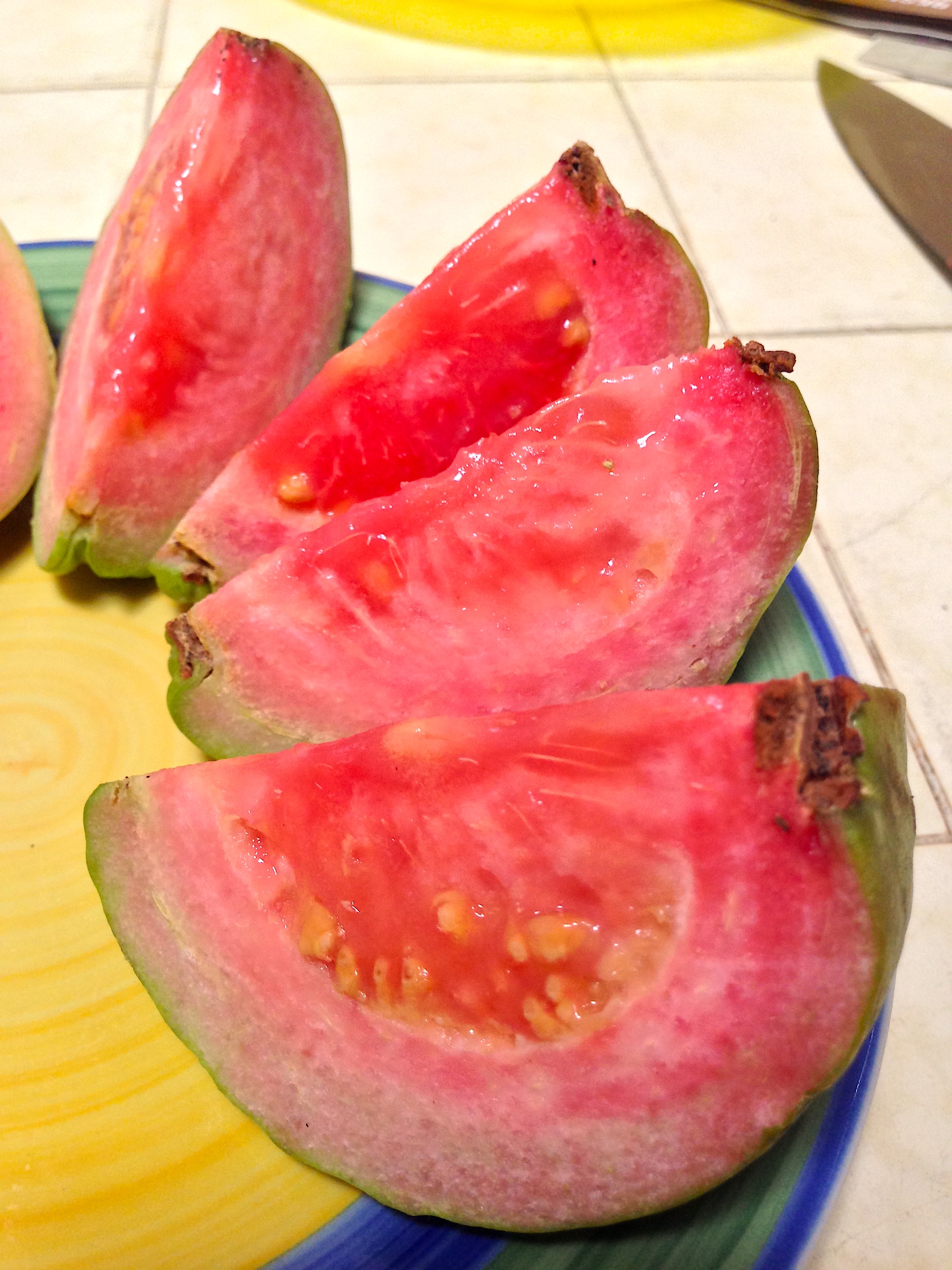
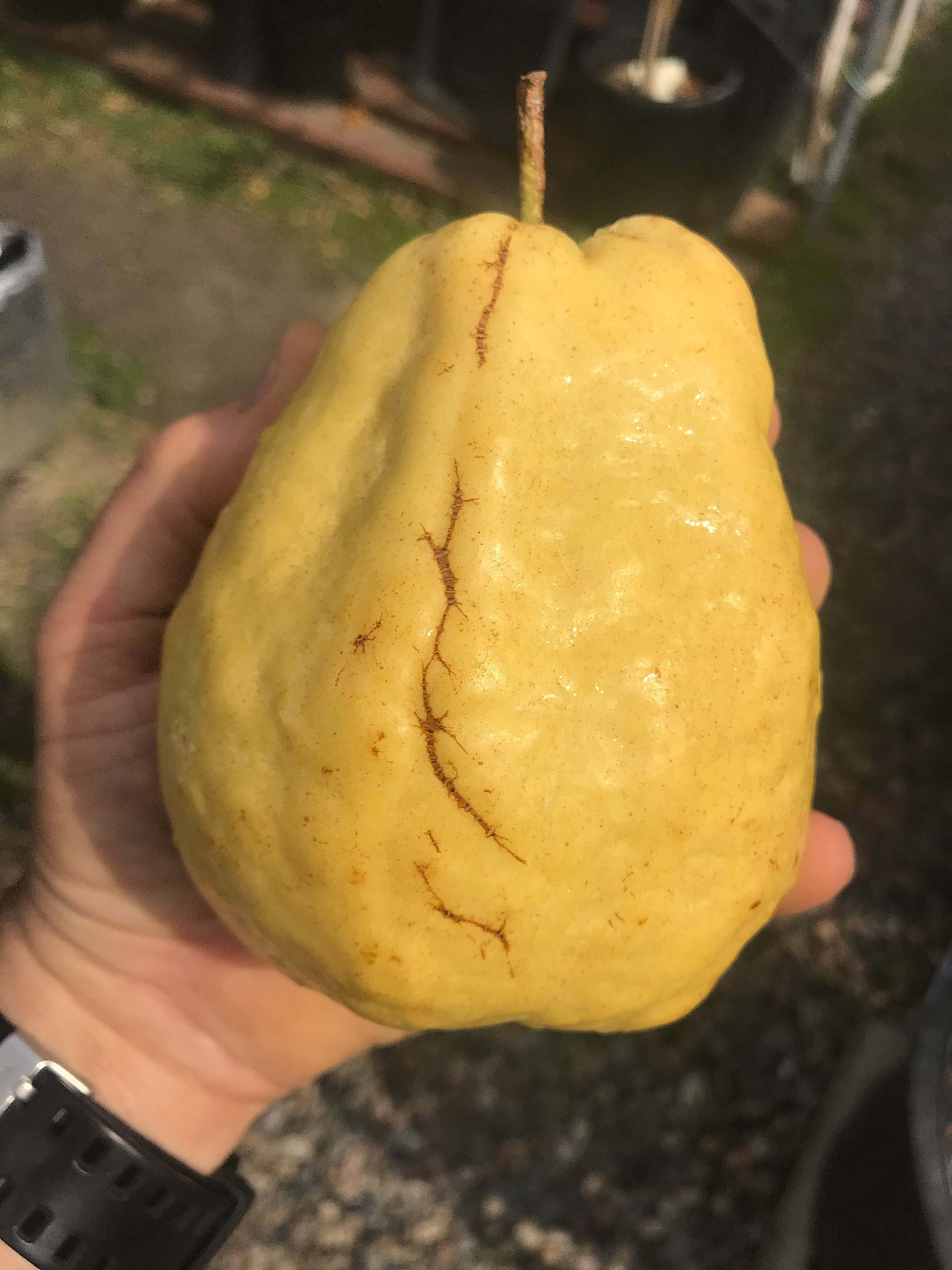
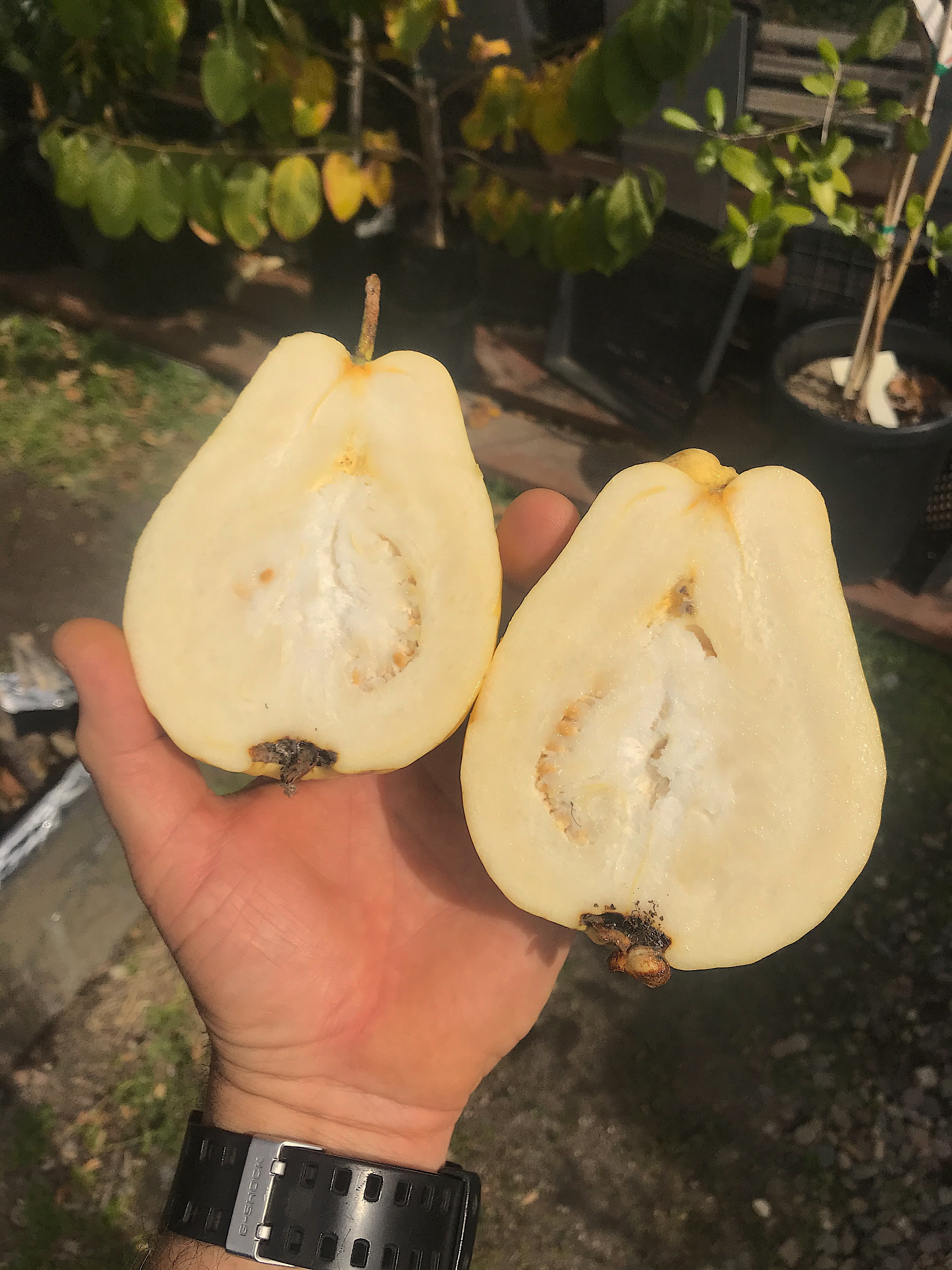
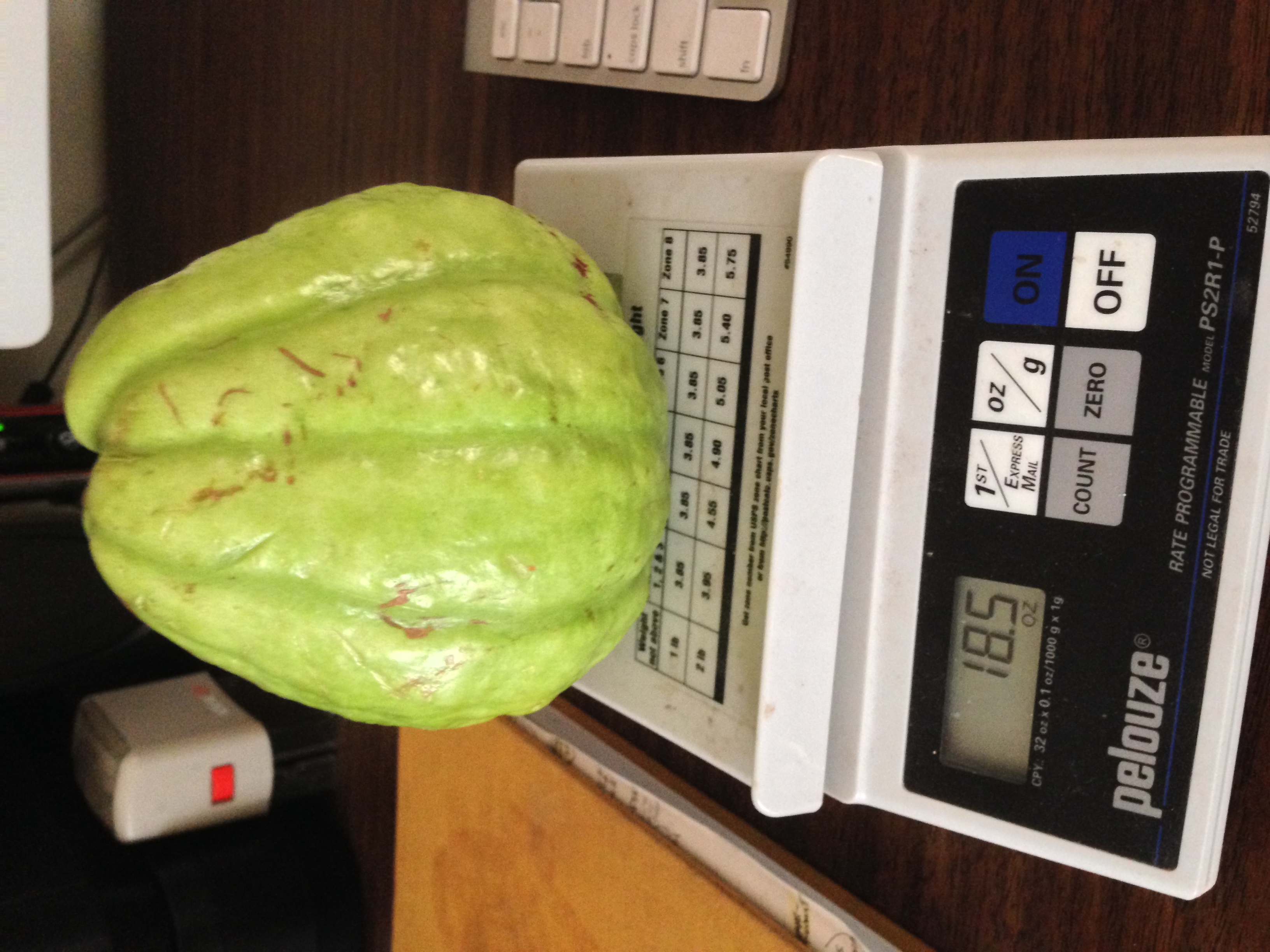
| Description | The Tropical Guava is a small to medium-sized evergreen fruit tree with a native range extending from Mexico into Central America. For the purpose of this discussion, special emphasis is placed on Mexico, where this species has long been valued as both a backyard fruit tree and an important traditional fruit. Over time, the guava spread throughout the Caribbean, South America, tropical Asia, India, Africa, and other warm regions of the world, becoming one of the most widely recognized and utilized tropical fruits. The guava tree itself is attractive and relatively easy to grow, with smooth, peeling bark, bright green foliage, and a naturally rounded growth habit. Under favorable conditions, the tree can produce fragrant white flowers followed by aromatic fruit over an extended season. Depending upon climate, pruning, and variety, guava trees can remain fairly compact, making them especially useful for home landscapes where space is limited. Now for the fruit itself: There is considerable variability among guava selections in regard to fruit size, shape, skin color, pulp color, seed content, aroma, and flavor. The fruit may be round, oval, or pear-shaped, with skin ranging from green to yellow when ripe. The interior may be white, cream, pink, salmon, or red depending upon the variety. Some selections are sweet and mild, while others possess the strong, unmistakable tropical fragrance and flavor that guava enthusiasts especially appreciate. For the purpose of clarification, this description focuses primarily on improved, asexually propagated selections such as Vietnamese King and True Ruby Supreme rather than inferior seedling-grown trees. The Vietnamese King is a relatively large selection commonly associated with the category of tropical guavas referred to as the "Apple" types with fruits weighing up to 26 ounces and is valued for its pale, firm flesh, sweet-tart flavor, and relatively mild aroma, while the True Ruby Supreme is appreciated for its attractive pink to red interior and richer tropical character. These improved selections offer more predictable fruit quality than random seedlings and are better suited for those seeking early and dependable home production. The fruit is most commonly consumed fresh out of hand when fully ripe, yet its usefulness extends far beyond fresh eating. Guava is widely used in juices, smoothies, preserves, jams, jellies, pastries, fruit pastes, sauces, desserts, and ice creams. In Mexico and other Latin American countries, guava has also long been associated with traditional sweets and beverages, making it both a practical and culturally significant fruit. Once established, Tropical Guava is relatively vigorous and adaptable, capable of producing fruit at a young age and responding well to pruning. In warmer locations of Southern California, it can be a rewarding choice for growers seeking a productive, ornamental, and highly aromatic tropical fruit tree. So if you are looking for a compact, useful, and flavorful fruit tree with deep roots in Mexico and Central America, the Tropical Guava deserves serious consideration as a practical addition to the home landscape. |
| Evergreen/Deciduous | Evergreen |
| Height x Width | 8–12' x 6–10' |
| Growth Habit | Rounded, branching canopy |
| Growth Rate | Moderate to Fast |
| Sun Exposure | Full Sun |
| Cold Hardiness | Approximately 28–30°F once established |
| Fruit Bearing Age/Height | Approximately 2–4 years |
| Suitable To Container Culture | Yes |
| Harvest Period | Late Summer Fall |
| Video | Coming Soon |