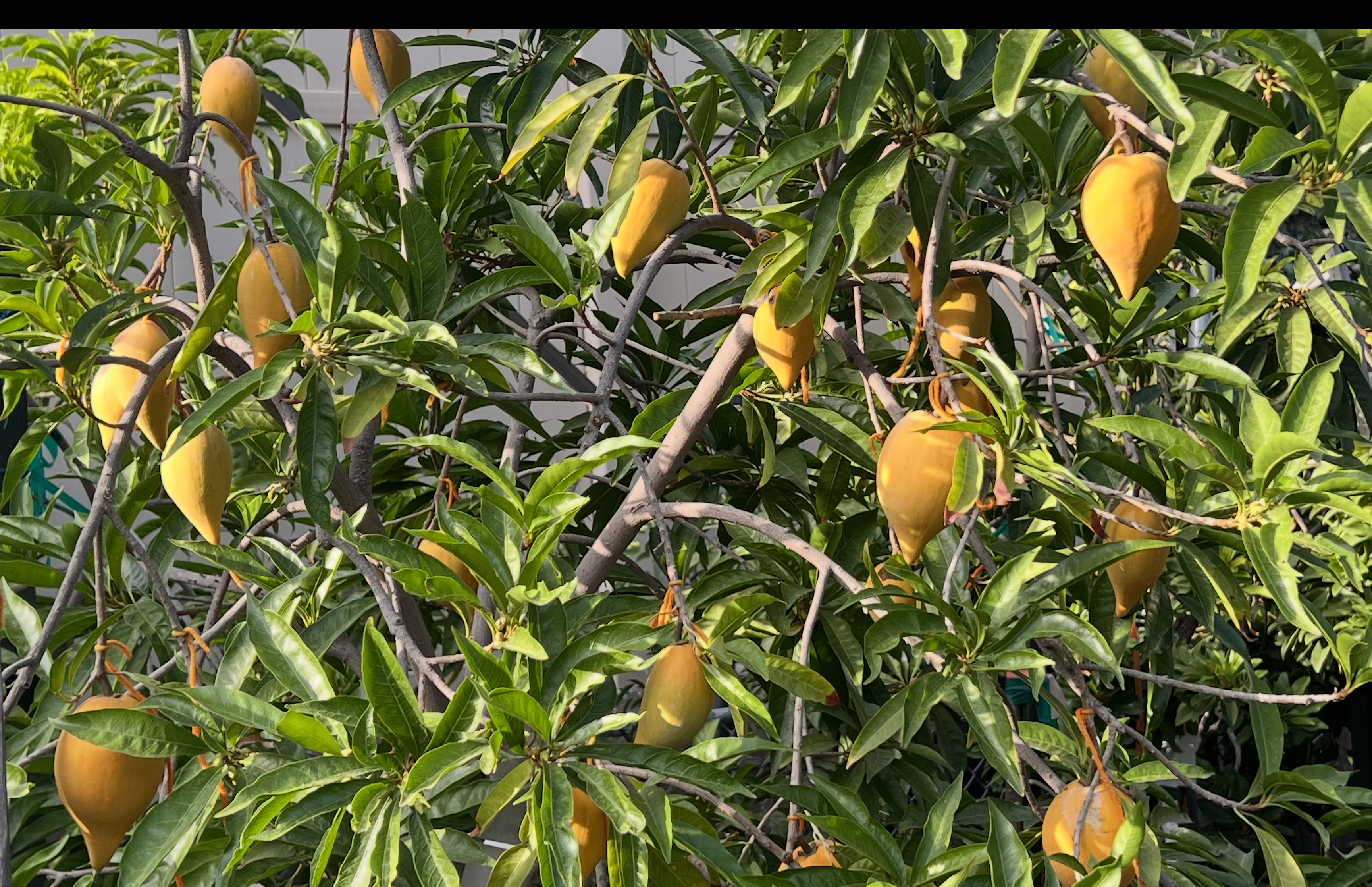
| Common Name | Canistel / Eggfruit / Yellow Sapote |
| Scientific Name/Synonyms | Pouteria campechiana / syn. Lucuma campechiana |
| Cultivars/Varieties | 'Bruce', 'Fairchild #1', 'PTN#2', 'Ross' |
| Country of Origin | Mexico |
| Native Range | Southern Mexico → Central America |
| Also found in other Regions | Bahamas, California, Cambodia, Cayman Is., Cuba, Florida, Philippines, Puerto Rico |
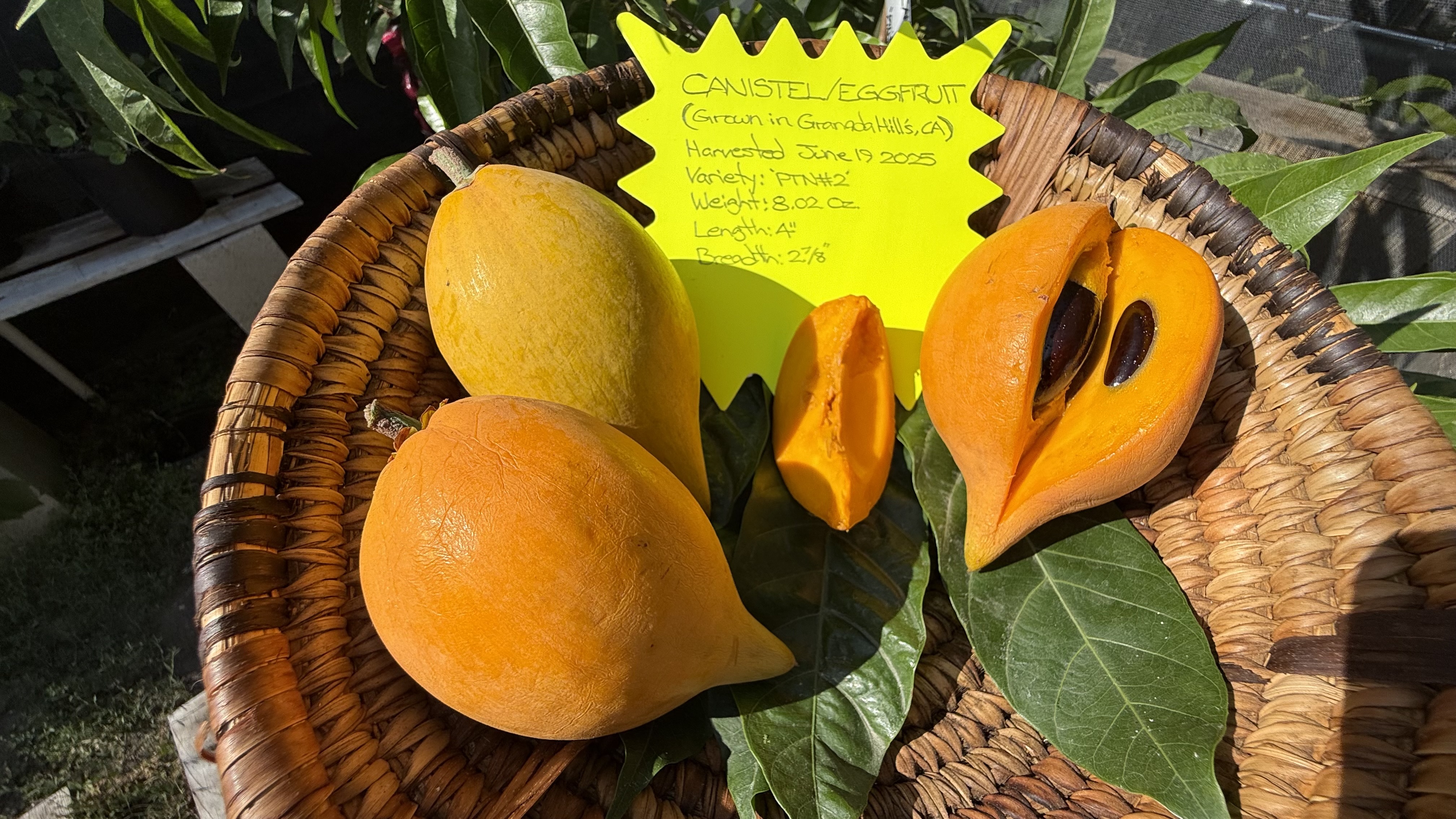
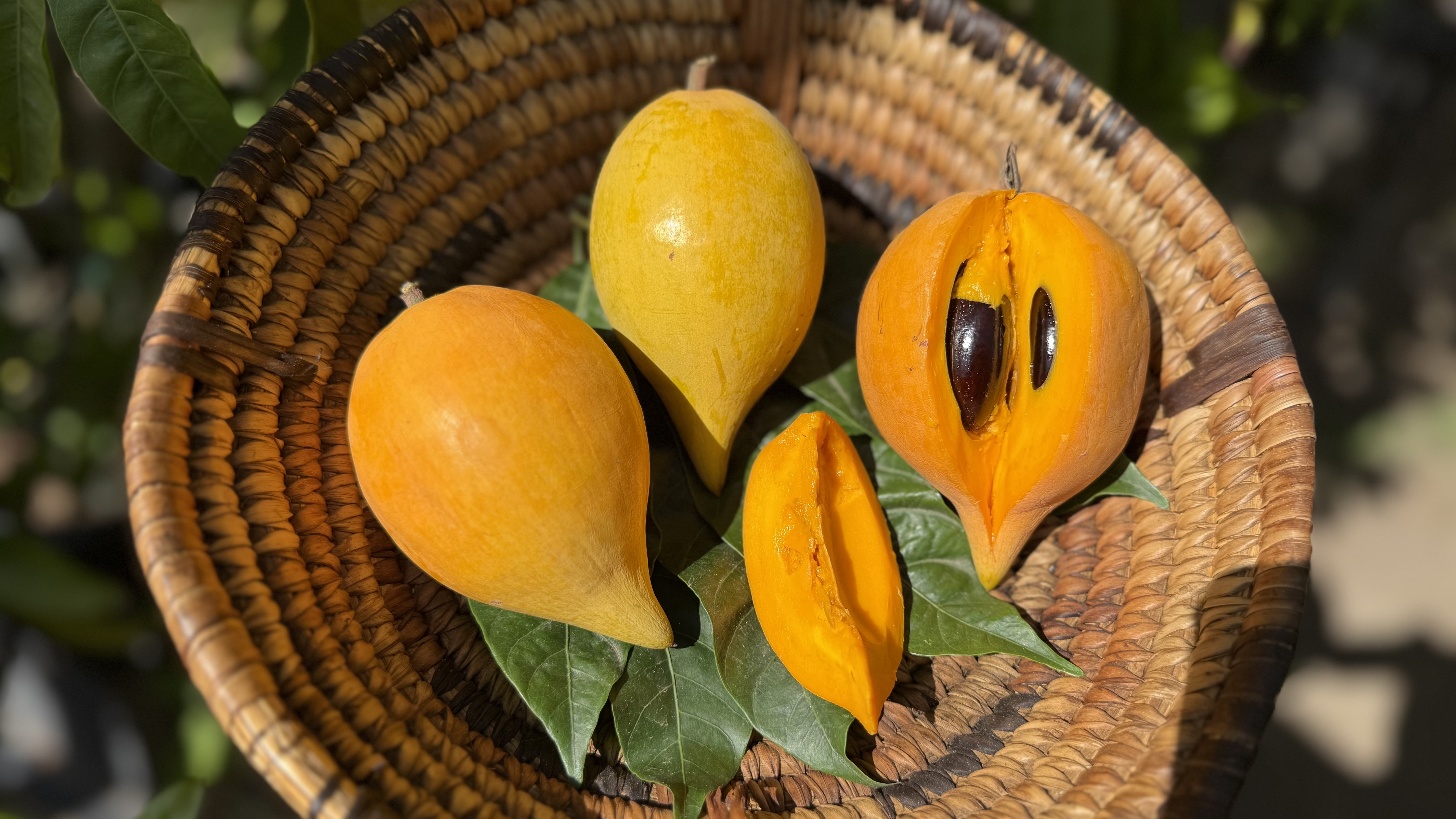
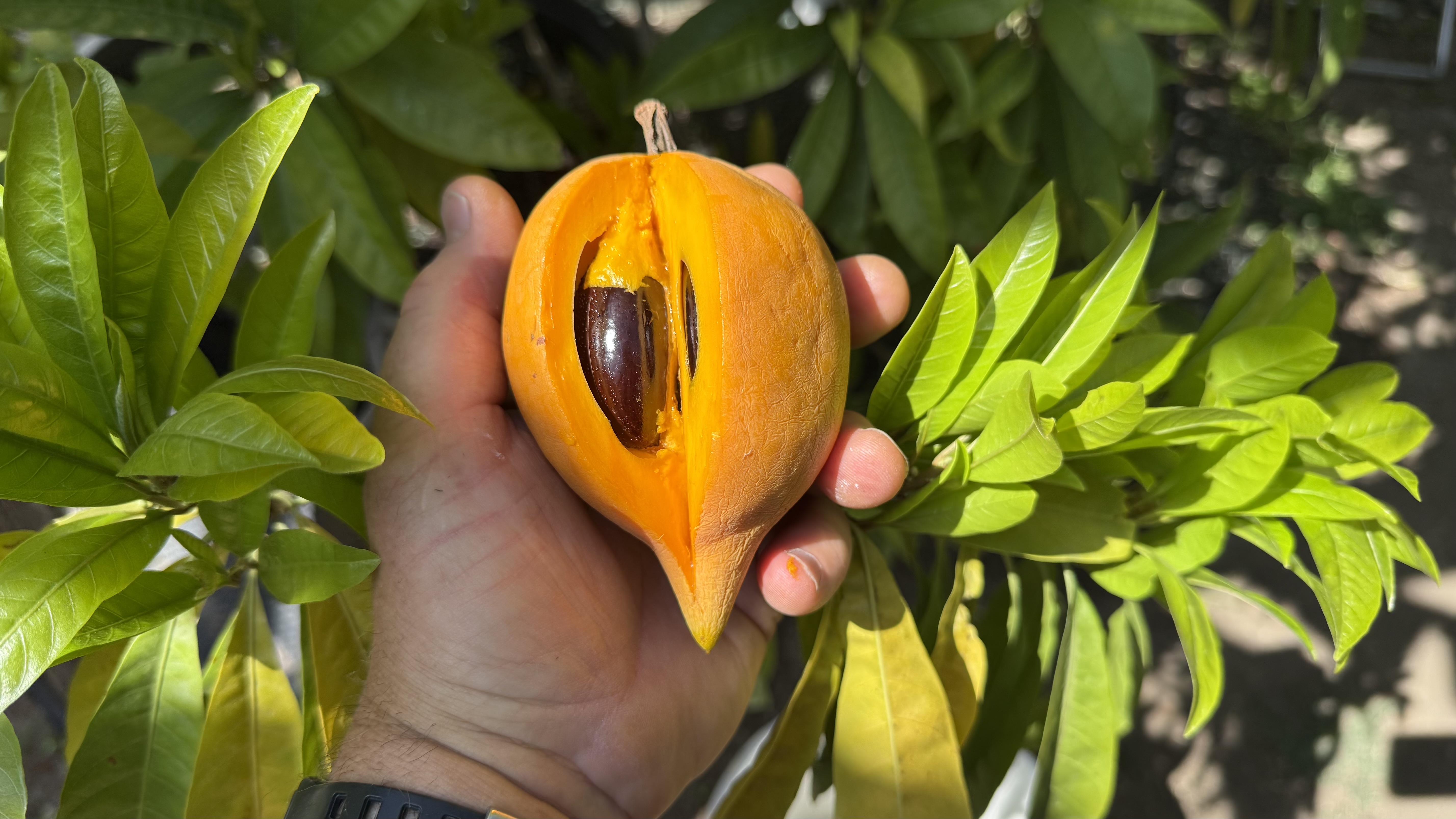
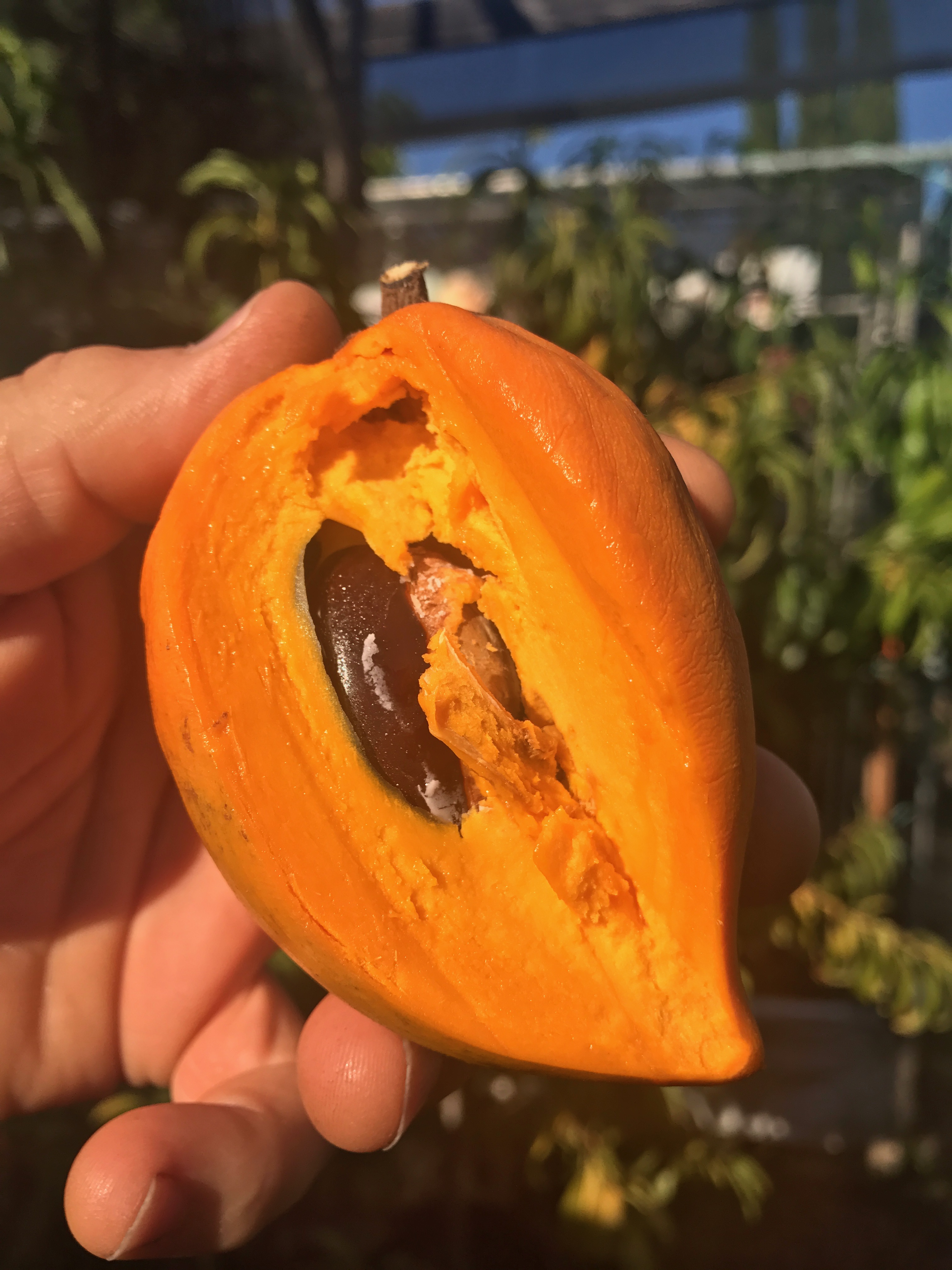
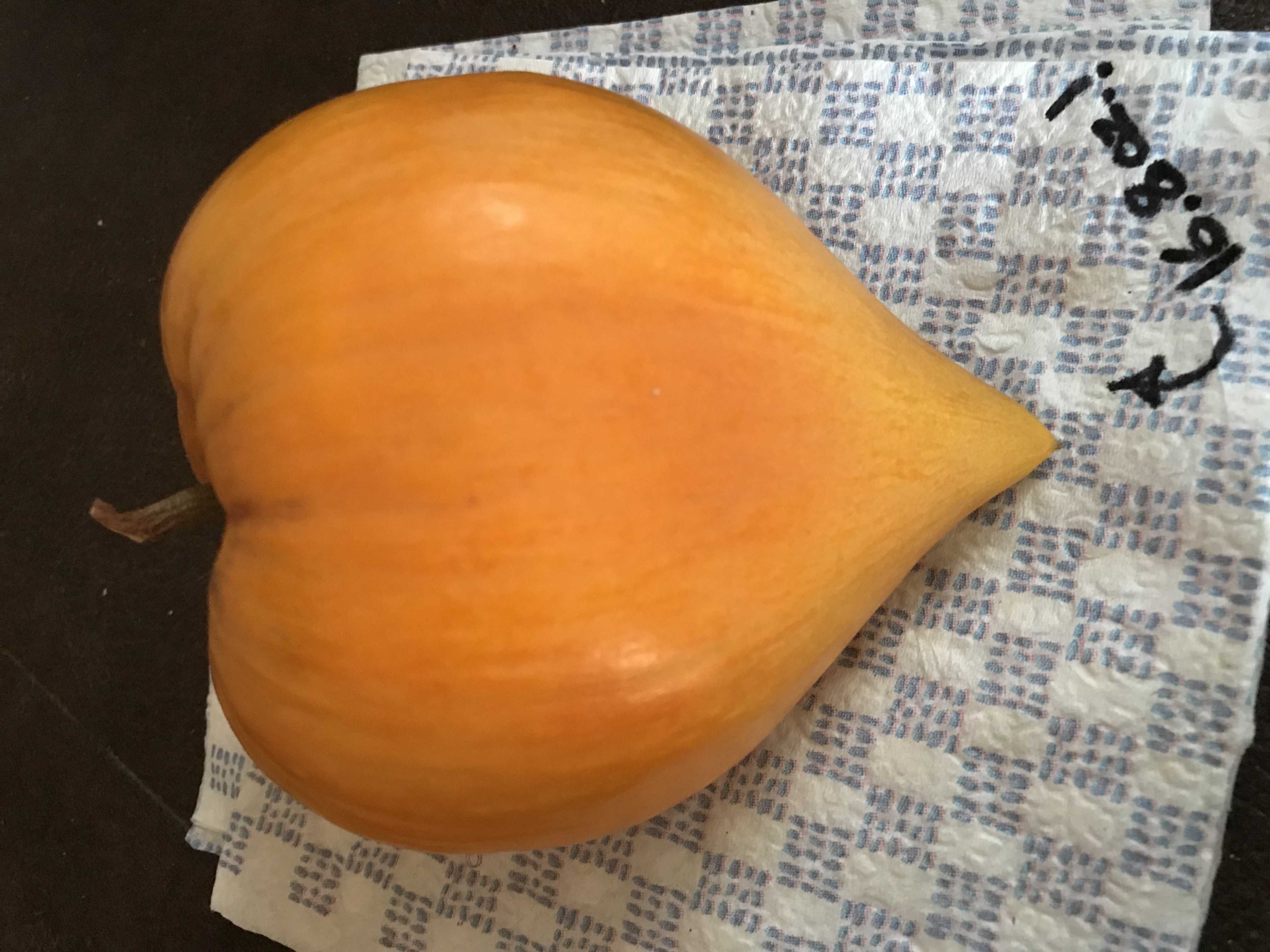
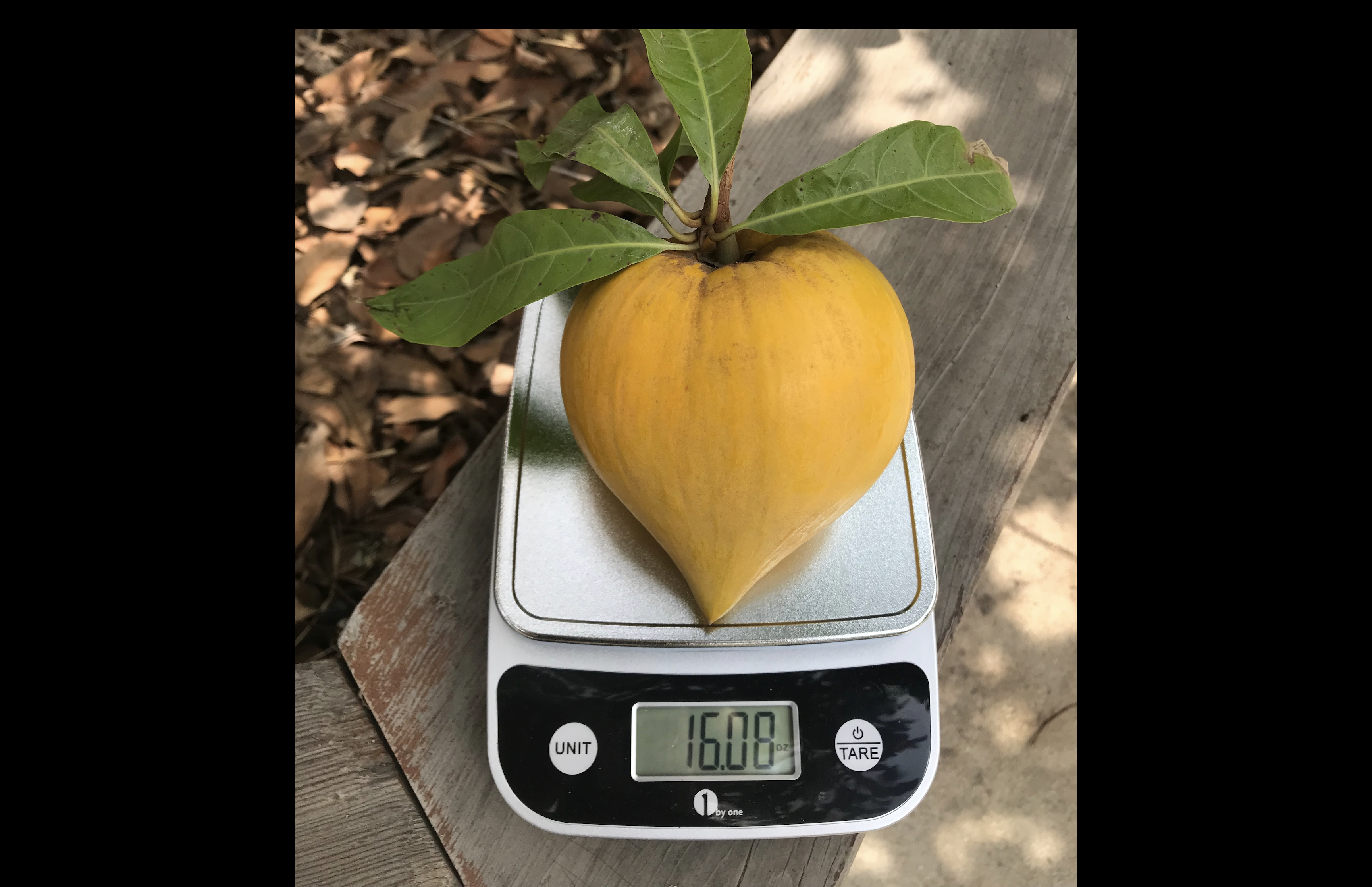
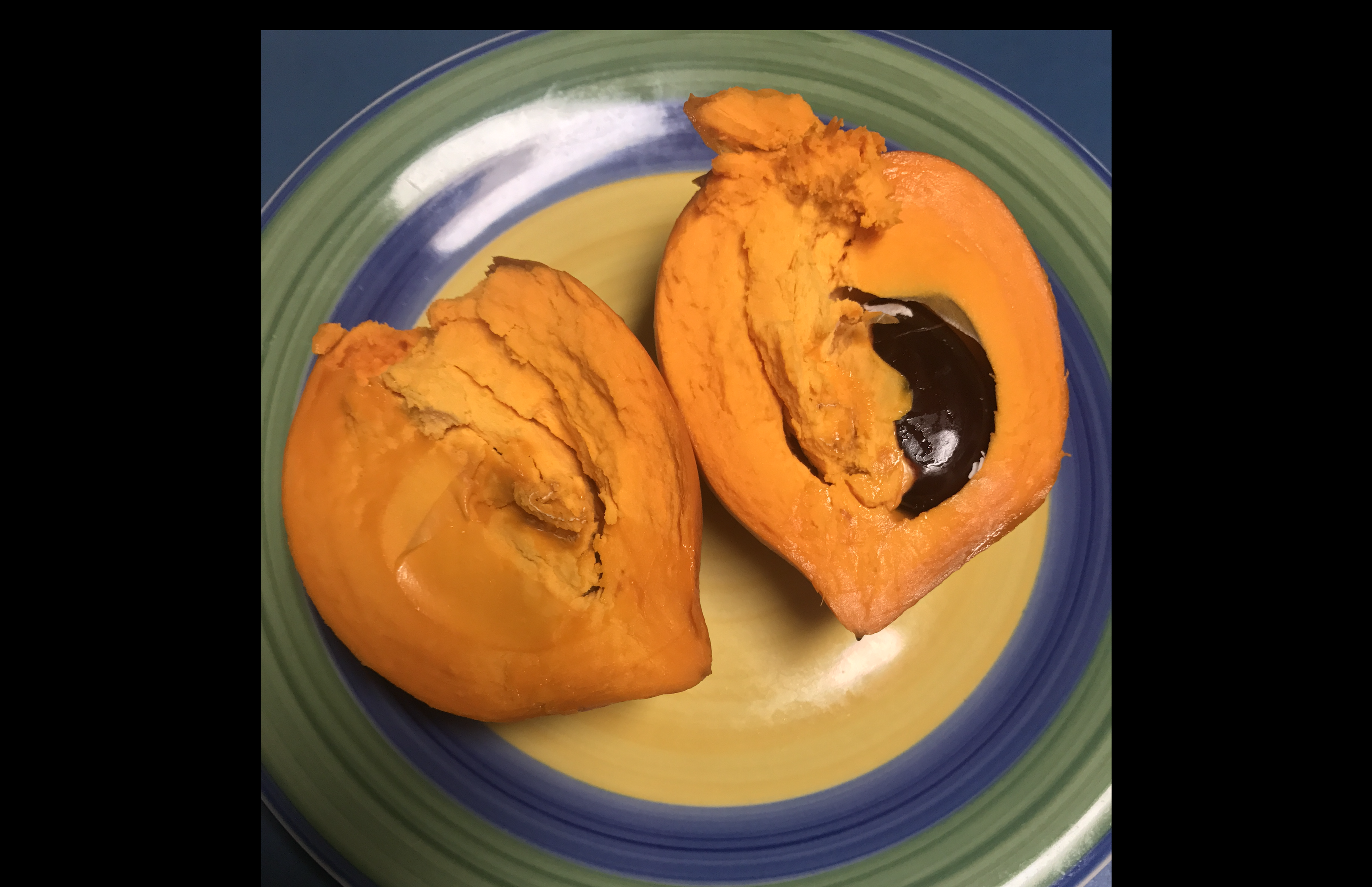
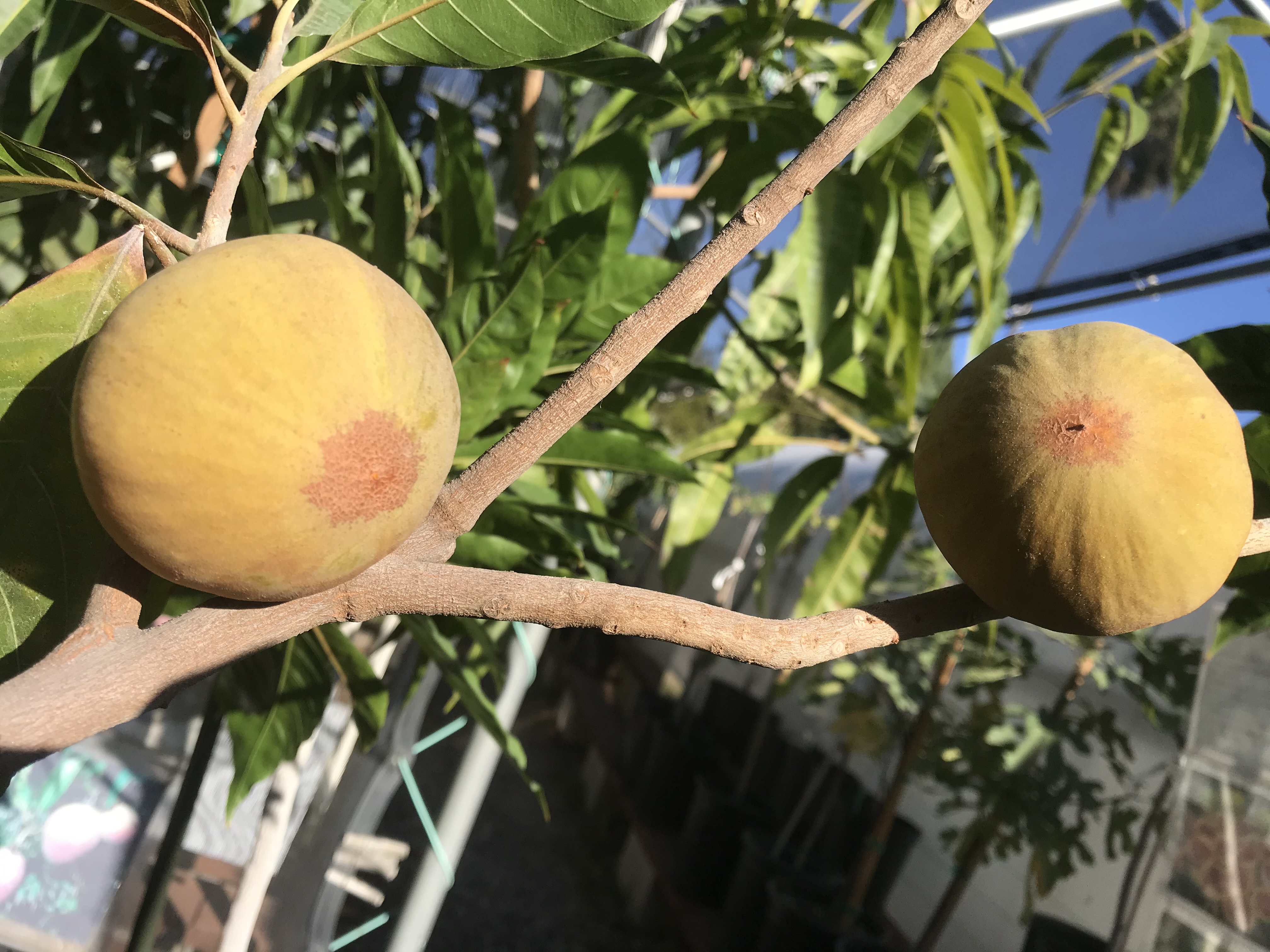
| Description | The Canistel aka "Eggfruit" is borne on an attractive, relatively small, evergreen tree. It was originally thought to be a native from the rainforest region of central Campeche, a state located in Southeastern Mexico.This state shares borders with the state of Yucatan to the northeast and the country of Guatemala to the south. The taxonomic(binomial) classification has even included the state's name as the species. However, in more recent years, the native range has been updated and changed to include all of Mexico and Central America. Now for the fruit itself: Improved versions of this orange-colored, dessert fruit can be consumed fresh out of hand and also used to good effect in various baked goods such as breads, custards, pies and also milkshakes and ice creams.There is much variability in the form of this fruit, with morphology ranging from the spherical to oblate to pyriform and even spindle-shaped. The common name "Eggfruit" is in reference to the relatively dry texture of the pulp from wild/seed-grown versions of this fruit, resembling that of a hard-boiled egg yolk. However, in recent years, there has been some reevaluation of this species by searching out for improved selections that are more palatable, especially in regards to increased moisture content. Fortunately, the results are dramatic, resulting in new named varieties improving both flavor and texture.The flavor of improved selections is similar to that of a sweet potato blended with caramel. The texture of named selections has also improved from being similar to a relatively dry hard-boiled egg yolk, to perhaps that of the considerably more creamy, deviled eggs. So, for the One Piece anime fans out there, consider trying this real life Devil Fruit! |
| Evergreen/Deciduous | Evergreen |
| Height x Width | 12' x 8' |
| Growth Habit | Small to medium sized tree with a spreading crown |
| Growth Rate | Medium |
| Sun Exposure | Partial Shade / Full Sun |
| Cold Hardiness | Tolerant to 30°F |
| Fruit Bearing Age/Height | Two to Four Feet |
| Suitable To Container Culture | Yes |
| Harvest Period | June - November |
| Video | Coming Soon |