| Also found in other Regions |
Argentina Northwest, Azores, Bahamas, Bangladesh, California, Cameroon, Caroline Is., Cayman Is., Central African Republic, Central American Pacific Is., China South-Central, China Southeast, Congo, Cook Is., Cyprus, DR Congo, East Himalaya, Easter Is., Fiji, Florida, Galápagos, Gambia, Gulf of Guinea Is., Hawaii, India, Kenya, Laos, Marianas, Marquesas, Marshall Is., Mauritius, New York, New Zealand North, Solomon Is.,Taiwan, Vanuatu, Vietnam + |
| Description |
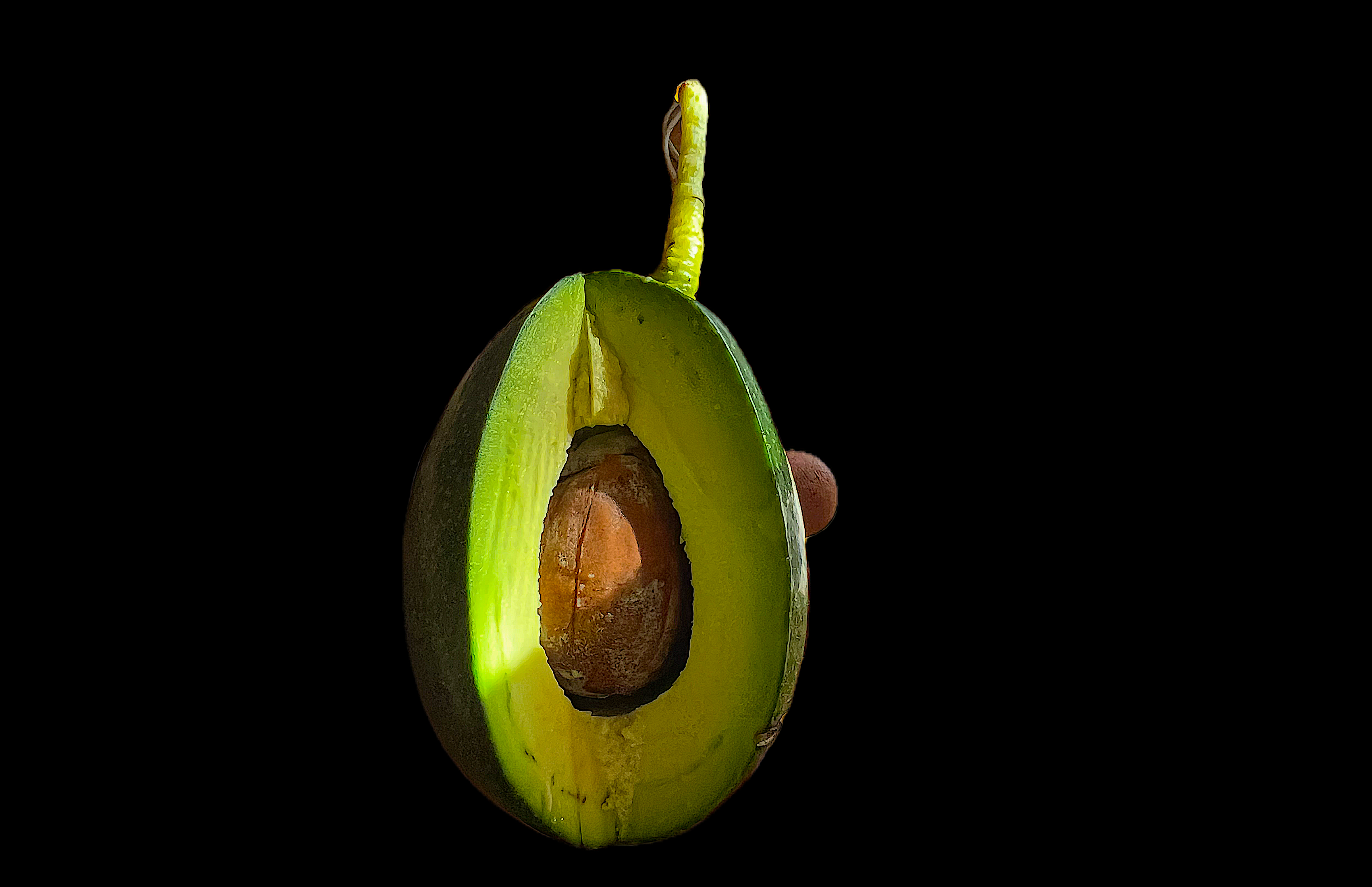
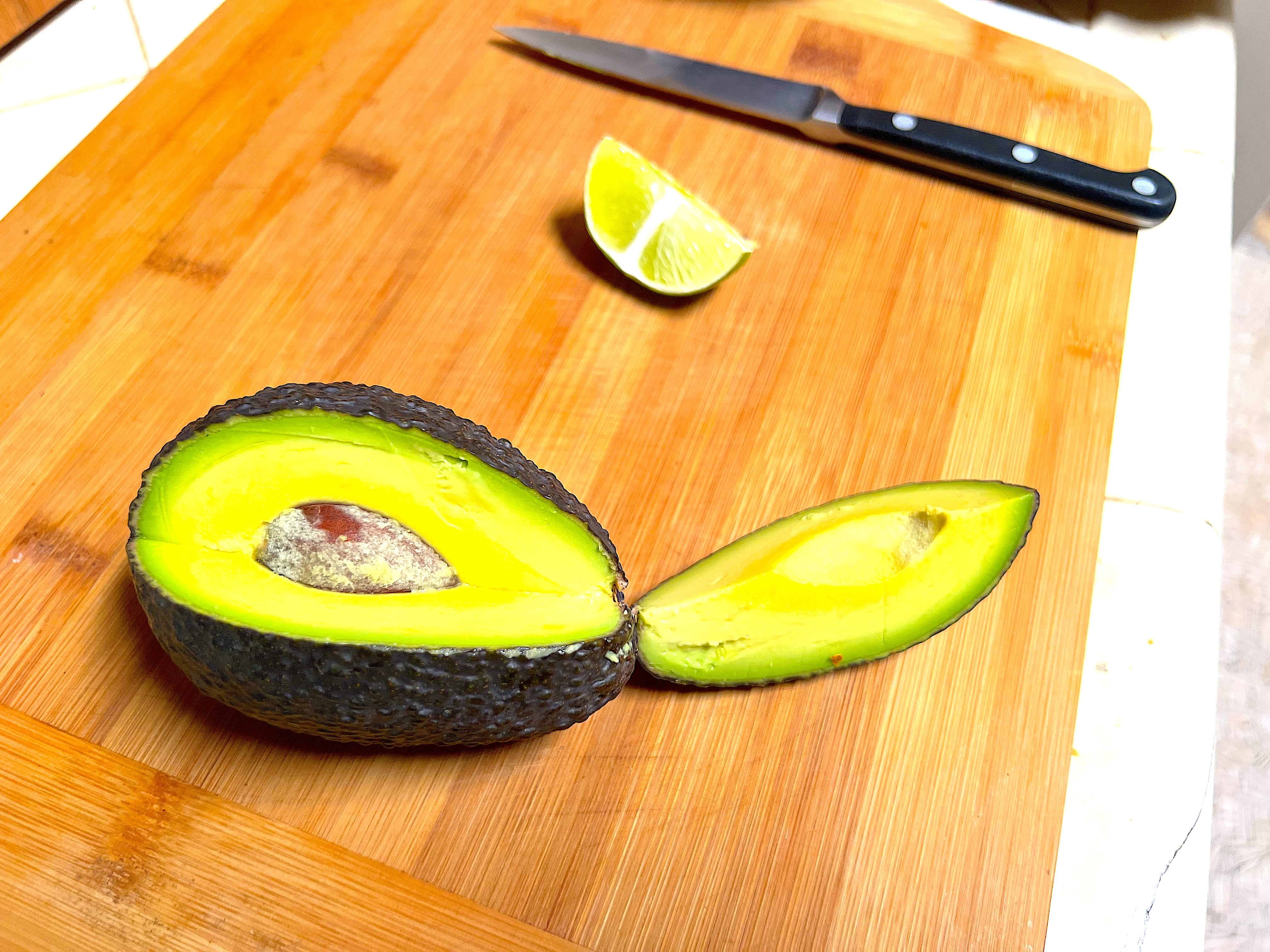
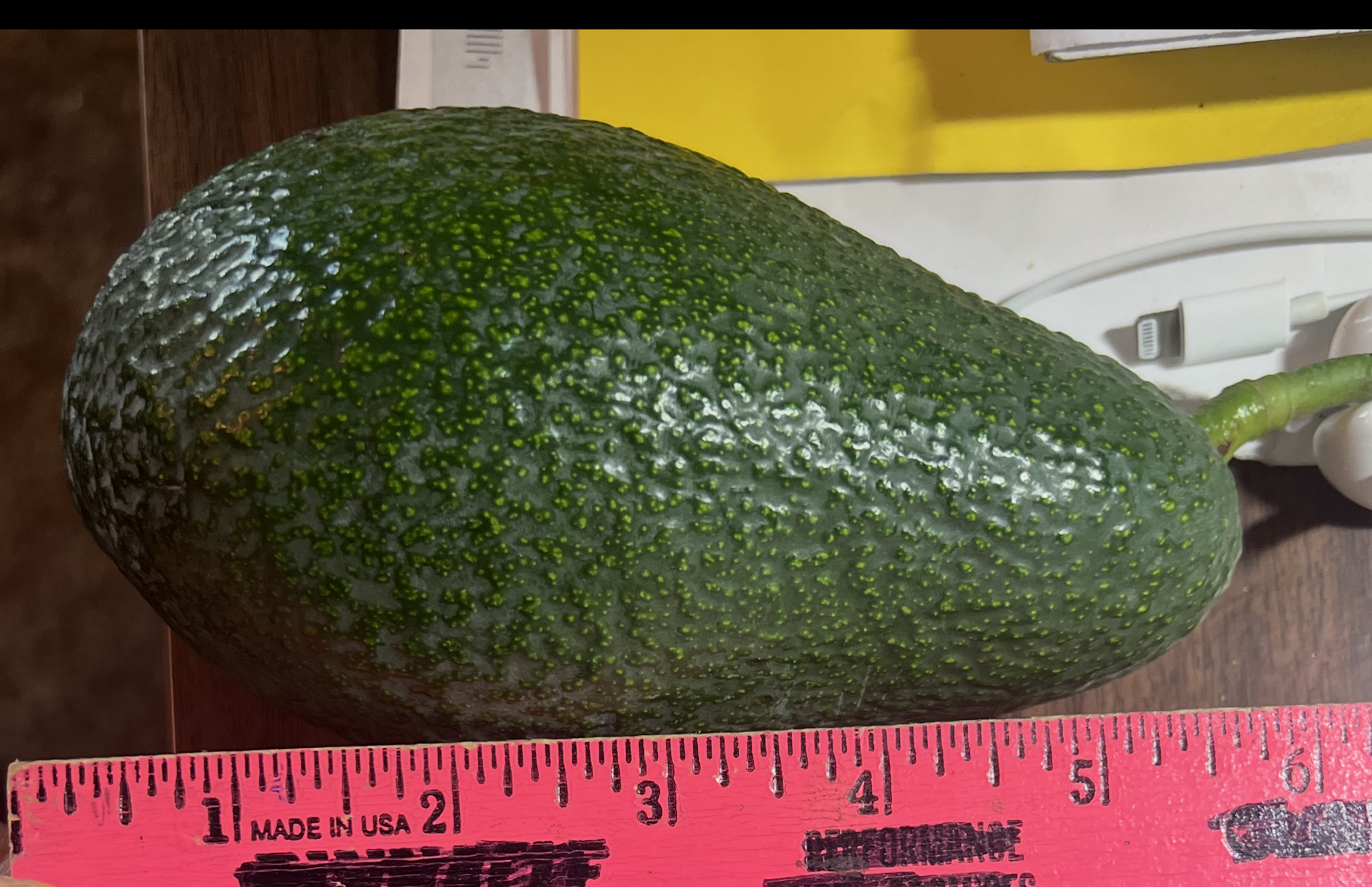
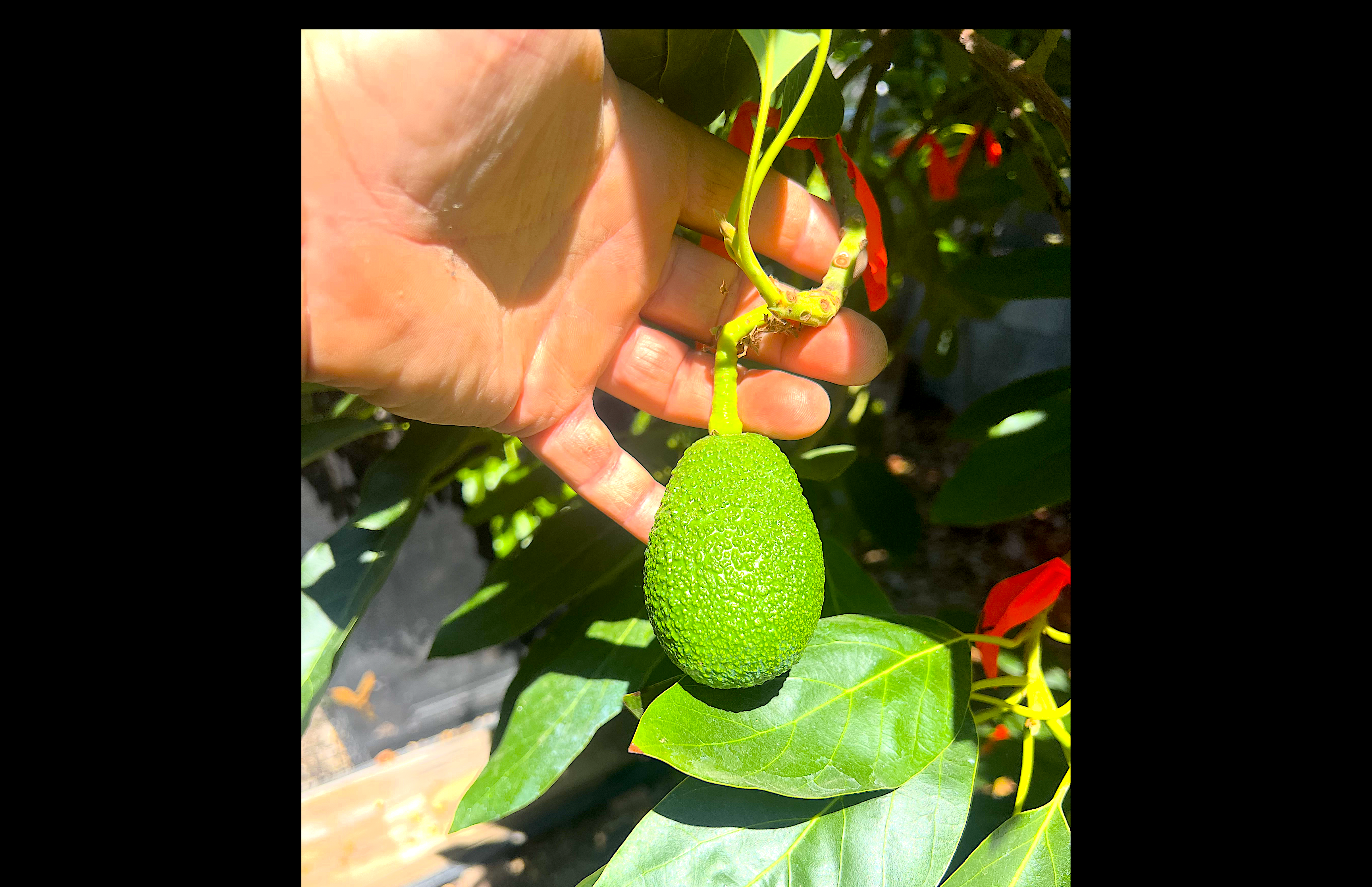
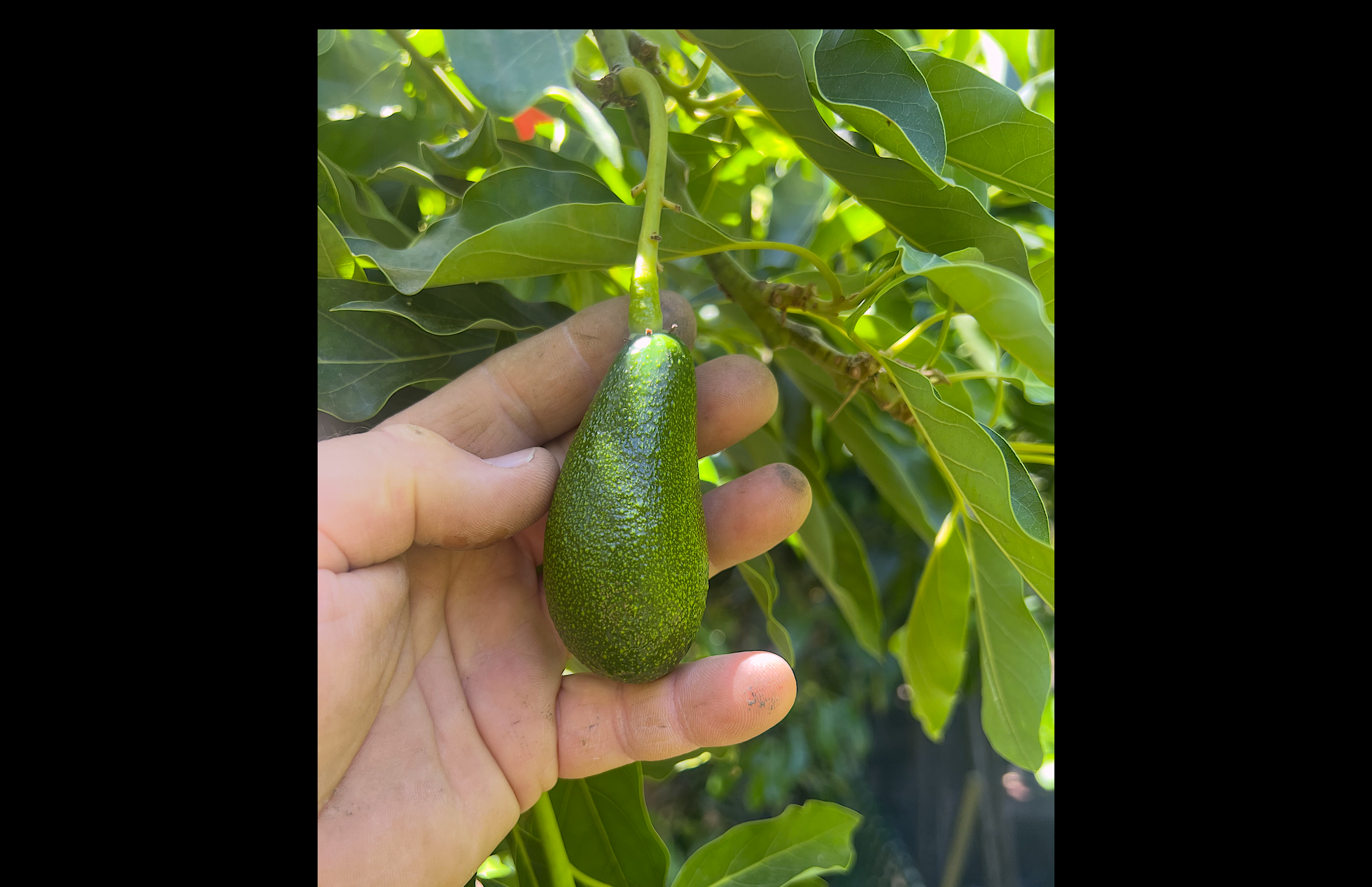
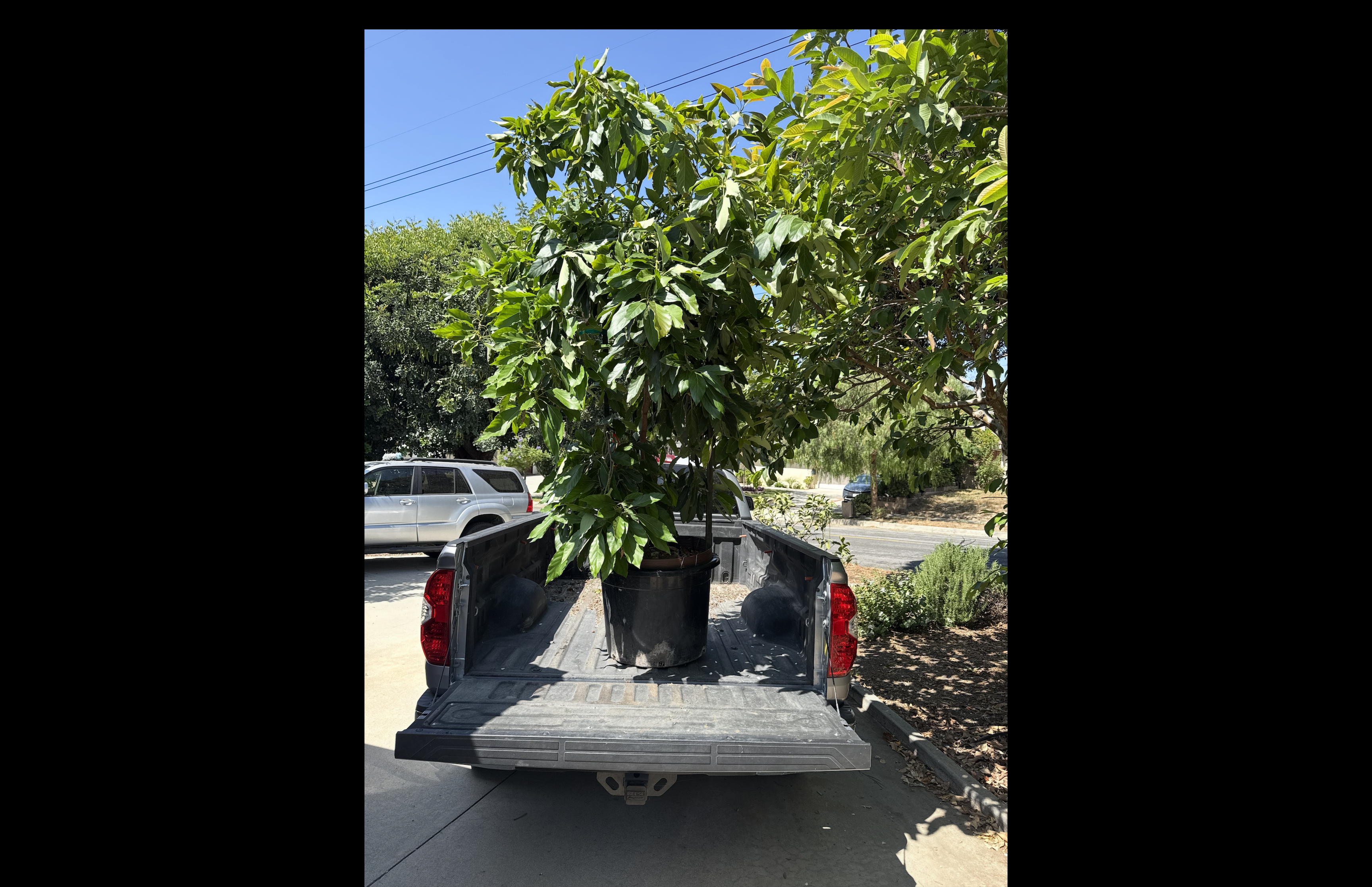
The Avocado is an attractive evergreen tree with a native range from Mexico throughout Mesoamerica and was originally cultivated by both the Aztec and Mayan ancient civilizations centuries before the Spaniards appeared on the scene. Since then, improved versions of the avocado have been introduced throughout Tropical & Subtropical America, South America, and Macaronesia. In modern times, the avocado has been successfully marketed to the masses with over 3 million acres of commercially planted trees grown throughout the world. While there are three distinct botanical varieties of this species (West Indian, Guatemalan, and Mexican), most commercially offered cultivars are crosses(hybrids) between the Mexican and Guatemalan varieties, such as the popular 'Hass' cultivar. The avocado marketing campaign is truly a success story given it was tasked with promoting a fruit with almost zero sugar. Other cultivars, less popular yet perhaps of equal(or superior) quality, yet less commonly available, include the 'Edranol', 'Fuerte', 'Gem', 'Jan Boyce', 'Kona Sharwil', 'Mexicola', 'Pinkerton', 'Reed' and 'Sir Prize'. The fruit is typically consumed raw by first halving and separating from the skin, cut into wedges to serve on its own with salt or olive oil, cubed and added to salads or soups, made into the popular dip called "guacamole", sliced for use in sandwiches, as a side in various savory dishes for breakfast, lunch or dinner and even as an ice cream! So whether you enjoy it as a dip or in various savory applications, a named/grafted cultivar of this species could be a very rewarding addition to any food-forest or backyard planting. |