| Also found in other Regions |
Sri Lanka, Southeast Asia, Tropical Africa, The Caribbean, Central America, South America, Florida, Hawaii, Southern California |
| Description |
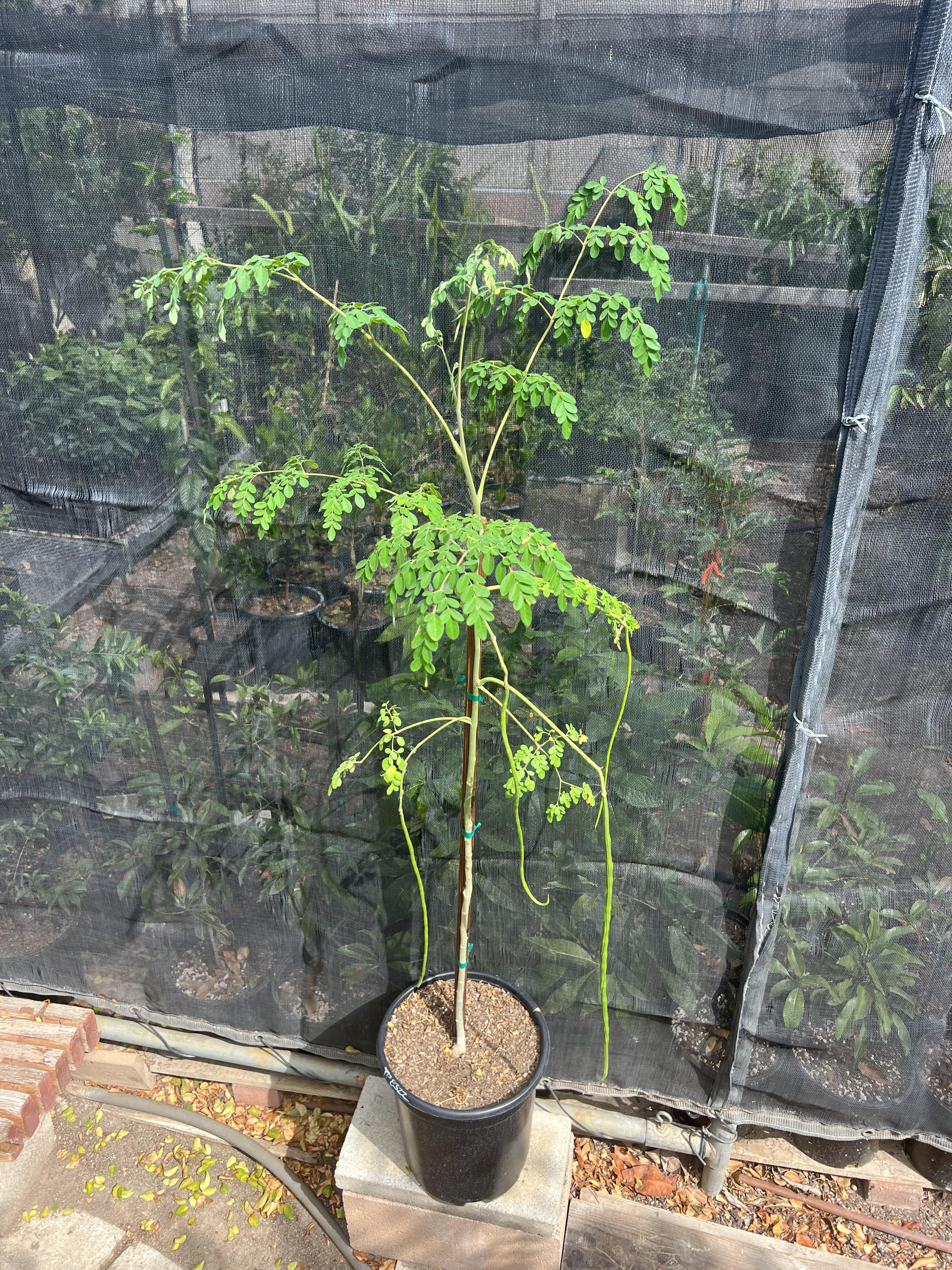
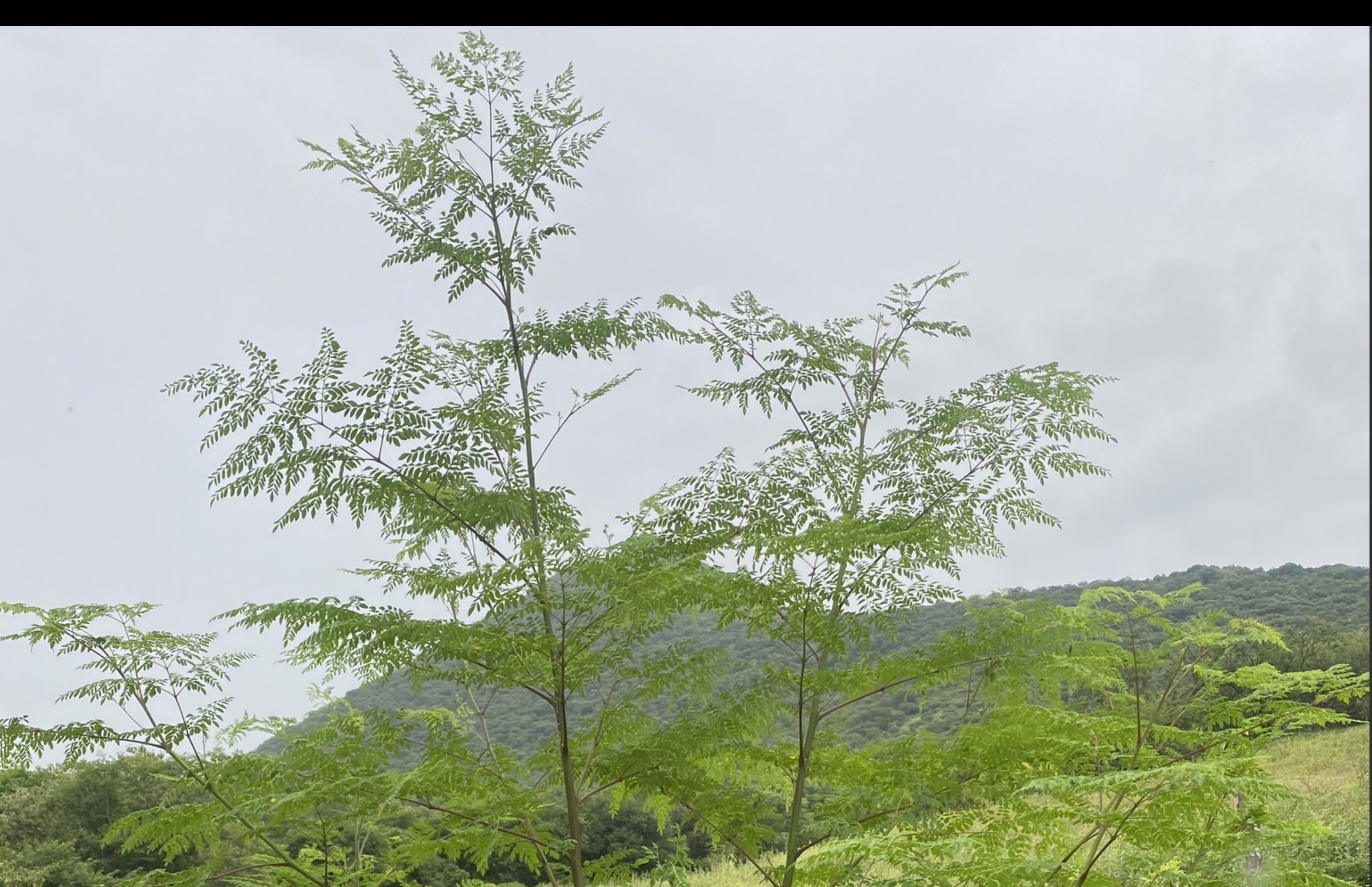
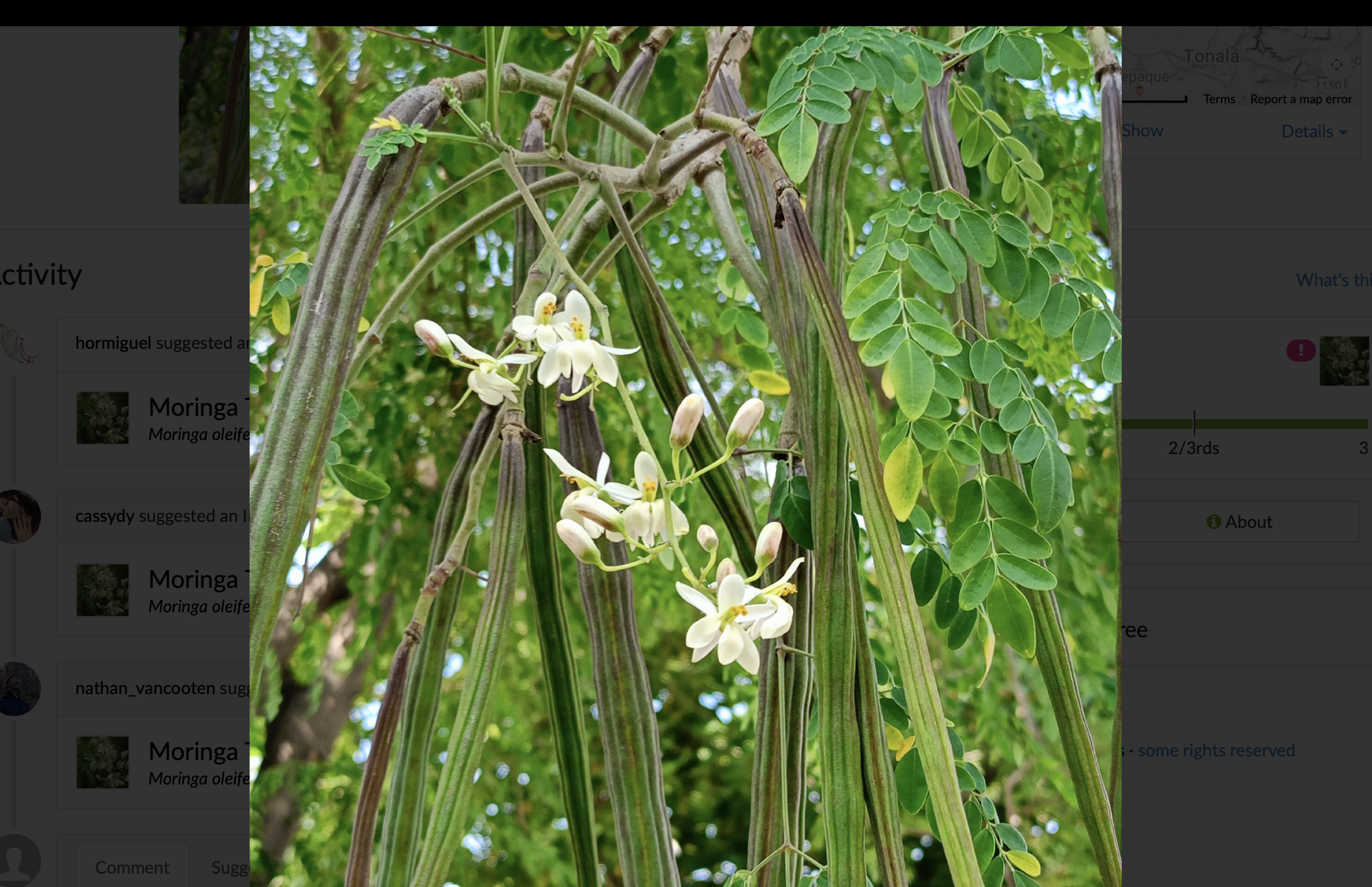
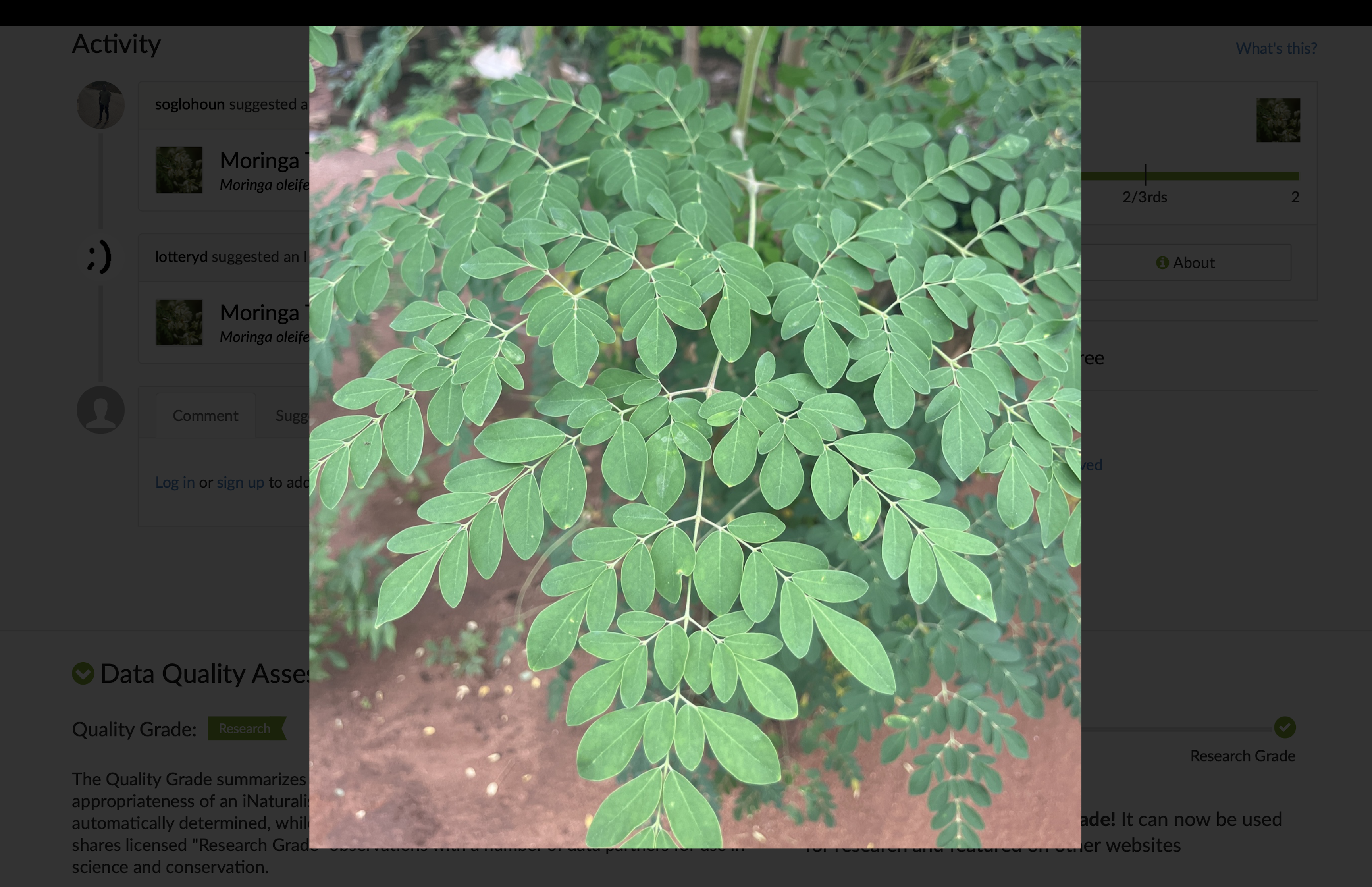
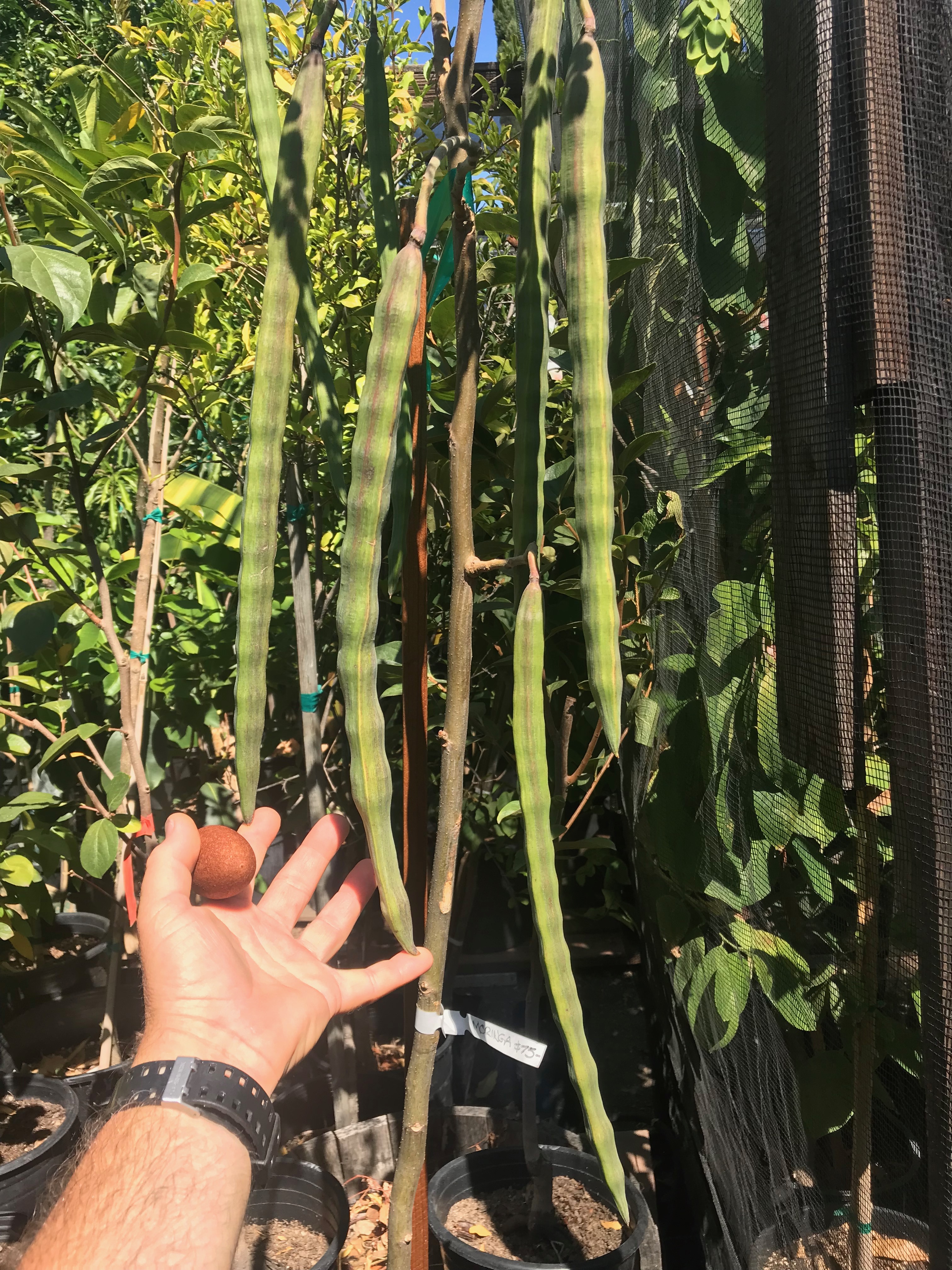
The Moringa, also known as the Drumstick Tree or Horseradish Tree, is a fast-growing, small to medium-sized tree native to northwestern India and parts of the southern Himalayan foothill region. Revered for centuries throughout South Asia, this highly adaptable species has long been cultivated for both its nutritional value and ornamental qualities. Over time, the tree spread throughout tropical and subtropical regions around the world, including Southeast Asia, Africa, the Caribbean, Central and South America, and more recently into subtropical growing regions such as Southern California and Florida. The Moringa possesses a relatively open canopy with delicate, fern-like foliage and an attractive branching structure, giving the tree an almost tropical-acacia-like appearance. During the warmer months, the tree produces clusters of lightly fragrant, creamy-white flowers which are attractive to pollinators and can appear over an extended season under favorable growing conditions. These flowers are eventually followed by elongated, pendulous seed pods commonly referred to as “drumsticks,” sometimes reaching lengths exceeding 24 inches depending upon growing conditions and selection.
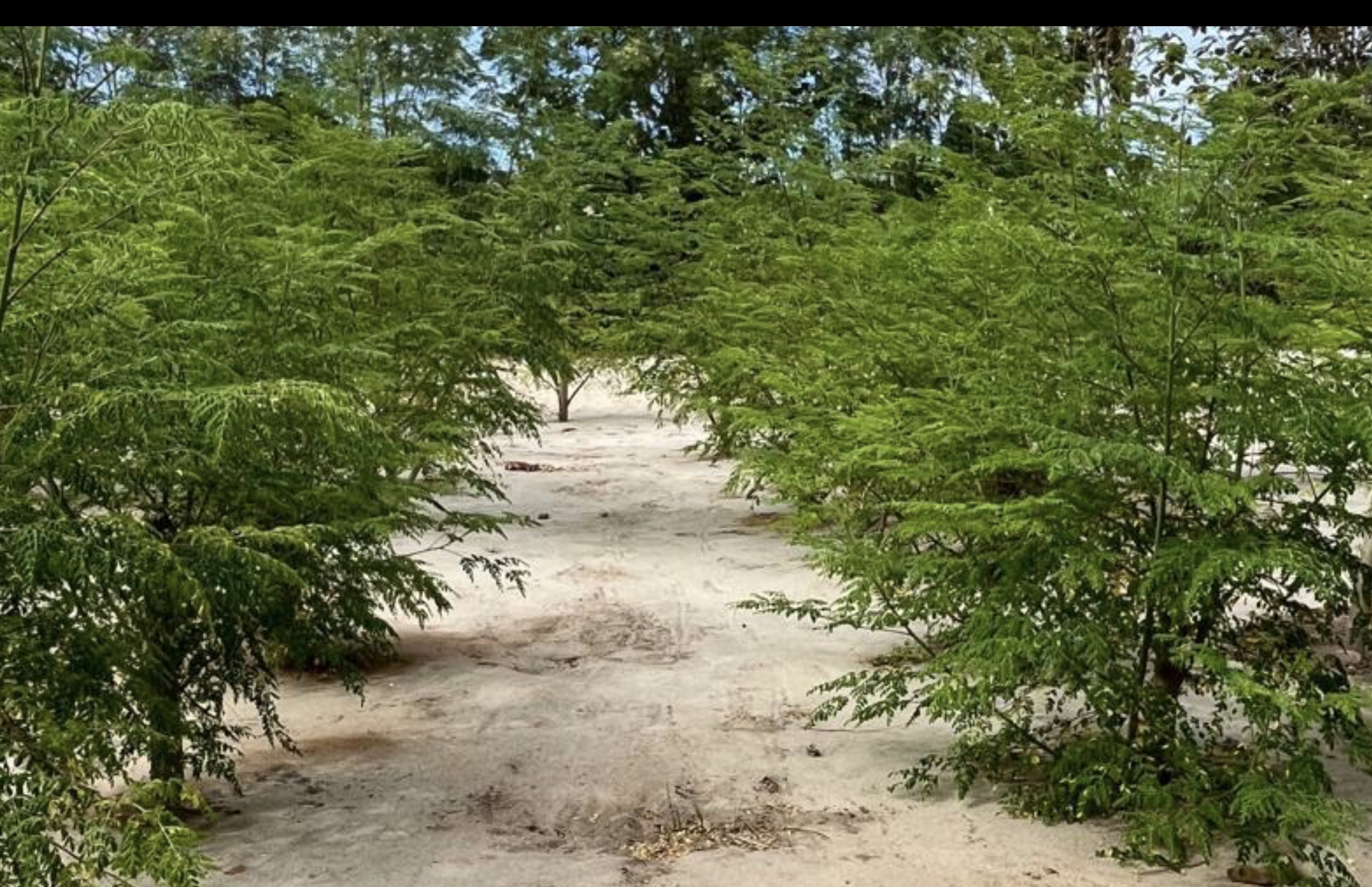
One of the more remarkable qualities of the Moringa is the unusually high usefulness of nearly every part of the plant. The immature seed pods are widely utilized as a cooked vegetable throughout India and Southeast Asia, while the foliage is also consumed either fresh or cooked and is valued for its exceptionally high nutritional content. In more recent decades, the species has gained worldwide attention as a so-called “superfood” due to the high concentration of vitamins, minerals, antioxidants, and protein contained within the leaves. The seeds additionally have various traditional and practical applications, including oil production and even water purification. Once established, the Moringa is notably heat and drought tolerant, making it particularly well suited for arid and semi-arid growing regions. It is also capable of extremely rapid growth during warm weather, especially when young. While the species can eventually attain a fairly substantial size under tropical conditions, it responds very well to pruning and can easily be maintained as a smaller tree or even as a large shrub for ease of harvest and improved branching structure. With its unique tropical appearance, fragrant blossoms, extraordinary adaptability, and highly versatile edible qualities, the Moringa deserves consideration as both an ornamental and practical addition to the subtropical or tropical home landscape. For those interested in unusual multi-purpose plants possessing both visual appeal and historical significance, the Drumstick Tree may prove to be a particularly rewarding and healthy choice. |