| Also found in other Regions |
Sri Lanka, Bangladesh, Myanmar, Thailand, Malaysia, Indonesia, Tropical Africa, The Caribbean, Central America, California, Florida, Hawaii |
| Description |
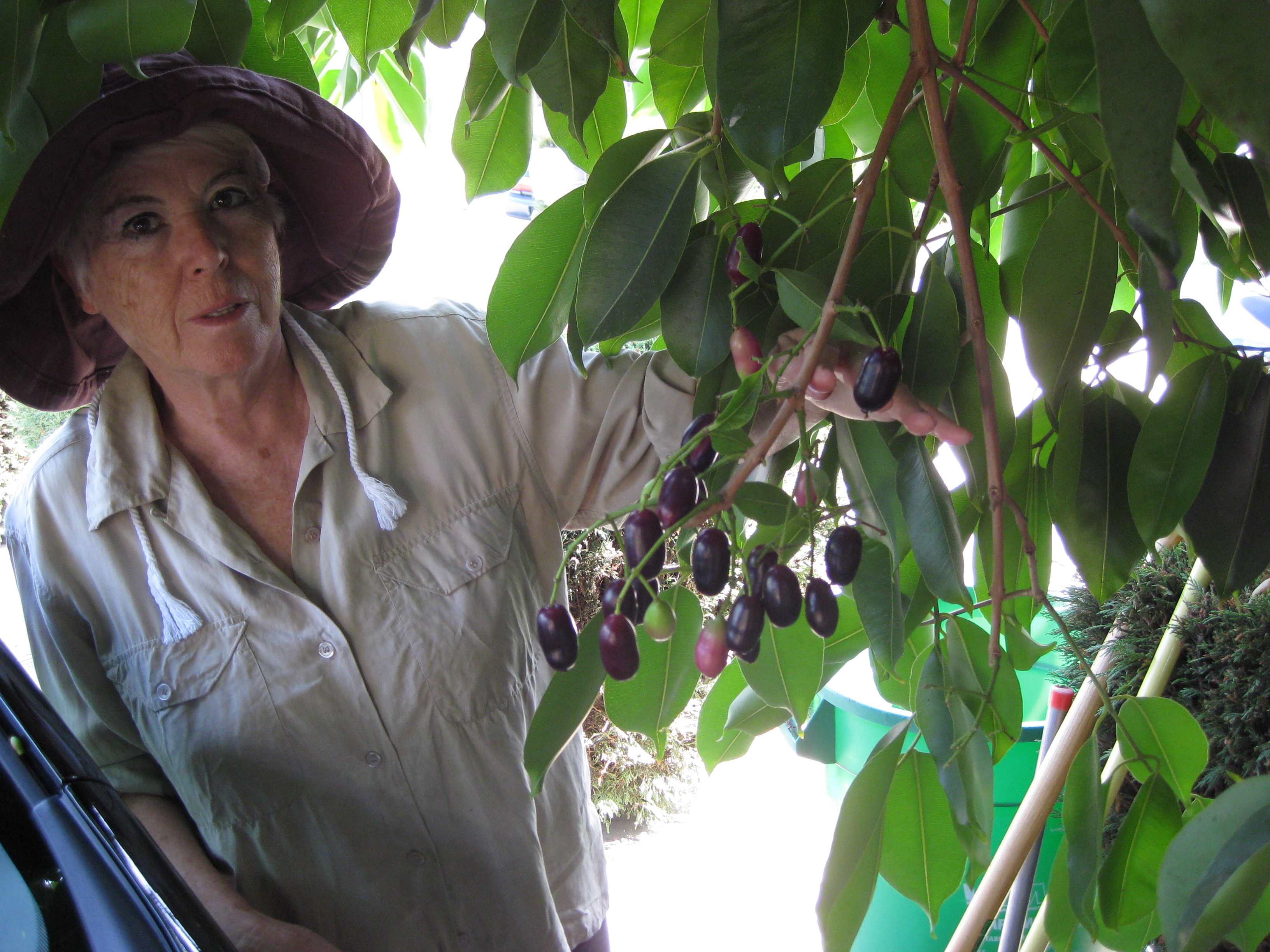
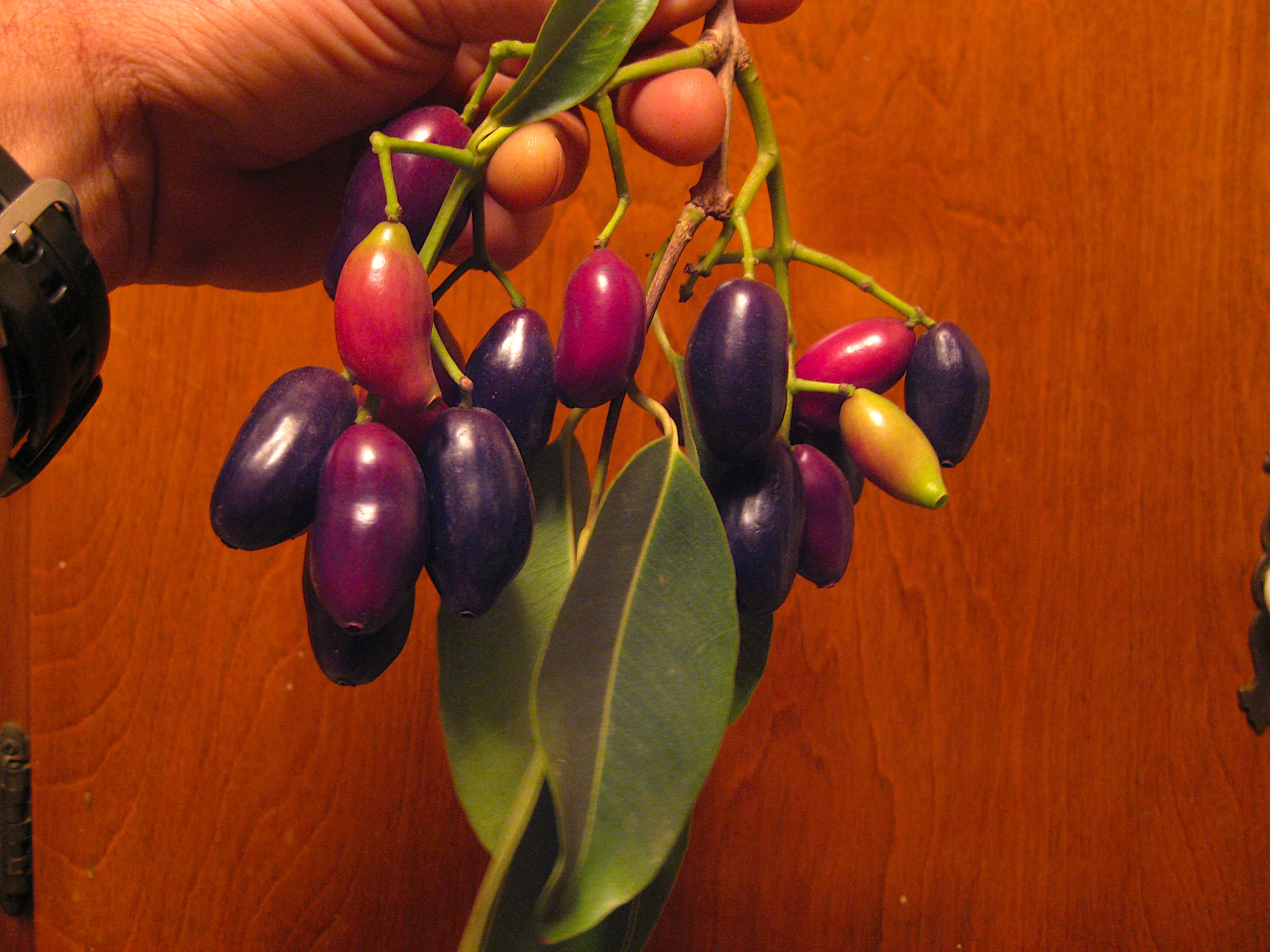
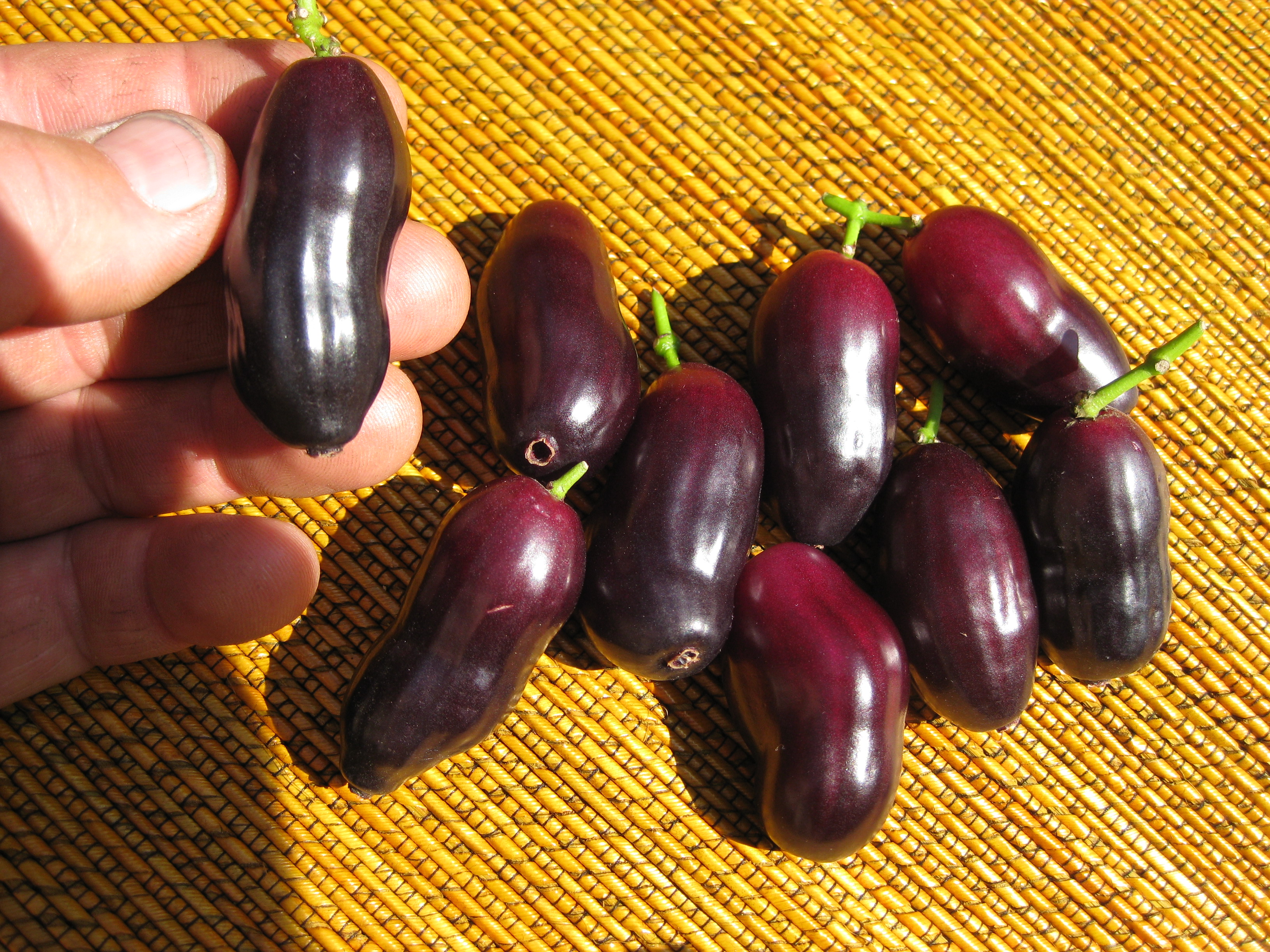
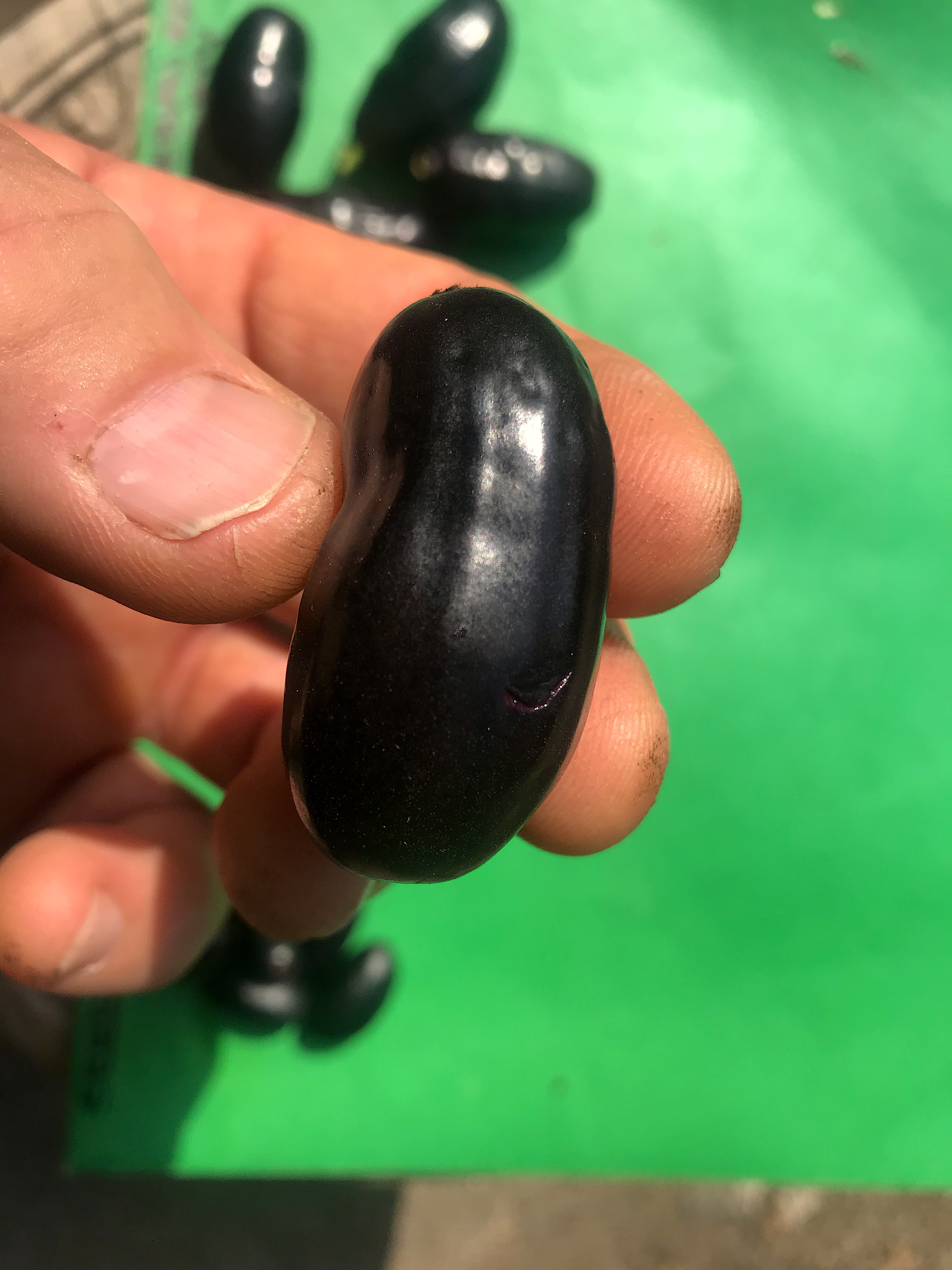
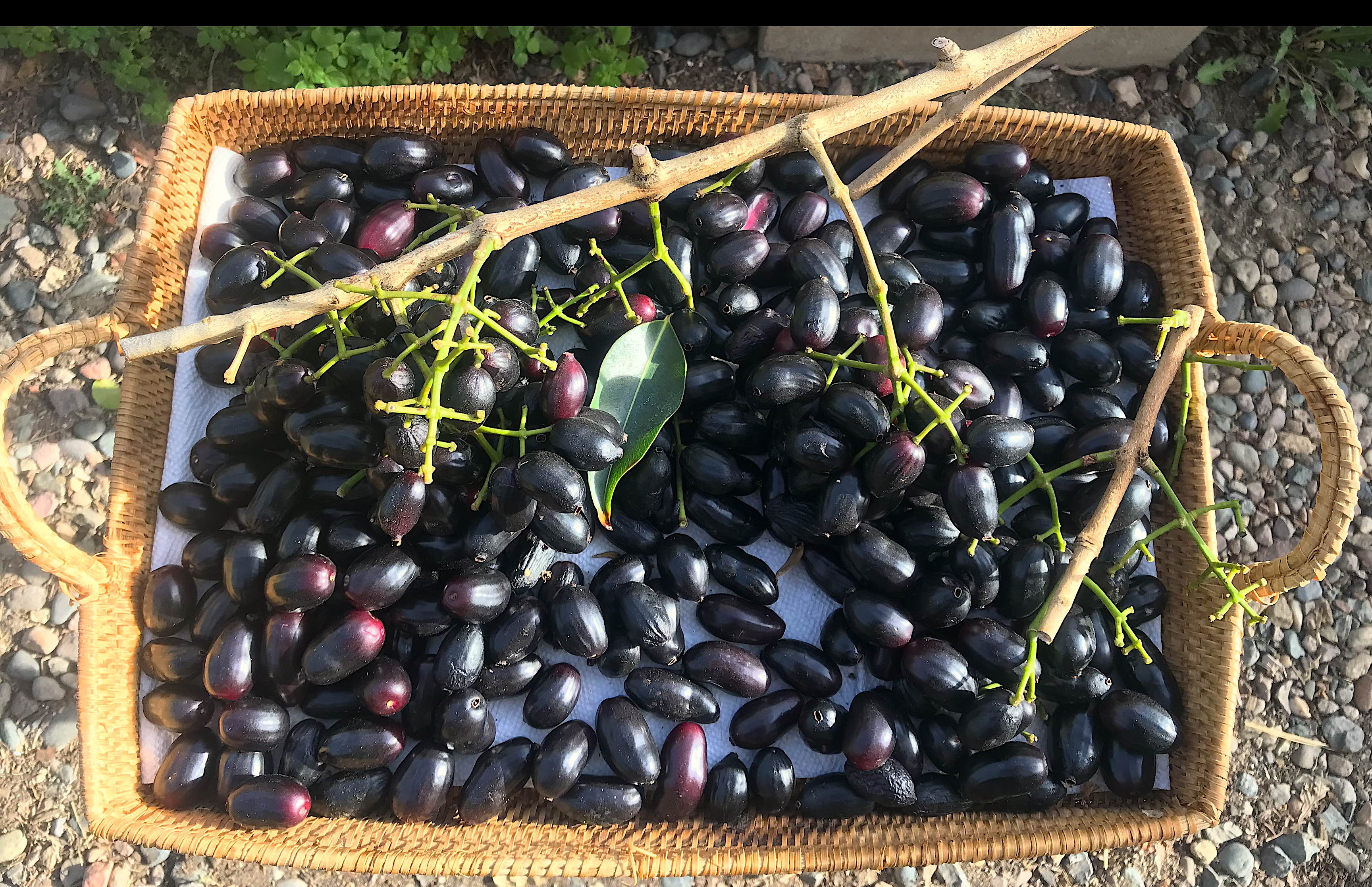
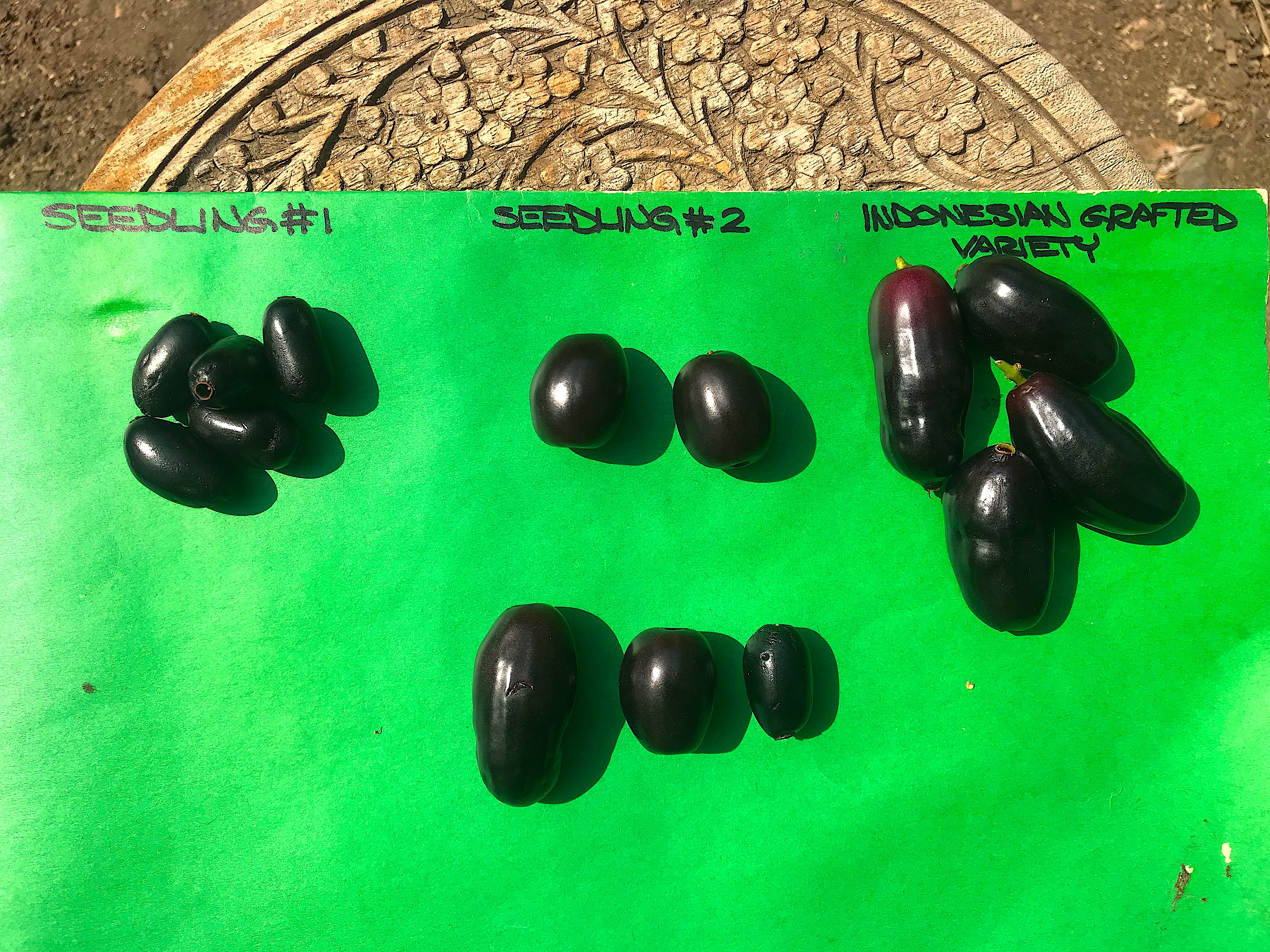
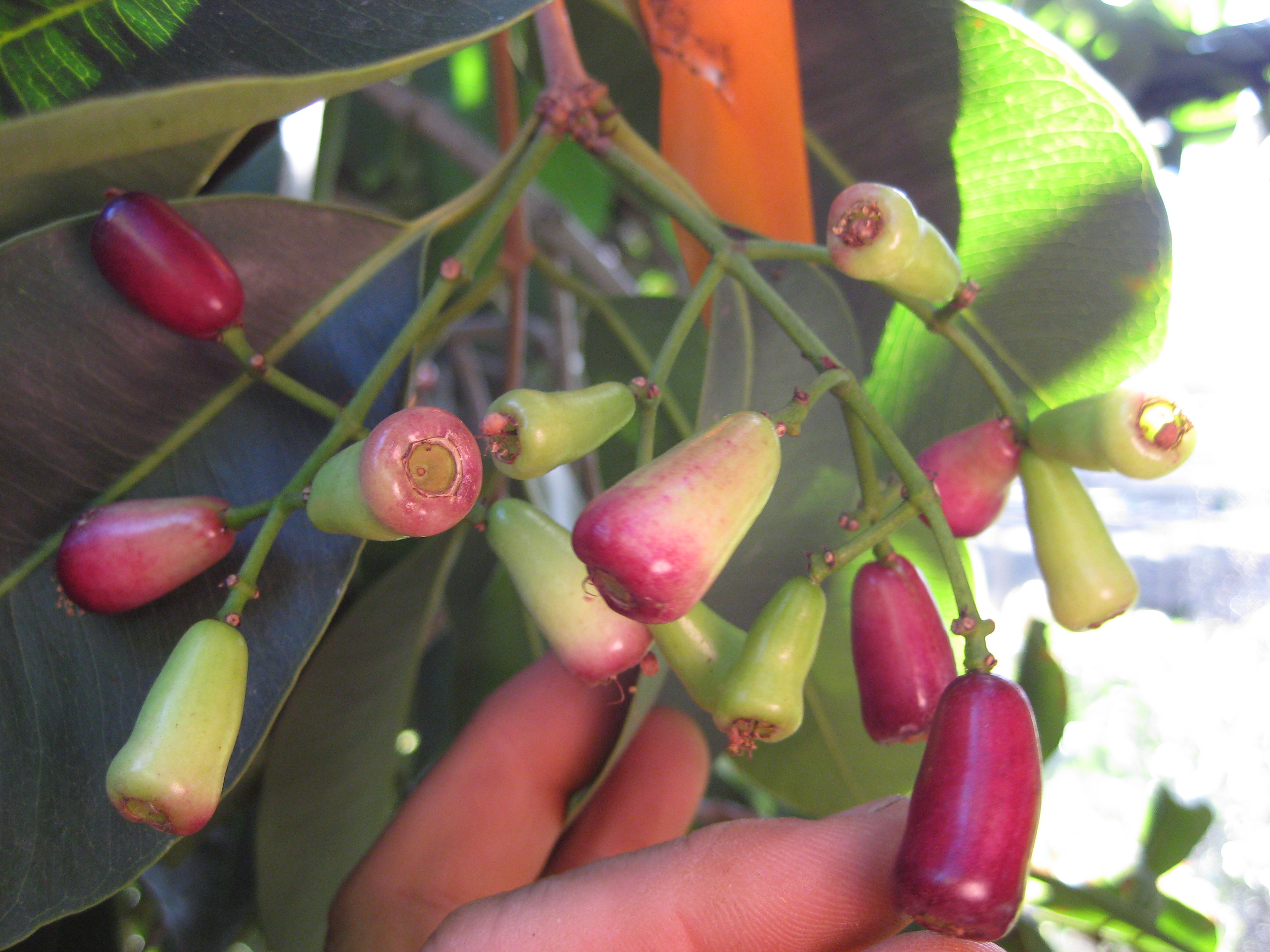
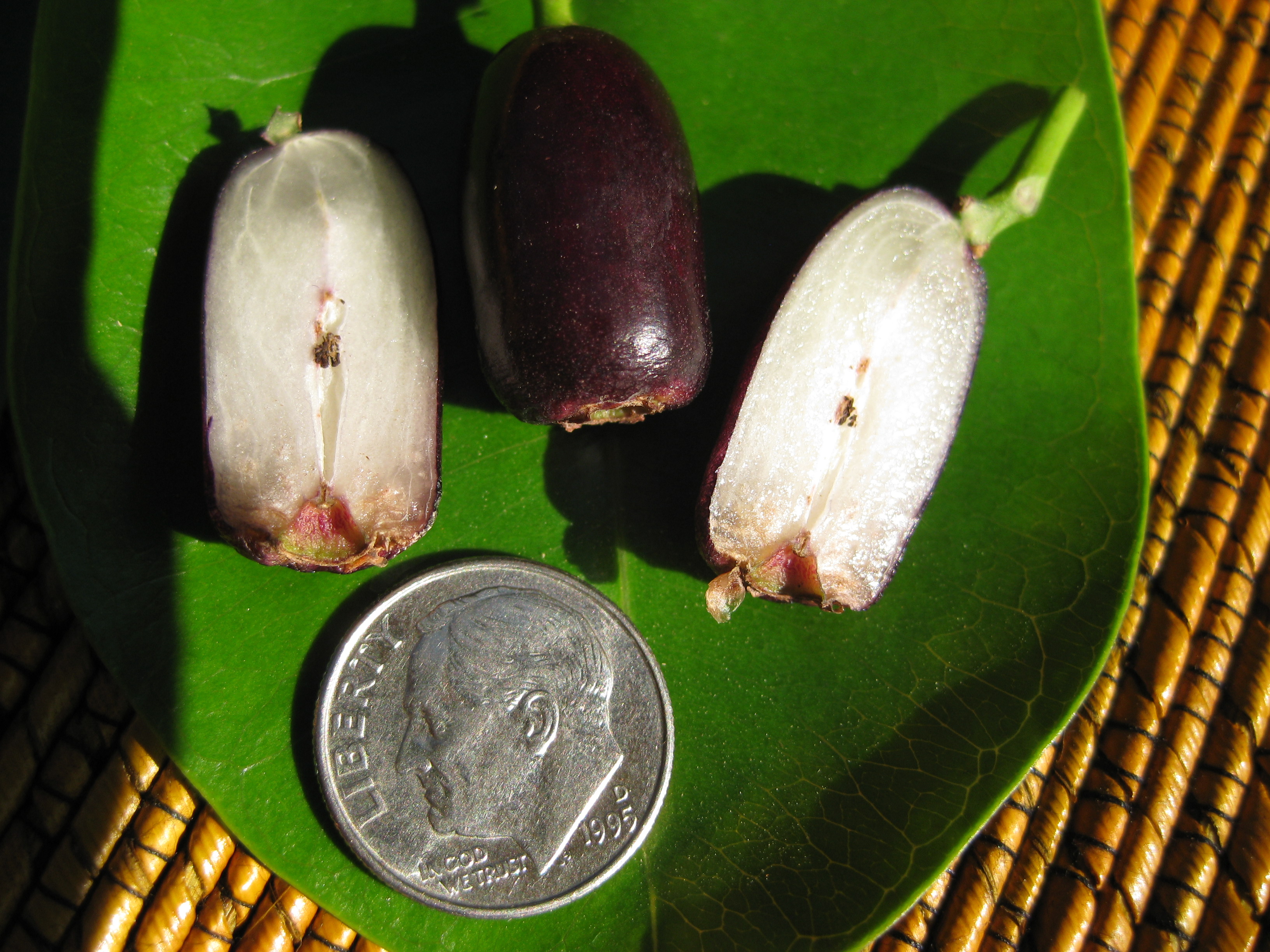
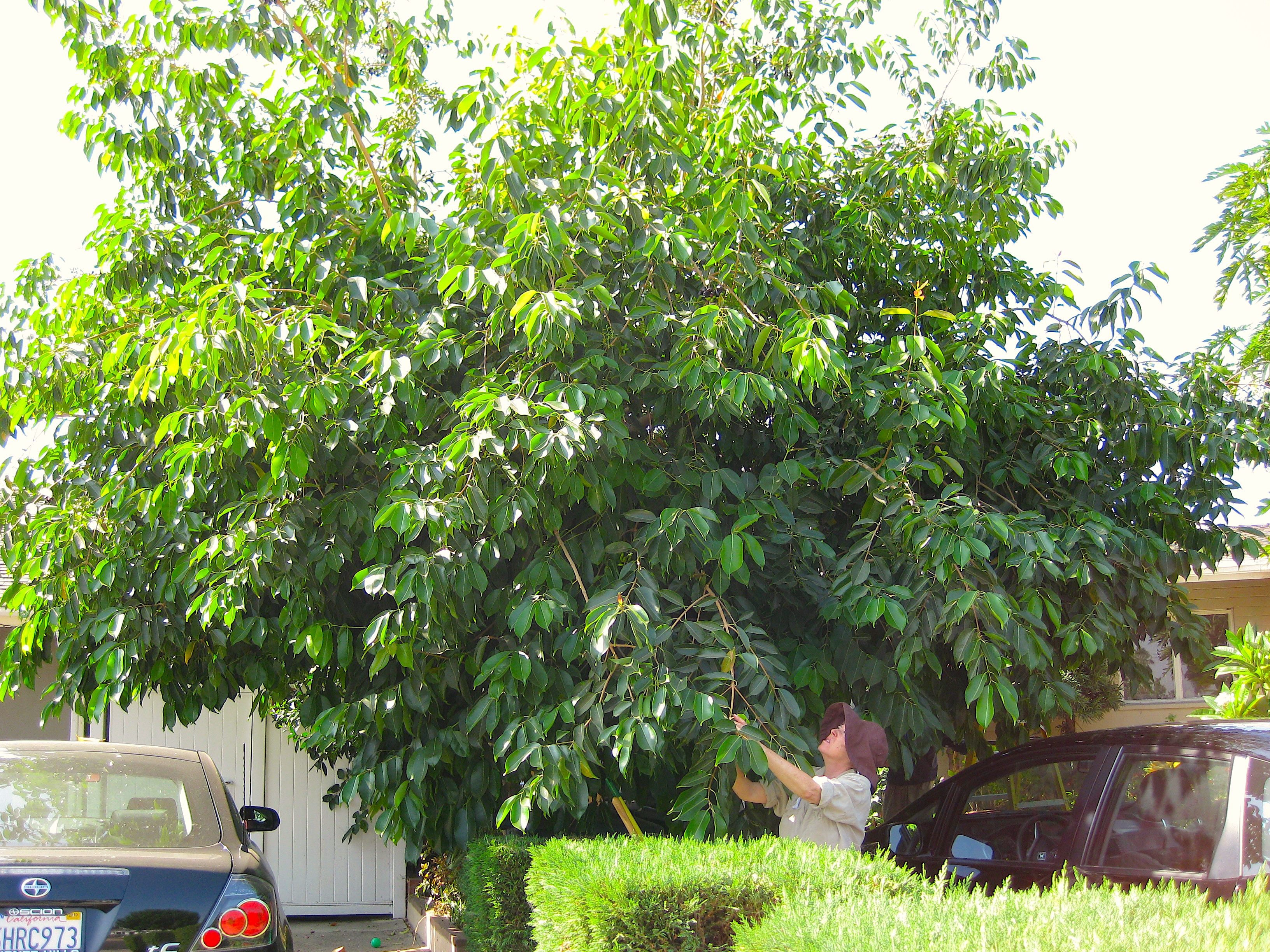
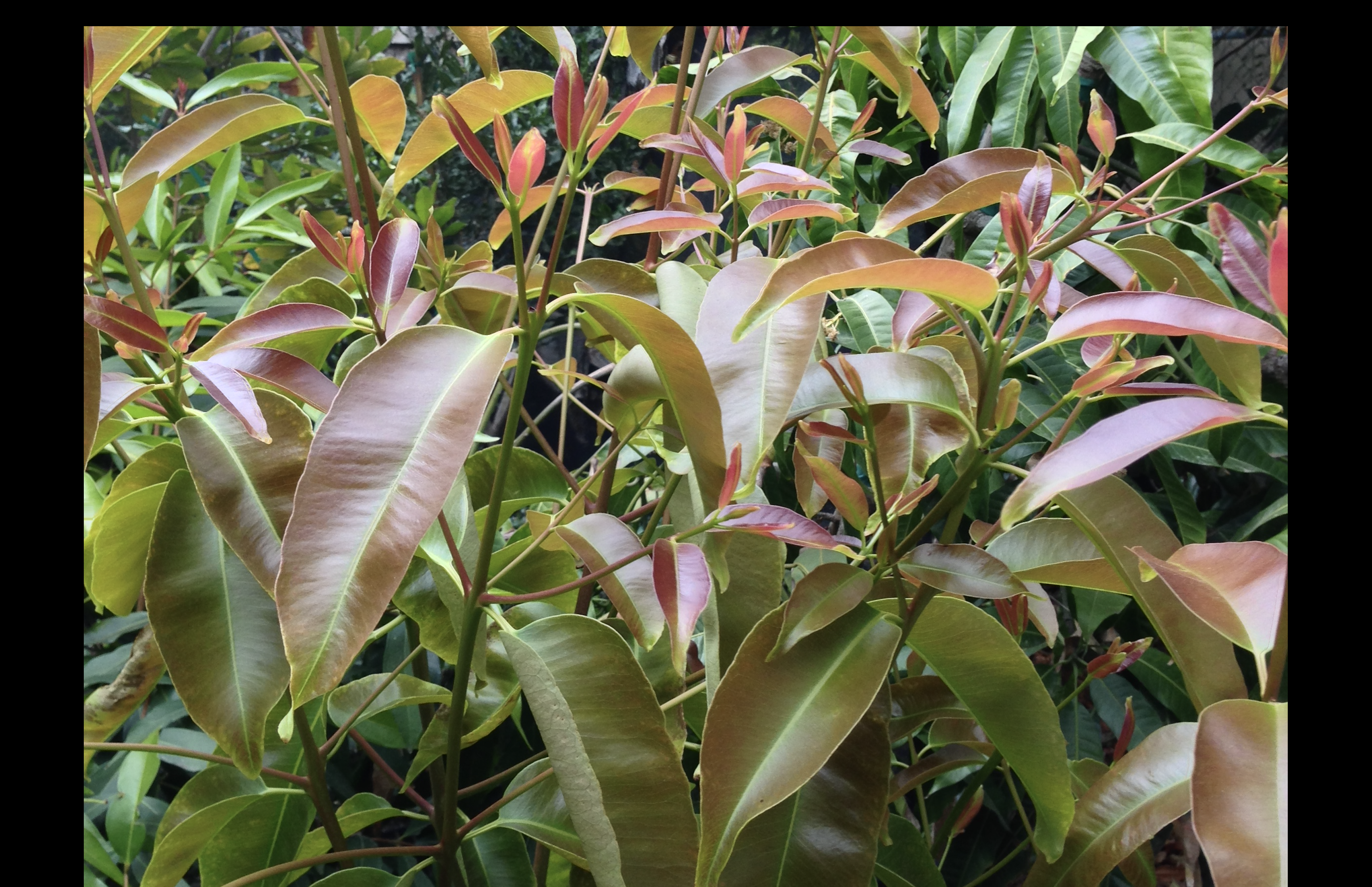
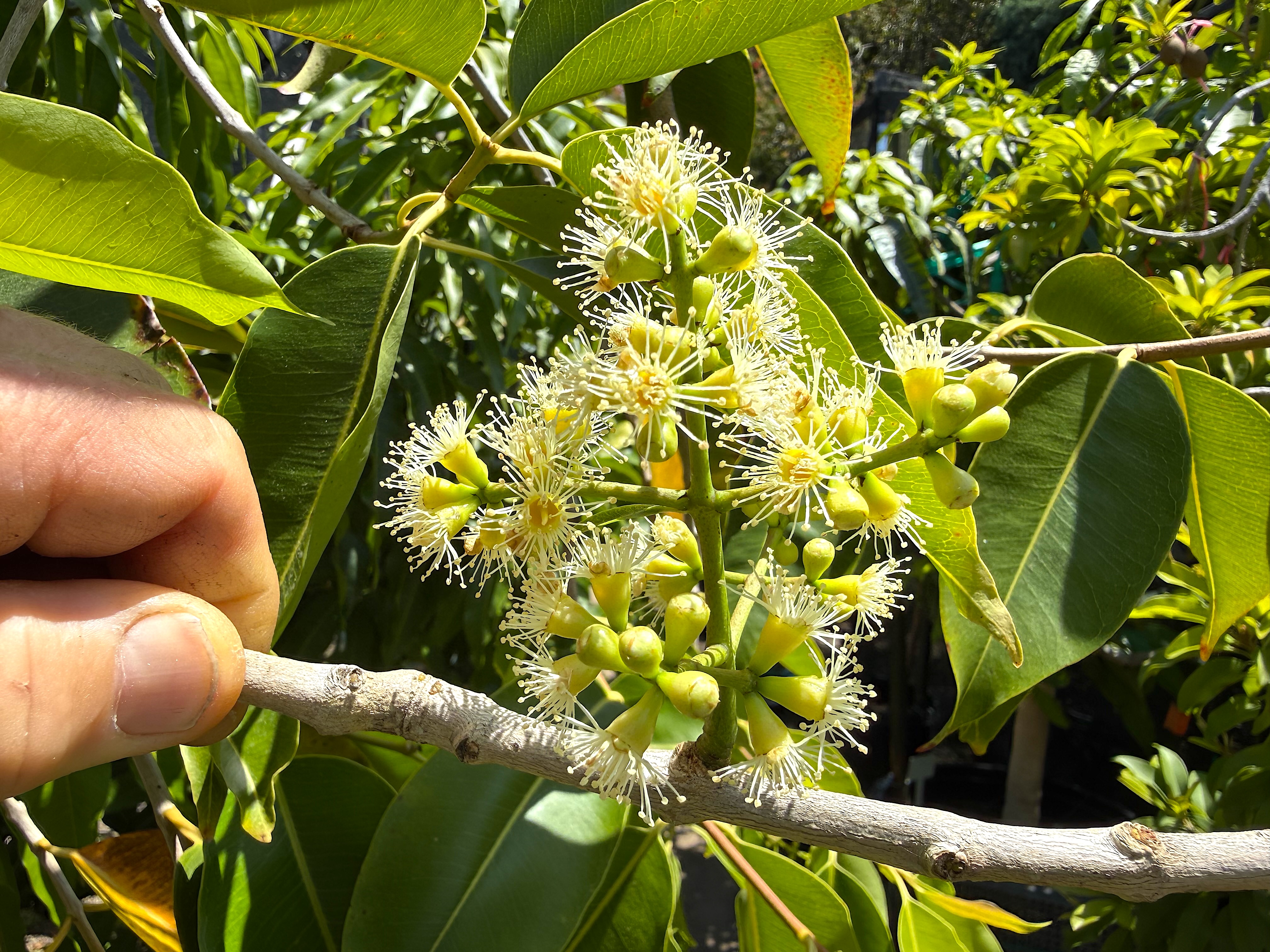
The Jambolan, also known as Kala Jamun, Java Plum, or simply Jamun, is a handsome, evergreen tree with a native range extending throughout the Indian subcontinent, including India, Sri Lanka, Bangladesh, and parts of Myanmar. Revered for centuries throughout tropical Asia, this species has long held both cultural and practical significance, frequently planted near villages, temples, roadways, and homesteads for its dense shade, ornamental qualities, and flavorful fruit. Over time, the tree spread throughout Southeast Asia and eventually into tropical and subtropical regions around the world, including parts of Africa, the Caribbean, Central America, Florida, and Hawaii. The Jambolan is characterized by a dense canopy of glossy-green foliage and a relatively symmetrical growth habit, making it an attractive shade tree as well as a fruit-bearing specimen. During the flowering season, the tree produces clusters of small, creamy-white blossoms which are lightly fragrant and attractive to pollinators. These are followed by oblong fruits which mature from green to pink, then eventually to a deep purple-black color at full ripeness. The fruit itself is smooth-skinned and somewhat comparable in size to a large olive or small plum. There is considerable variability among seed-grown trees regarding fruit size, sweetness, pulp content, ability to produce fruit and degree of astringency. Improved selections have been chosen for larger fruit size, reduced seed content, sweeter flavor, and enhanced eating quality. The flesh is juicy and ranges from purple to nearly white depending upon the selection. The flavor is often described as a unique blend of sweet and mildly subacid, with grape or berry-like qualities. Commonly, wild selections possess enough astringency to create a slightly puckering sensation when consumed fresh, while selected, grafted cultivars can become richly sweet when fully ripened. The fruit is most commonly eaten fresh out of hand, though it is also widely utilized in beverages, preserves, jams, syrups, wines, desserts, and frozen treats. In India particularly, the fruit has a long history of culinary and traditional medicinal usage. Once established, the tree is relatively hardy, adaptable, and capable of tolerating periods of drought, seasonal rainfall fluctuations, and a variety of soil conditions. While seed-grown trees may eventually attain a fairly large size, grafted and selected forms can be considerably more manageable and productive for the home grower. With its attractive evergreen foliage, ornamental branching structure, colorful fruit display, and flavorful fruit, the Jambolan deserves consideration as both a practical and visually appealing addition to the subtropical or tropical home landscape. |