| Also found in other Regions |
California, Florida, Indonesia, Malaysia, Thailand, Vietnam, Philippines, Tropical Africa, The Caribbean |
| Description |
The Jackfruit is a large, attractive, evergreen tree with a native range extending from the rainforests of southwestern India, particularly along the Western Ghats, and into parts of Bangladesh and Sri Lanka. It has been cultivated in this region for thousands of years and is considered one of the oldest domesticated fruit trees in tropical Asia. Over centuries, the jackfruit spread throughout Southeast Asia, where it became an important staple in countries such as Thailand, Malaysia, Indonesia, and the Philippines. In more recent times, it has been introduced into tropical regions around the world, including parts of Central and South America, the Caribbean, Africa, and even subtropical areas such as Southern Florida and Hawaii.
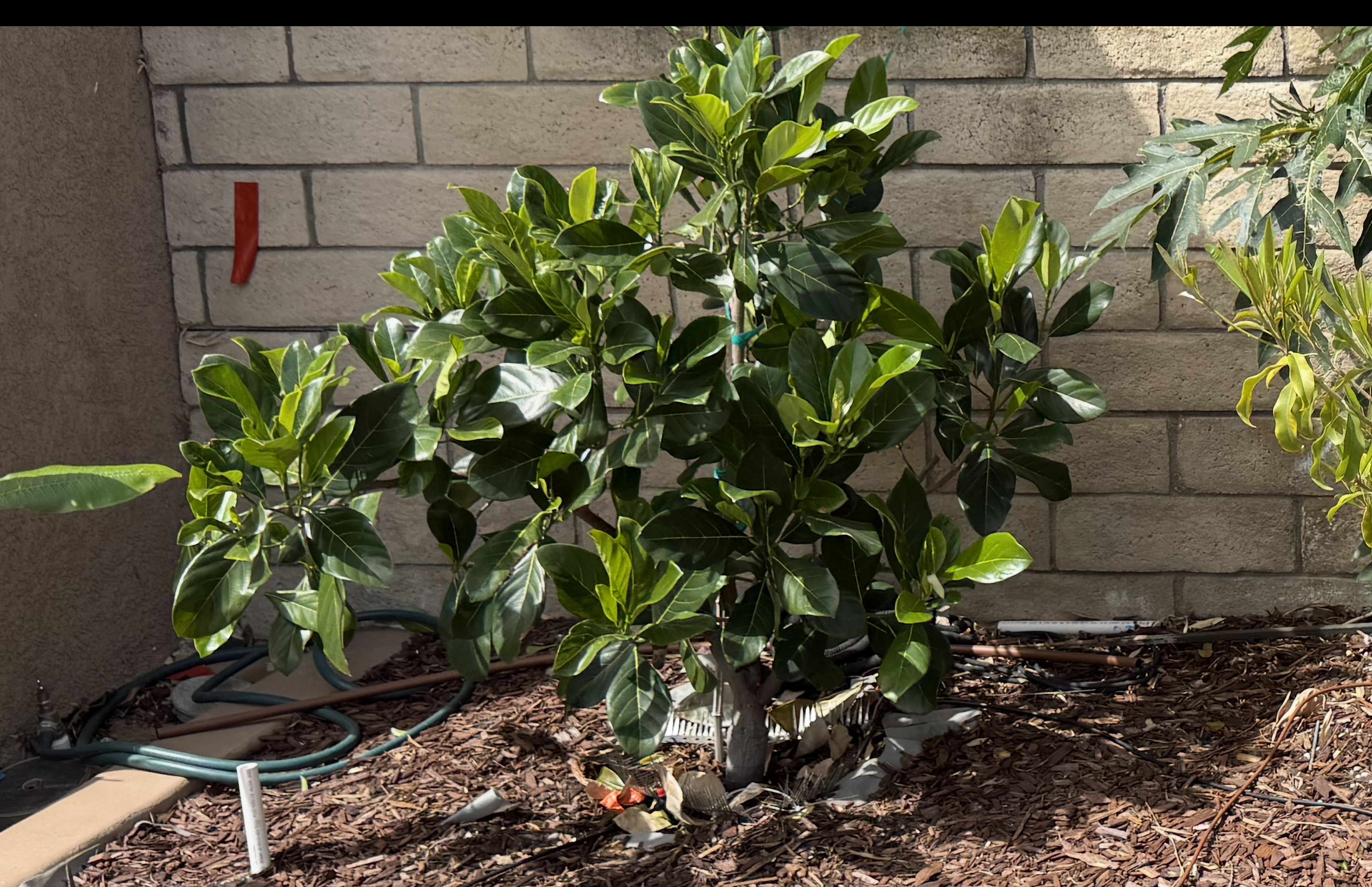
For the purpose of clarification, this description will distinguish between the traditional, seed-grown jackfruit trees and the more recently developed, asexually propagated dwarf selections. Wild or seedling-grown jackfruit trees are known for their vigorous growth habit, often reaching heights in excess of 30 feet with a broad, spreading canopy. While impressive in stature, these larger trees can present challenges for the home grower due to their size and the difficulty associated with harvesting the relatively large fruit.
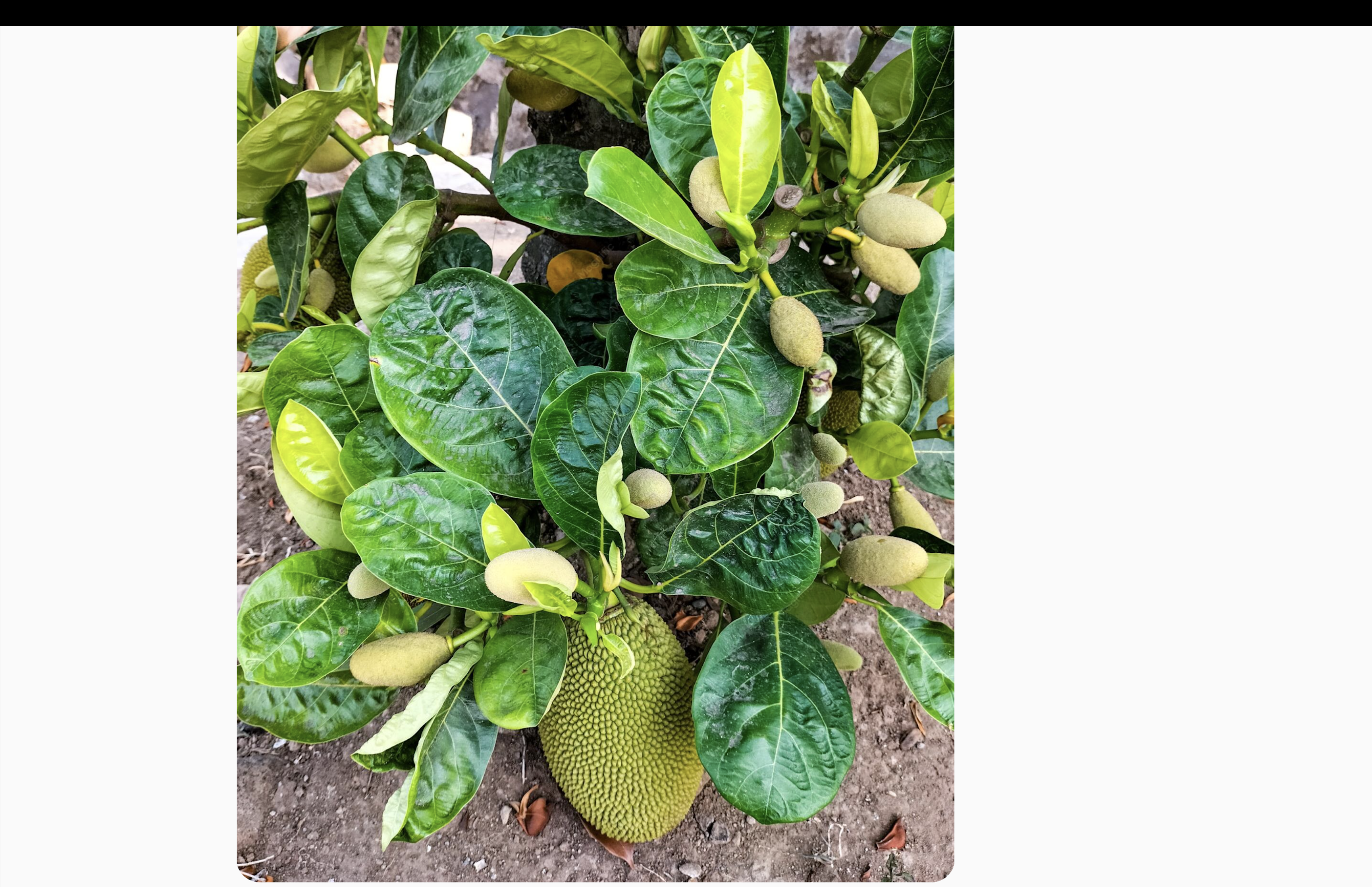
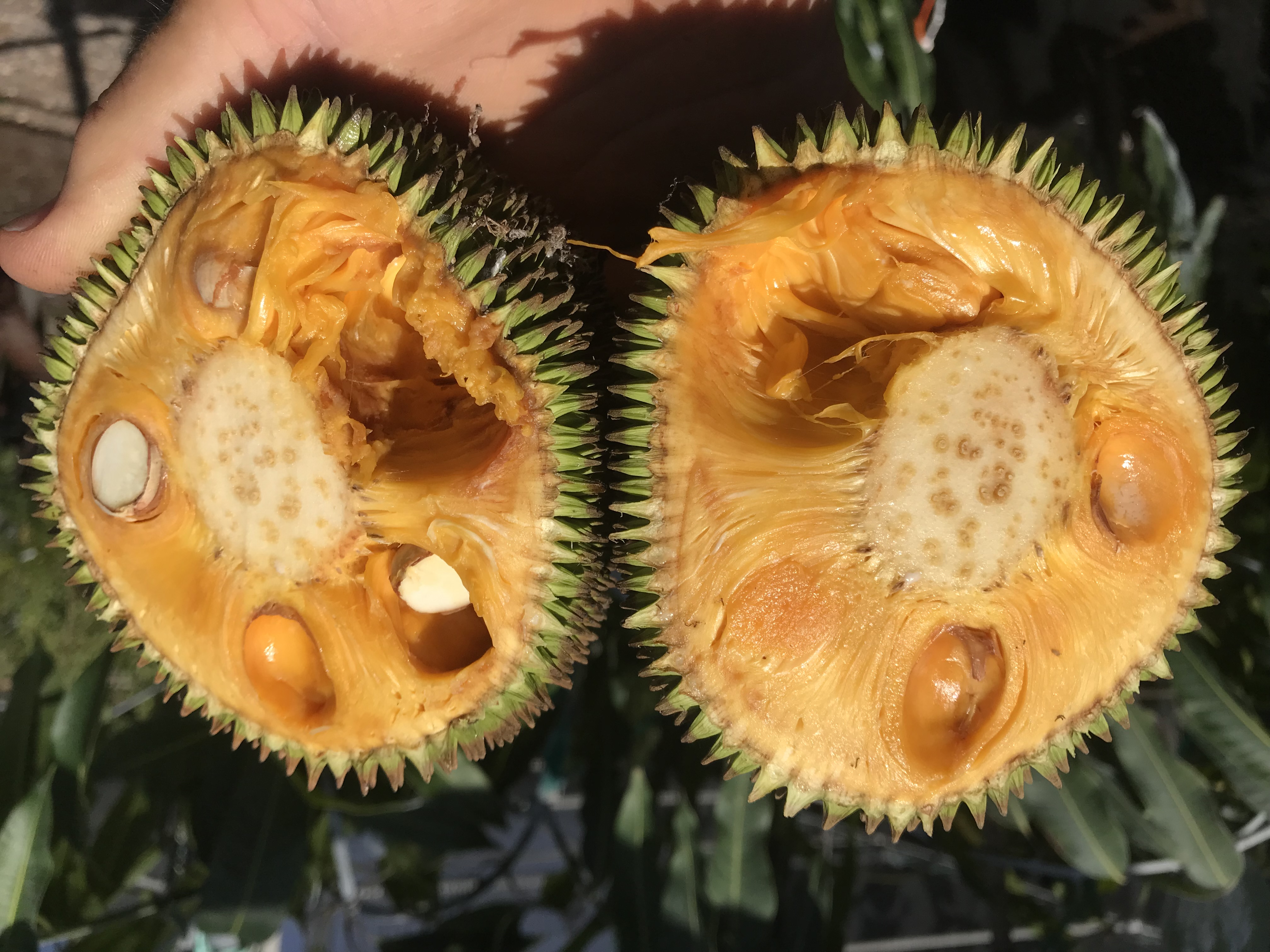
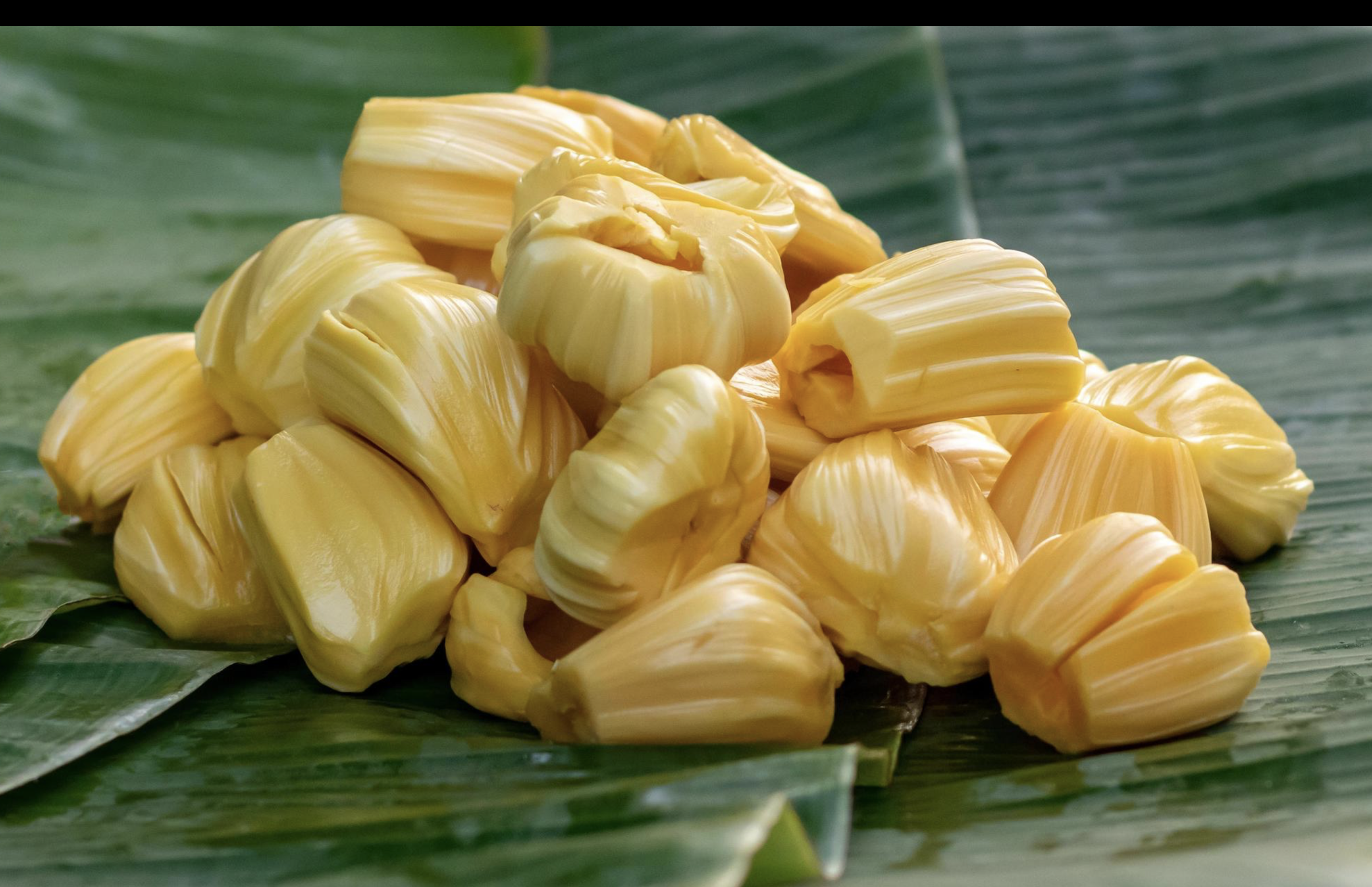
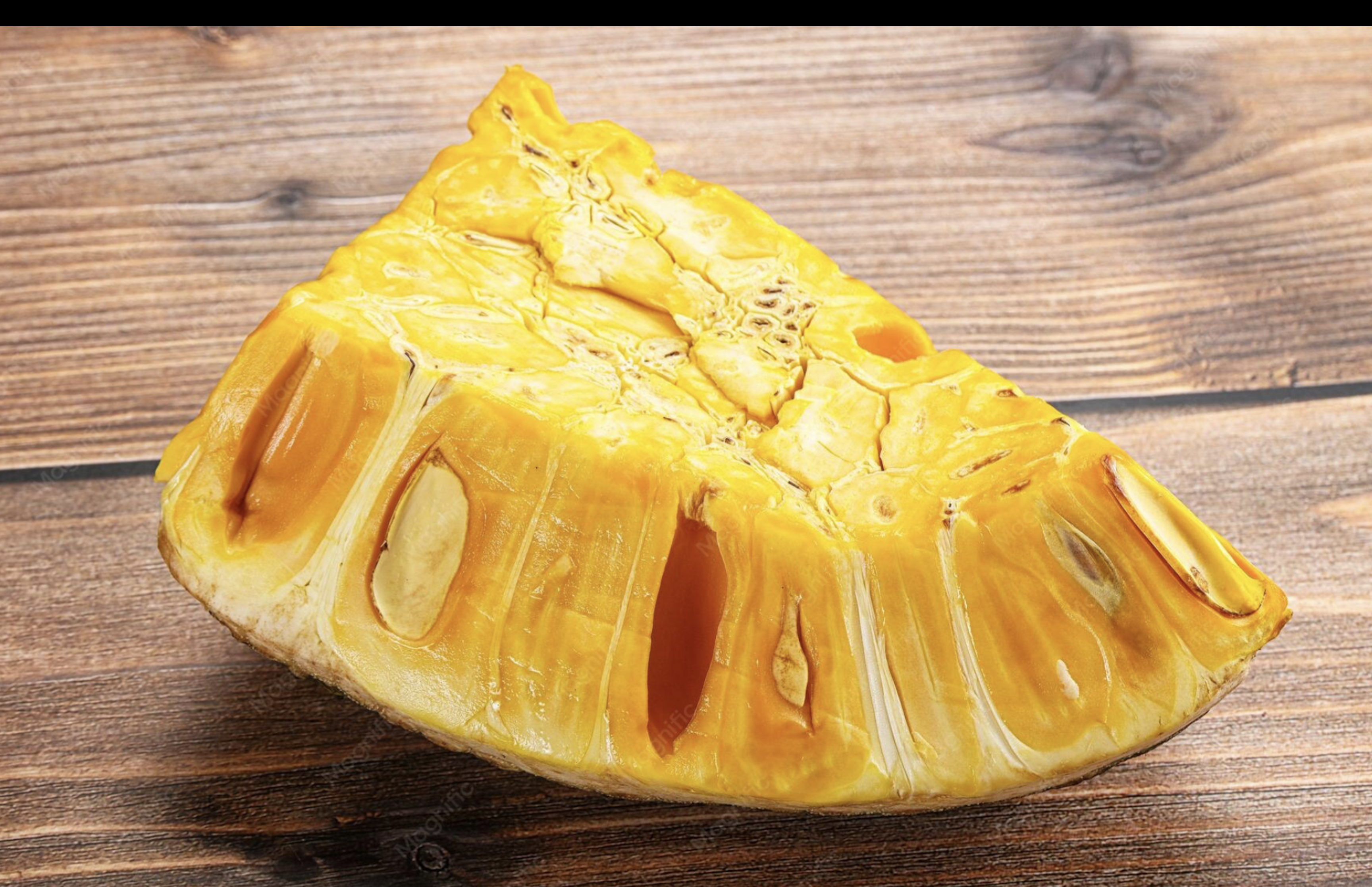
Now for the fruit itself: The jackfruit is the largest tree-borne fruit in the world, with individual fruits commonly weighing between 20 to 60 pounds, and in some cases considerably more. The exterior consists of a thick, green to yellow, bluntly spiny rind, while the interior is composed of numerous fleshy bulbs surrounding large seeds. There is considerable variability in both texture and flavor among different selections, with some types exhibiting a firmer, crisp texture, while others are softer and more melting. The flavor is often described as a blend of banana, pineapple, and mango, with a pronounced sweetness and a “tutti-frutti”-like tropical aroma.
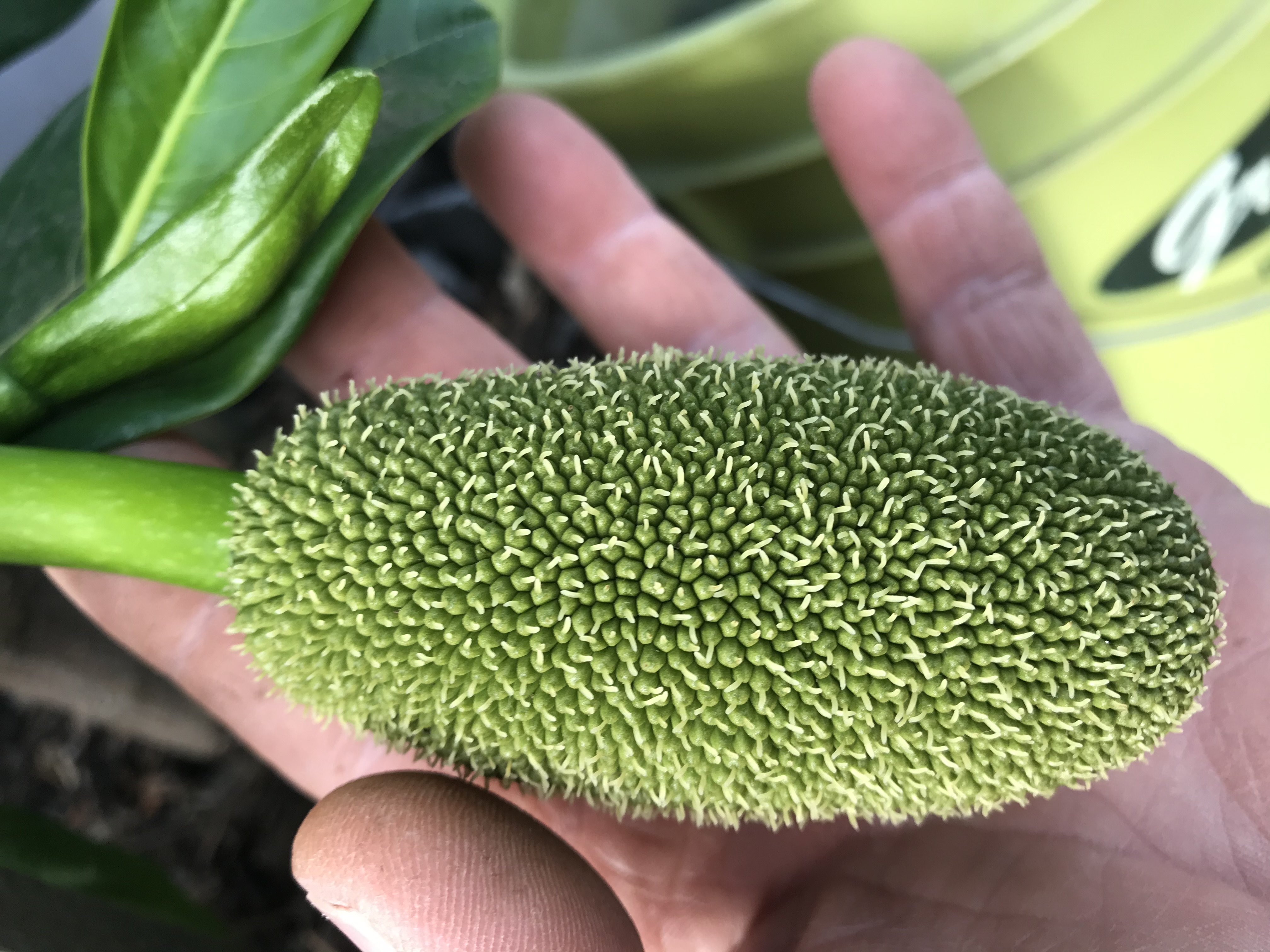
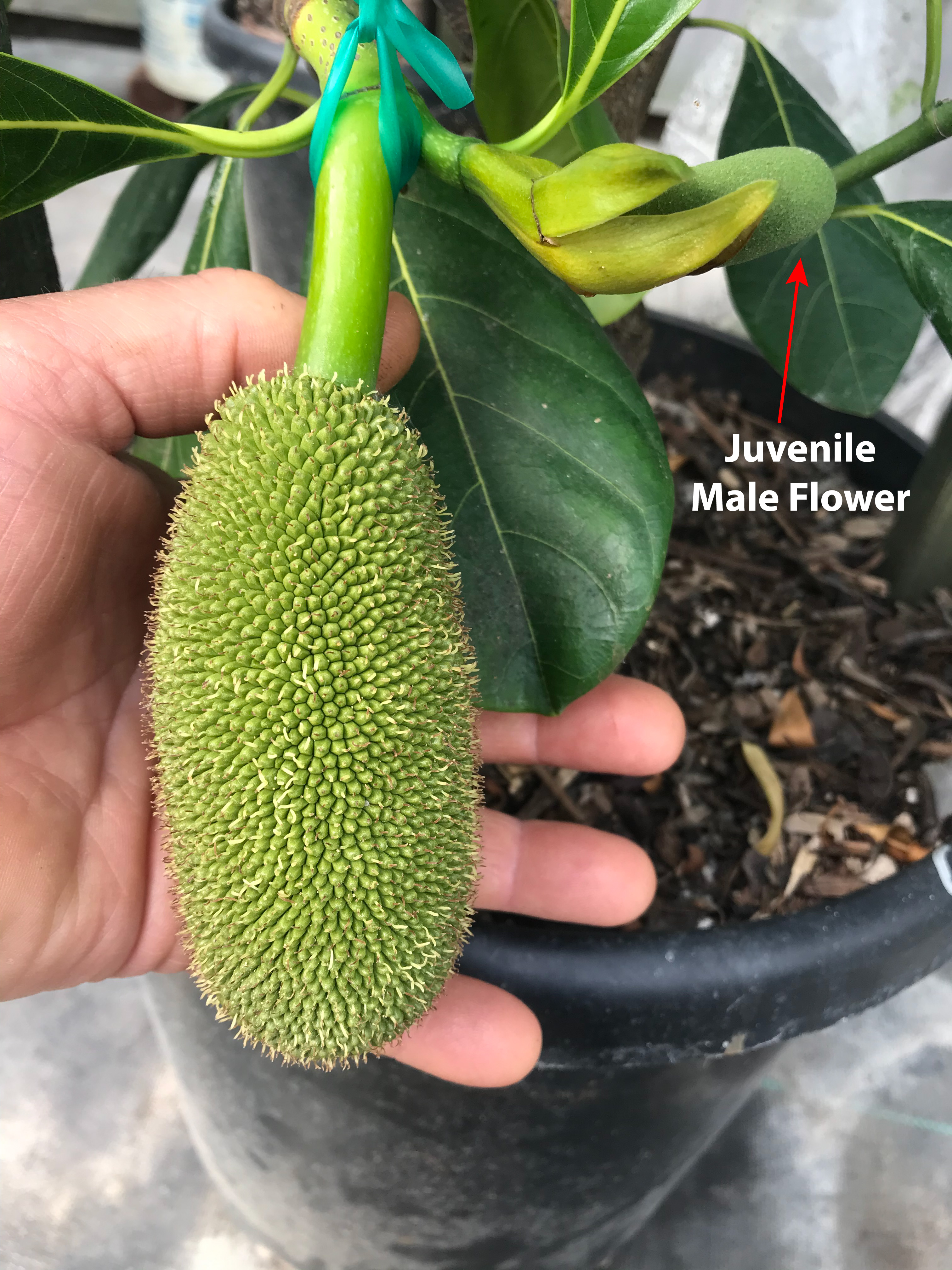
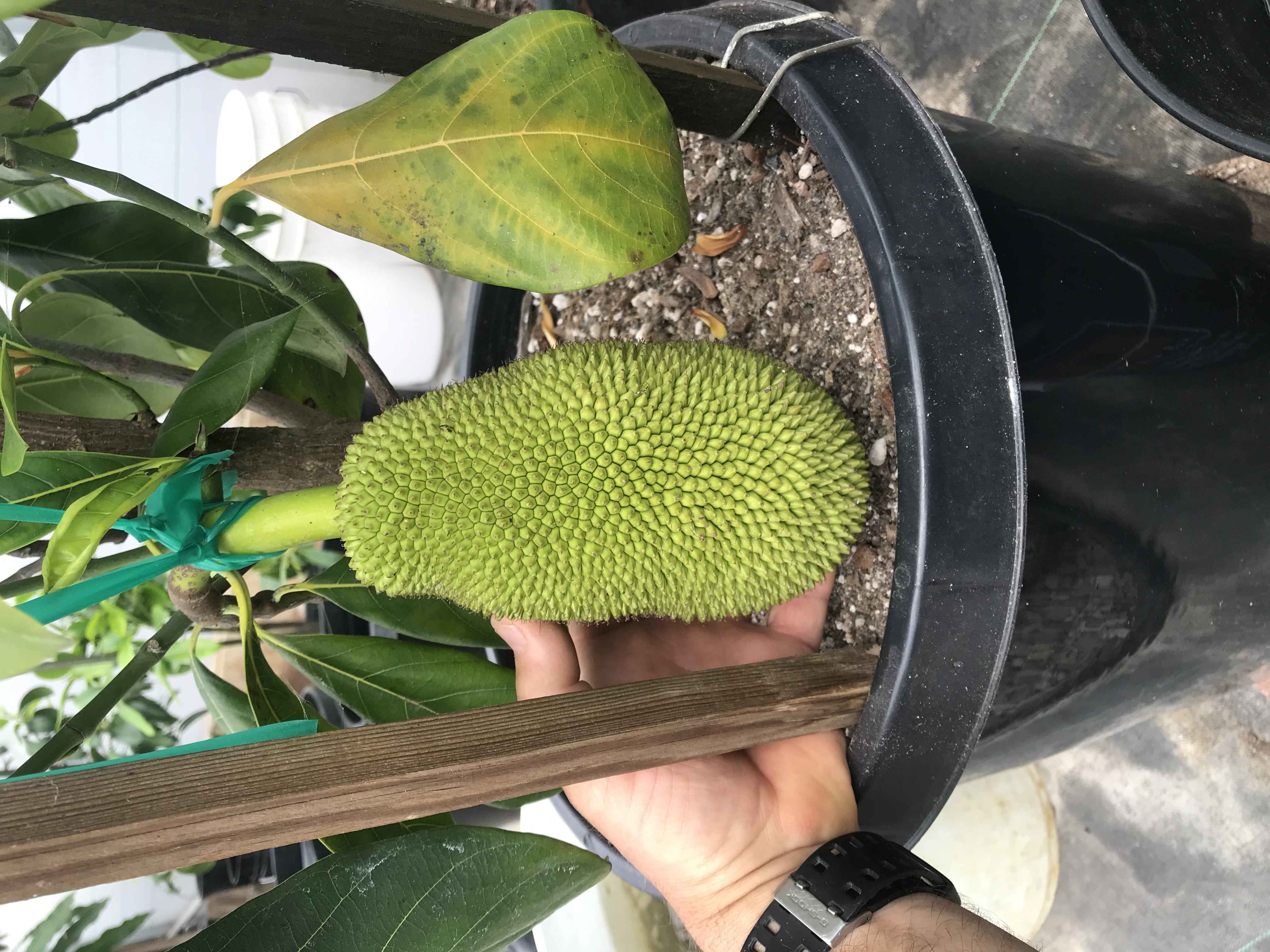
The common association of jackfruit as a cumbersome, oversized fruit from an equally large tree is largely based on these traditional forms. However, in recent years, there has been a growing interest in improved, grafted selections that offer significant advantages over their seedling counterparts. These newer dwarf varieties can maintain a much more manageable height, often in the range of approximately 8 to 10 feet, making them far more suitable for smaller landscapes and possibly even container culture. In addition to their reduced size, these improved selections have been chosen for improved adaptability and superior fruit quality, including improved flavor, enhanced texture, a higher percentage of edible portion, and more consistent production.
The fruit is most commonly consumed fresh, with the sweet bulbs eaten out of hand. It is also widely used in a variety of culinary applications, both sweet and savory. In many cultures, the immature fruit is cooked and used as a vegetable, often serving as a meat substitute due to its fibrous texture, while the ripe fruit is incorporated into desserts, beverages, and preserves.
So while the traditional jackfruit tree may be best suited for larger properties or tropical landscapes, the newer dwarf selections offer a practical and rewarding alternative for the home grower. If you are looking to add a truly unique and impressive fruit tree to your collection—without the challenge of managing a full-sized tree—the dwarf jackfruit may prove to be a particularly worthwhile addition. |