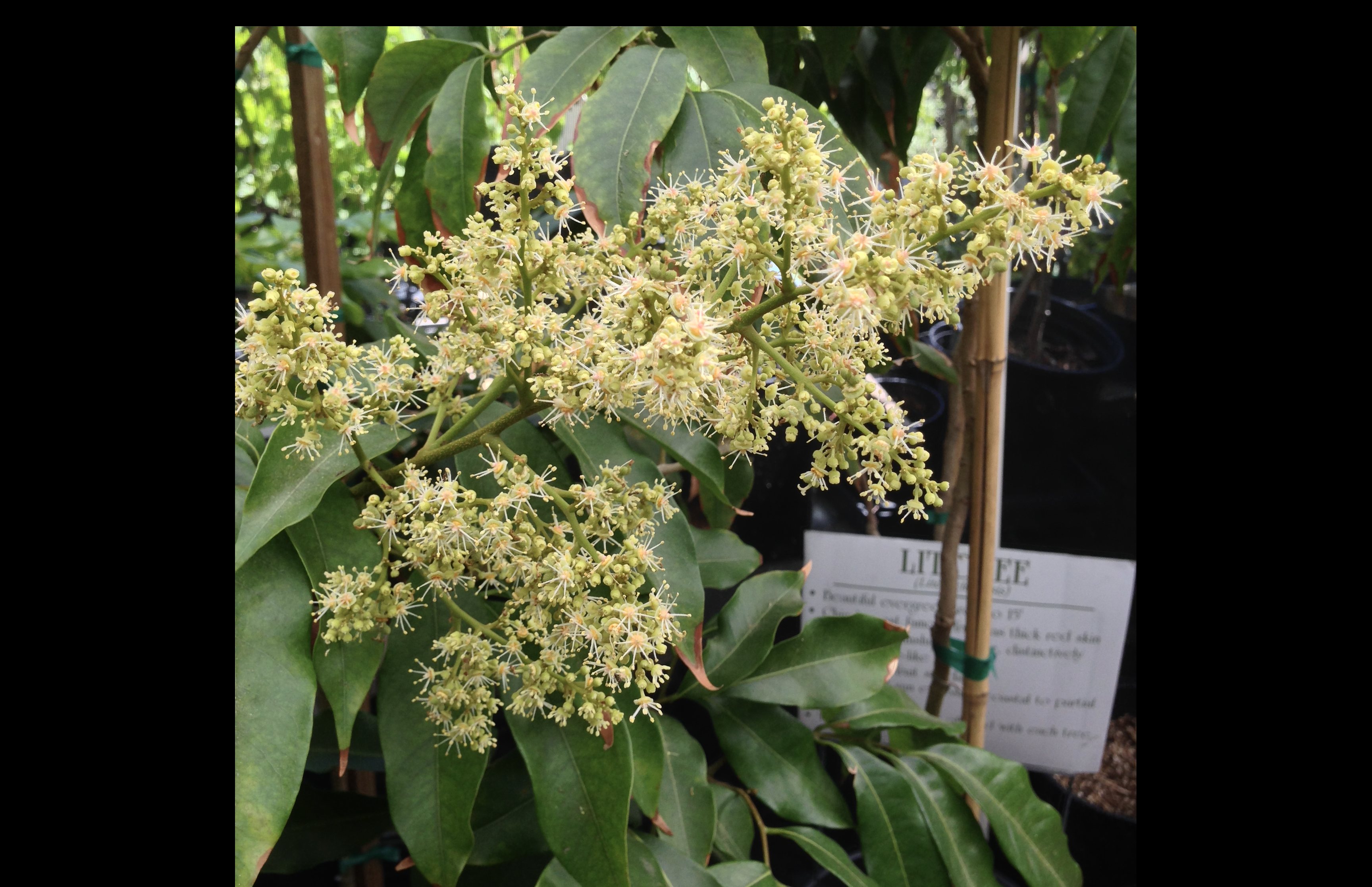
| Also found in other Regions |
Africa, The Americas, Australia, California, Florida, India, Malaysia, Thailand, Vietnam |
| Description |
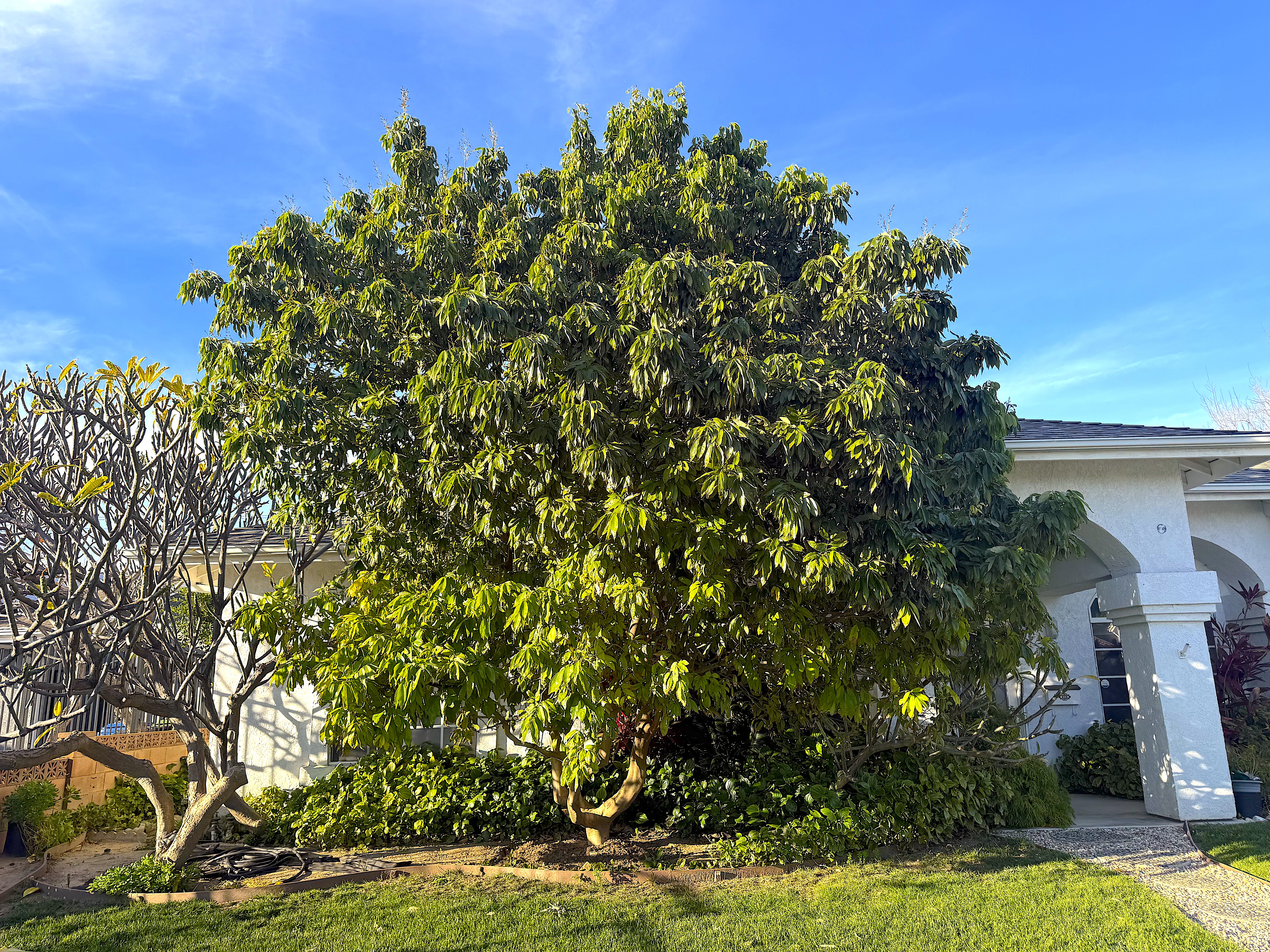
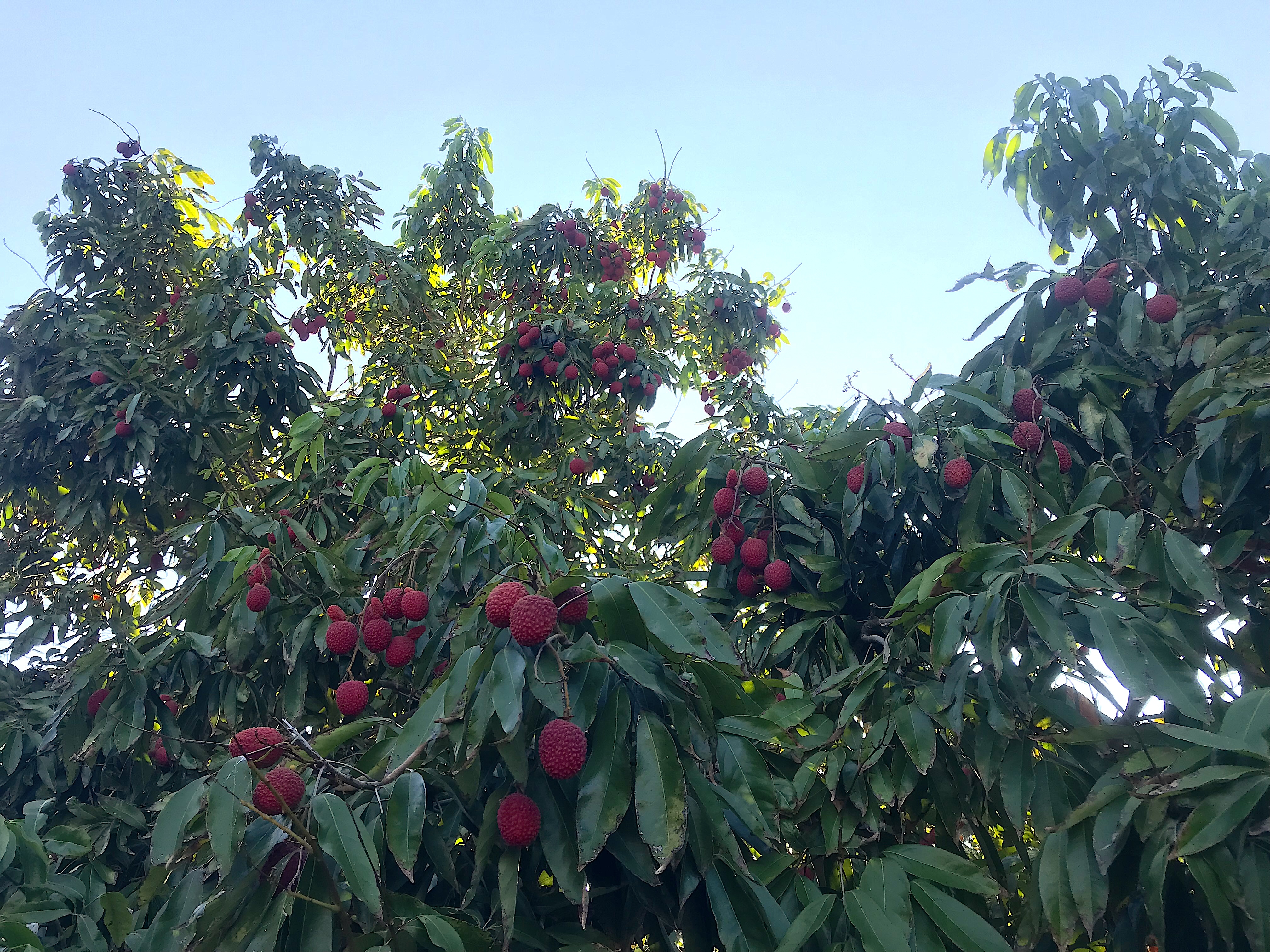
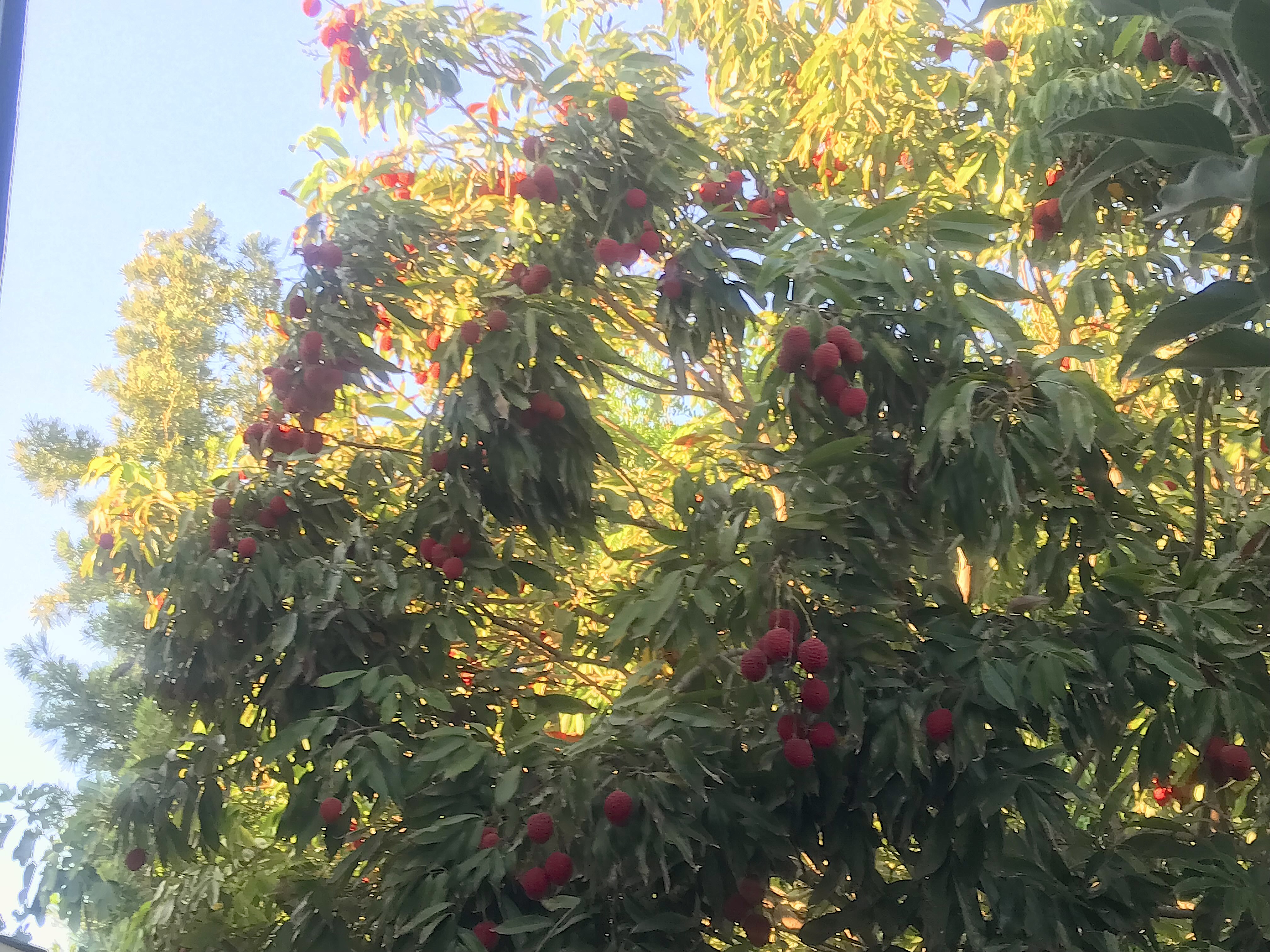
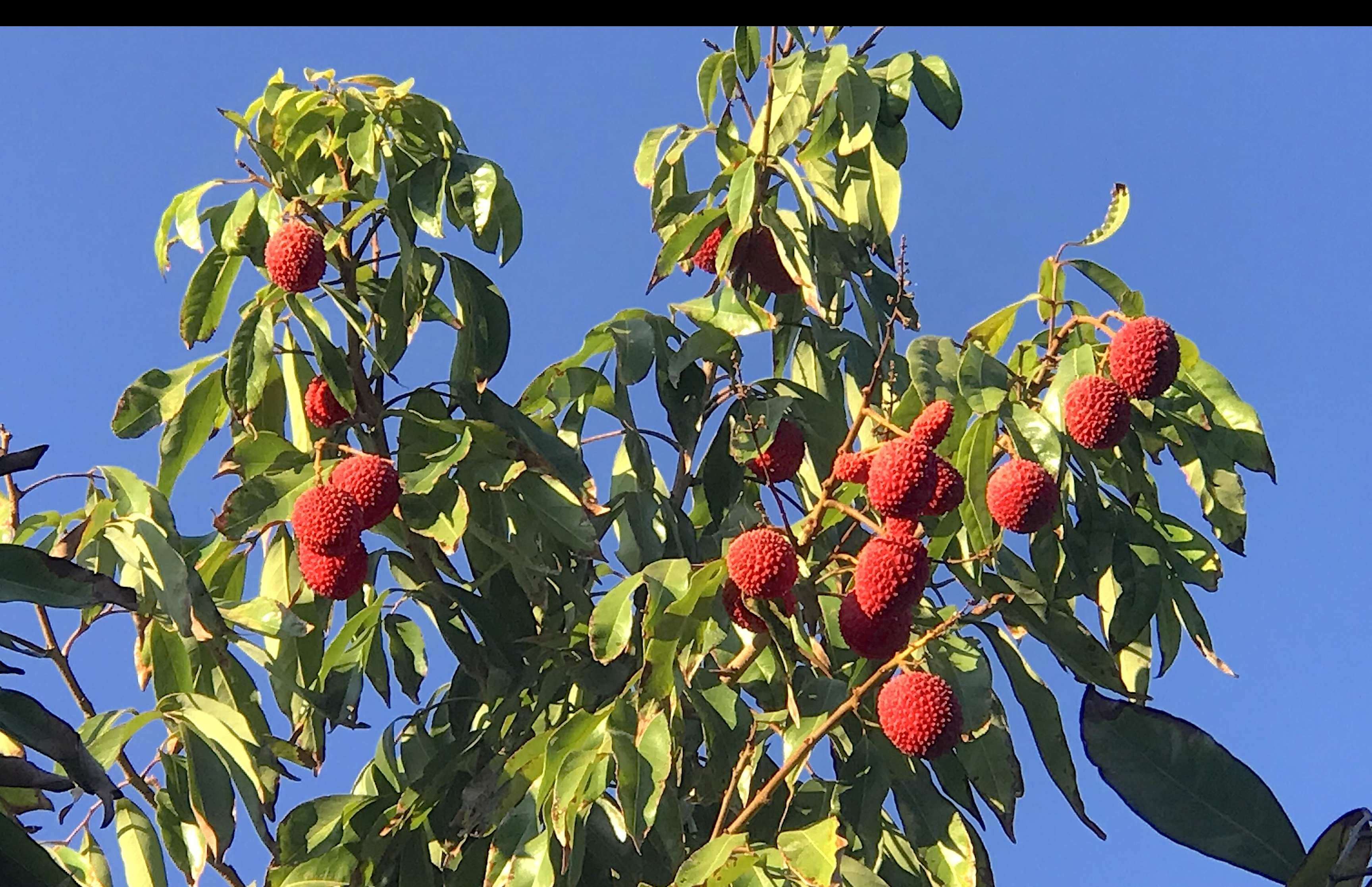
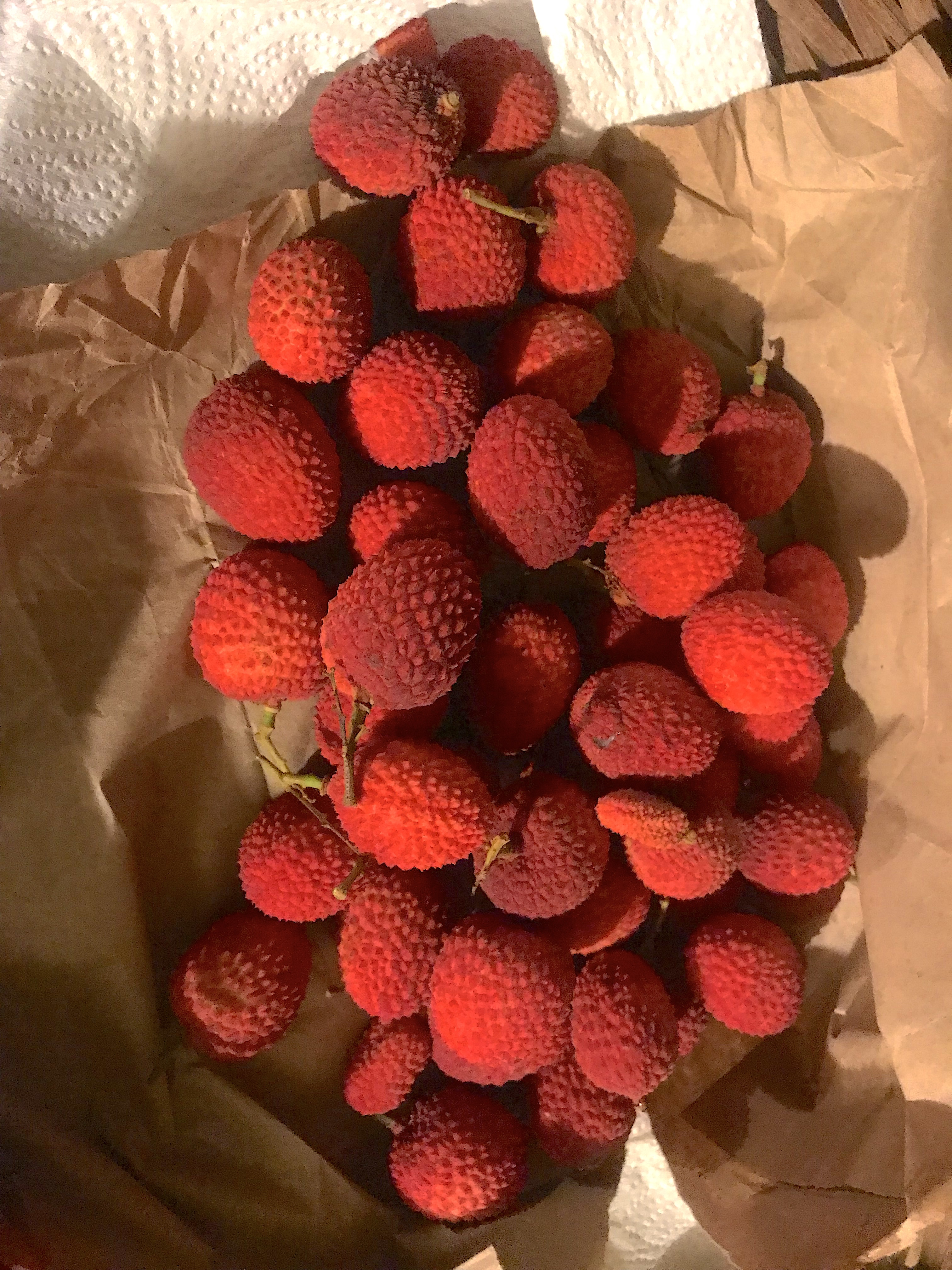
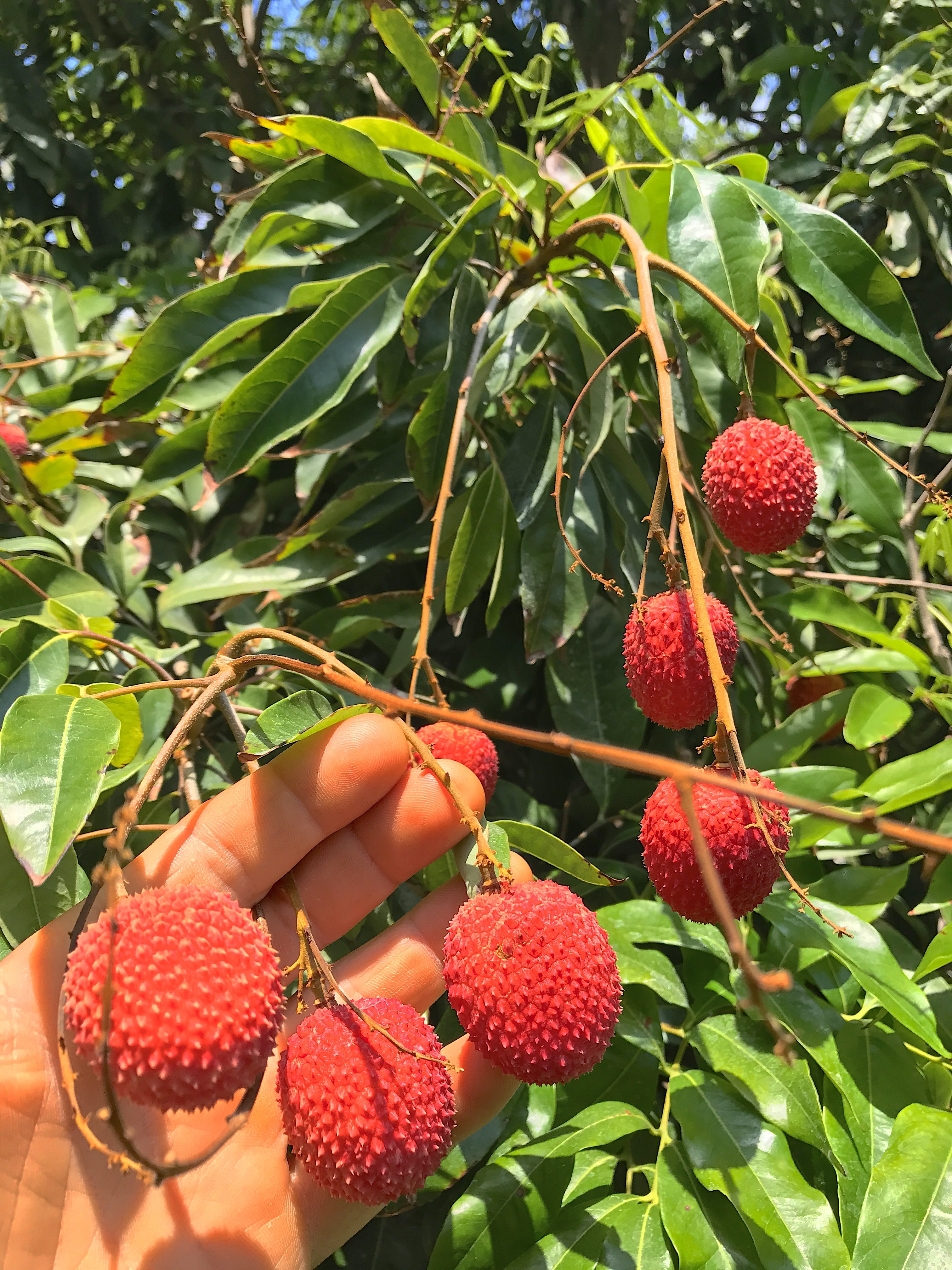
The subtropical lychee is an evergreen, medium-sized tree with a native range including the following provinces of southern China (Fujian, Guangdong, Guangxi, Hainan, and Yunnan), and extending out towards northern Vietnam. This relatively famous fruit has a long history of being cultivated in southern China for over 2,000 years, and only in the last few centuries has it been distributed to southeastern Asia, India, the West Indies, Hawaii, Florida, and California. The eye-catching, red-colored fruits are borne singly or in clusters often located towards the branch terminals. When close to peak ripeness, these red clusters of fruit cause the branches to temporarily drape along the perimeter of the tree's canopy, making for a spectacular showcase that is something to behold. The individual fruit size typically ranges from 3/4" to 1 1/4" diameter and up to 2" long although smaller sizes are more typical in less than ideal growing conditions. SImilar to the closely-related longan, the lychee's shell-like skin requires peeling to expose the juicy, semi-translucent or sometimes light-pinkish pulp surrounding a single large seed. Some desired varieties have a much smaller, undeveloped and somewhat shriveled seed commonly referred to as "chicken tongue seed" and usually command a premium on the commercial market because of the improved seed to flesh, edible portion ratio. The fruit is most commonly consumed fresh out-of-hand yet can also be pureed and blended with dairy in an ice cream, as a cake filling, sliced for fruit salads, blended with gelatin and other fruits such as strawberries, blueberries... as a translucent topping to a tart or similar dessert, dried and added to hot tea as a sugar substitute. My personal favorite way to consume fresh, high-quality lychee is only after they are immediately frozen whole(skin and all) for one day, then allowed to slightly thaw in lukewarm water for a few seconds (which facilitates the peeling of the top half of the skin while avoiding any loss of the juice), and then you can squeeze the whole fruit out of the bottom half of the skin to enjoy popsicle-like, slightly crystallized lychees that I hesitantly say is more desirable than fresh. Some of the same challenges to growing the lychee tree are encountered growing the avocado tree, so if you have successfully planted and grown a grafted avocado tree and are up to the challenge, consider growing a lychee tree in your backyard! |