| Also found in other Regions |
Arkansas, Azores, Baleares, Bolivia, Brazil, California, Canary Is., Colombia, Cyprus, East Himalaya, Ecuador, El Salvador, Florida, France, Galápagos, Georgia, Guatemala, Gulf of Guinea Is., Honduras, India, Italy, Japan, Korea, Louisiana, Marshall Is., Mauritius, Mexico Southeast, Nepal, New South Wales, New Zealand North, Nicaragua, Panamá, Portugal, Queensland, Sicilia, Spain, St.Helena, Taiwan, Thailand, Trinidad-Tobago, Uzbekistan, Vietnam, West Himalaya. |
| Description |
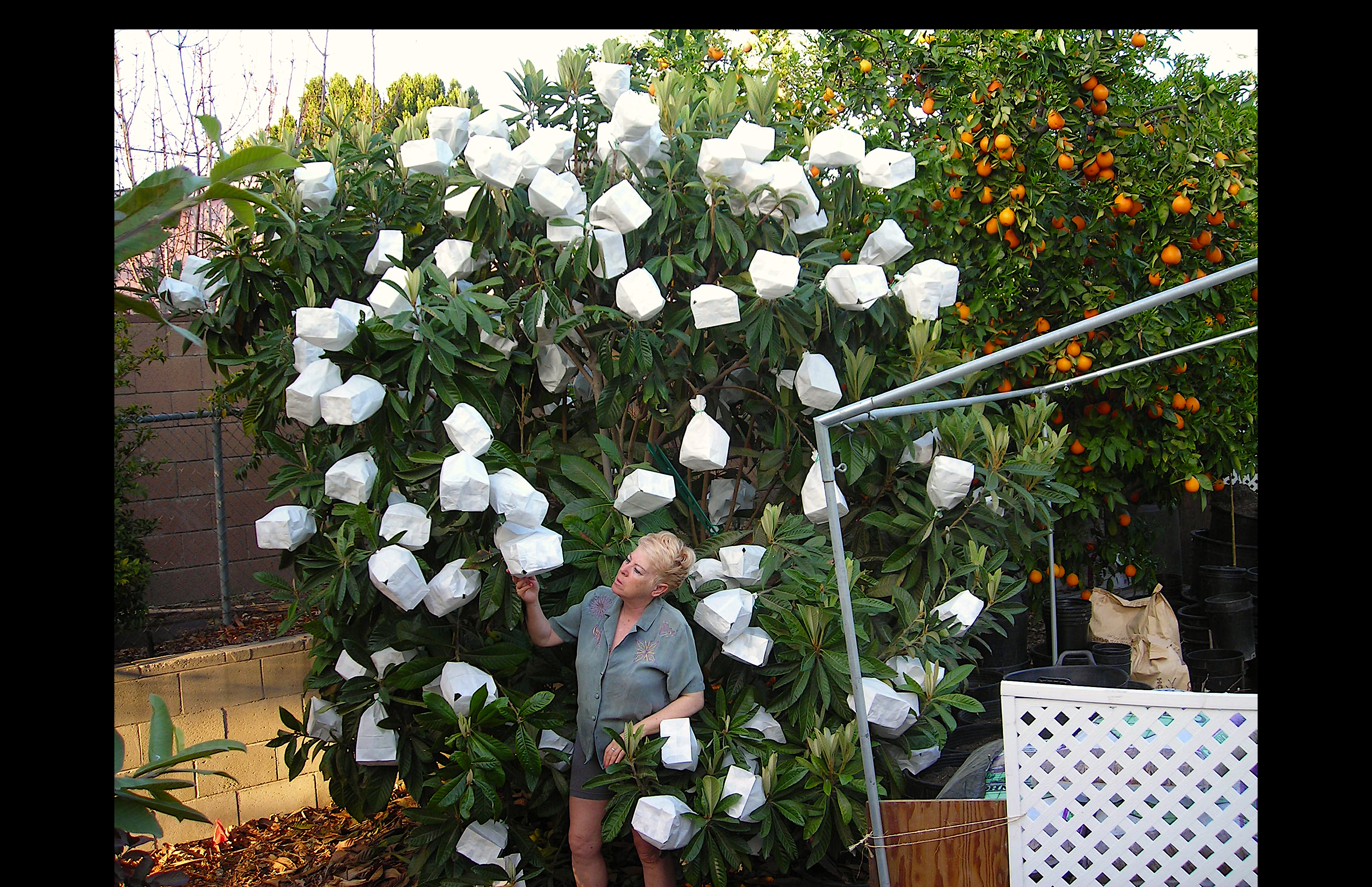
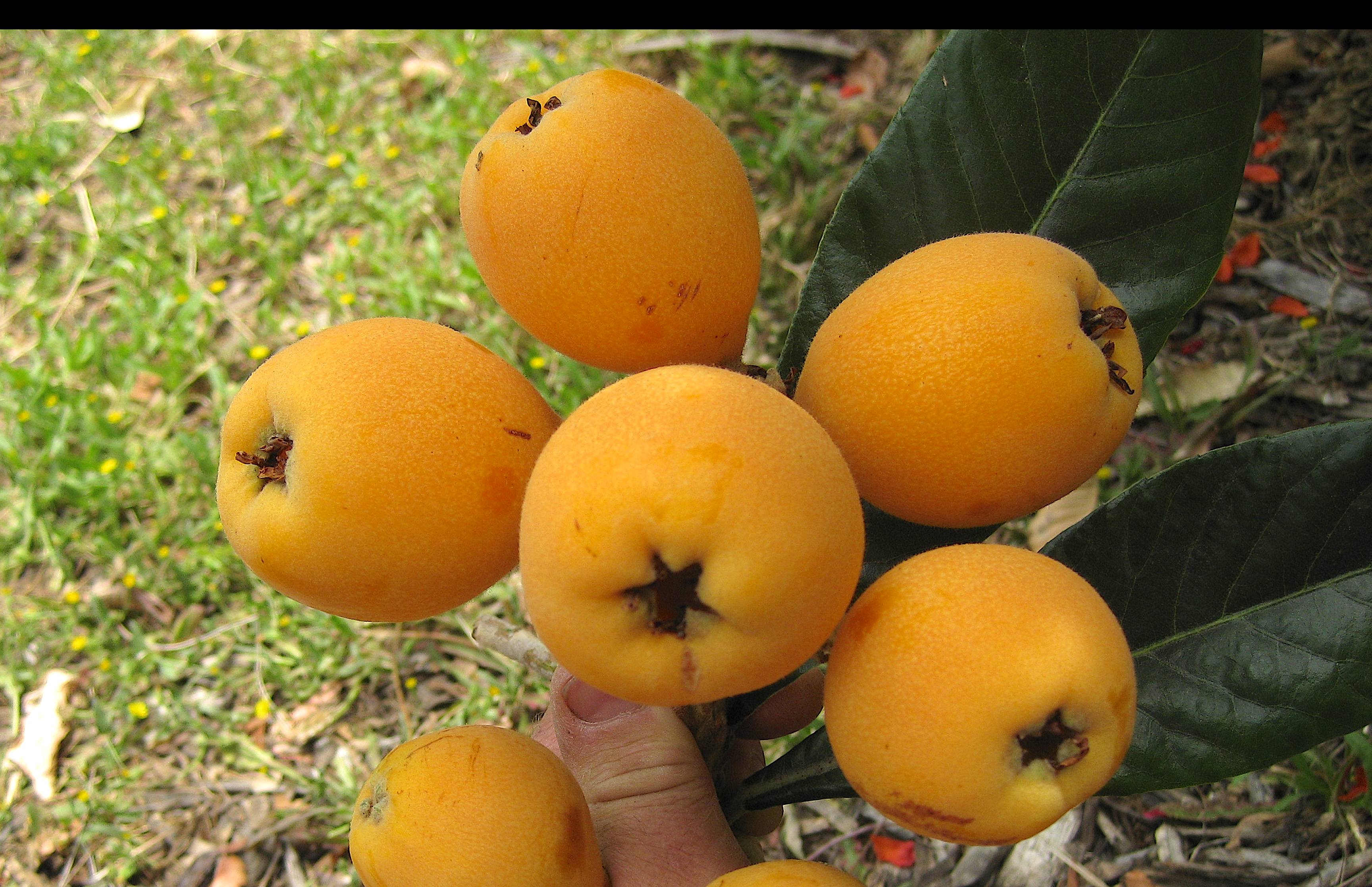
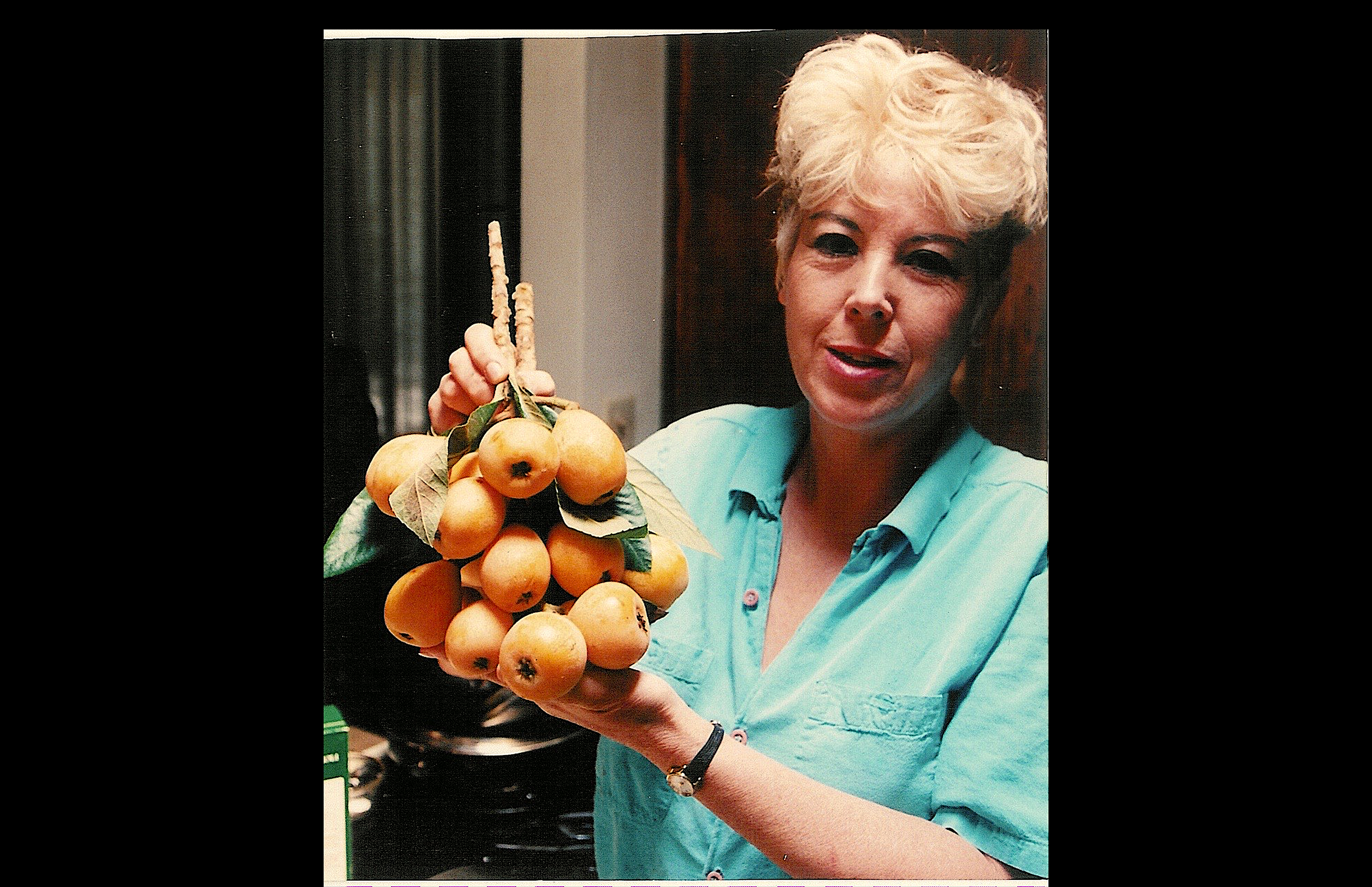
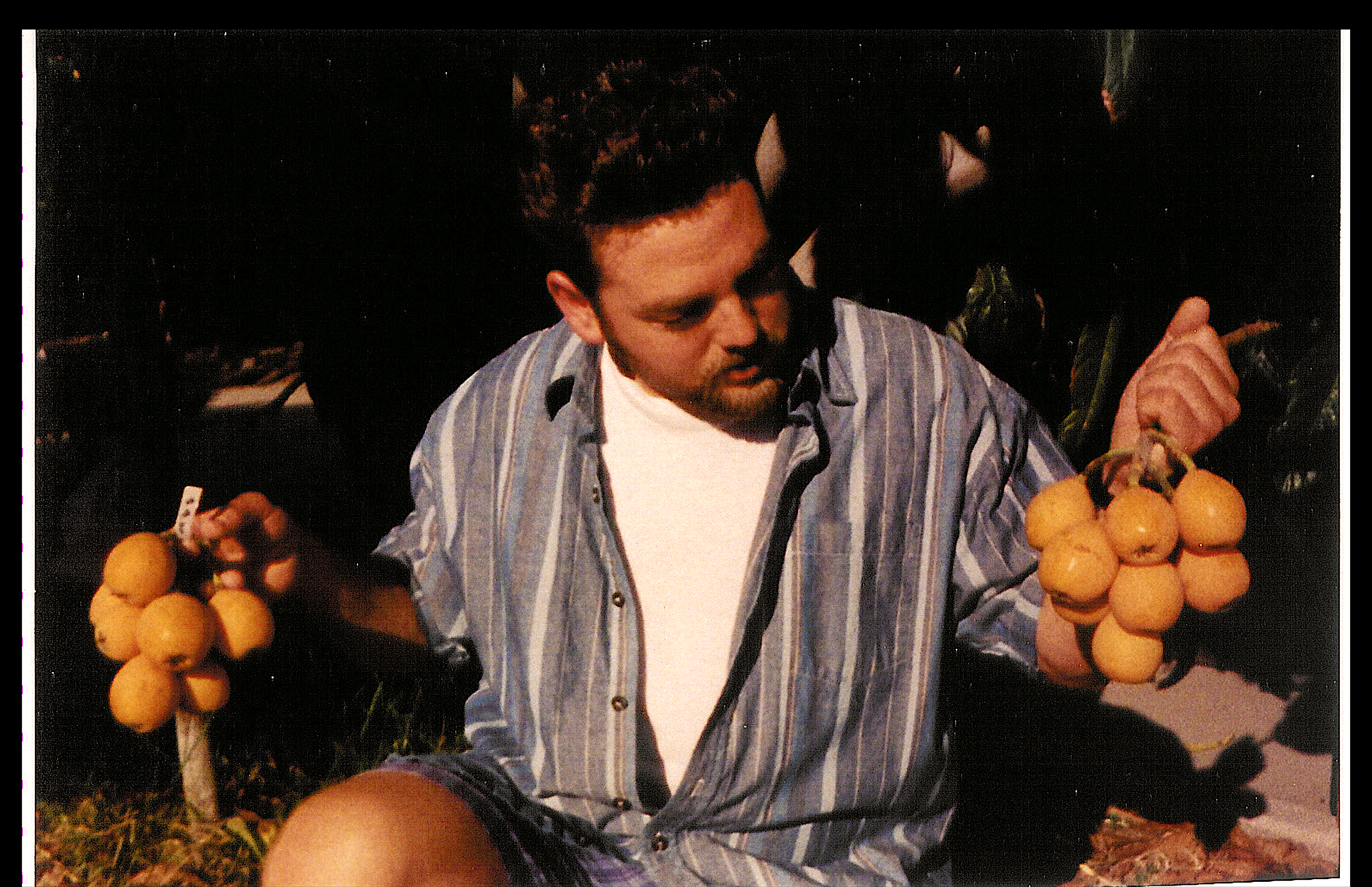
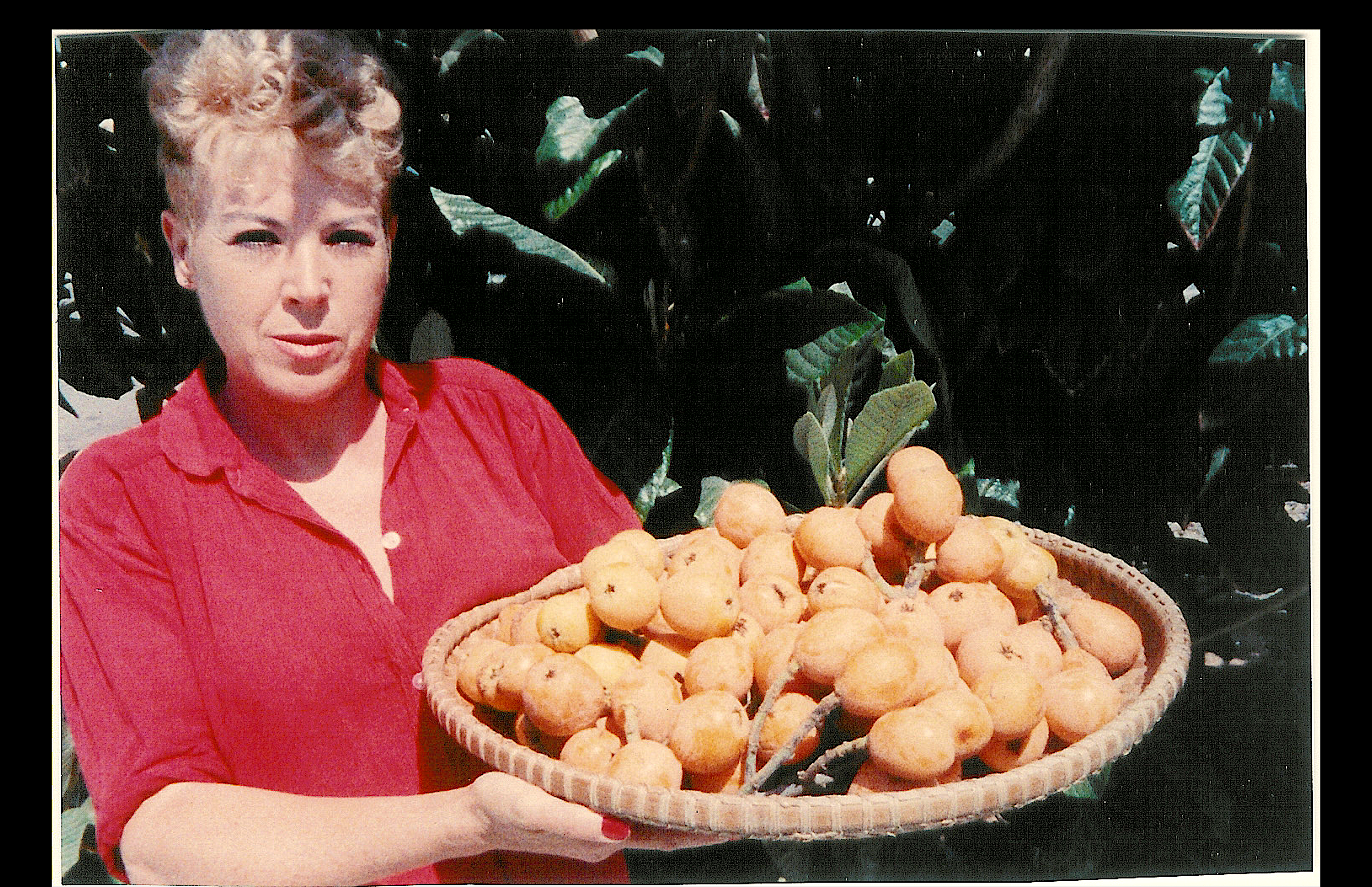
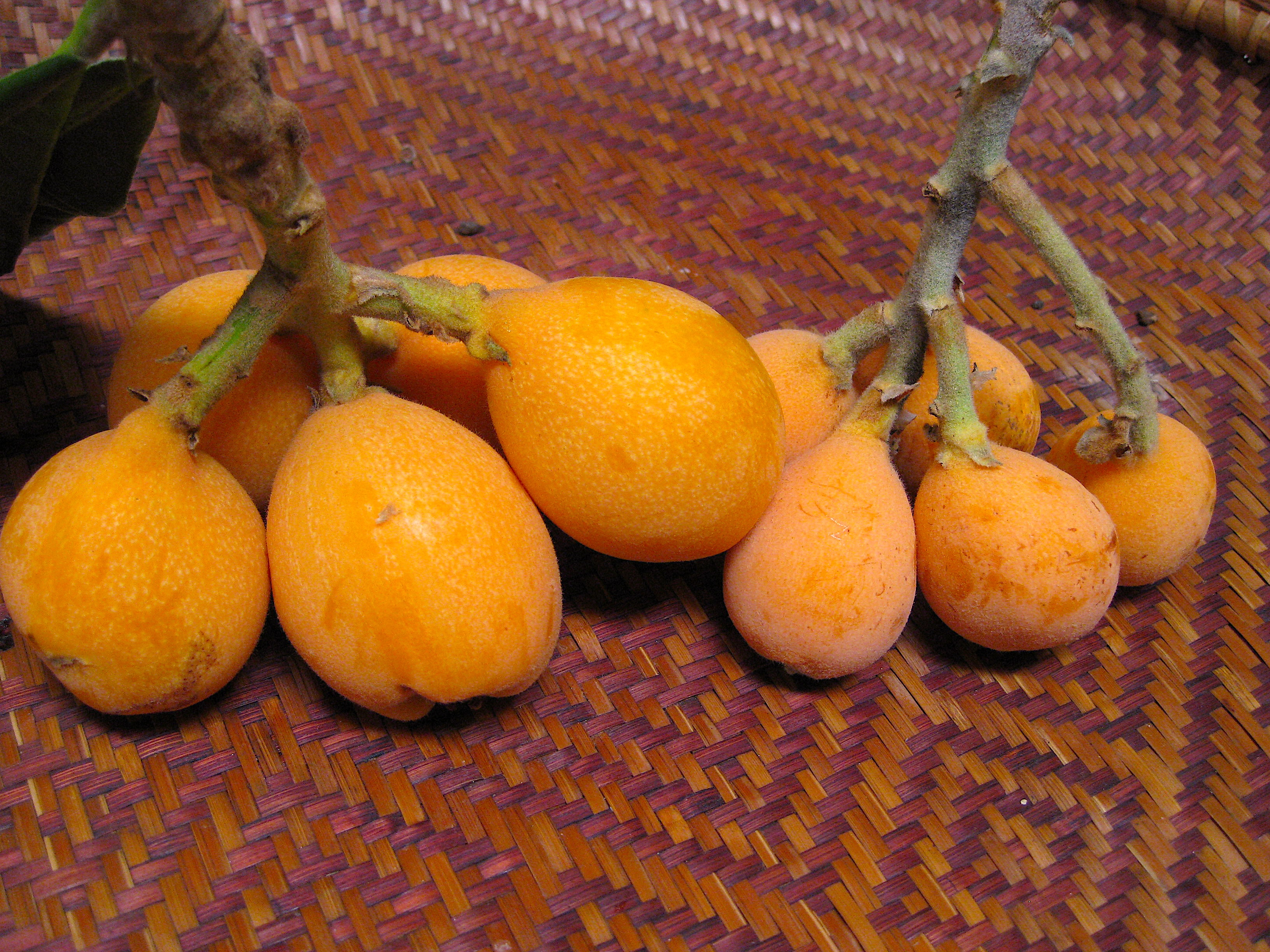
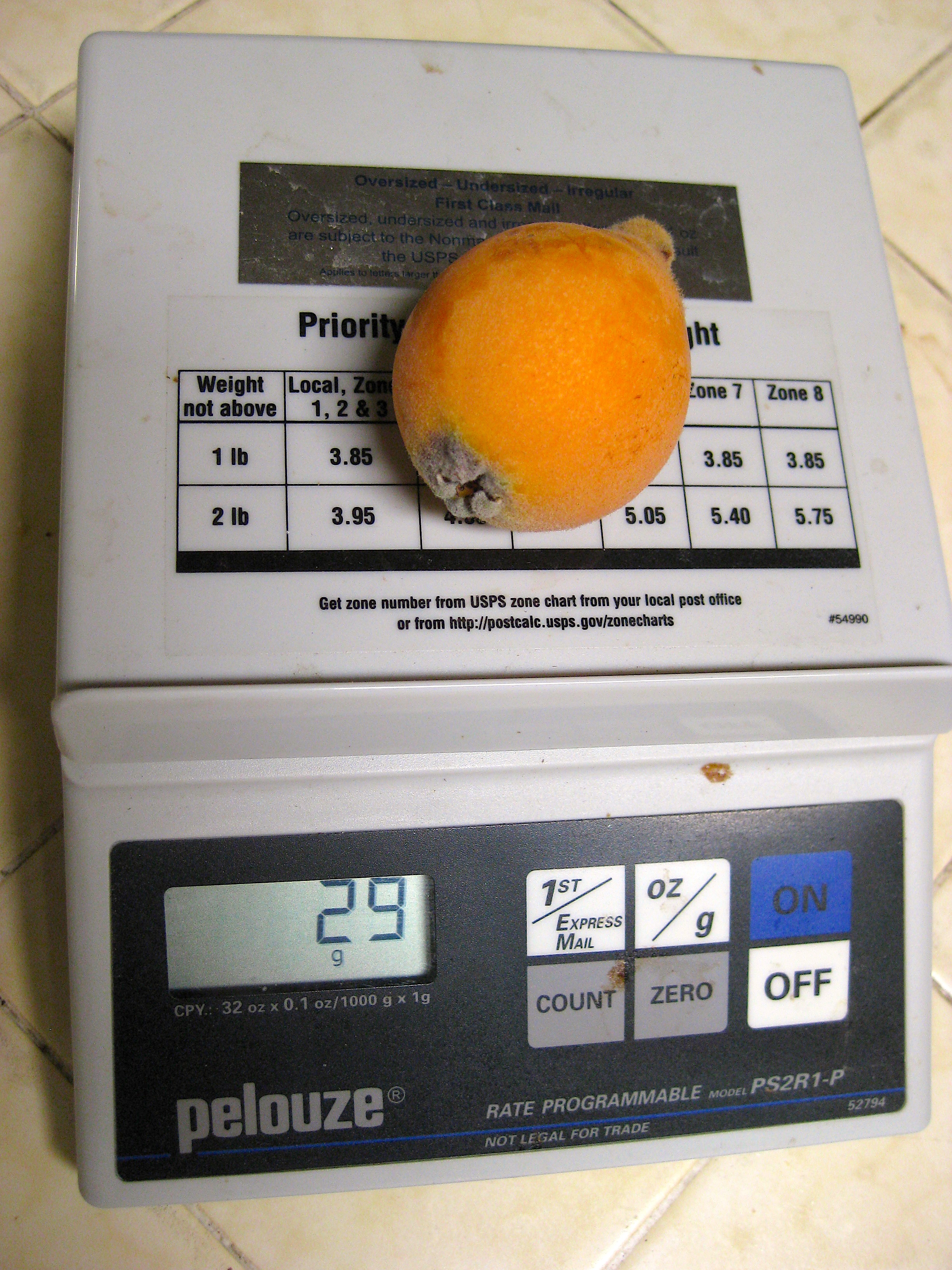
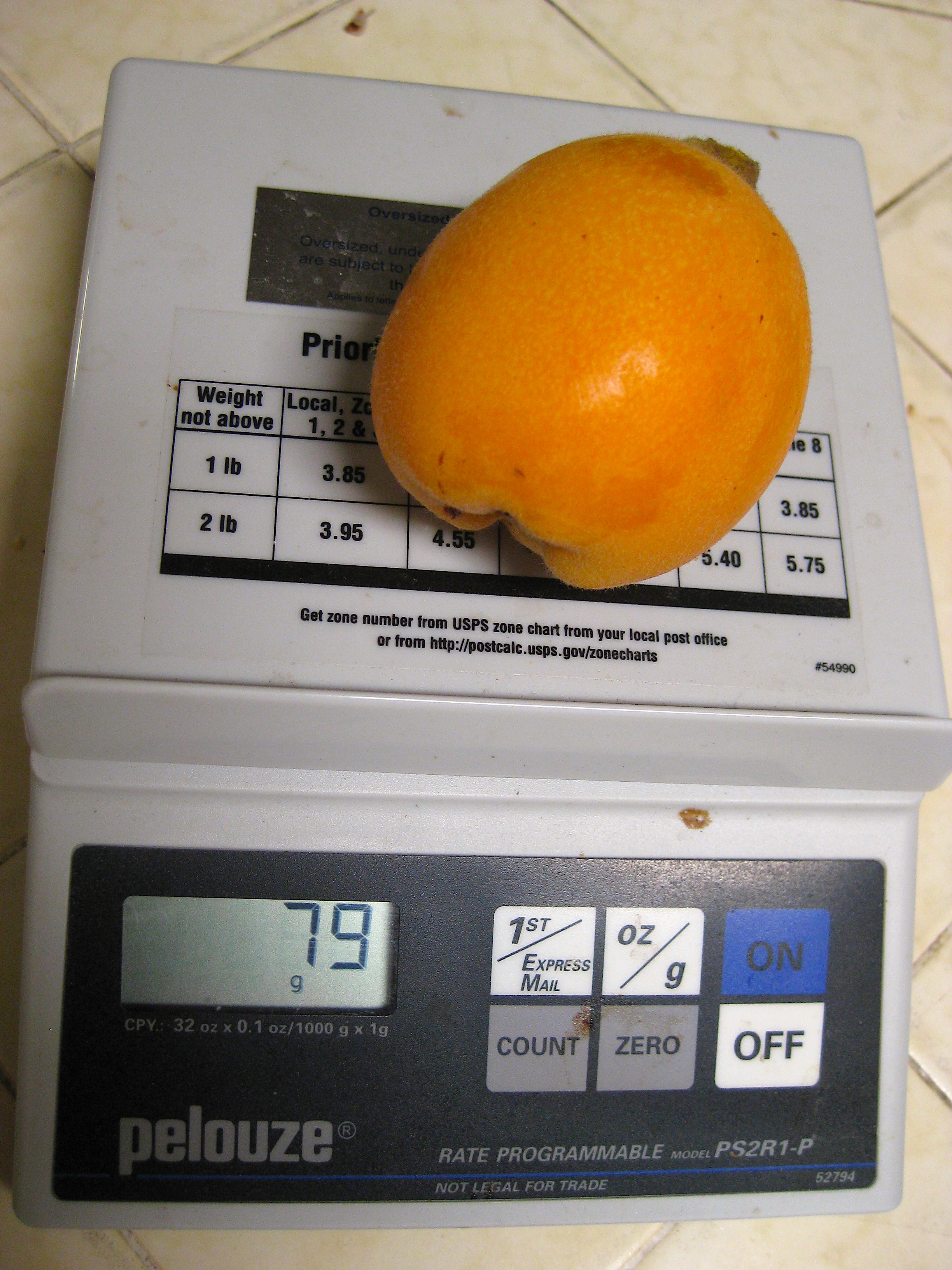
The Loquat is a medium-sized evergreen tree adaptable to many temperate growing zones and, as such, has a distribution range from California to Eastern Australia. While this relatively easy-to-grow plant has the species name japonica, it is actually thought to be a native of Central and Southeastern China, where it has been cultivated for over 2,000 years! The loquat has the unique distinction of producing flowers in late fall instead of the usual spring period, making it possible to harvest fruits as early as March of the following year. With minimal care, it is common for the loquat plant to be a potentially heavy fruit producer, yet the fruit size(especially from wild forms) is often considered too small (20-35 grams), with the seeds making up to 50% of the fruit's volume. The flavor of the yellow to deep orange-colored, juicy fruits varies from subacid to sweet depending on the cultivar chosen and the stage of ripeness at harvest. As mentioned above, while it is not unusual for wild or seed-grown loquat plants to eventually produce an abundance of fruits, unfortunately, those fruits almost always have a less than desirable seed-to-flesh ratio; fortunately, in Japan, there has been much effort spent on selecting for improved qualities such as larger fruit size up to 92 grams! The loquat bears its fruits in clusters located at the branch terminals.These bunches of fruits consist of up to 30 individual fruits, but often half that amount is more common. To improve fruit size, consider thinning the individual fruits, allowing only 50% to remain. If you feel uncomfortable doing this, consider that the Japanese commercial growers thin the clusters allowing only 25% to remain per cluster! The fruits are typically consumed fresh, either peeled or not, used in preserves, canned, pies, and fruit salads. If you are looking for a practical fruiting shrub or small tree that is easy to grow and fruits very well, you might want to seek out an improved loquat fruit for the home landscape.
|