| Also found in other Regions |
Korea, India, Pakistan, Afghanistan, Algeria, Assam, Bulgaria, Burkina, California, USA, Cameroon, Cuba, Cyprus, Dominican Republic, France, Greece, Honduras, Iran, Iraq, Italy, Jamaica, Japan, Kazakhstan, Kyrgyzstan, Laos, Lebanon-Syria, Libya, Mexico Southeast, Morocco, Romania, Sicilia, Spain, Tunisia, Turkmenistan, Türkiye, Uzbekistan, Venezuela, West Himalaya |
| Description |
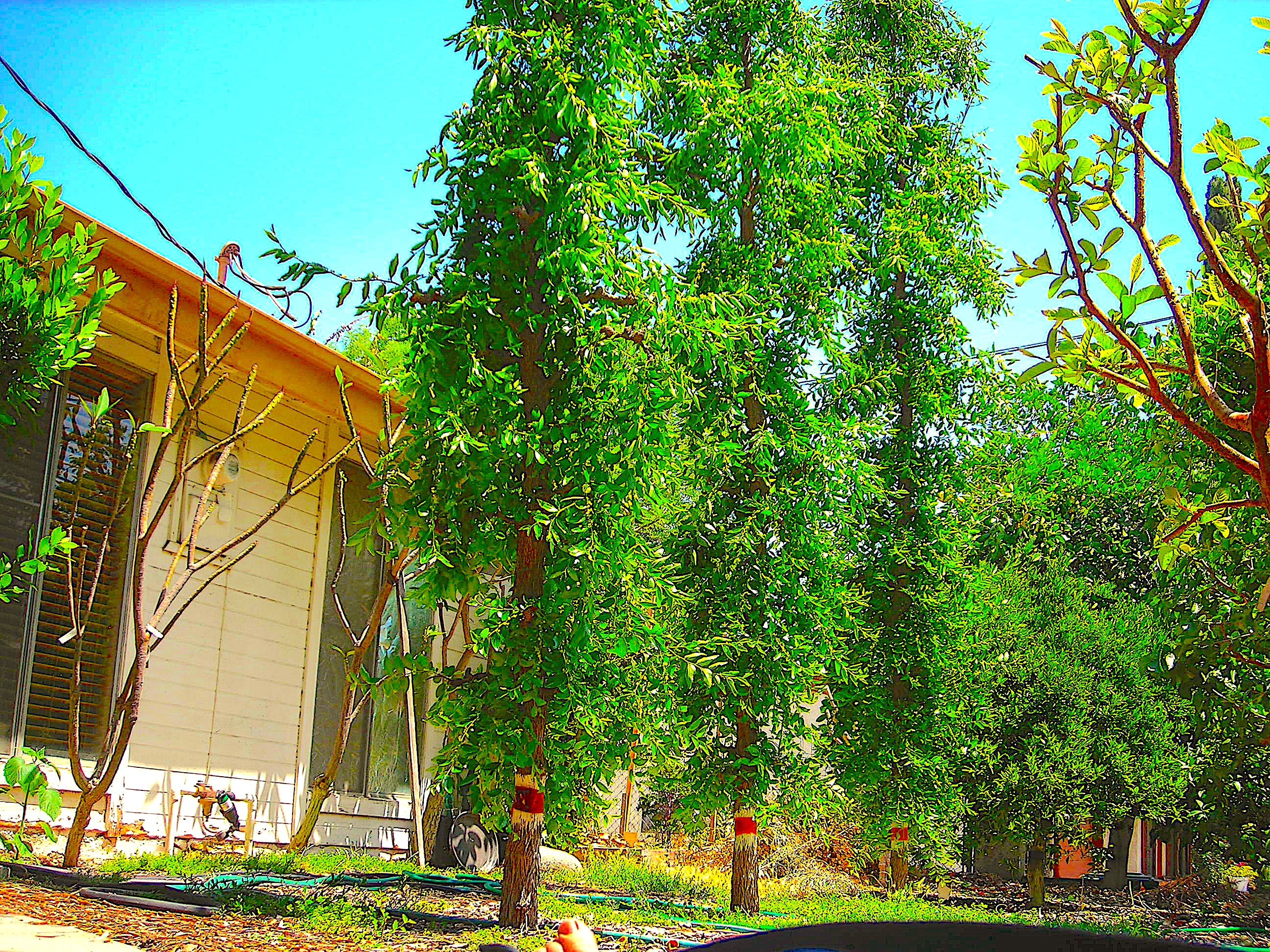
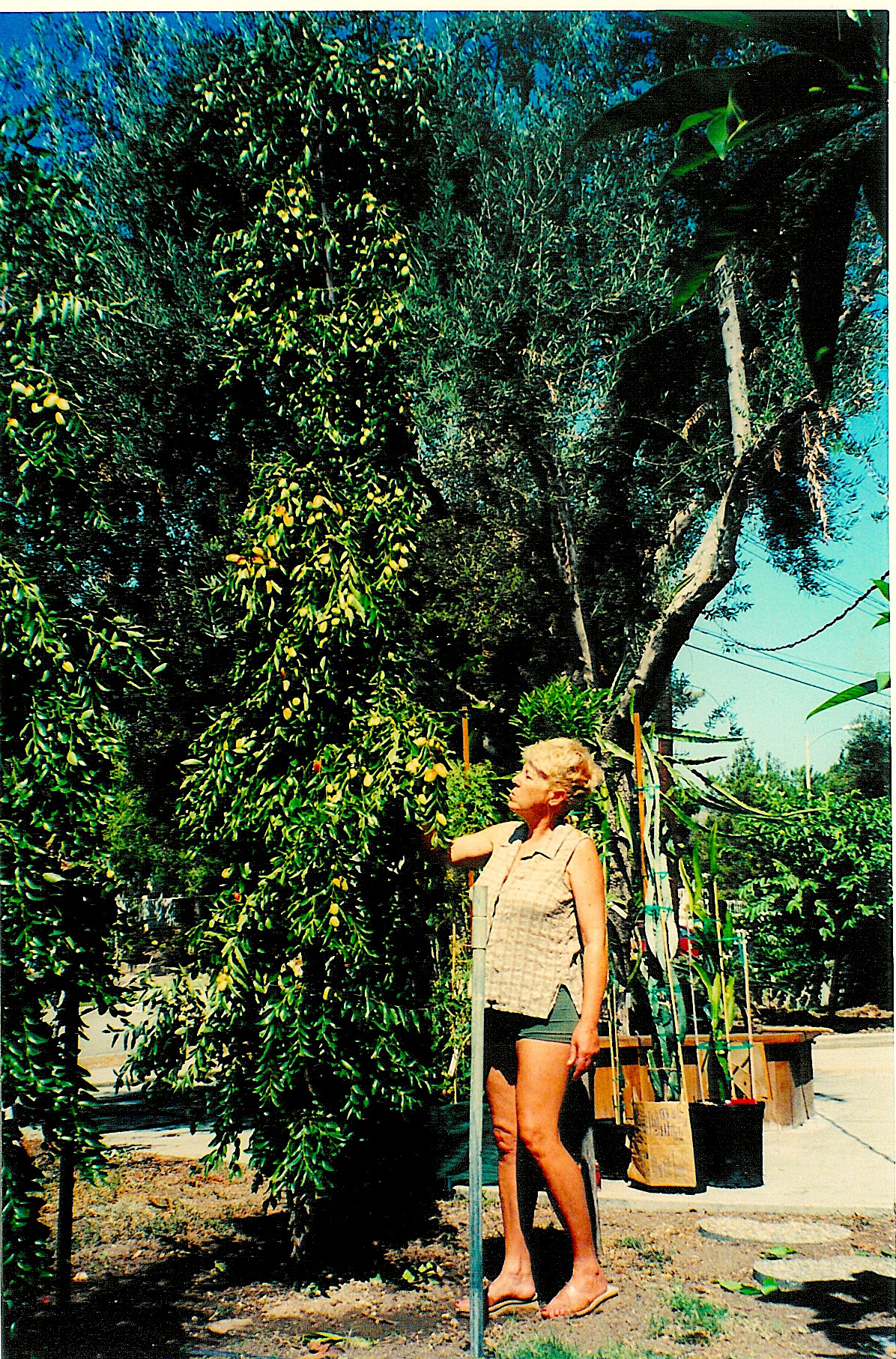
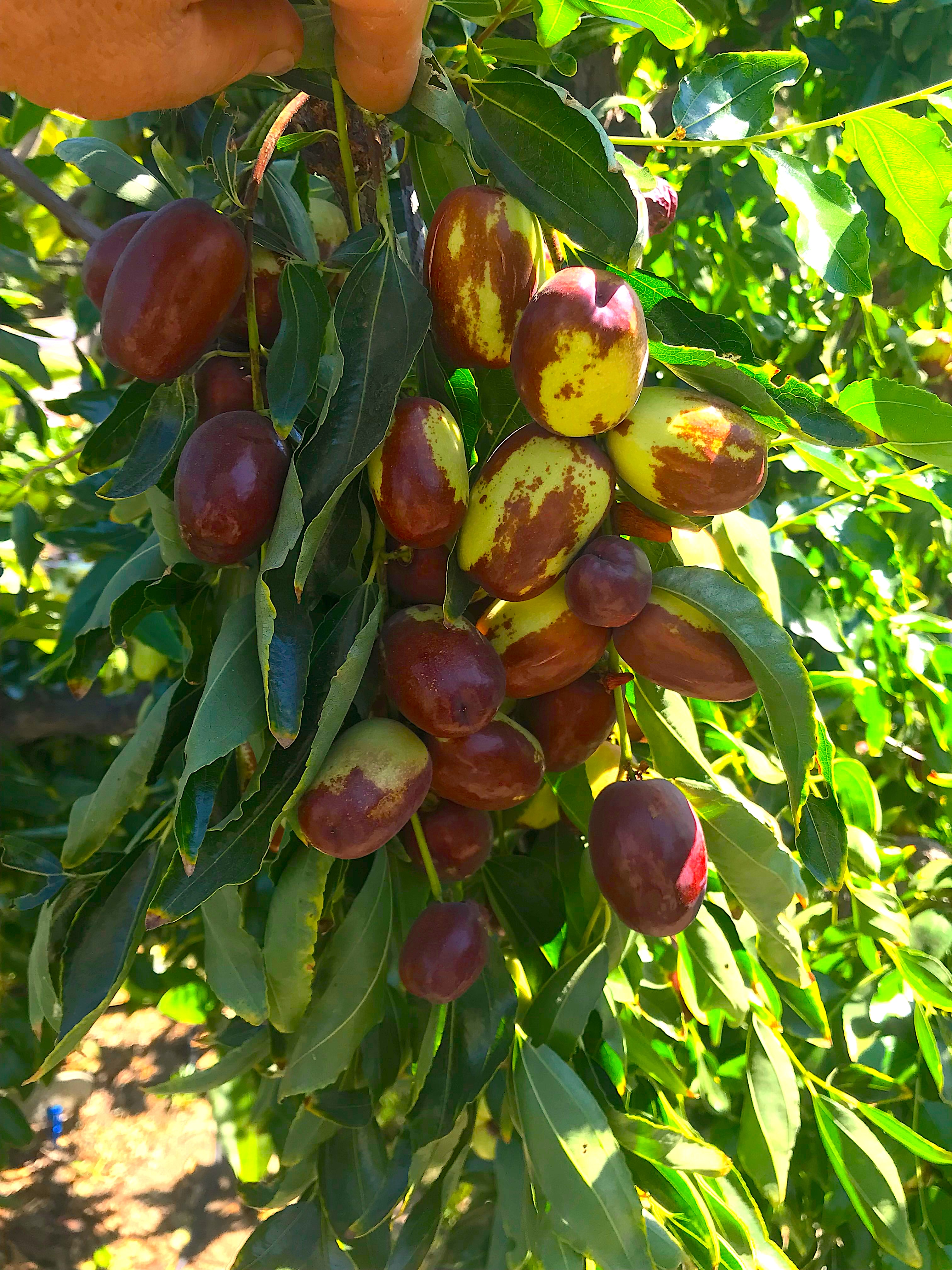
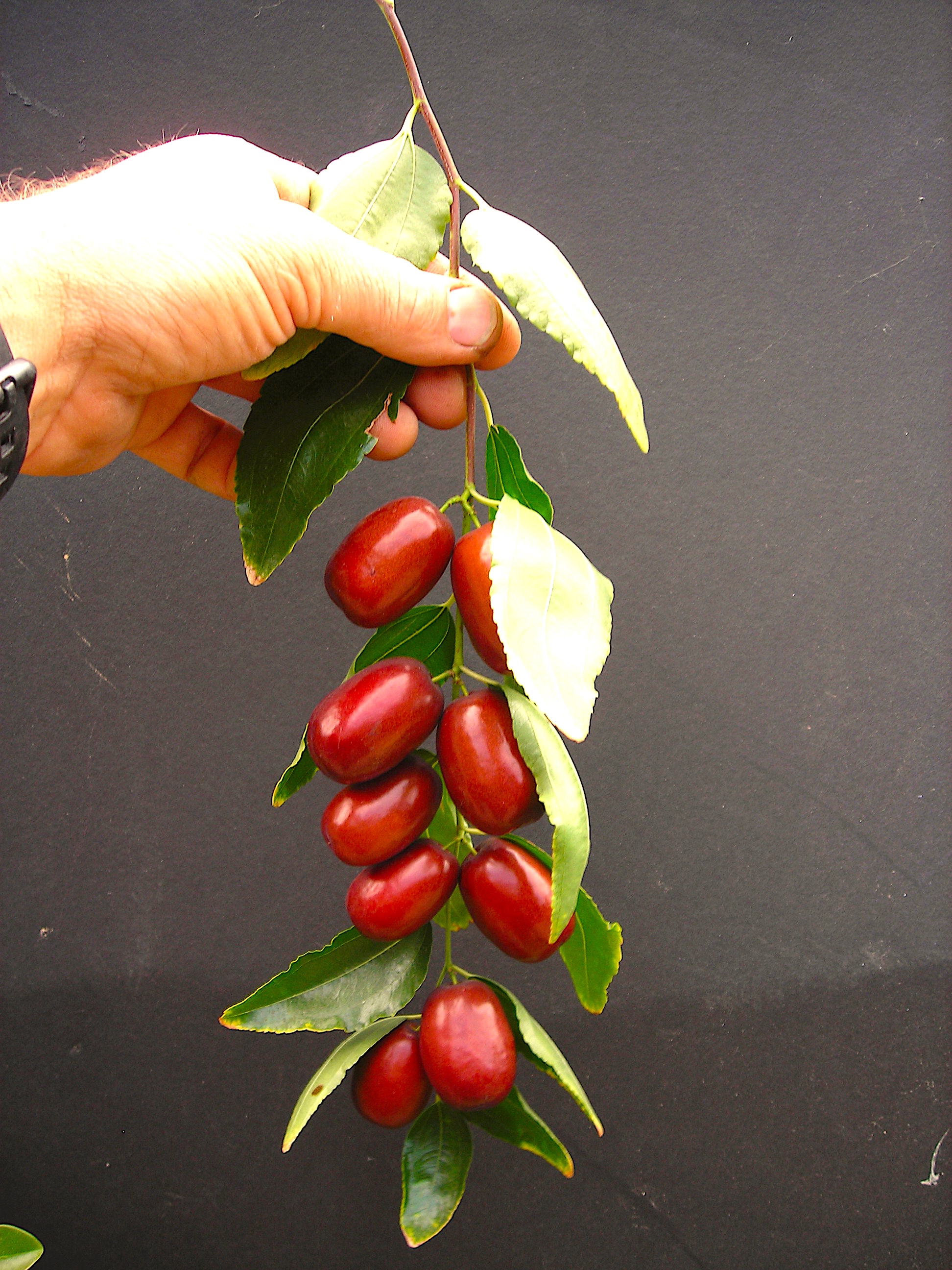
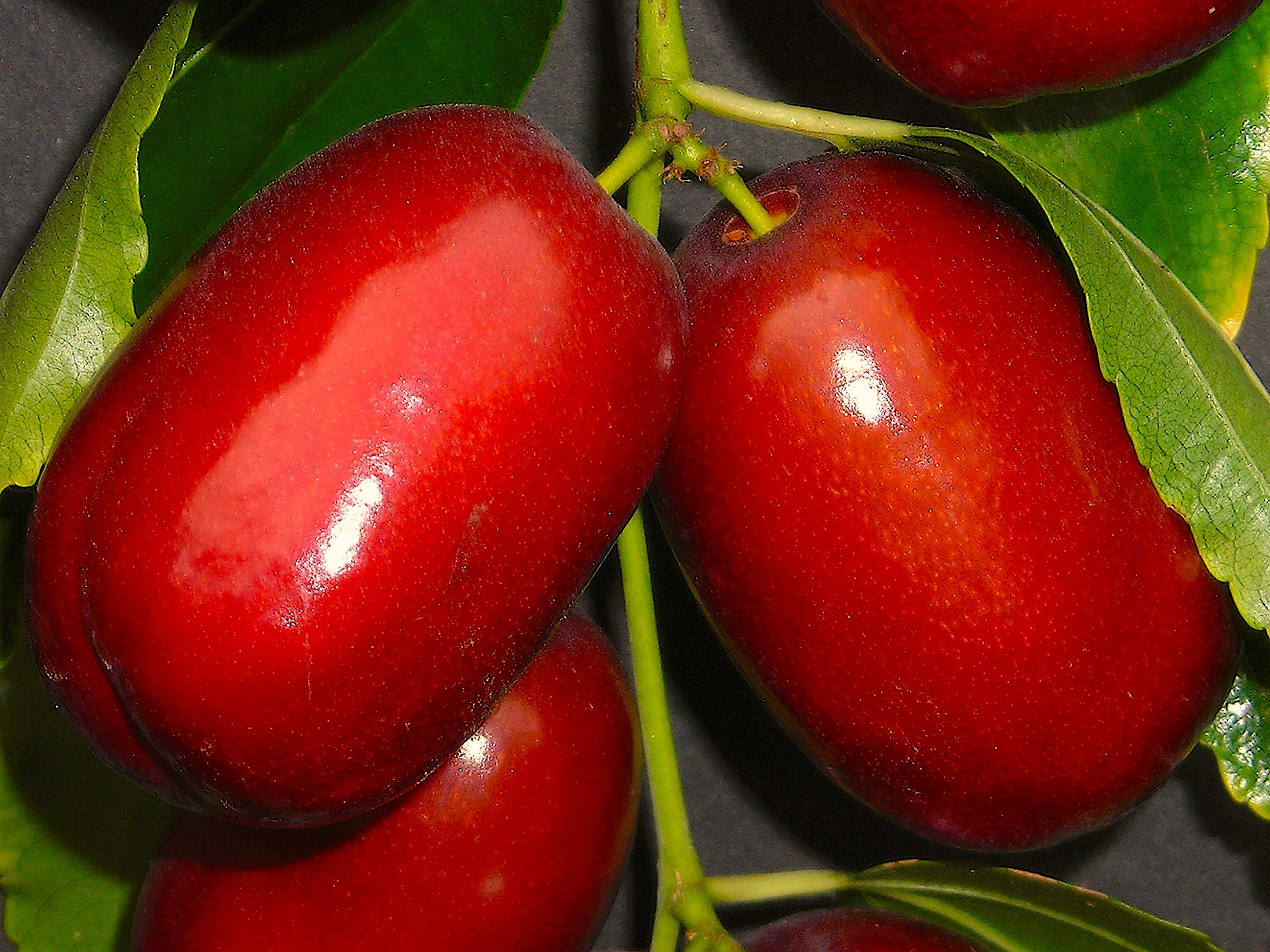
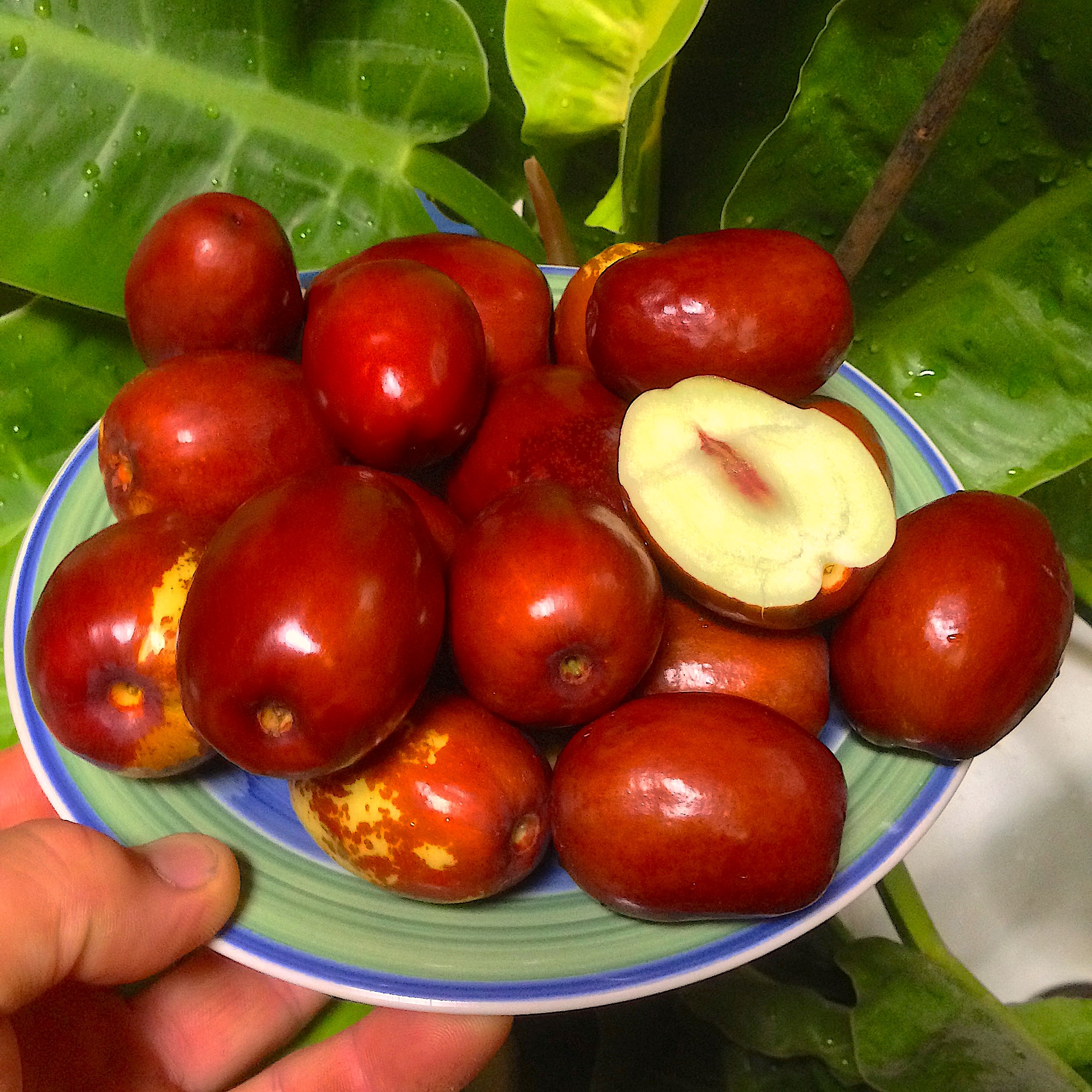
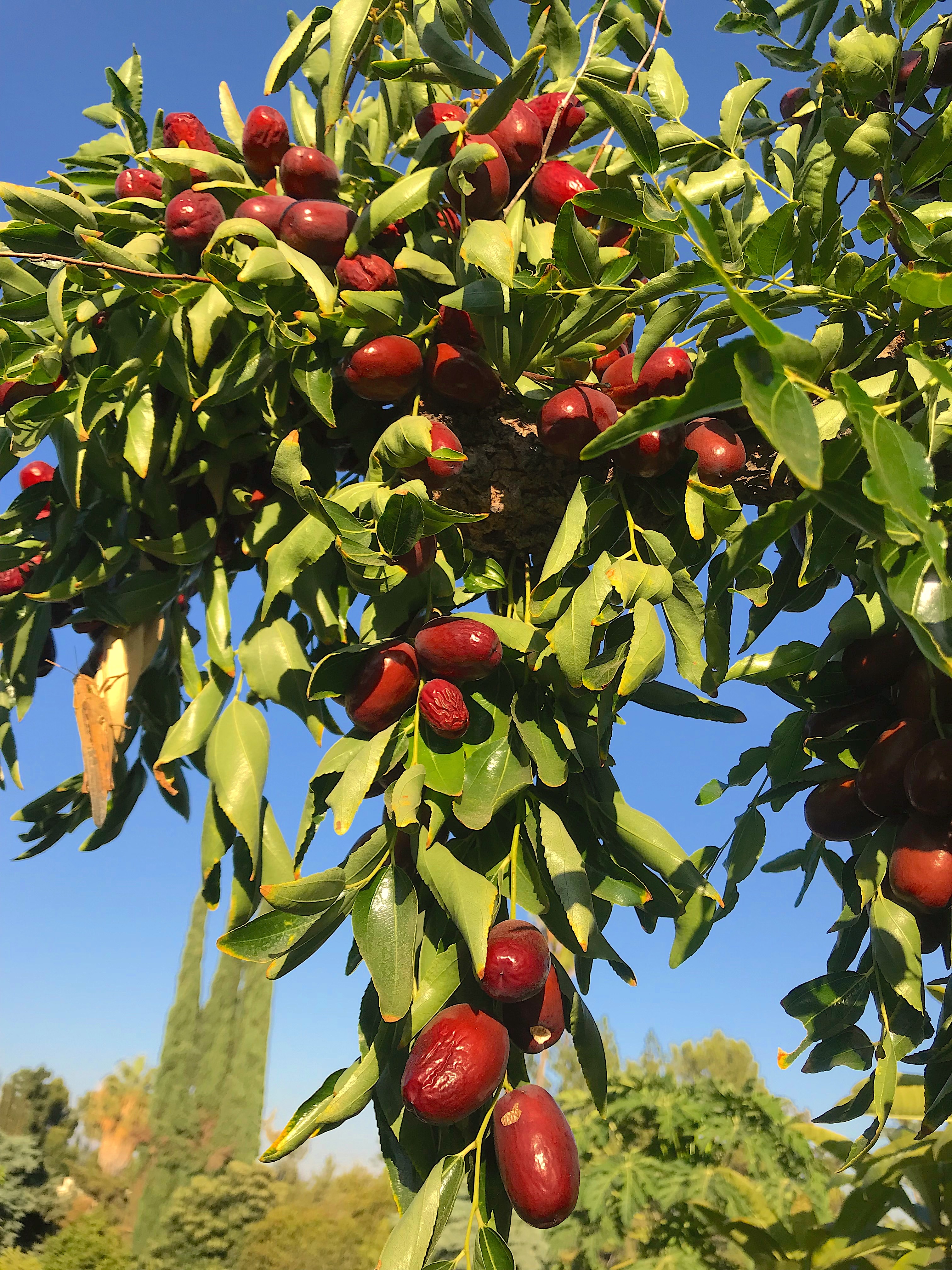
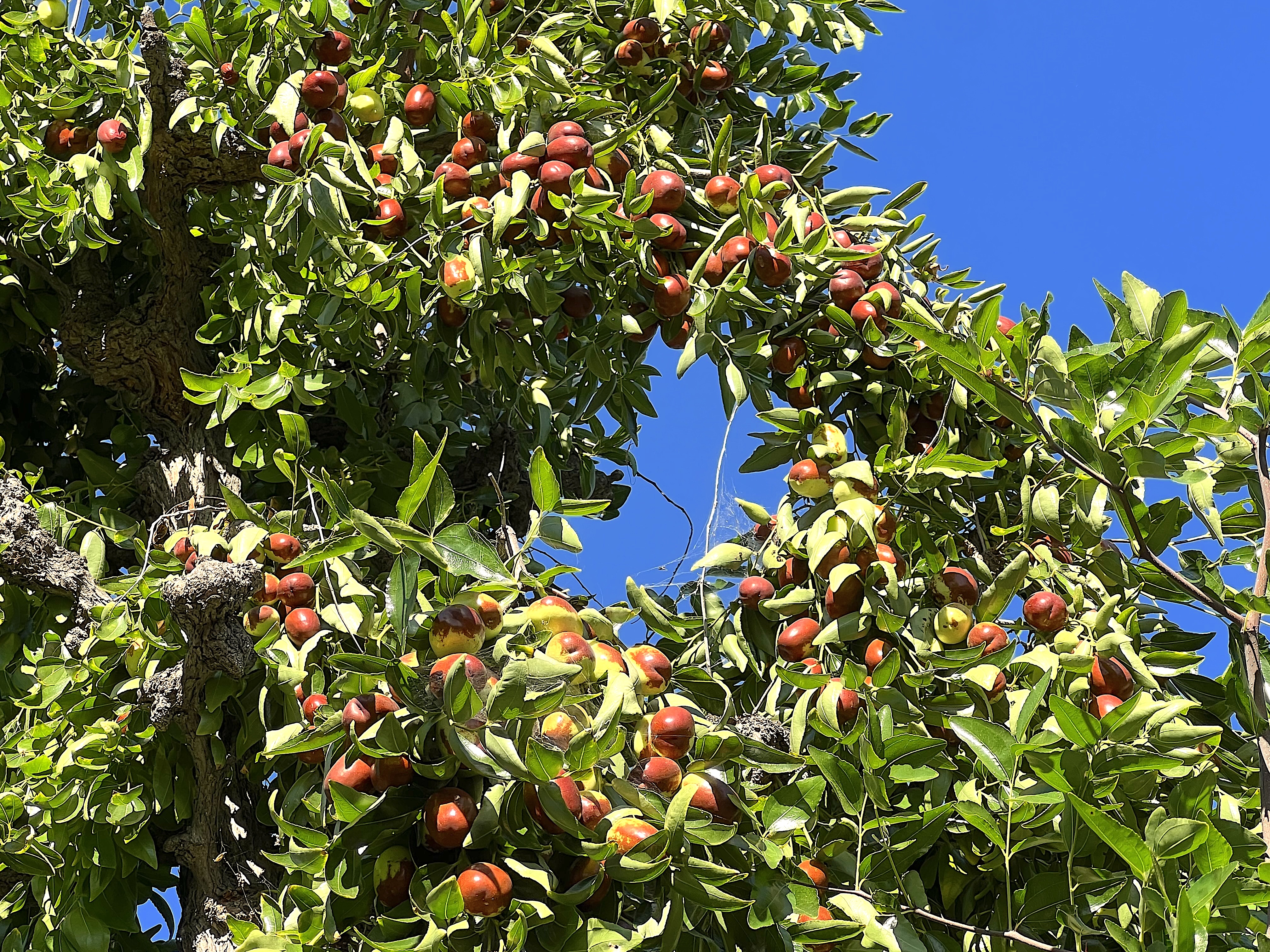
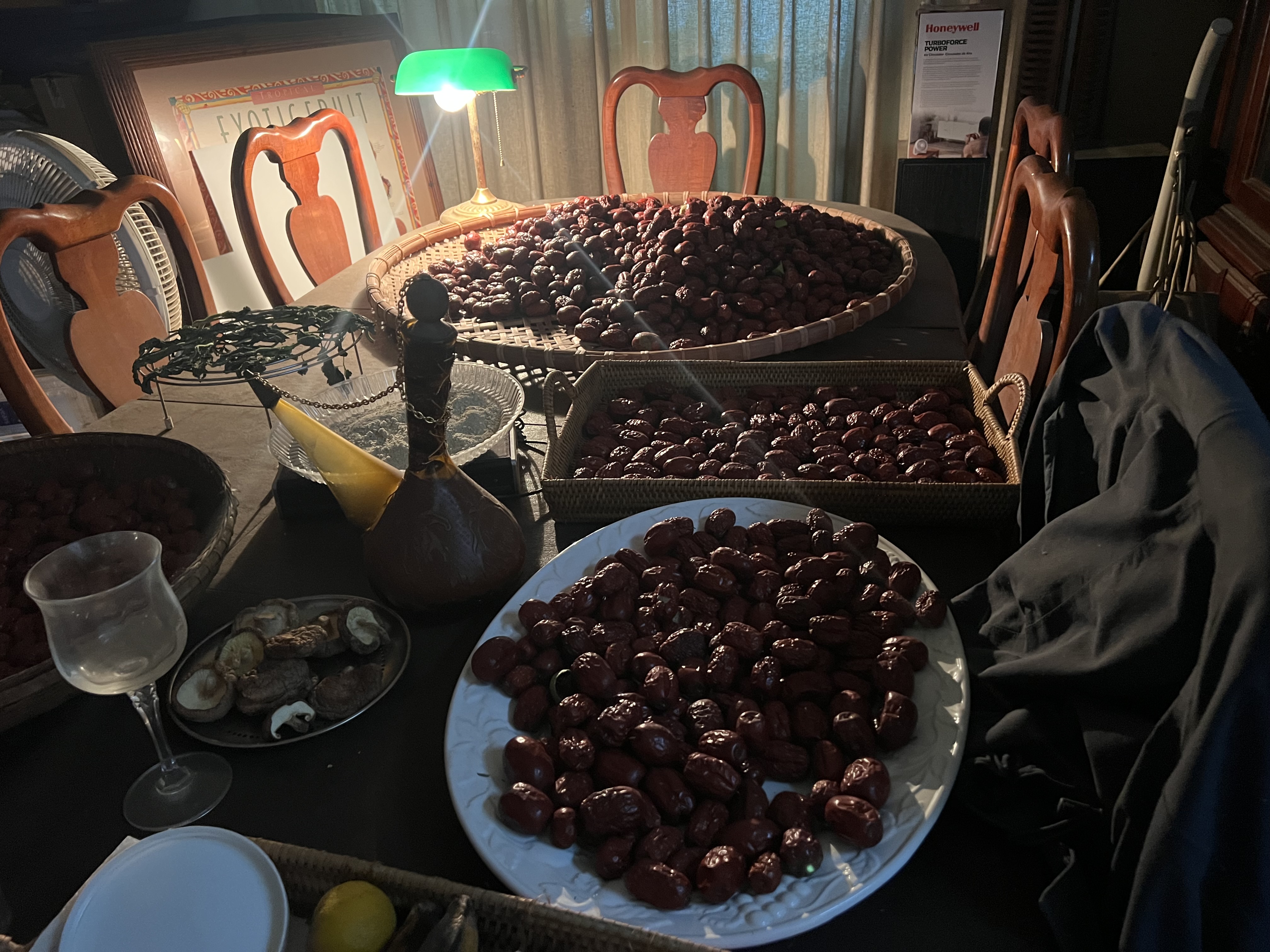
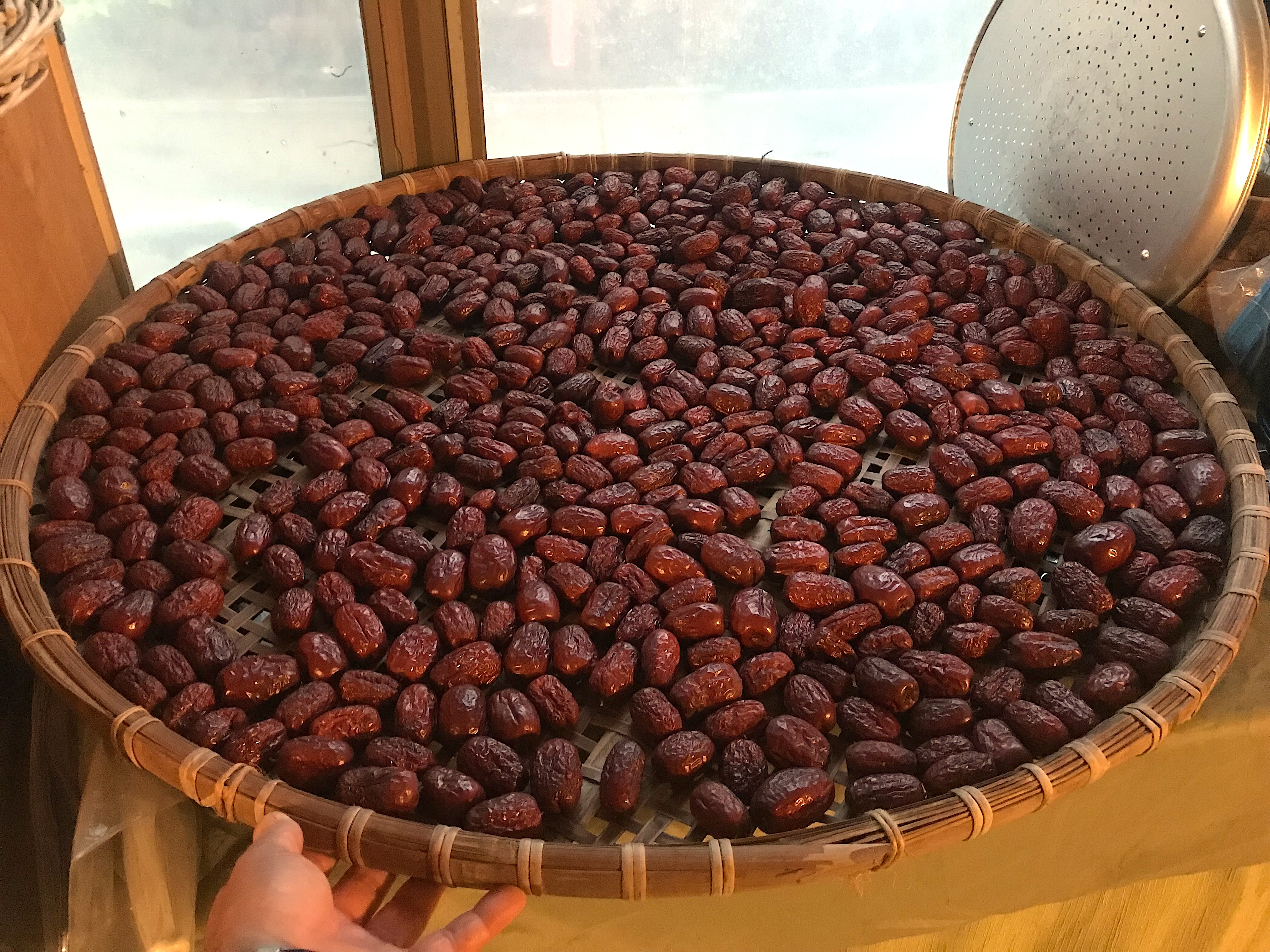
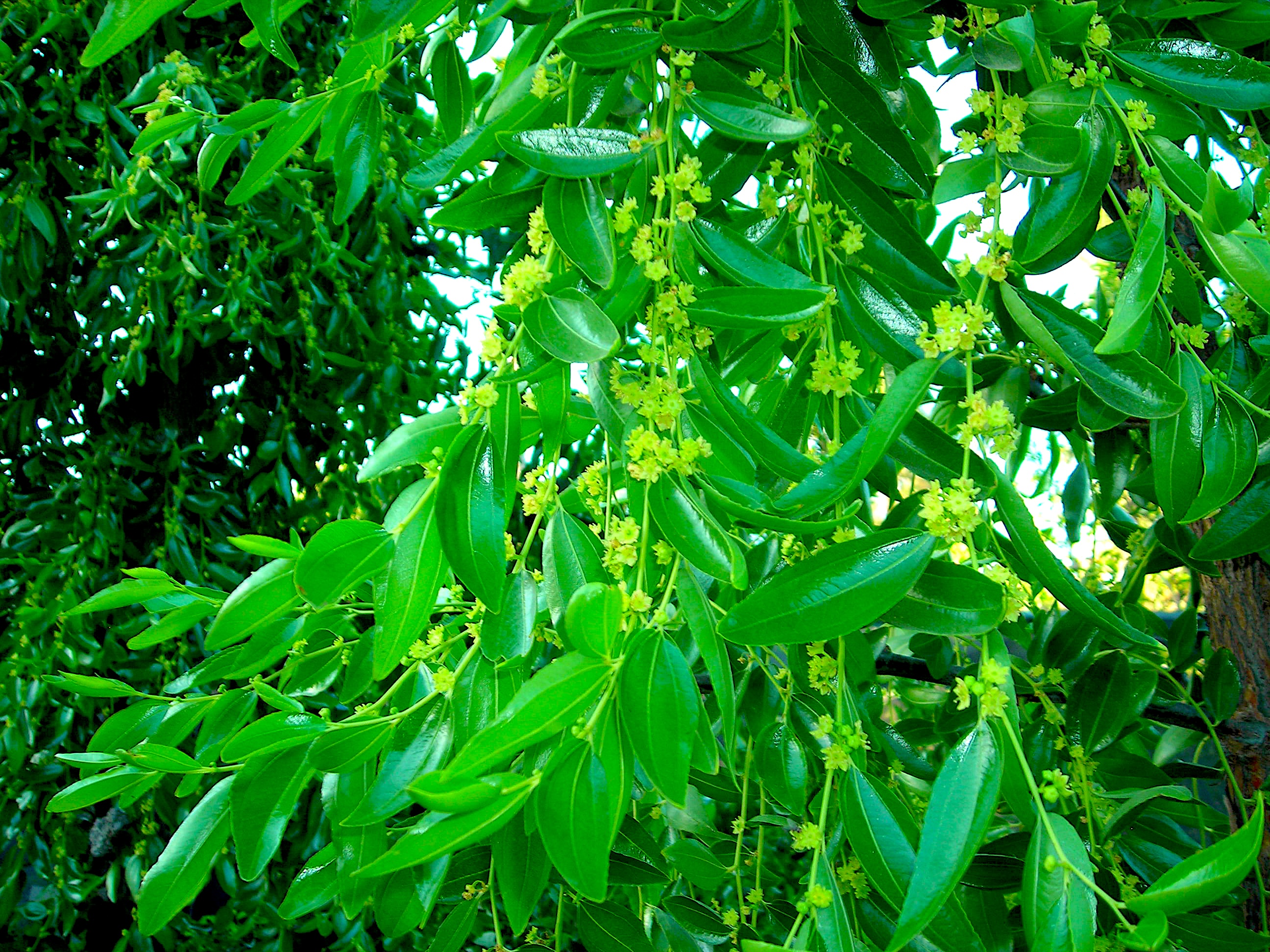
The Jujube, aka Chinese Date, is a deciduous fruit tree originating from the ancient heartlands of China, from the western Xinjiang province to both North-Central and Southeast China, Inner Mongolia, and into Manchuria in the Northeast. The rich cultural relevance of this plant cannot be overstated, as it has been cultivated in various provinces throughout China for over 4,000 years, eventually finding its way into Korea, India, Pakistan, Afghanistan, the USA, Europe, Africa, Southeast Asia and into the Middle East! Revered in traditional Chinese life as a symbol of health, vitality, and longevity, this remarkable tree seemingly produces two different types of fruit on one tree: it produces glossy, mahogany-brown fruits that transition from crisp and apple-like when fresh to rich and date-like when dried. Beyond its delicious harvest, the jujube tree itself is a standout ornamental: its graceful, zig-zag branching, small lustrous leaves, and naturally sculptural form create year-round visual interest, while its exceptional tolerance to heat, drought, and cold makes it as practical as it is striking. Equally at home in a curated landscape or a productive orchard, the jujube offers growers a rare combination of ancient heritage, dependable performance, and understated elegance. |