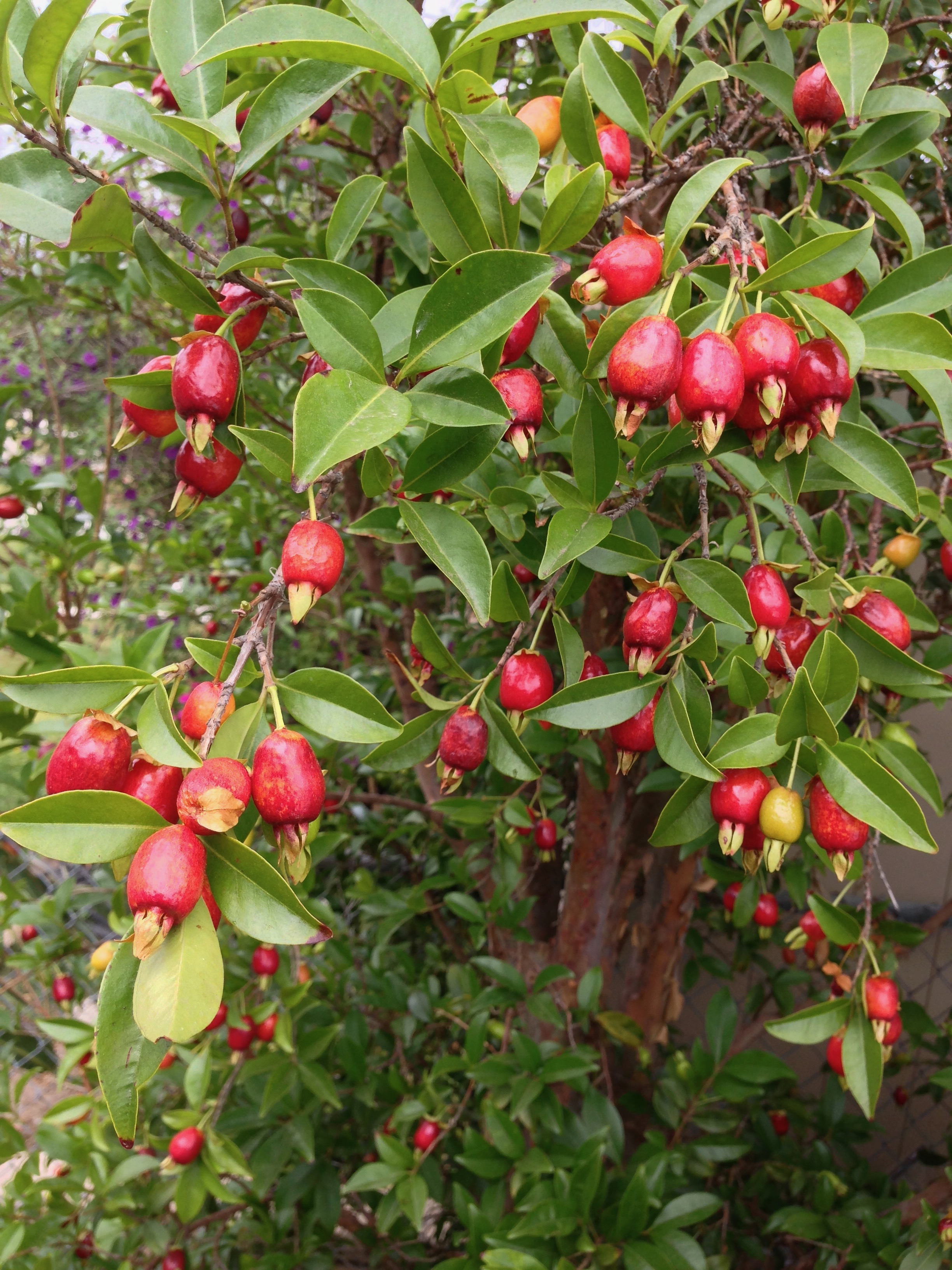
| Common Name | Cherry Of The Rio Grande |
| Scientific Name/Synonyms | Eugenia aggregata /Syn. Eugenia involucrata |
| Cultivars/Varieties | 'Ben's Beaut', 'Bountiful Harvest' |
| Country of Origin | Brazil (Southern) |
| Native Range | Not Applicable |
| Also found in other Regions | Uruguay, California |
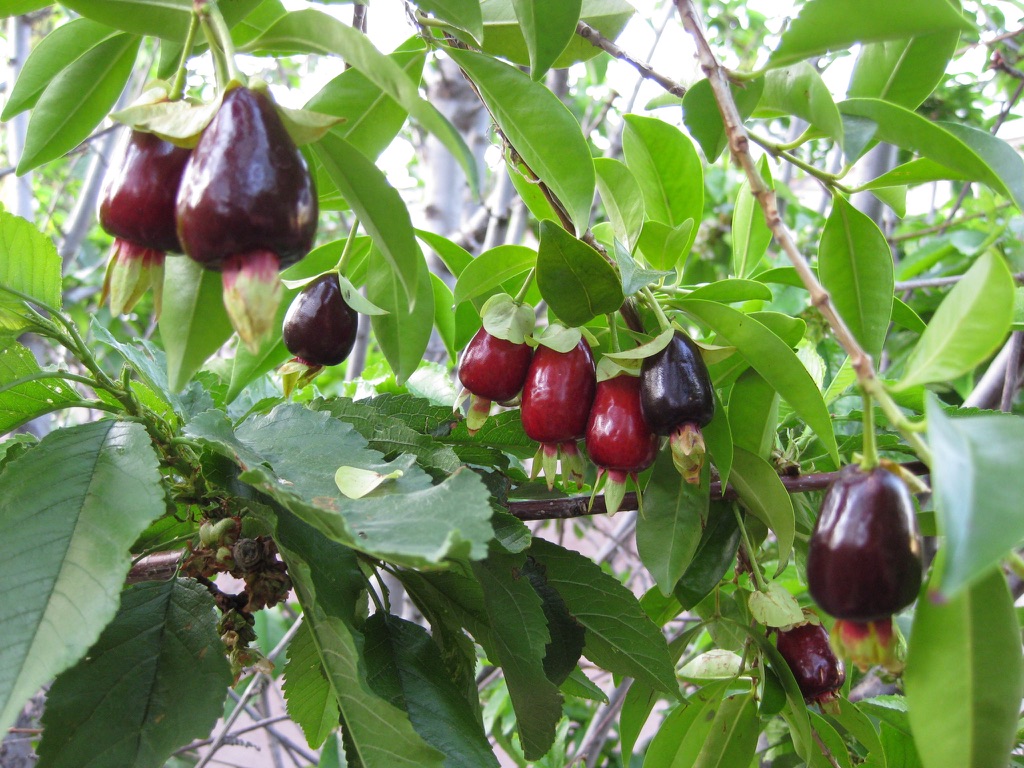
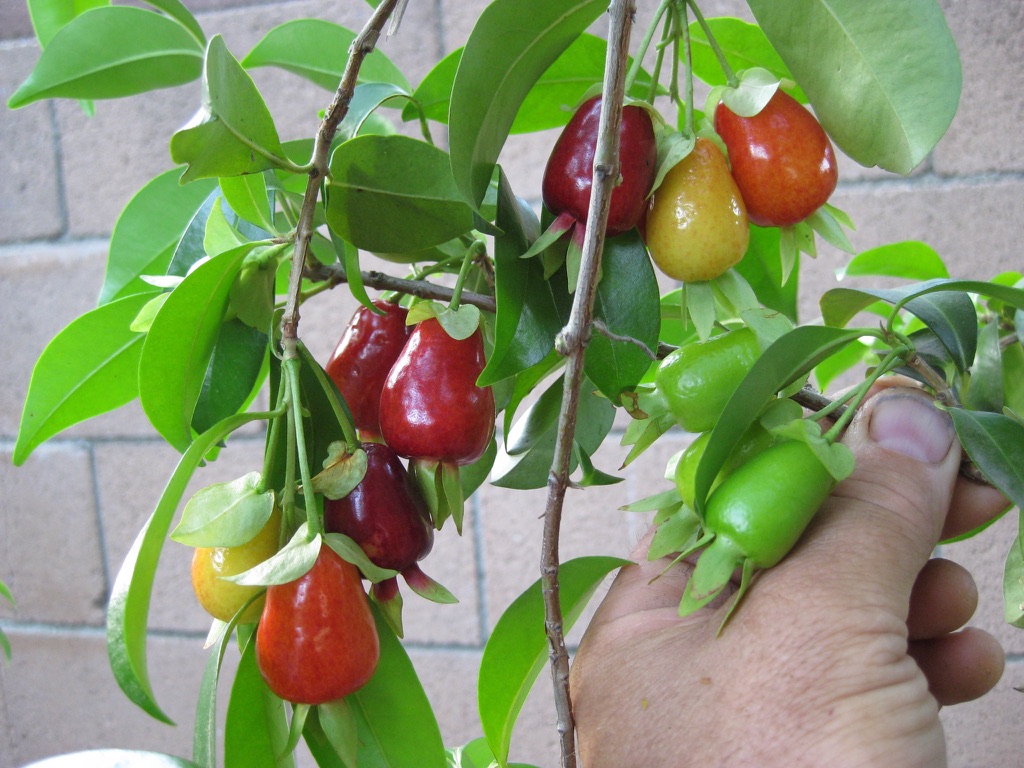
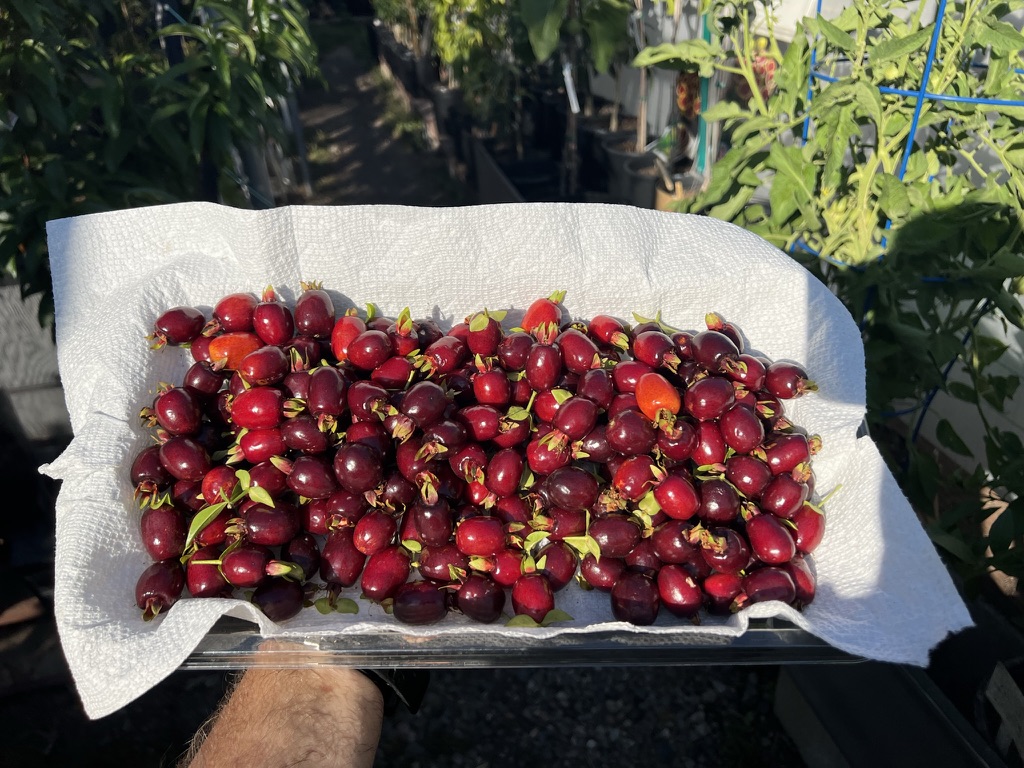
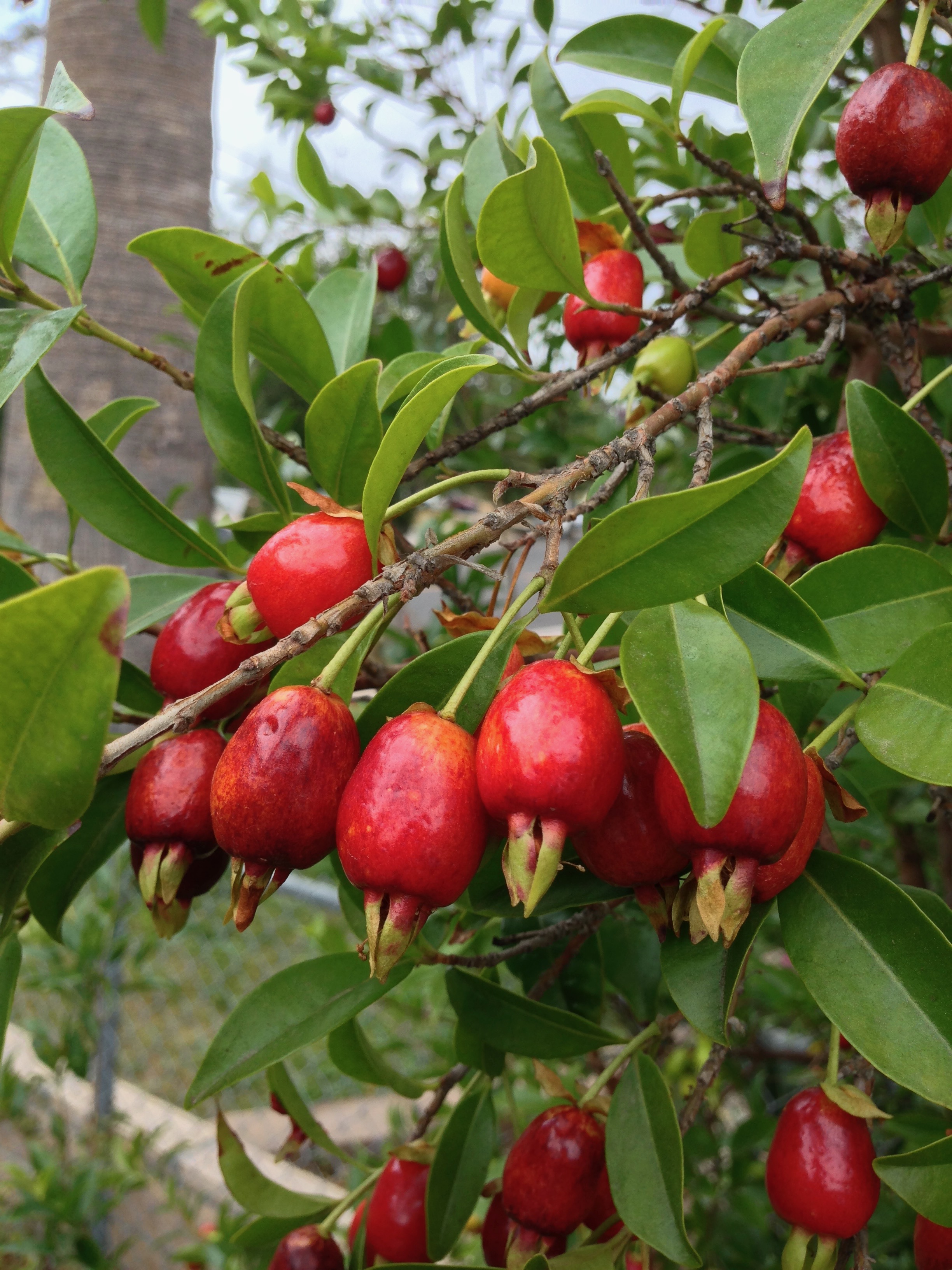
| Description | The Cherry of the Rio Grande (Eugenia involucrata) is an attractive evergreen to semi-evergreen fruiting tree native to southern Brazil and neighboring areas of South America. A member of the Myrtle family (Myrtaceae), it is related to several other fruiting species familiar to collectors of subtropical fruits, including Surinam Cherry, Grumichama, and Jaboticaba. The tree develops at a relatively moderate to slow rate, eventually forming a dense, naturally attractive specimen with glossy green foliage and smooth bark that becomes increasingly ornamental with age. Small white flowers appear along the branches and are followed by elongated fruits that gradually change from green to yellow to orange and (depending on the variety), then either shades of red or a deep burgundy or purple as they mature. Despite its common name, the fruit really isn't much like a conventional cherry. Whereas the familiar cherry has relatively firm flesh, a properly ripened Cherry of the Rio Grande develops a much softer, almost melting texture. Subjectivity of taste aside, I've found this to be one of those unusual fruits with remarkably broad appeal. Once people sample a properly ripened fruit for the first time, the reaction is more often than not a very favorable one. Having eaten this fruit for more than twenty years, I'm still reluctant to compare its flavor with something more familiar because, frankly, it isn't particularly easy to describe. Yes, it is sweet, and fruit sampled just short of peak ripeness can retain a pleasant degree of tartness especially with the 'Ben's Beaut' variety. But at full maturity, the flavor develops a richness and character all its own. Rather than reaching for comparisons that don't quite fit, perhaps it's better simply to call the flavor indescribably rich—and leave it at that. One characteristic I particularly appreciate is the tree's combination of ornamental value and manageable size. Its naturally attractive and relatively narrow growth habit makes it suitable for smaller gardens, and with occasional pruning it can also be maintained as a large container specimen or incorporated into an edible landscape. Despite its tropical appearance and South American origins, Cherry of the Rio Grande has proven surprisingly adaptable to Southern California's subtropical growing conditions. Once established, it is relatively undemanding and rewards the grower with an unusual fruit that is seldom encountered in conventional markets. For the home fruit grower who enjoys something a little different, Cherry of the Rio Grande offers an appealing combination: a relatively easy-to-grow, attractive landscape plant, manageable growth habit, and a fruit worth waiting for. |
| Evergreen/Deciduous | Evergreen |
| Height x Width | 15' x 8' |
| Growth Habit | Upright & relatively narrow, often multi-leader tree or shrub... |
| Growth Rate | Slow/Medium |
| Sun Exposure | Full Sun |
| Cold Hardiness | Tolerant to 24°–22°F |
| Fruit Bearing Age/Height | Three to Four Feet |
| Suitable To Container Culture | Yes |
| Harvest Period | May–June |
| Video | Coming Soon |
Since Cherry of the Rio Grande is a relatively low-maintenance fruit tree, it's not uncommon for growers to take a rather hands-off approach to its care. While the tree may perform quite well that way, a little attention at the right time can make a noticeable difference. As the tree develops, I prefer to selectively prune it toward a somewhat open-vase form, removing enough interior growth to allow better light penetration and air movement through the center of the canopy while still retaining its naturally attractive shape. Although established trees generally don't require an aggressive fertilizing program, I also like to give them an application of a good general-purpose organic fertilizer approximately one month before the normal flowering period. Here in Southern California, that usually means sometime around early February. The idea is not to push excessive vegetative growth, but rather to make sure the tree has adequate nutrition available as it approaches flowering and the beginning of another fruiting cycle. Neither practice requires much additional effort, which is part of what makes Cherry of the Rio Grande such an enjoyable fruit tree to grow.