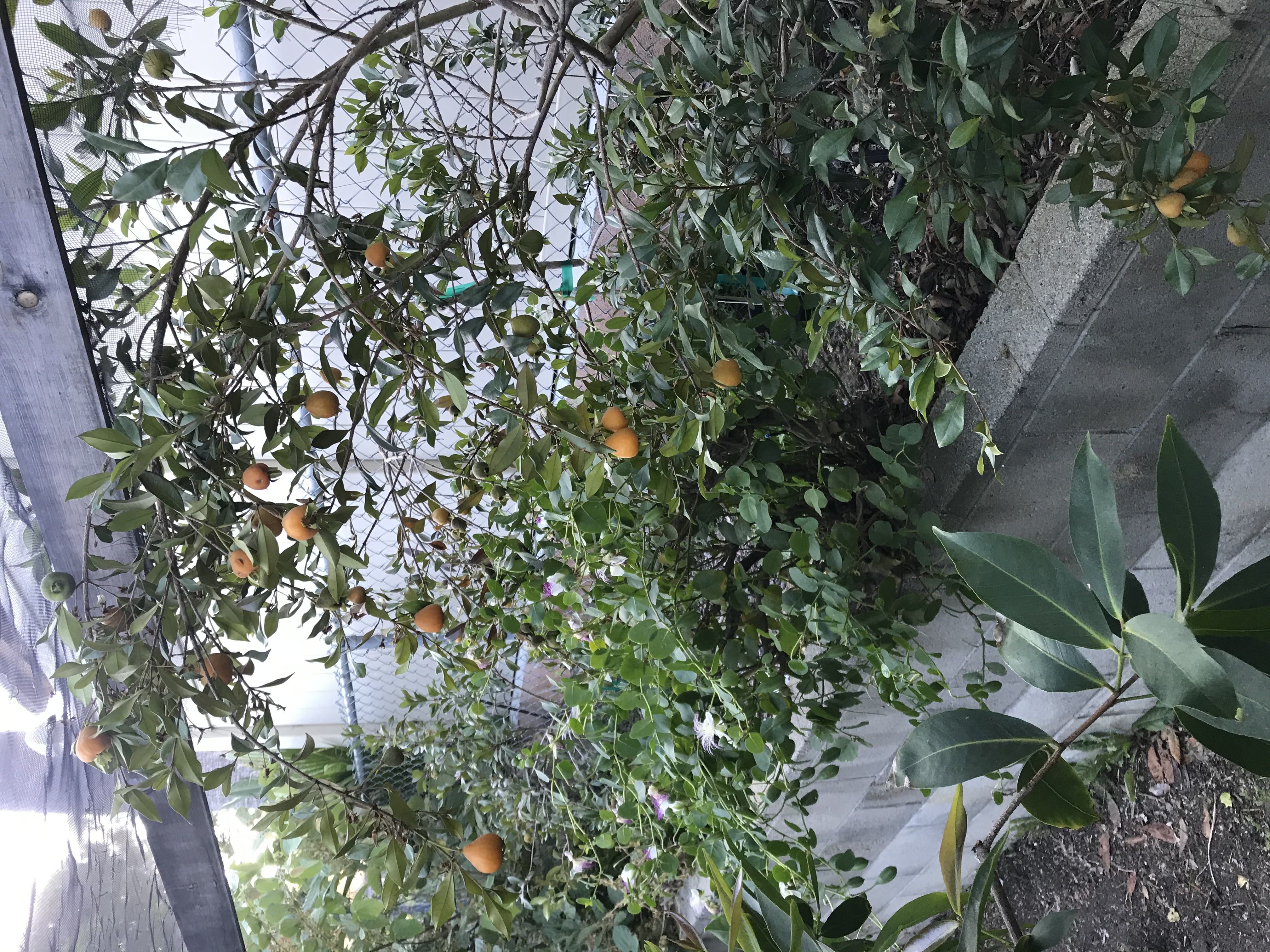
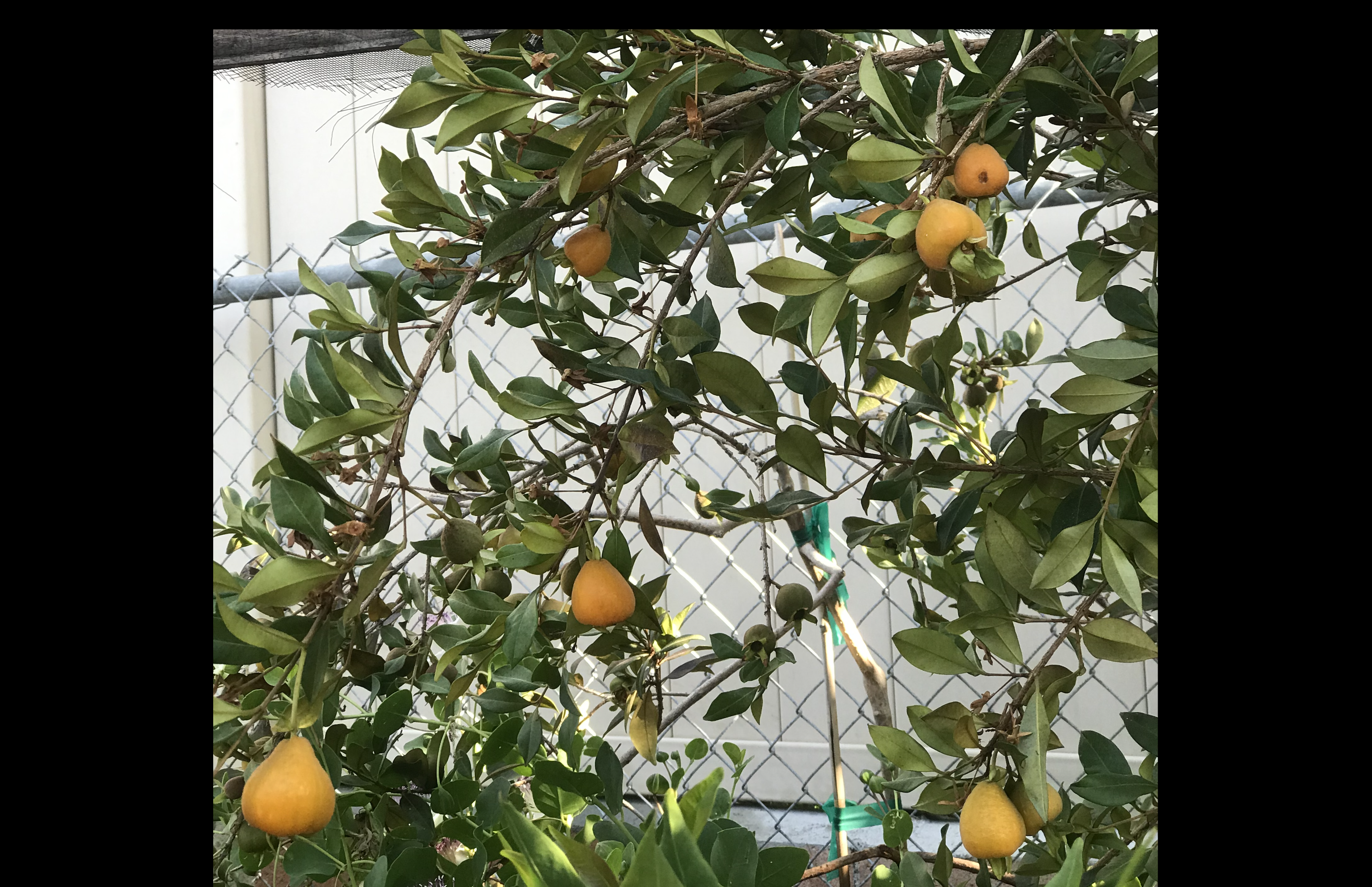
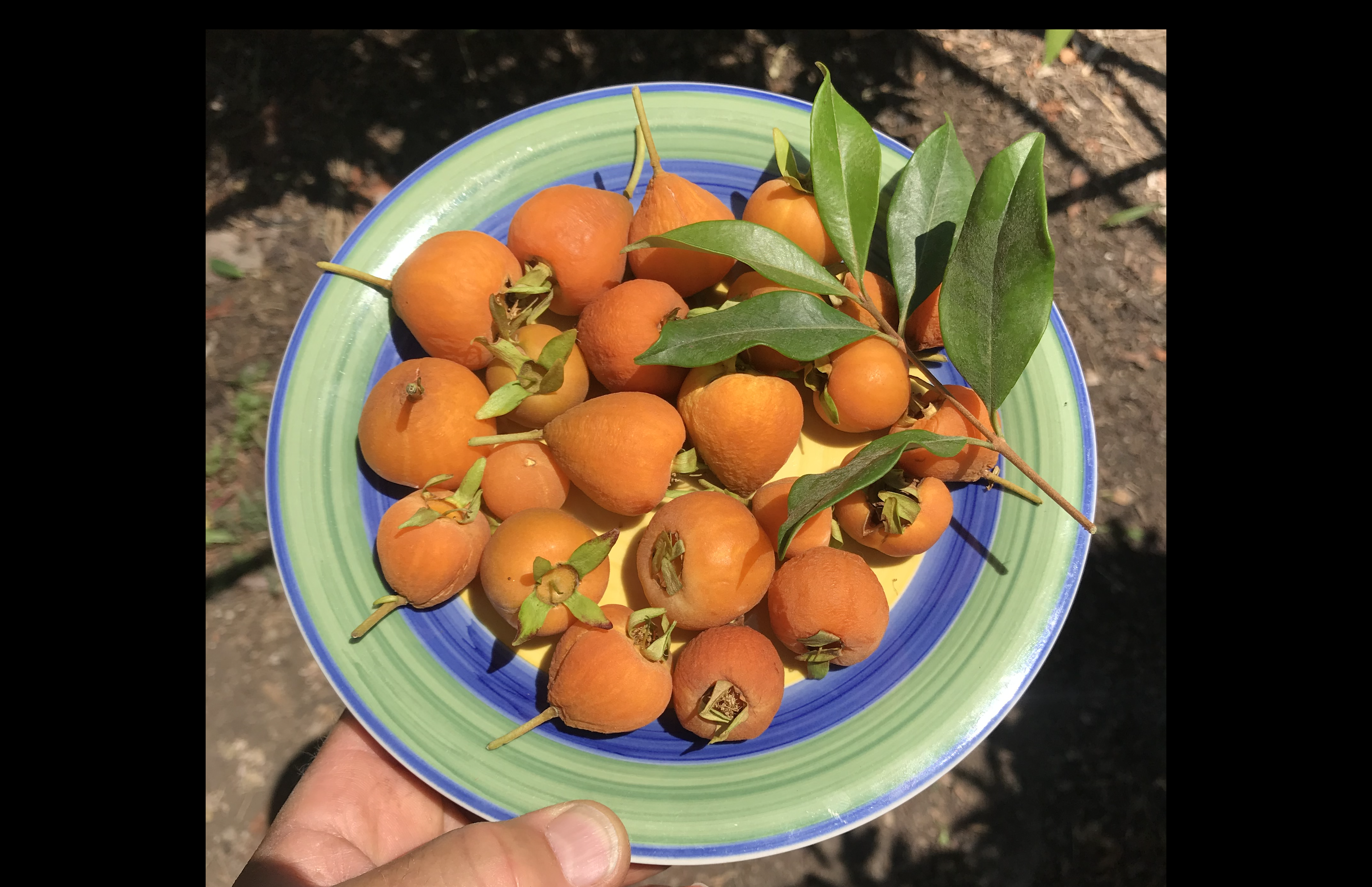
| Common Name | Pitomba / Pitomba da Bahia / Ulvalha do Campo |
| Scientific Name/Synonyms | Eugenia luschnathiana |
| Cultivars/Varieties | 'California Gold' |
| Country of Origin | Brazil |
| Native Range | Not Applicable |
| Also found in other Regions | Pernambuco, Paraiba, Piaui, California, Florida and Hawaii |
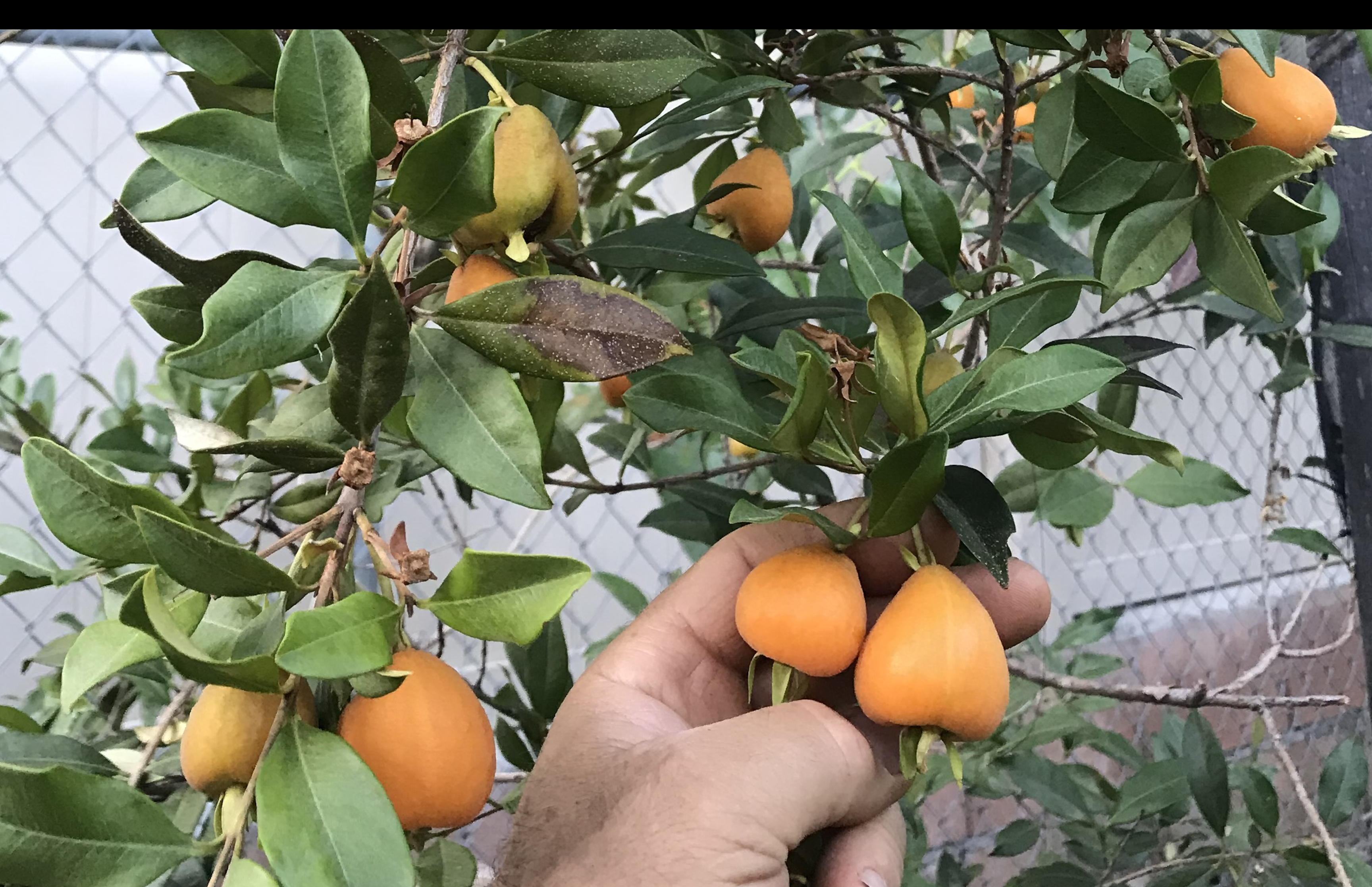
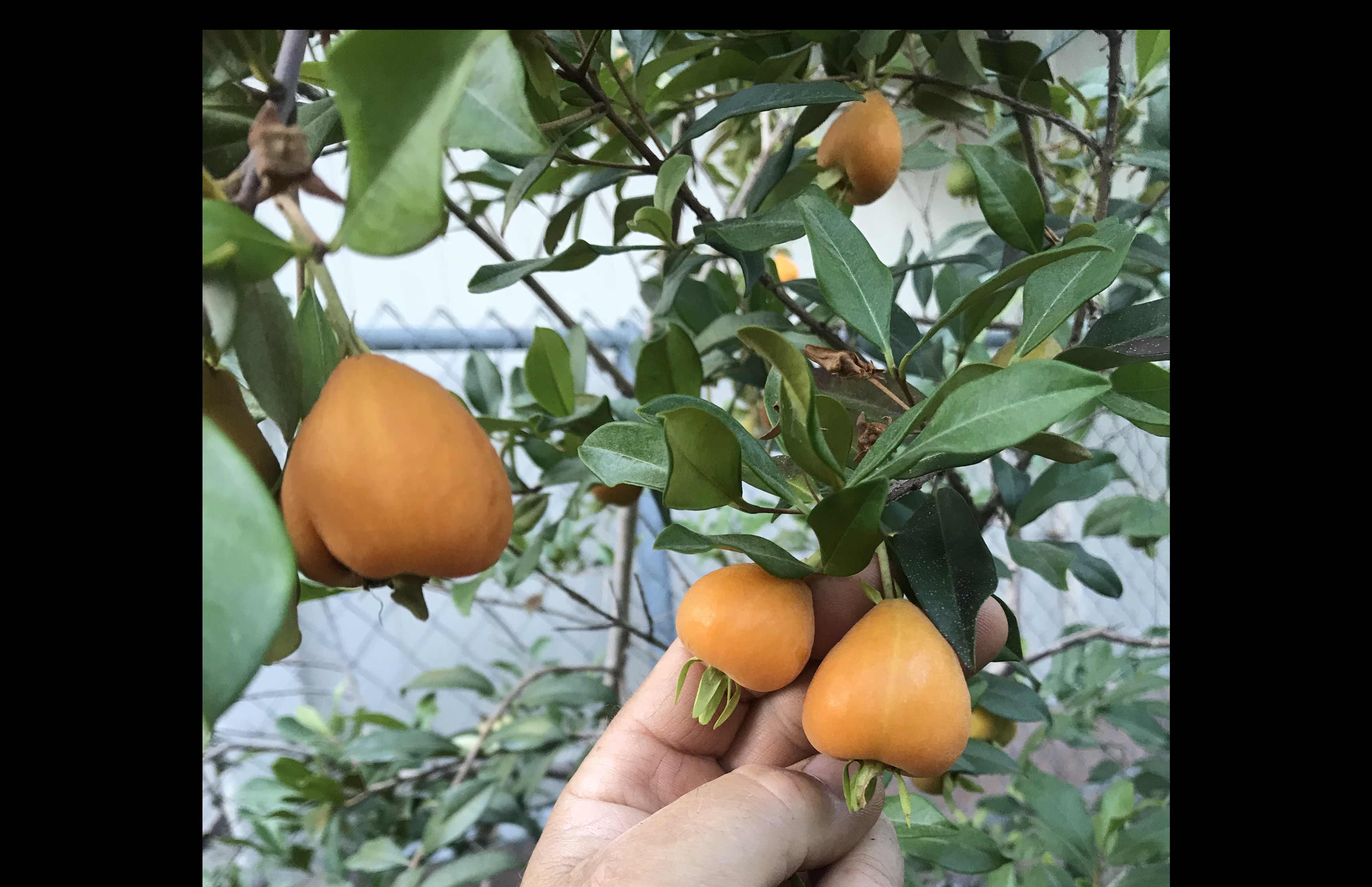
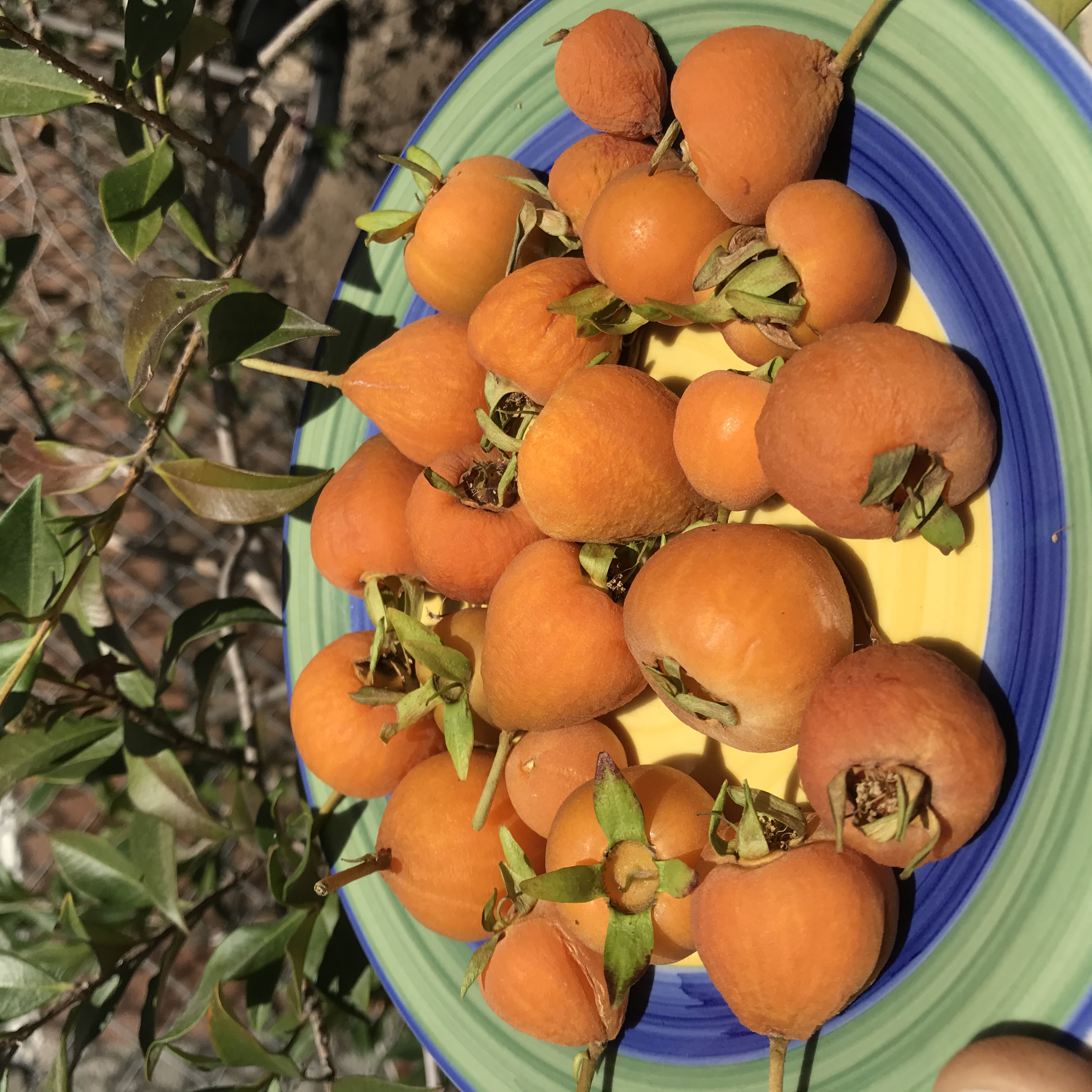
| Description | The Pitomba or "Pitomba da Bahia" is a lesser-known yet highly cherished tropical fruit tree that, as the common name suggests, is native to the state of Bahia located in NE Brazil. It can also be found throughout the Atlantic Forest to as far west as the eastern Cerrado region and was eventually introduced to the country of Gabon located all the way across the Atlantic ocean in coastal central Africa! As a point of clarification, the Pitomba is a member of the Myrtaceae family and should not be confused with the unrelated Talisia esculenta(Sapindaceae) which shares the same common name of "Pitomba". In recent years, this relatively obscure offering has garnered increased attention and as such, is grown in Florida, California and Australia most likely due in large part to the bright, orange-yellow colored fruits pleasing flavor similar to that of preserved apricot and passion fruit. In its native land, the plant itself is often found in home gardens as well as in wild groves and is locally appreciated for its refreshing flavor as a carbonated beverage on hot days. It has cultural significance in local cuisine, is easy to grow, beautiful to look at and bursting with tropical flavor. It's perfect for gardeners seeking an exotic addition to a truly Brazilian fruit landscape collection. |
| Evergreen/Deciduous | Evergreen |
| Height x Width | 8' x 6' |
| Growth Habit | Shrub-like, relatively compact |
| Growth Rate | Slow/Medium |
| Sun Exposure | Partial Shade/Full-Sun |
| Cold Hardiness | Tolerant to 30°F |
| Fruit Bearing Age/Height | Three to Four Feet |
| Suitable To Container Culture | Yes |
| Harvest Period | July - September |
| Video | Coming Soon |