| Description |
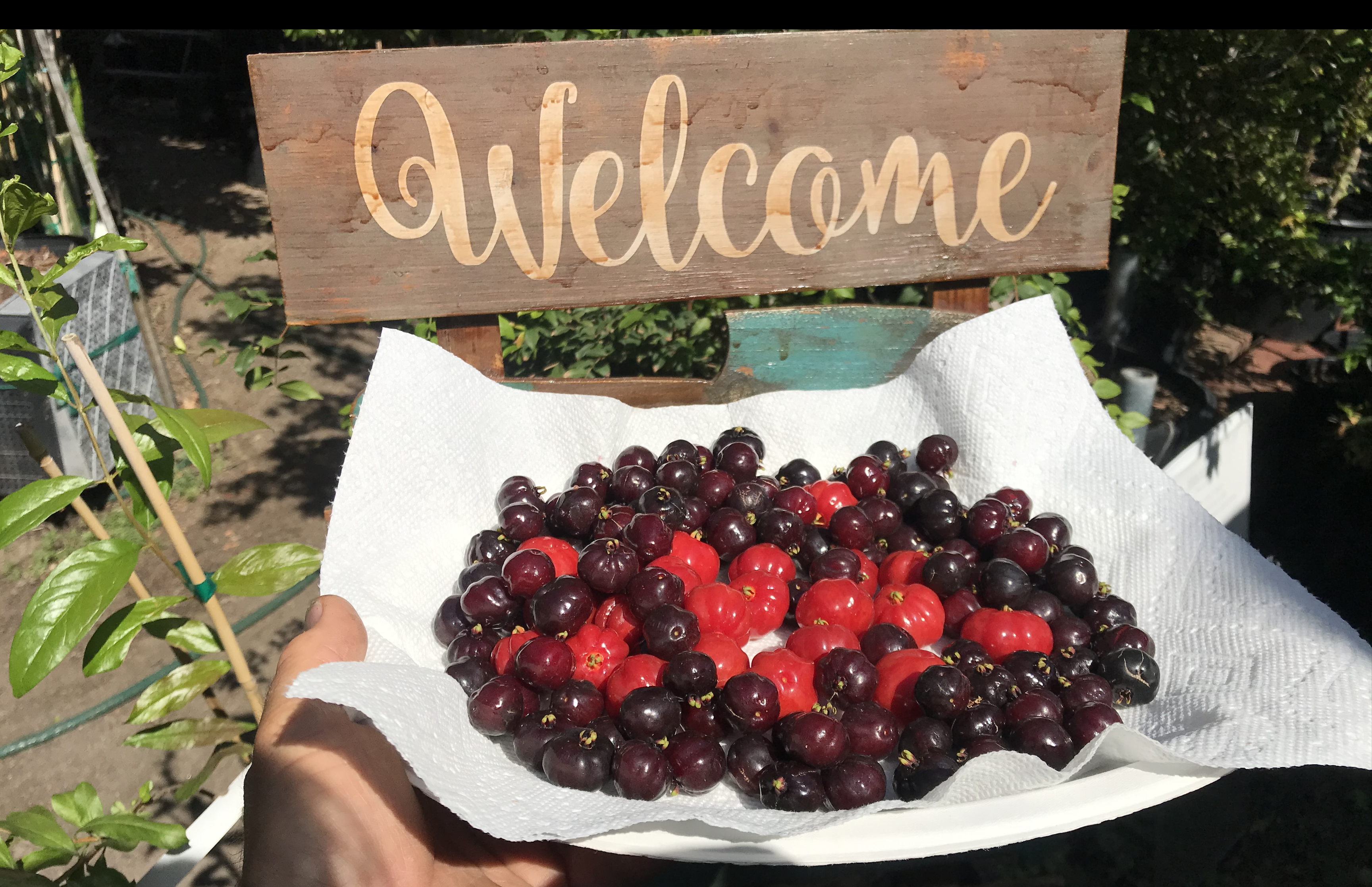
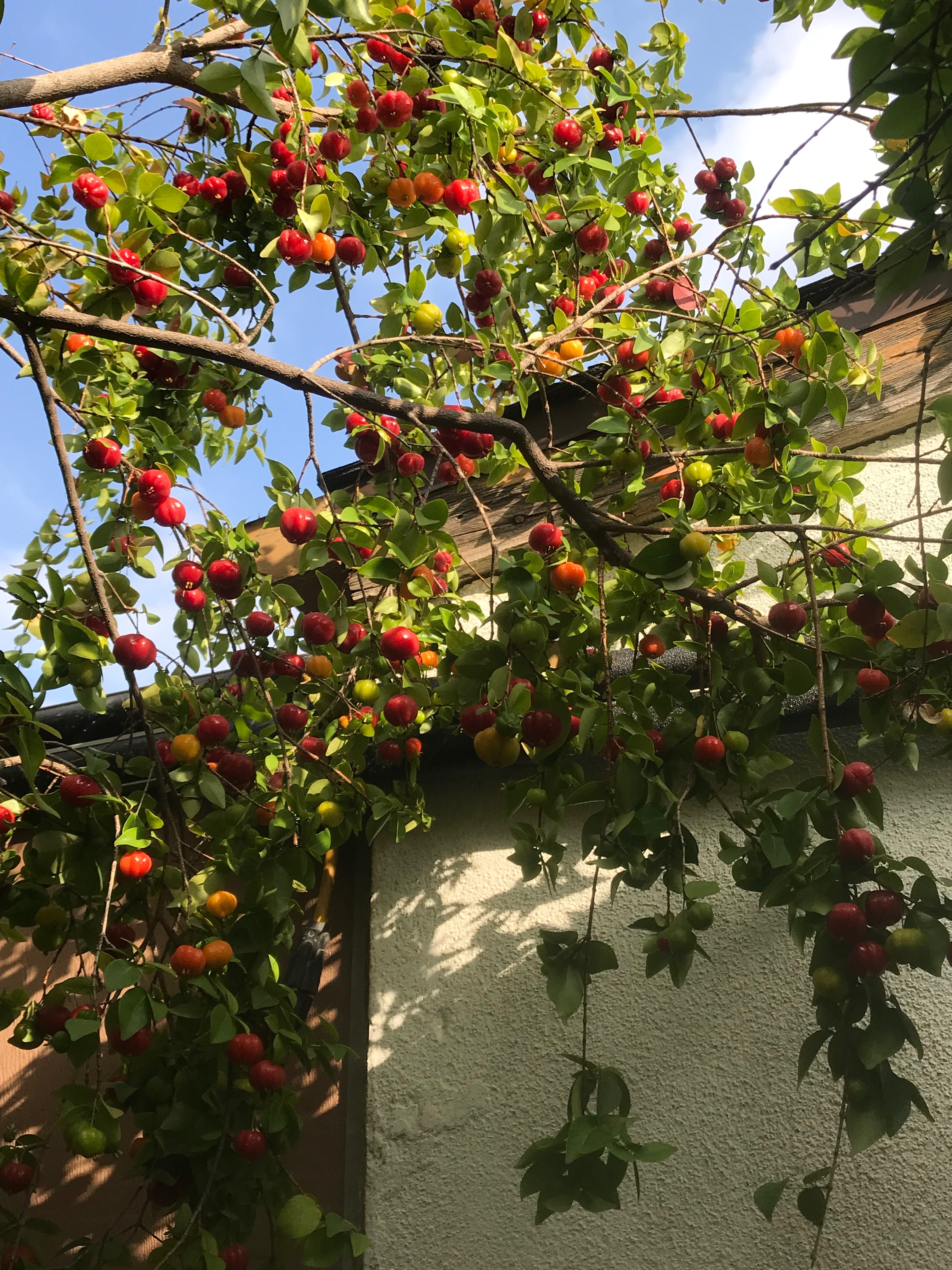
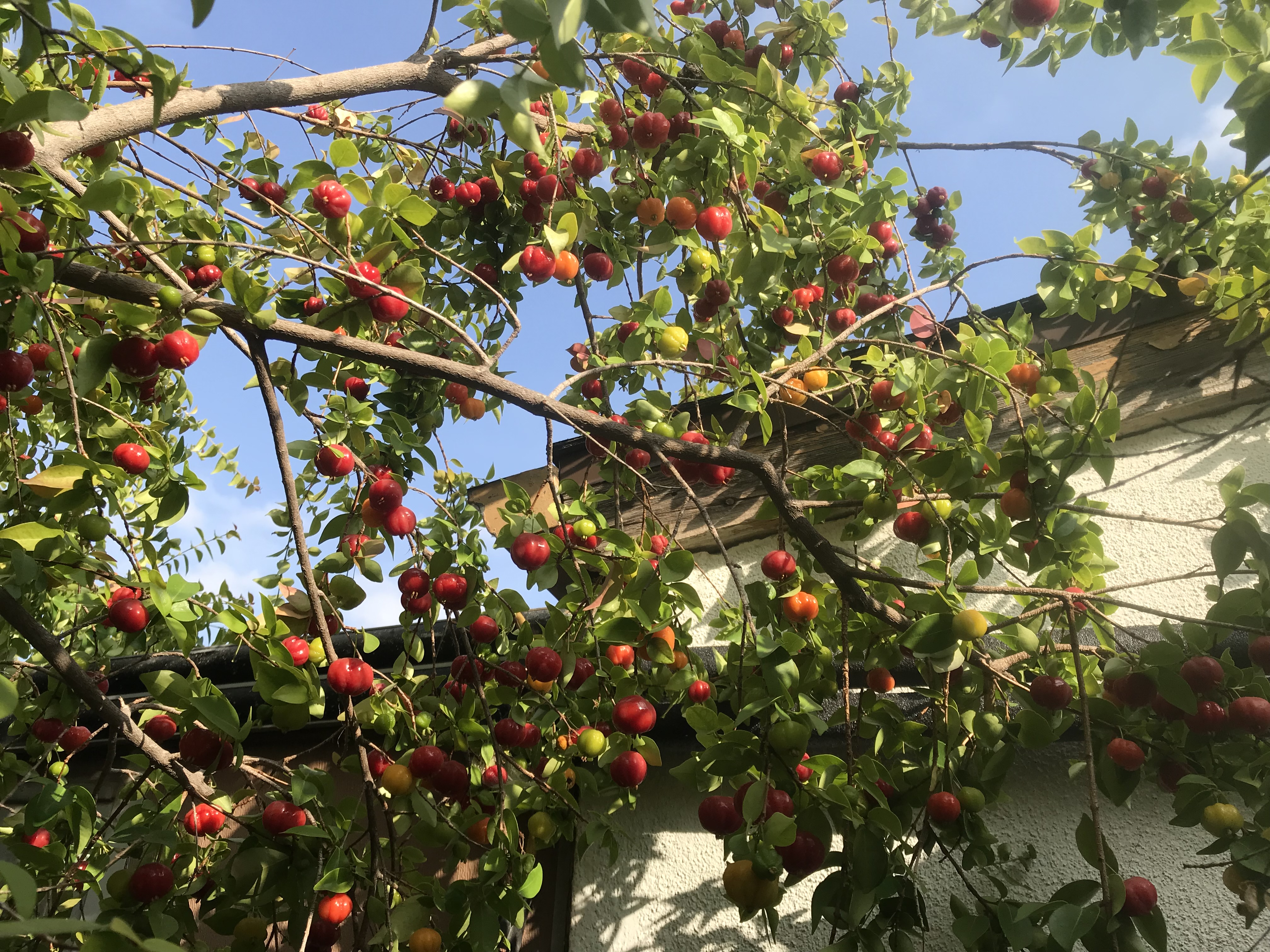
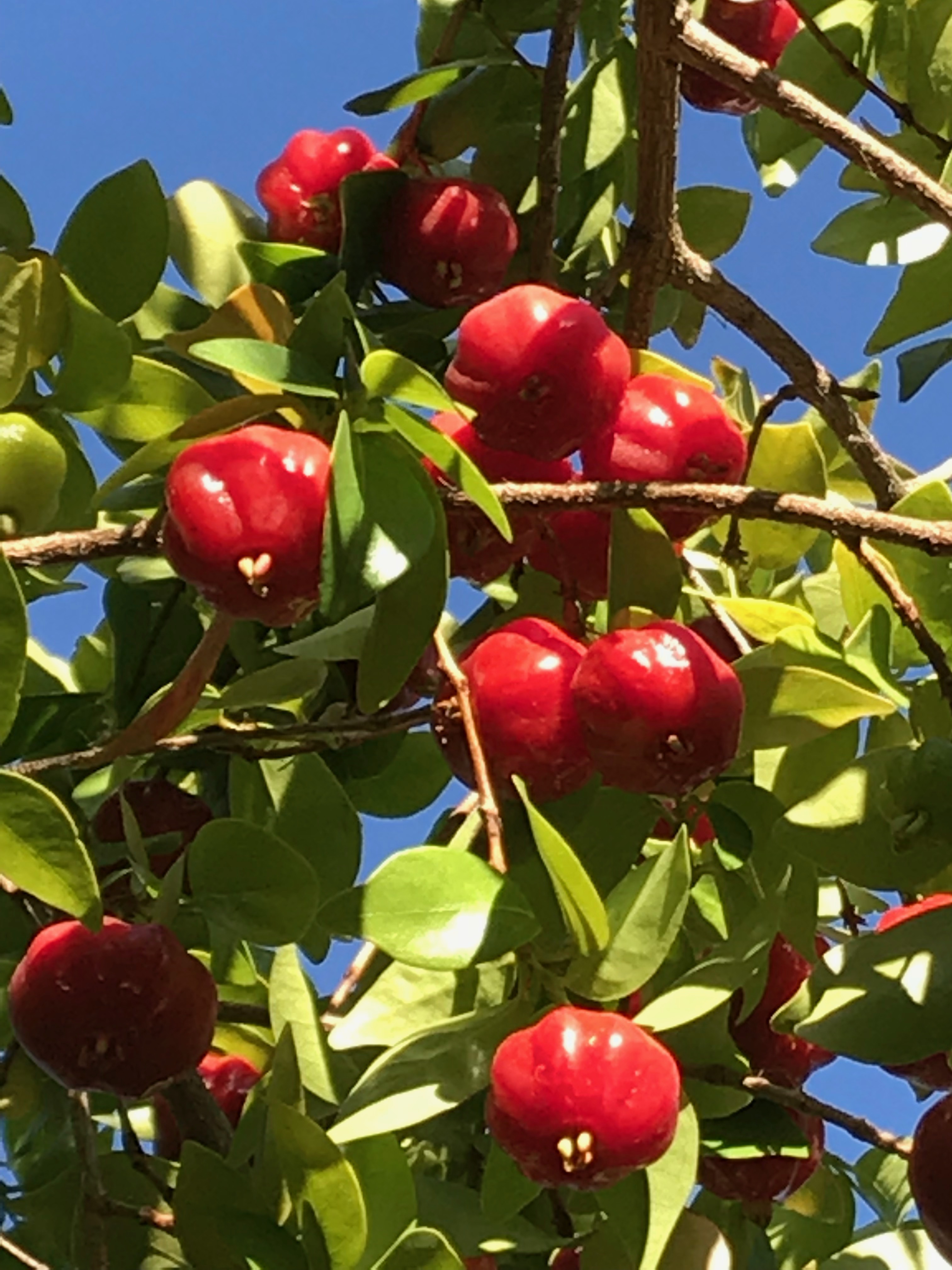
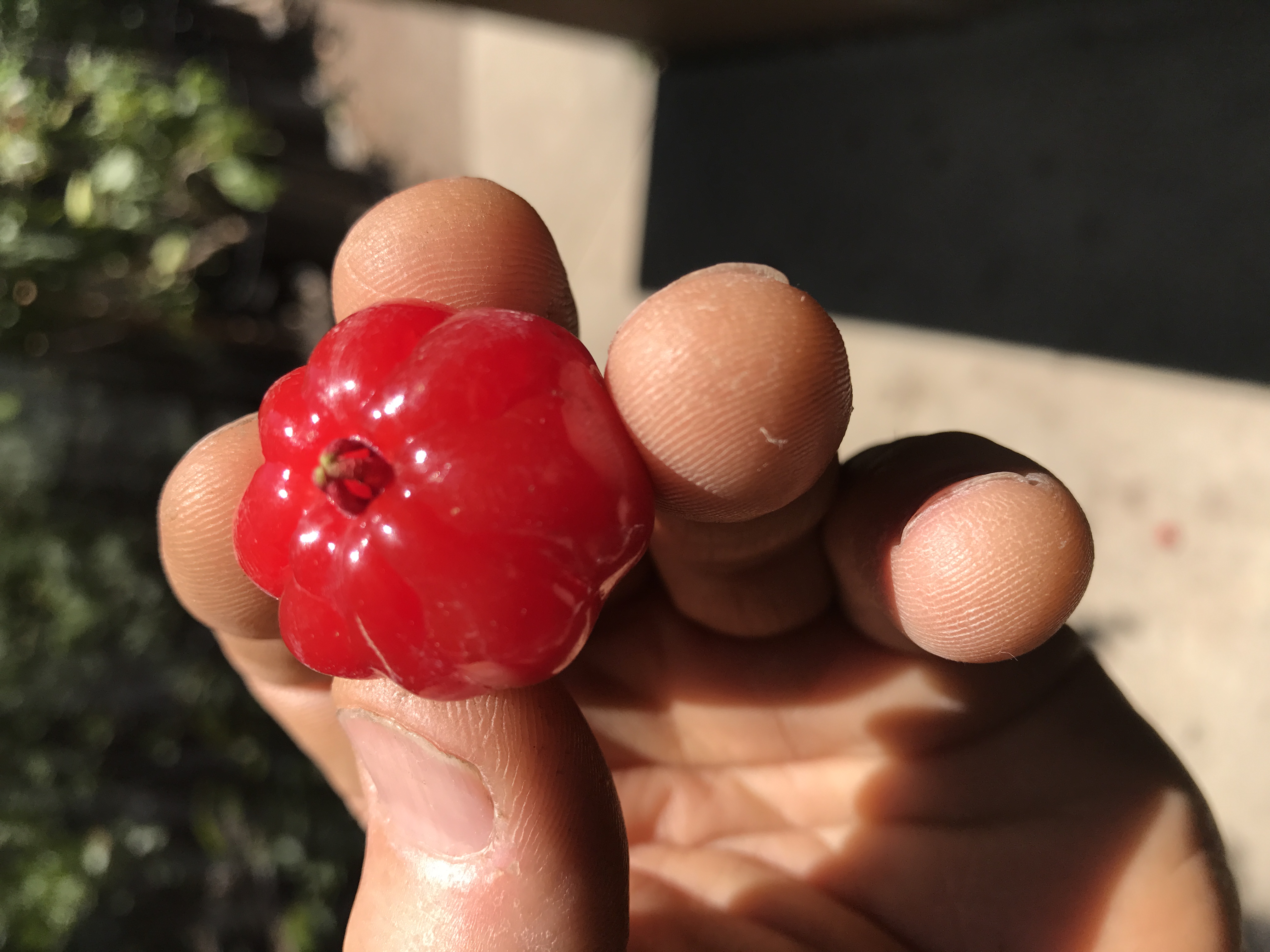
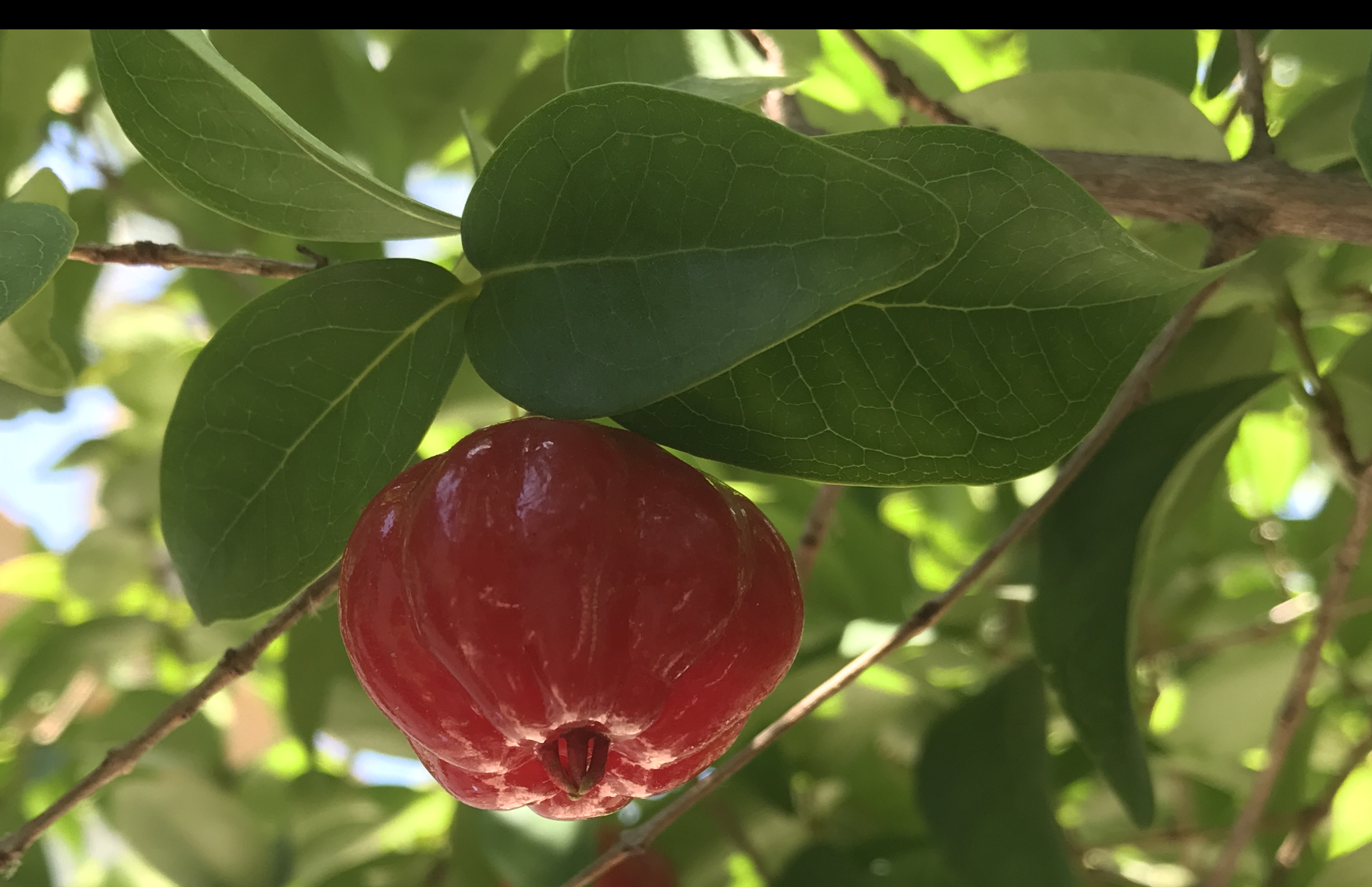
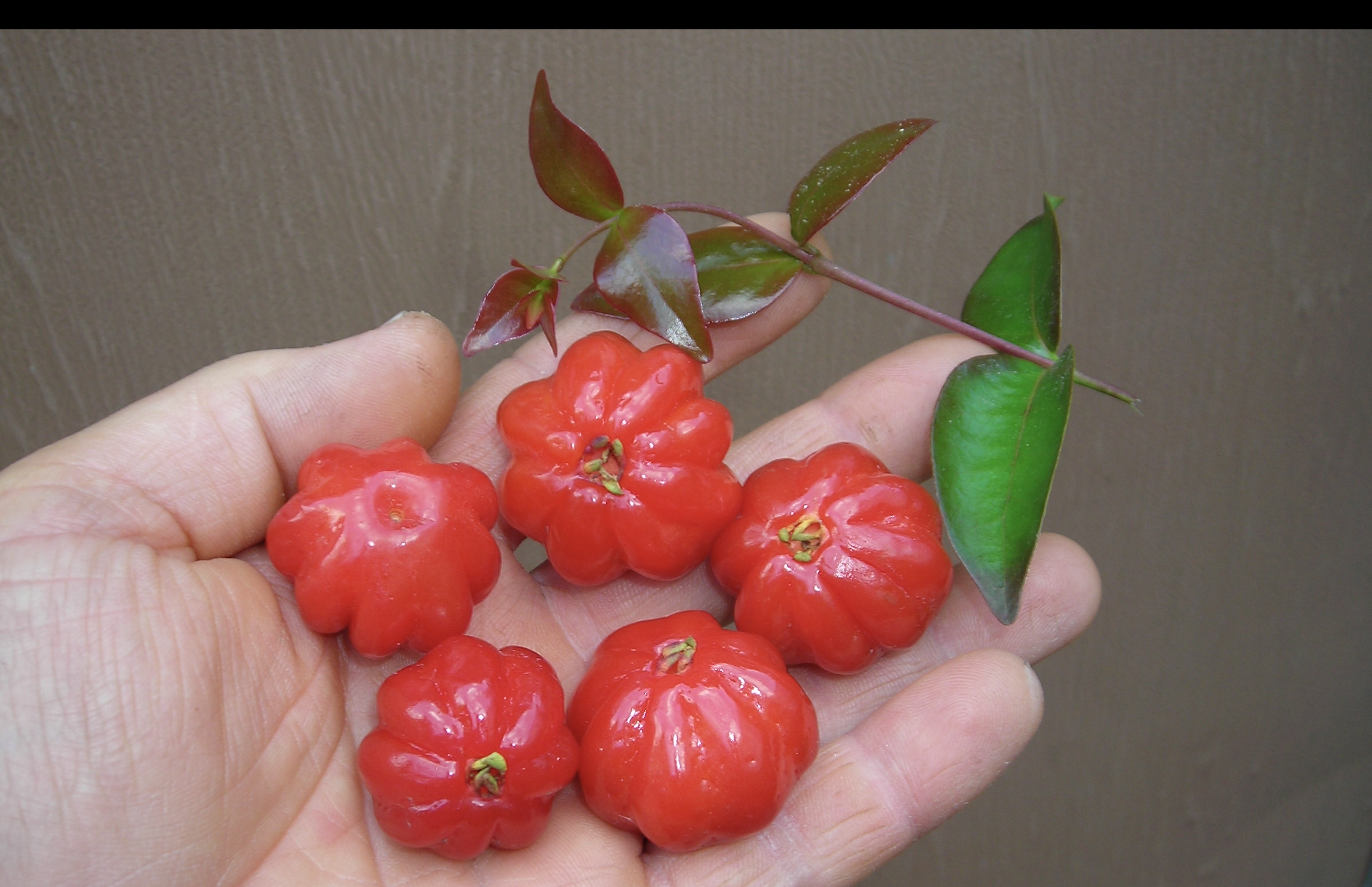
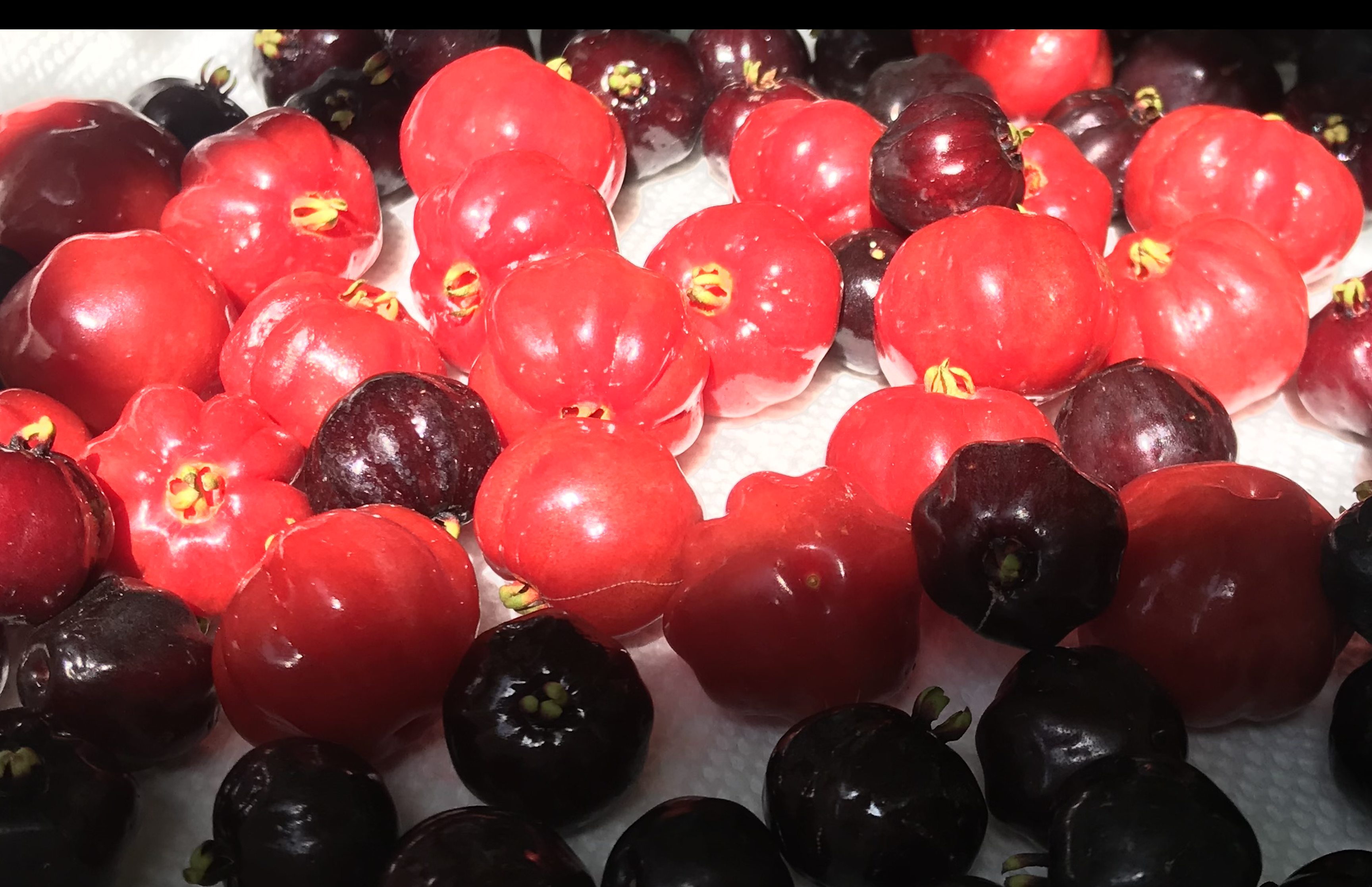
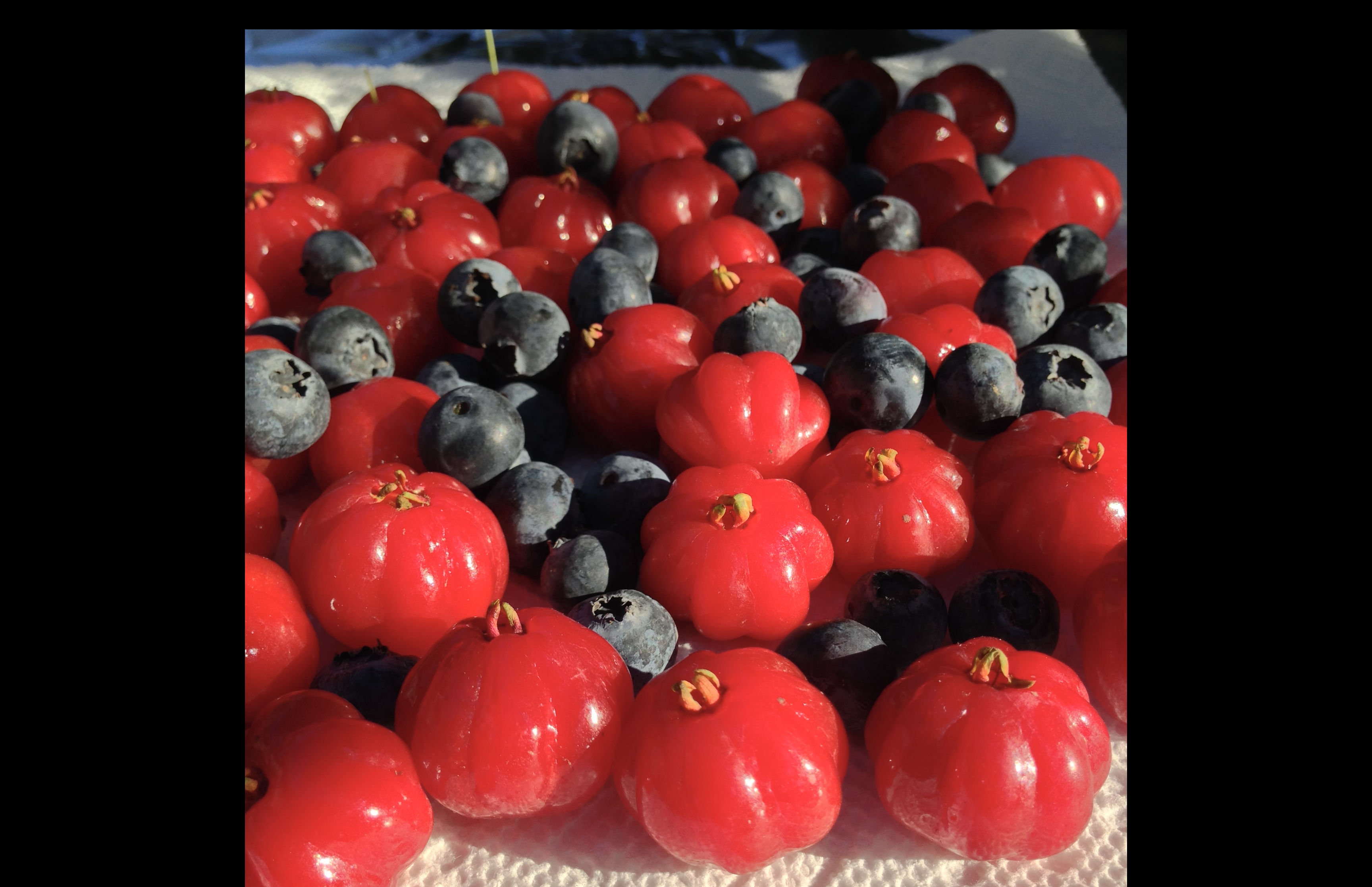
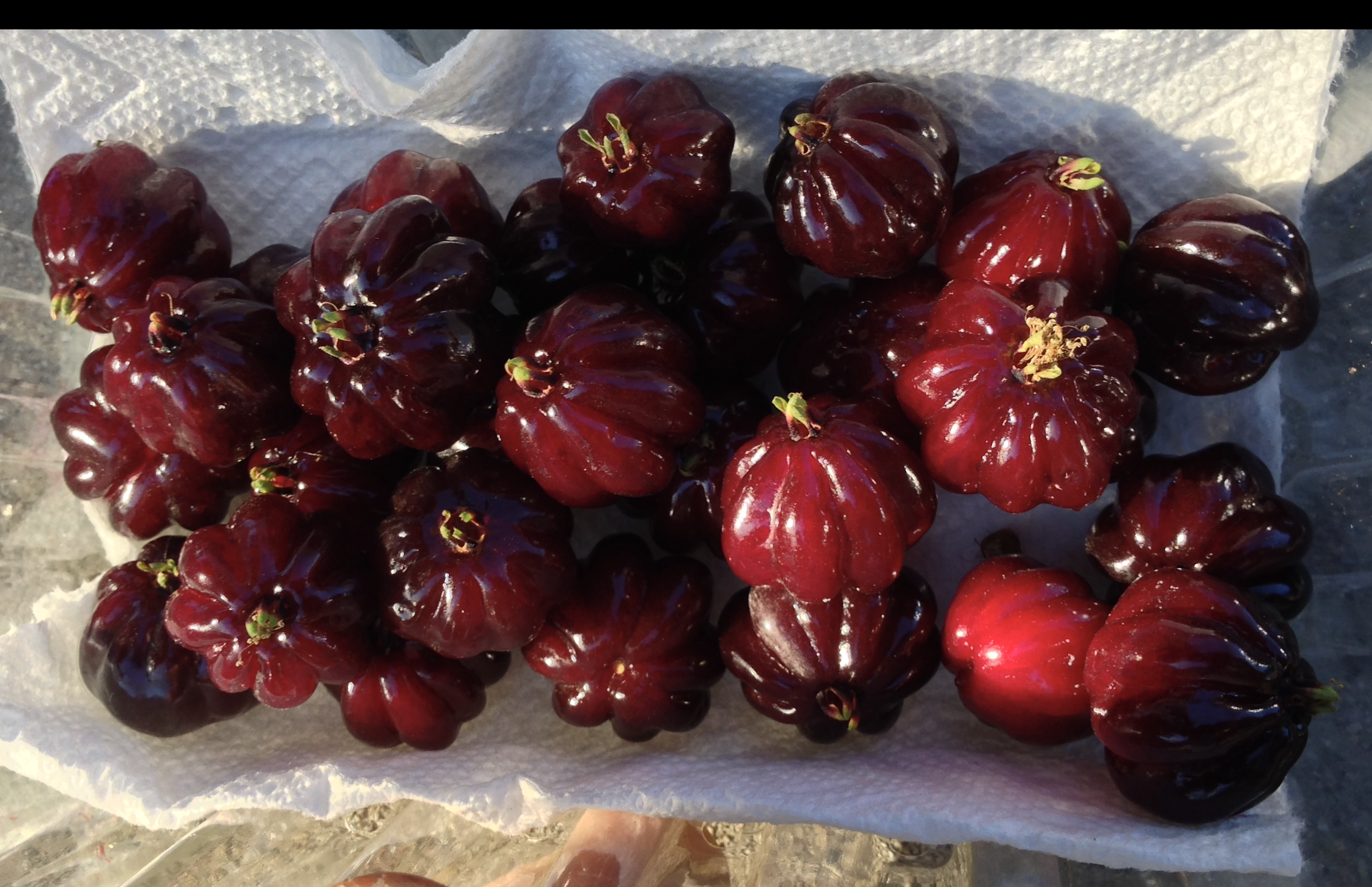
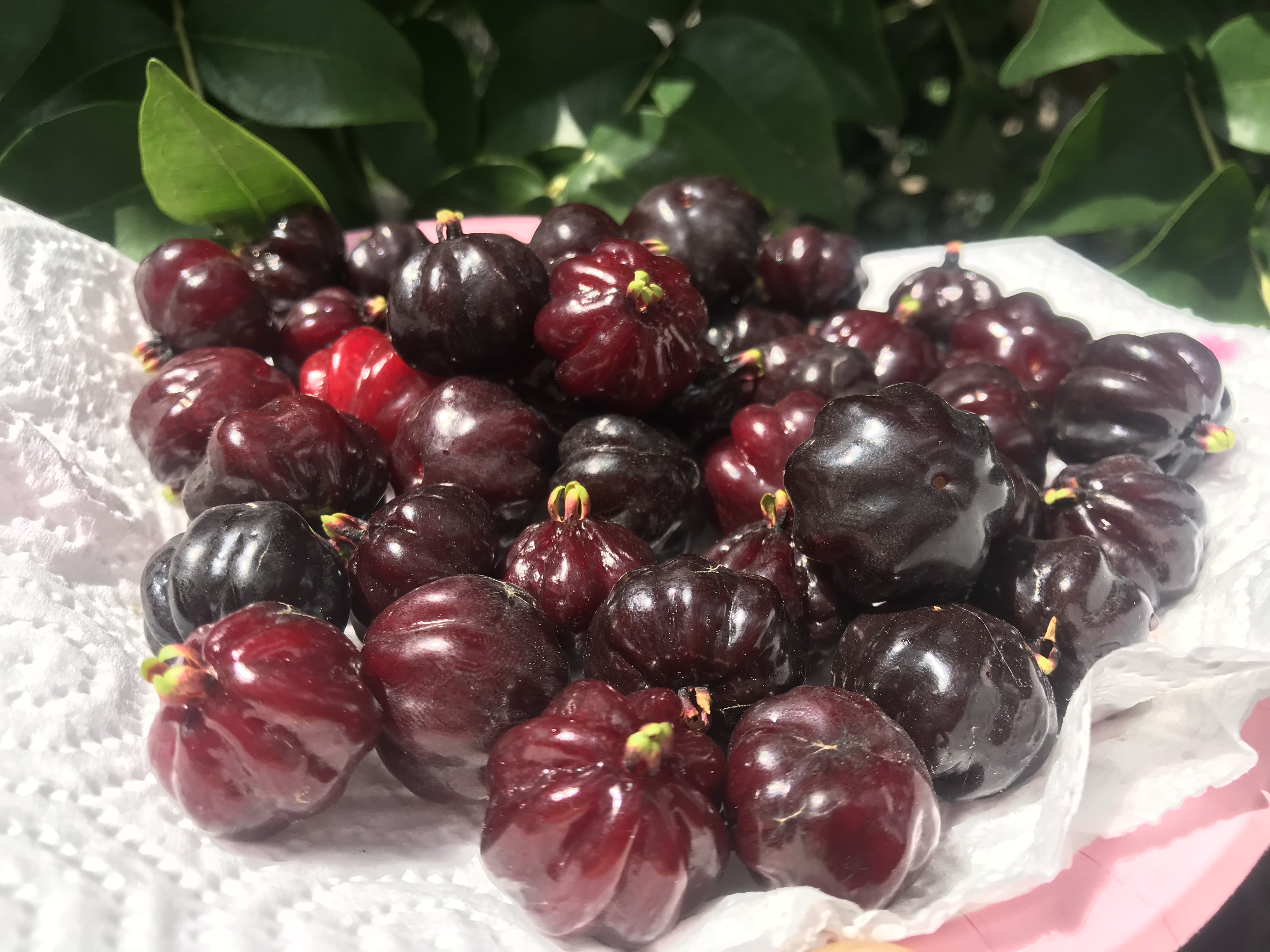
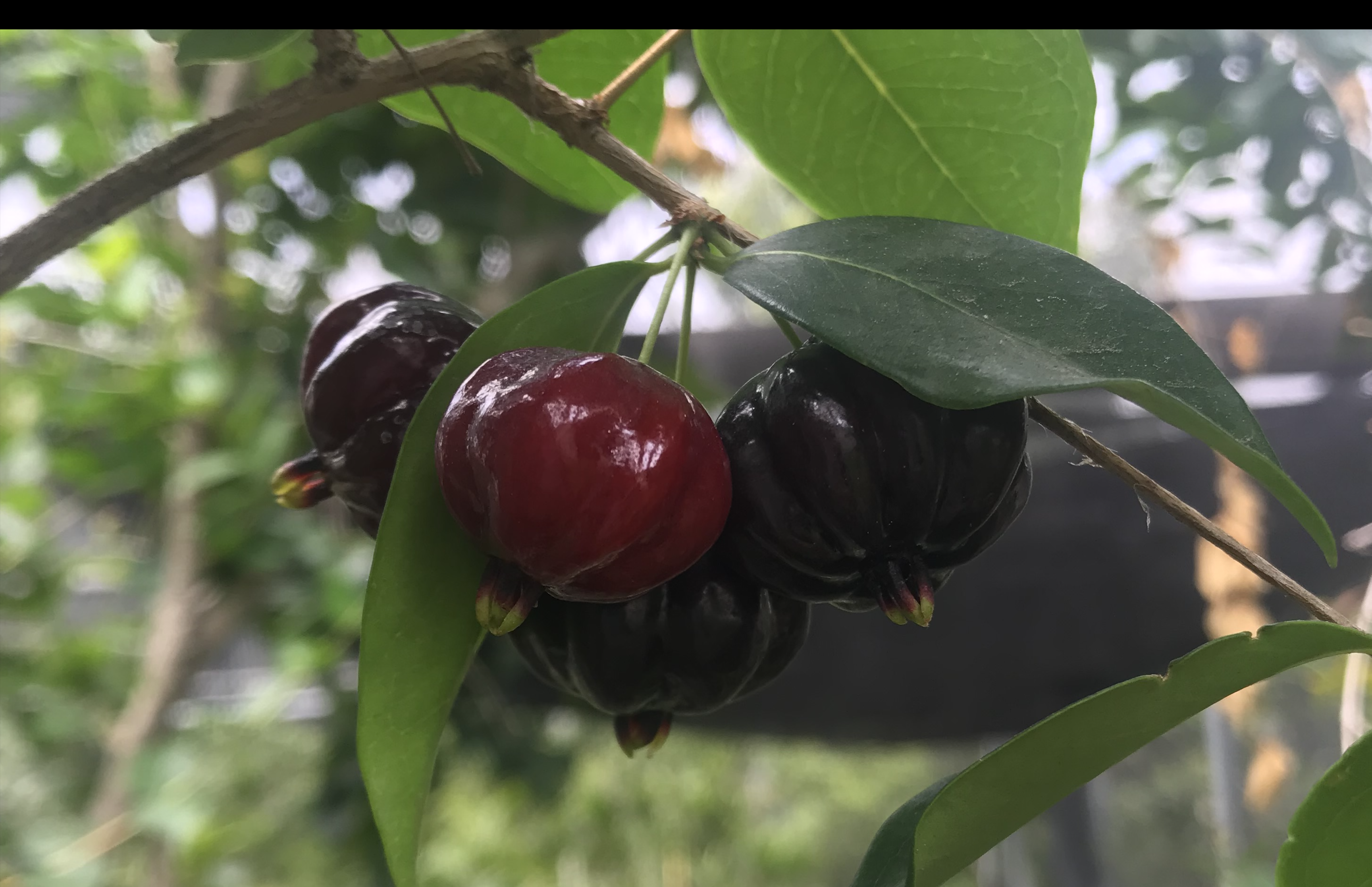
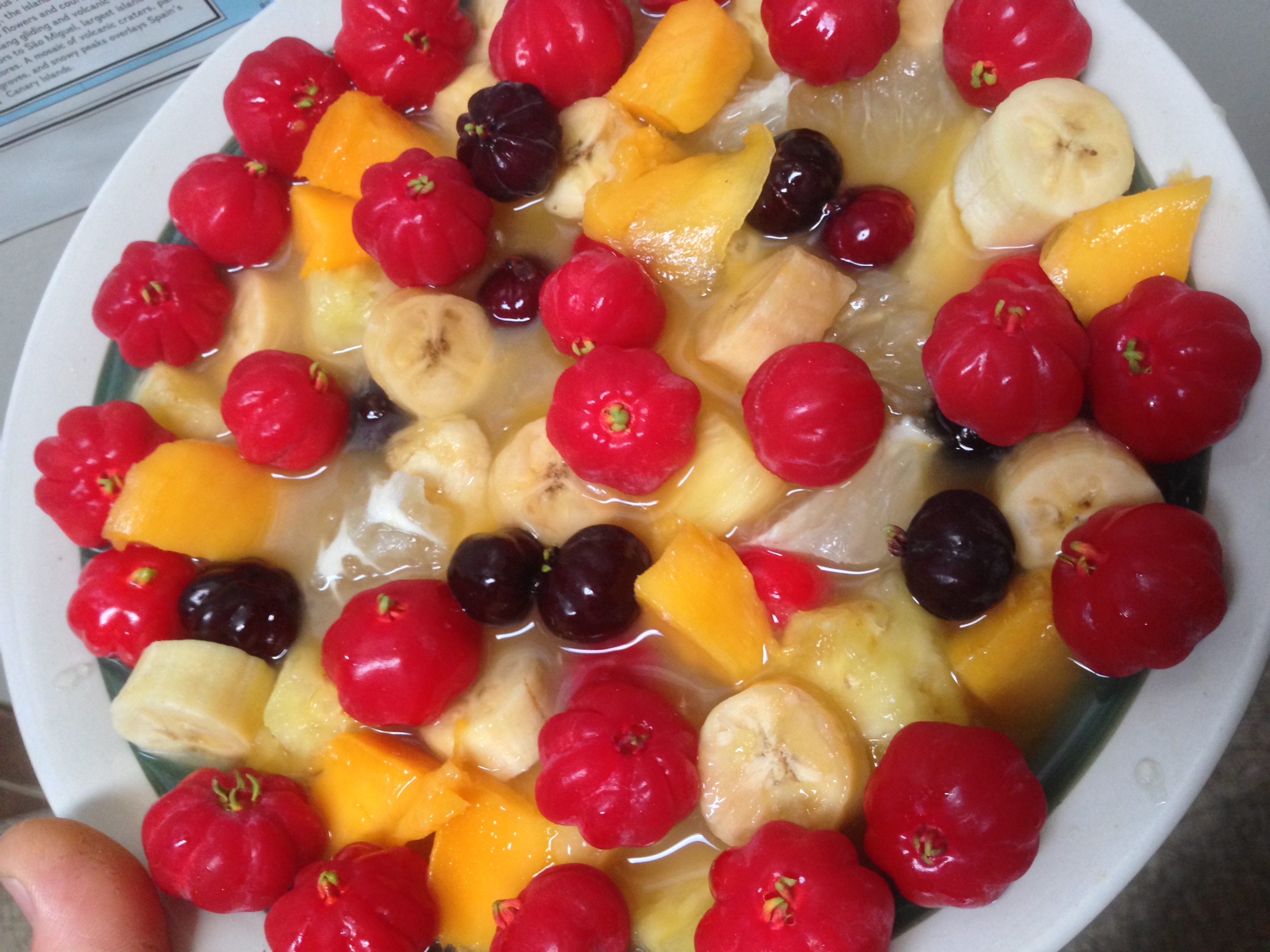
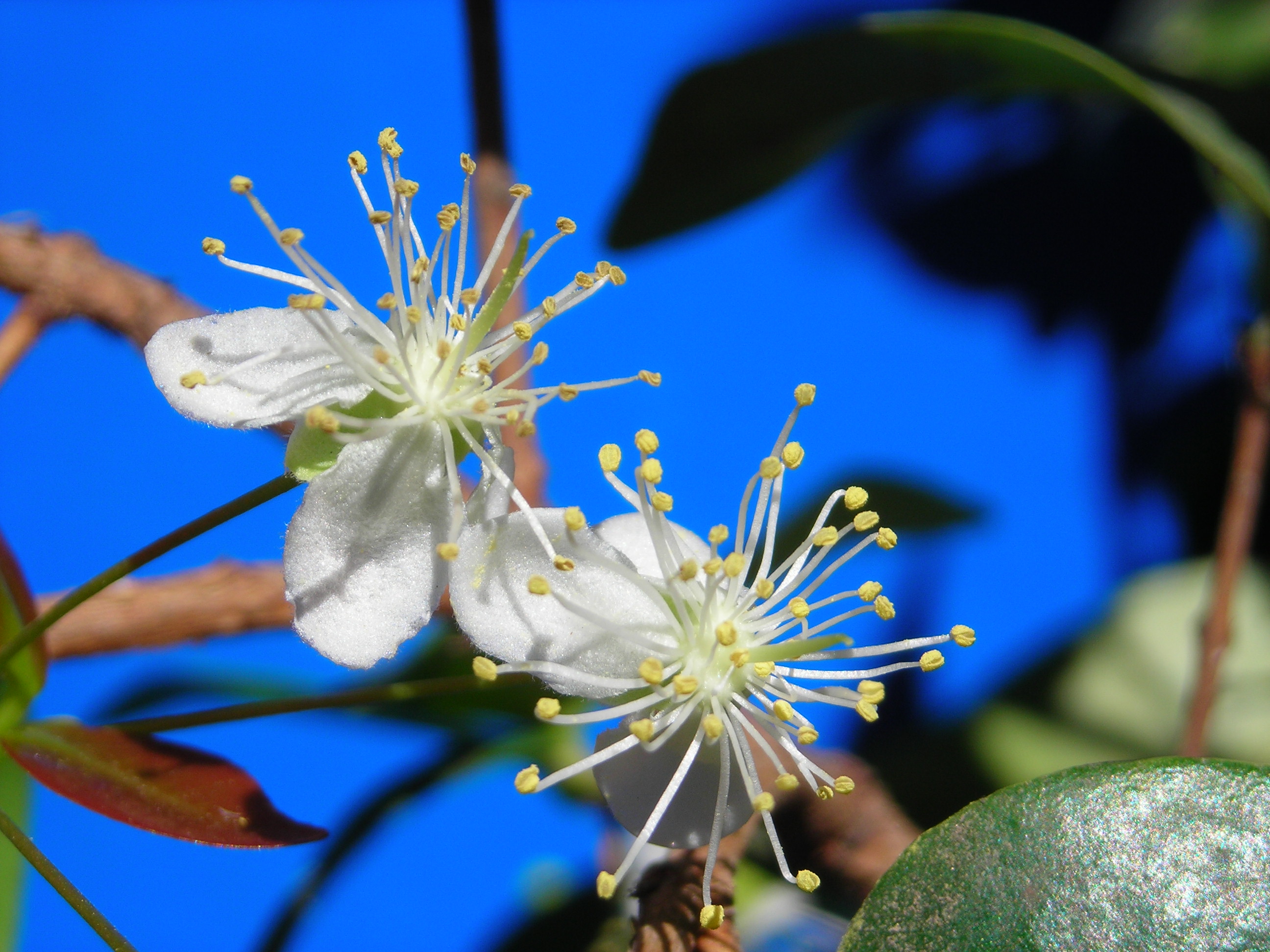
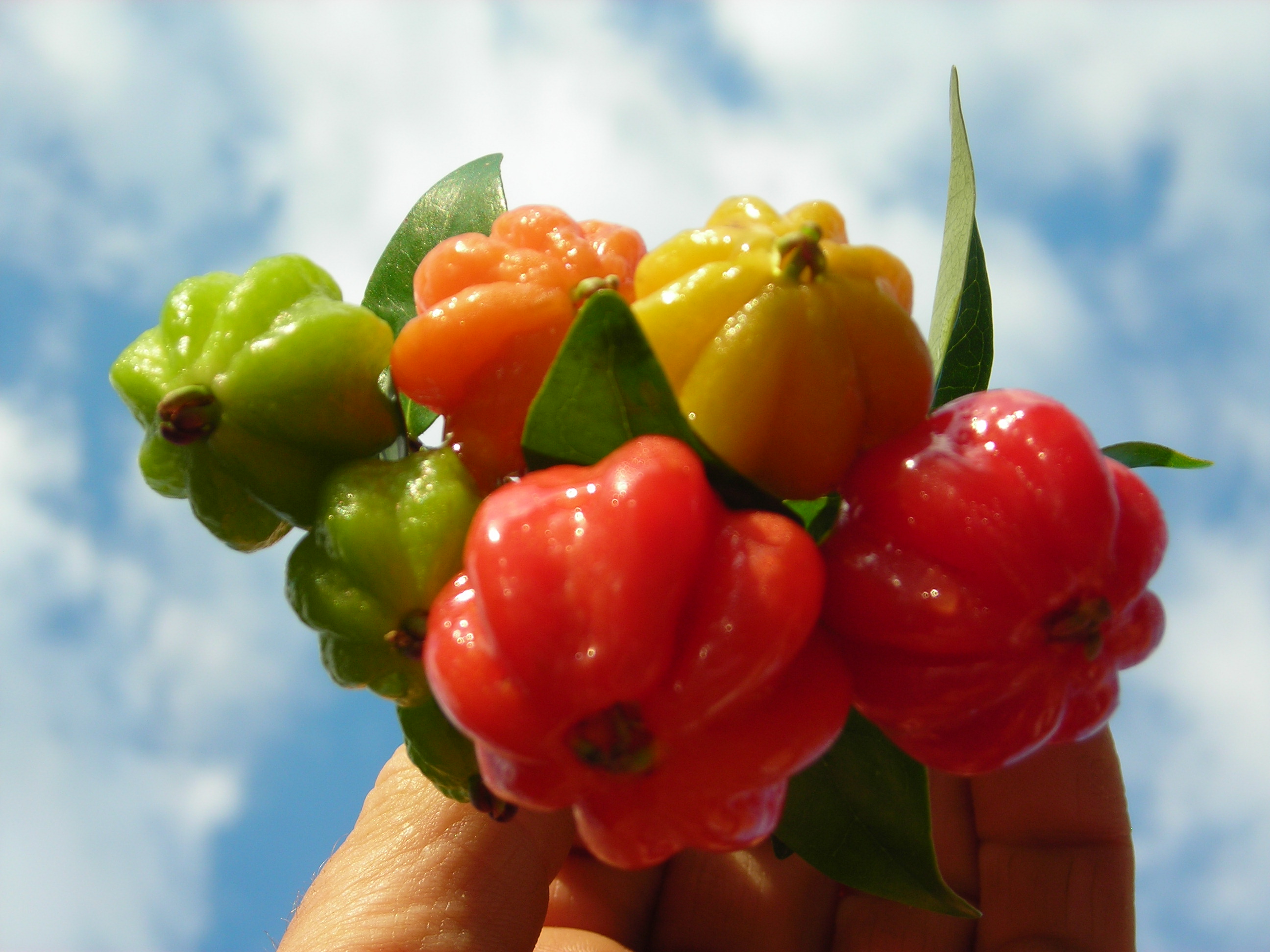
The Pitanga or Surinam Cherry is a widely adaptable evergreen, tropical plant that successfully grows in various sub-tropical regions as well. Cultivars of this plant can be maintained at a height of less than 10 feet tall. As the name suggests, it is native to Suriname yet also Guyana, southern Brazil and various regions in Uruguay. While there is considerable fruit variability in this species, there are two main types of fruit produced; when fully ripened one type has a deep red skin color and the other, a dark purple to black skin color. Over the last 40 years some casual selective efforts (made from seed-grown plants), have resulted in a few improved versions. A select few have been propagated by way of grafting to retain all the qualities from the parent plant such as improved flavor and precociousness. Unfortunately, very few of those improved, asexually propagated Pitanga plant varieties are made available to the public as it is more time-consuming, and the wild, seed-grown counterpart, sometimes fruit heavily, reducing the incentive to put forth the effort for asexual propagation. The fruit itself is visually quite eye-catching, displaying multiple skin colors at various stages of ripeness changing from bright green to yellow, light orange, light red, dark purple, and then black! It also has the relatively uncommon trait of producing multiple crops per year from March to October. Properly ripened fruits are juicy, and depending on the variety chosen, have the flavor combination reminiscent of a cherry, Japanese plum and a Mandarin orange. Some people say the flavor reminds them of a slightly unripe mango! In southern Brazil, it is commonly eaten fresh out of hand, made into preserves, ice cream's, fruit salad, custard pudding, pies, juices, and even into liquors. This is an easy one to grow; evergreen, produces tasty fruit and does so multiple times a year. Consider the Pitanga as a possible addition to the bounty of your edible Landscape. |