| Common Name | Jelly Palm/Pindo Palm |
| Scientific Name/Synonyms | Butia odorata / syn. Butia capitata |
| Cultivars/Varieties | 'Pulposa' |
| Country of Origin | Brazil (Southern) |
| Native Range | Southern Brazil → Uruguay |
| Also found in other Regions | Brazil, Uruguay, Argentina, California, Florida and Hawaii |
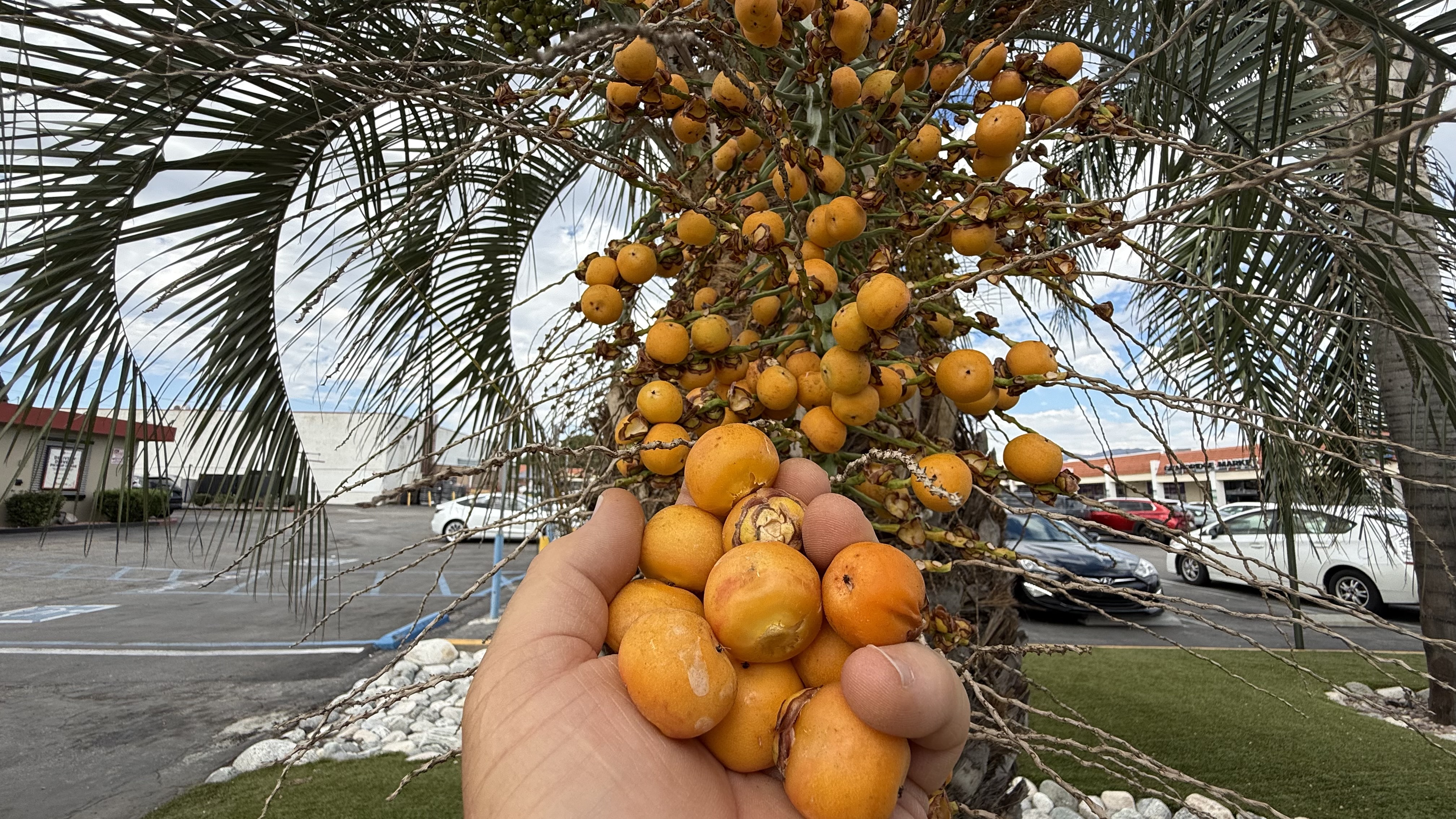
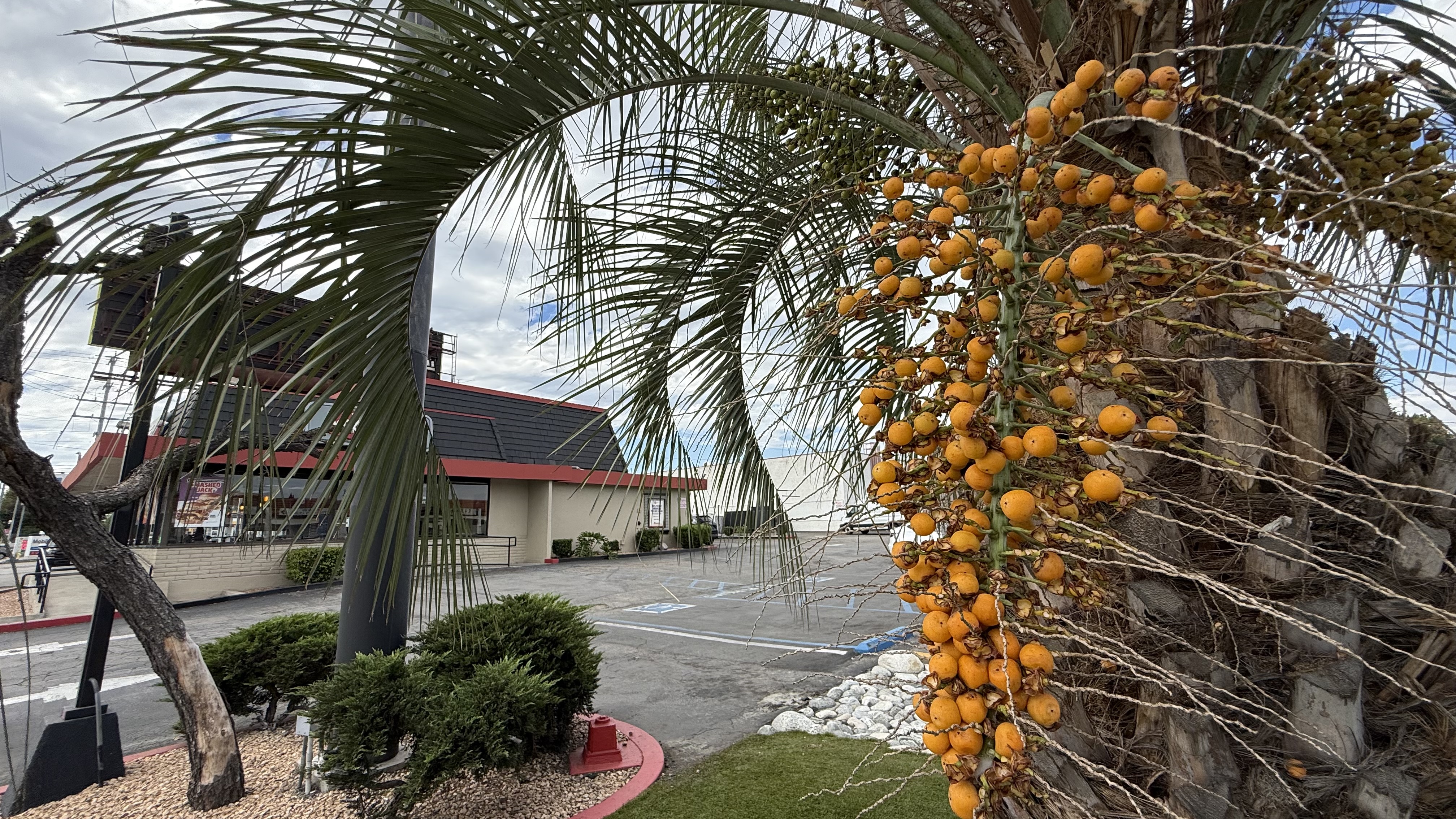
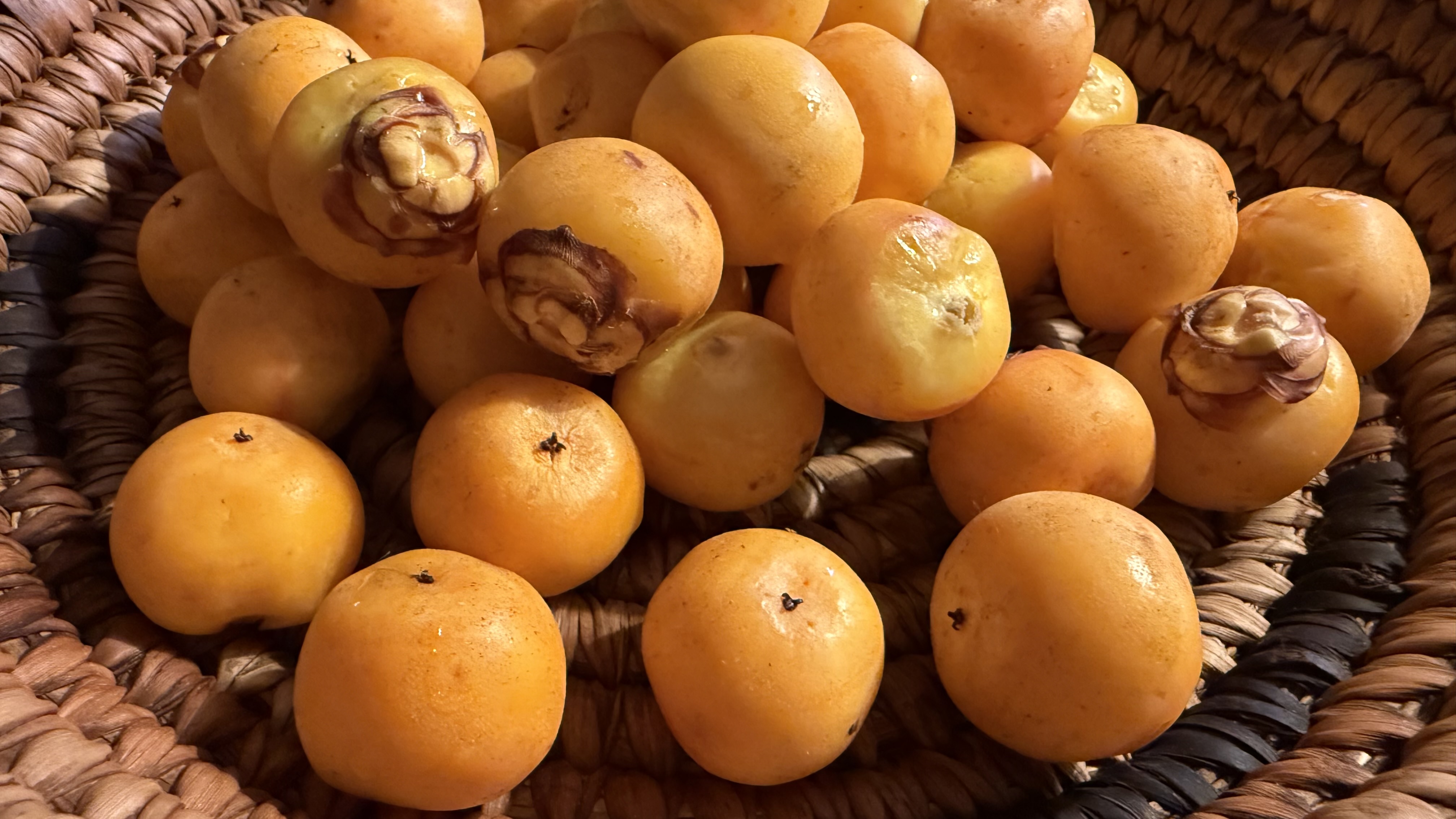
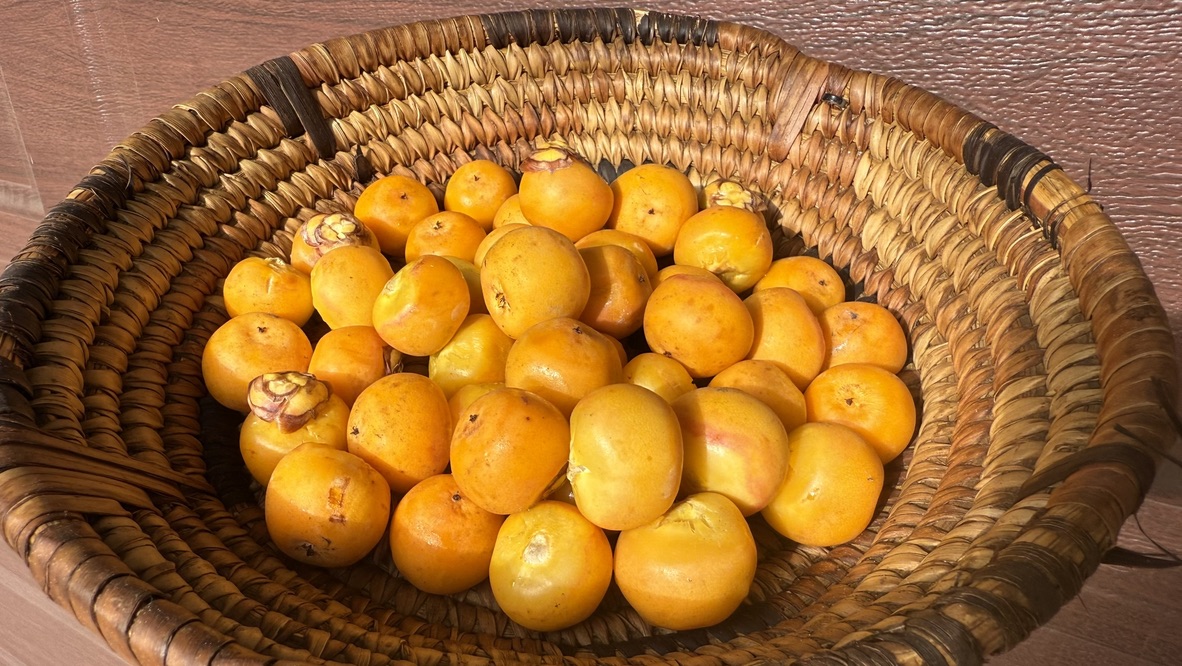
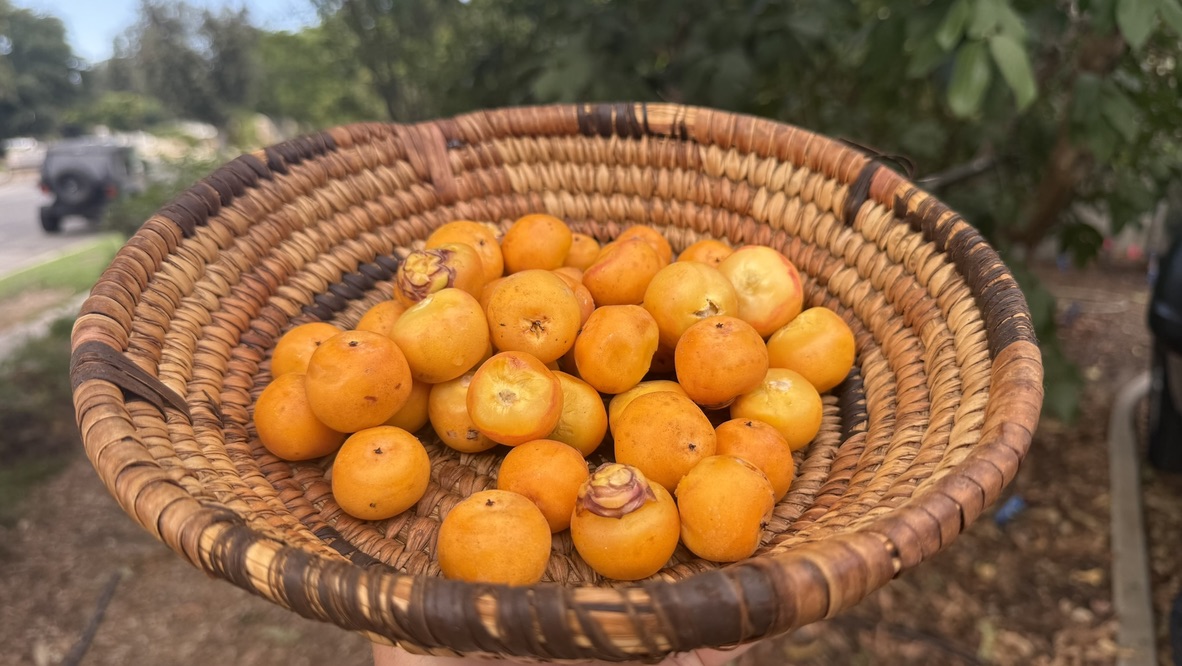
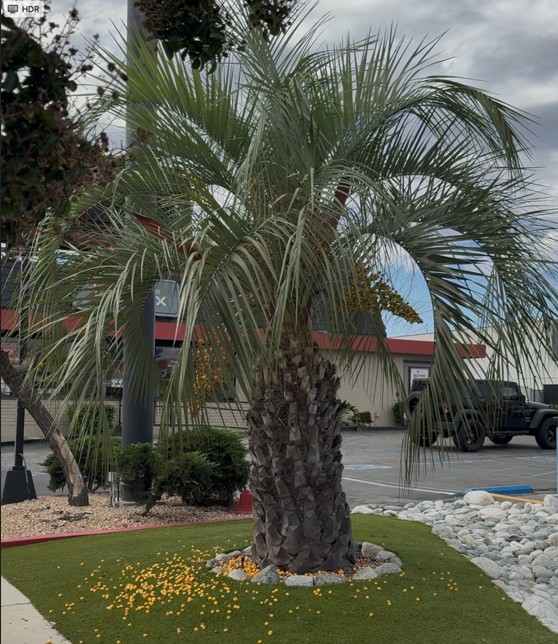
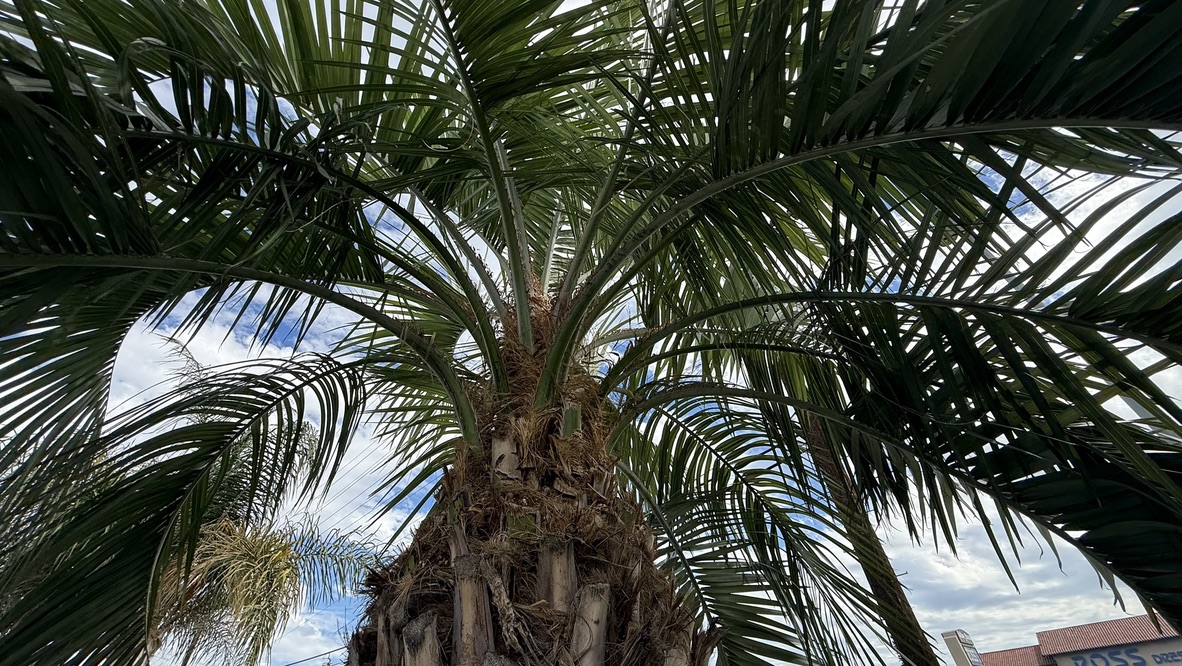
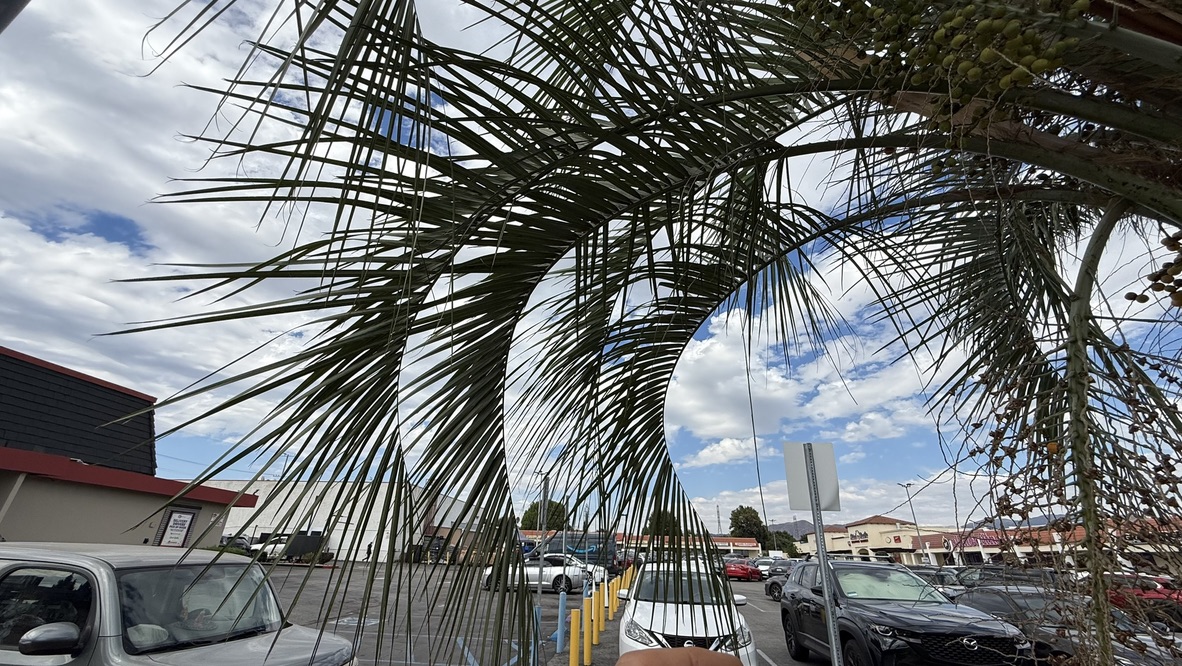
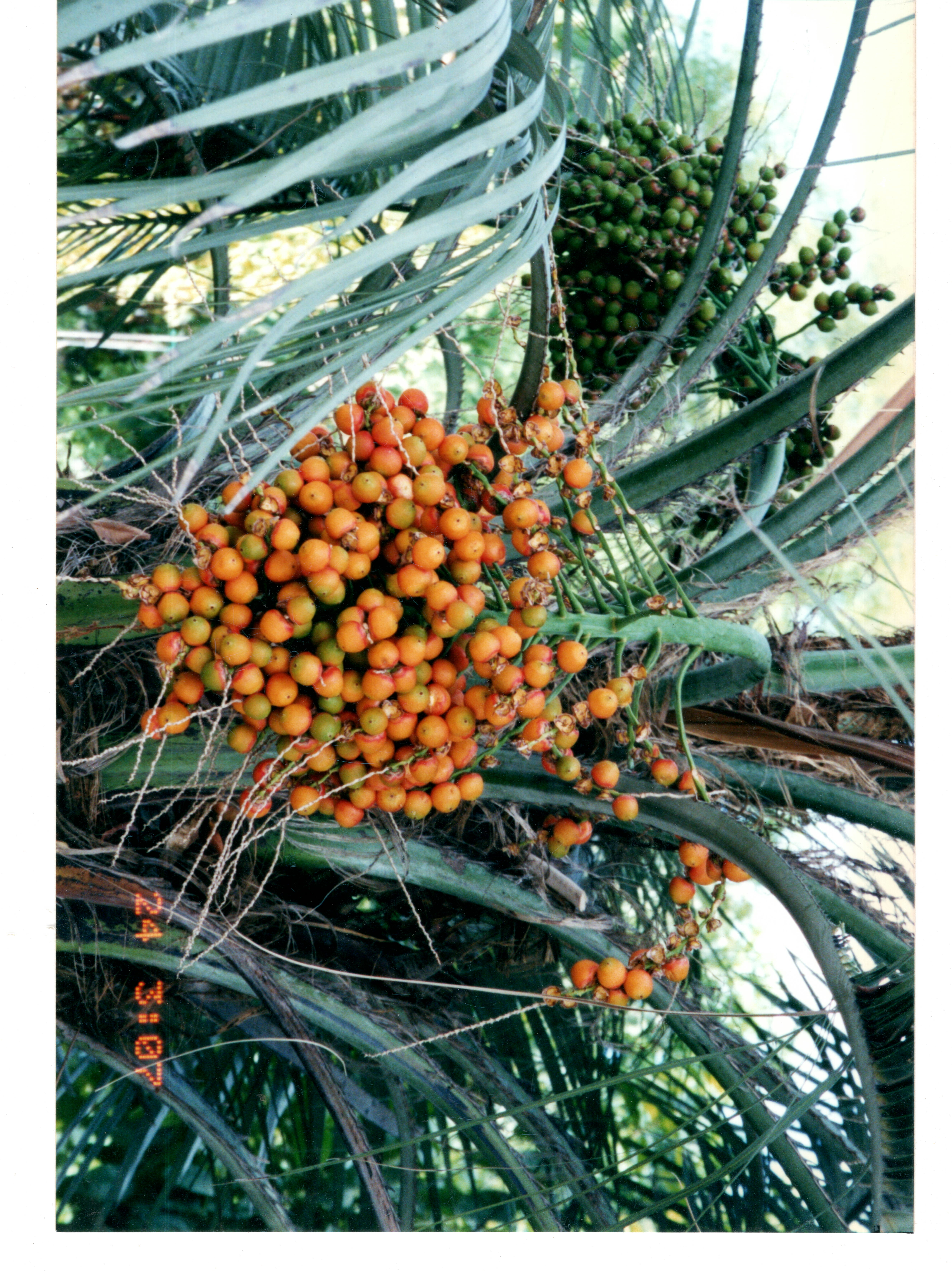
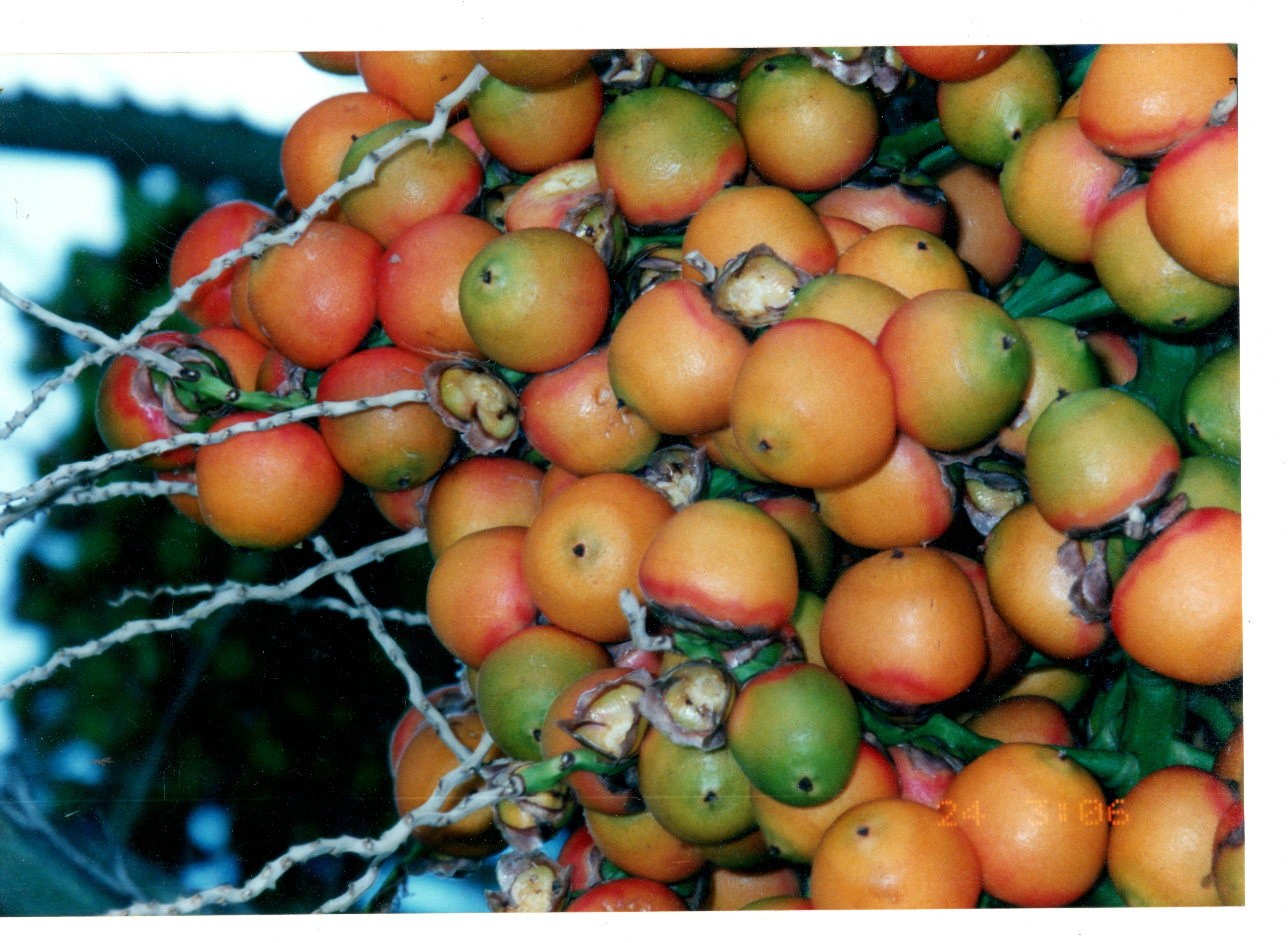
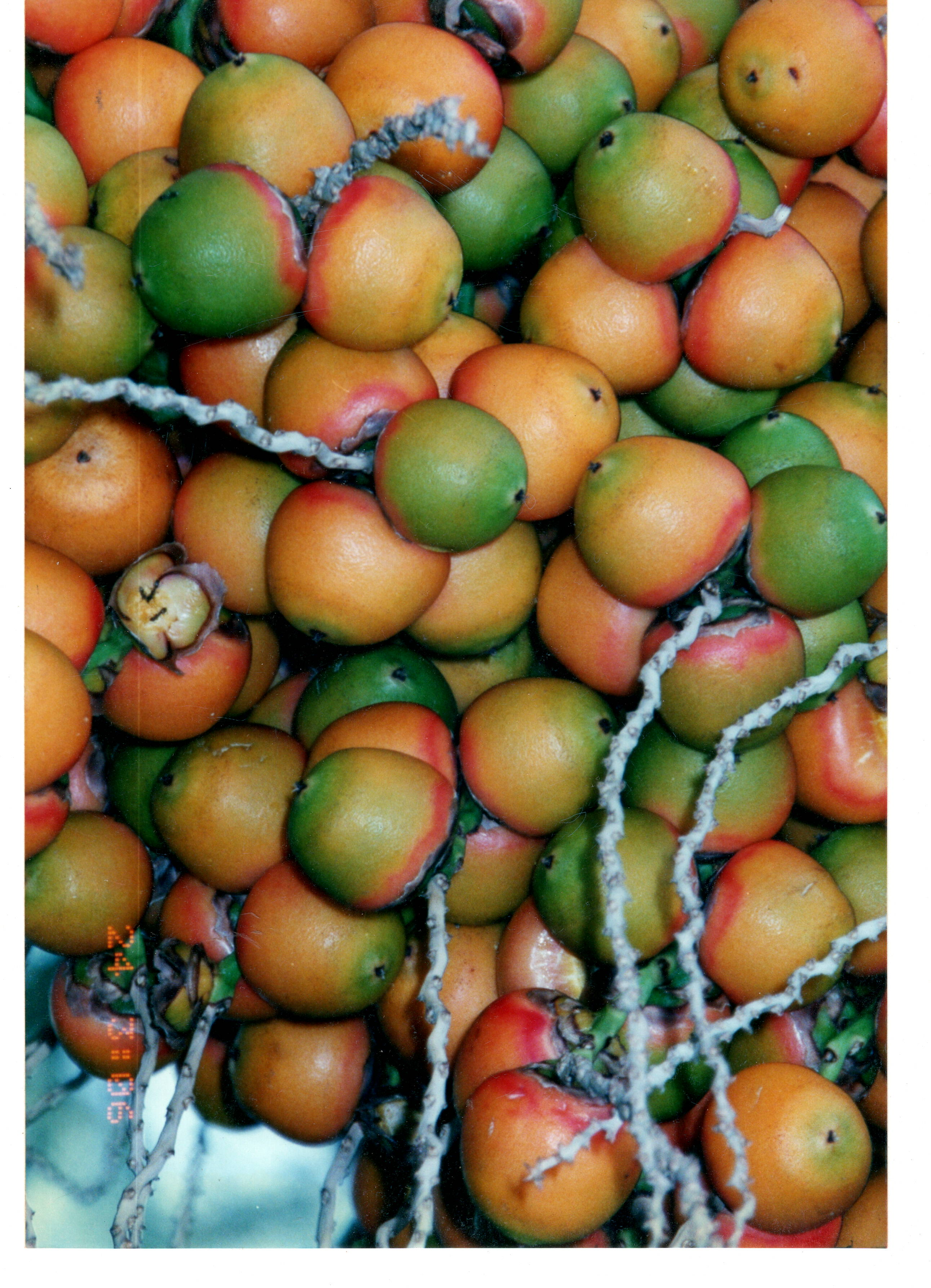
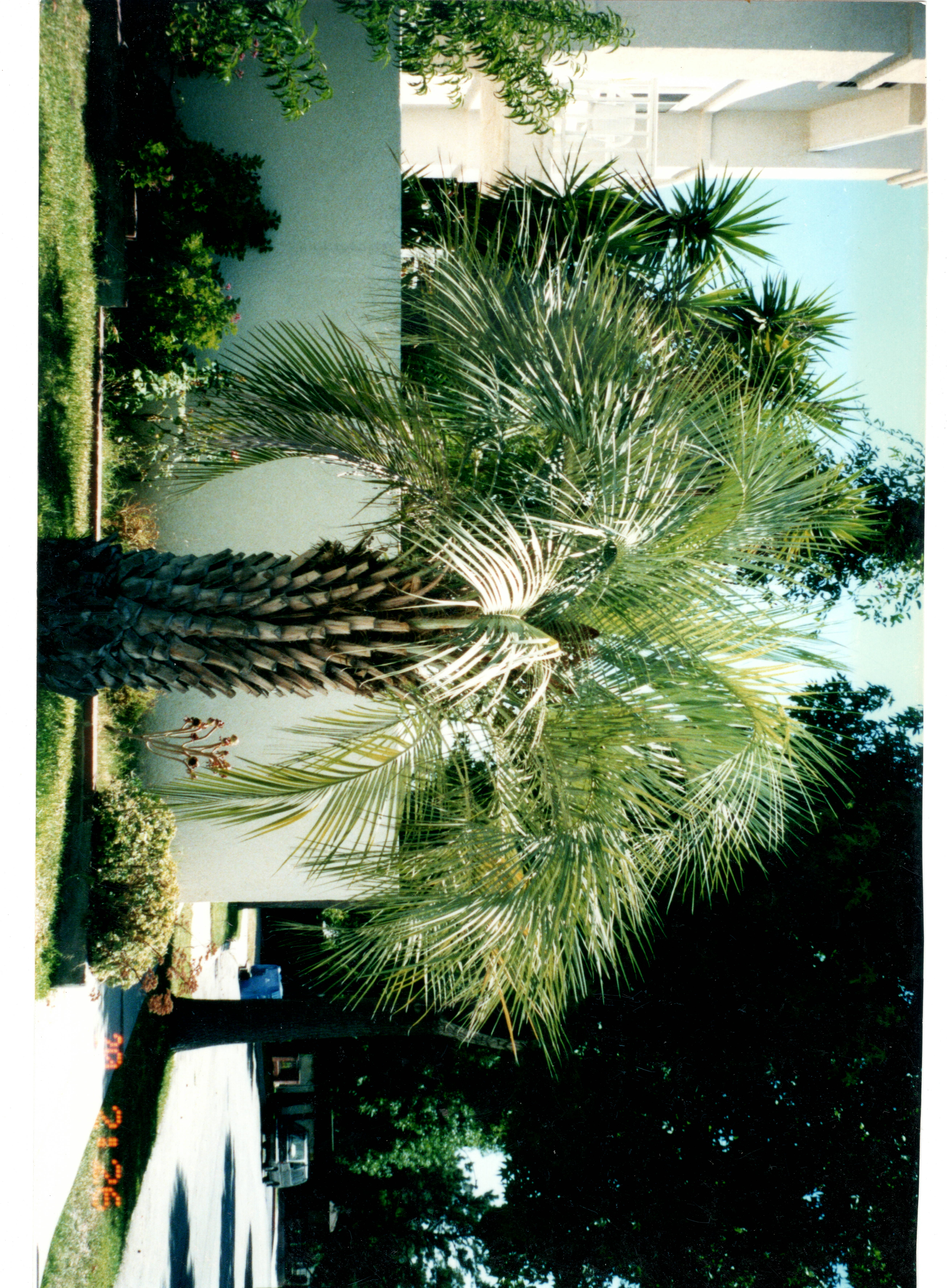
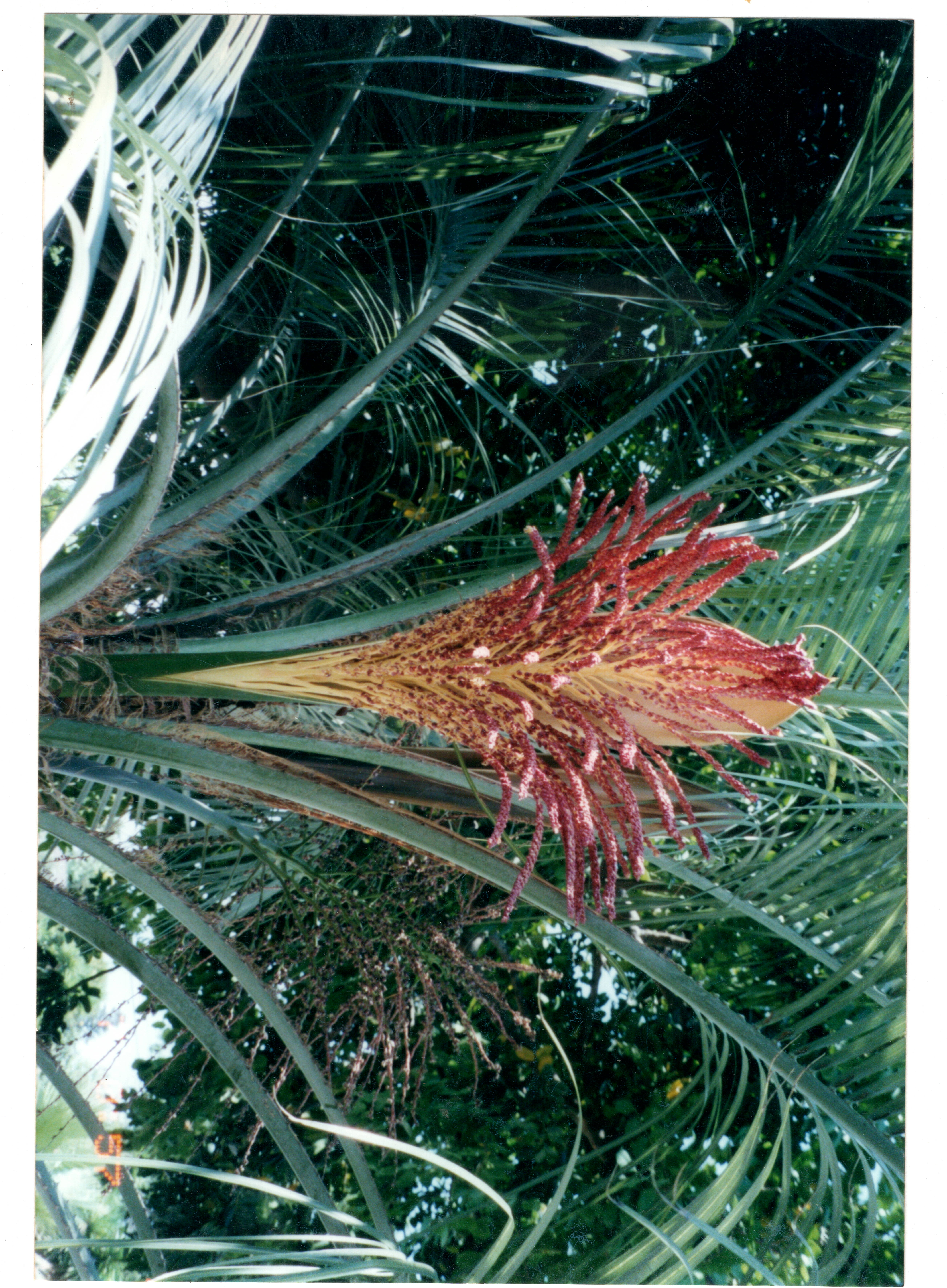
| Description | The Jelly Palm, also known as the Pindo Palm, is a cold-hardy tropical palm native to South America—especially Brazil, Uruguay, and Argentina. It is prized not only for its graceful, blue-green fronds but also for its fragrant, golden-orange fruits that ripen in summer. When freshly gathered, these sweet & tangy palm fruits have a flavor and aroma reminiscent of pineapple and are commonly used to make jelly, wine, and chutney—hence the name "Jelly Palm." It’s one of the most cold-tolerant feather palms, making it an excellent choice for tropical-looking landscapes even in temperate climates. The Jelly Palm is a rare blend of beauty, cold-hardiness, and edible fruit—making it a standout choice for gardeners who want a tropical vibe without the tropical climate. |
| Evergreen/Deciduous | Evergreen |
| Height x Width | 8'-15' x 8'-12' |
| Growth Habit | Relatively Short & Stocky, Single Trunk |
| Growth Rate | Slow |
| Sun Exposure | Full Sun |
| Cold Hardiness | Tolerant to 24° |
| Fruit Bearing Age/Height | Four to Eight Feet |
| Suitable To Container Culture | Yes |
| Harvest Period | September-October |
| Video | Coming Soon |